
人工智能行业原本准备在中期选举中充当关键的“王者制造者”。由Anthropic和OpenAI高管出资数百万美元的超级政治行动委员会(Super PAC)网络,在今年早些时候的竞争激烈的初选中投入巨资,其中包括纽约市的一场高调竞选。它们被吹捧为另一单一议题组织——美国以色列公共事务委员会(AIPAC)的潜在继任者,因为AIPAC已将其支出转入地下。
The artificial intelligence industry was poised to act as a kingmaker in the midterm elections. Super PAC networks bankrolled with millions of dollars from Anthropic and OpenAI executives spent heavily in competitive primaries earlier this year, including a high-profile race in New York City. They were touted as the looming successor to another single-issue group, the American Israel Public Affairs Committee, as AIPAC moved its spending underground.
然而,随着公众对数据中心以及人工智能对就业威胁的愤怒情绪高涨,人工智能超级政治行动委员会在国会选举中的支出相比初选大幅收紧。规模最大的人工智能超级政治行动委员会网络仅在下周的大选前略有支出——且主要集中在安全席位。
Yet as public outrage over data centers and AI’s threat to jobs soared, artificial intelligence super PACs dramatically throttled back spending on congressional races compared to the primaries. The biggest AI super PAC network has spent only modestly ahead of next week’s general election — and mostly in safe seats.
《拦截者》基于联邦选举委员会记录和独立选区评级,对2026年中期选举中人工智能支出进行的分析显示,只有5%的直接支出流向了有竞争性的普选。行业对可能决定下届国会控制权的竞争性选区的回避,表明这些政治行动委员会已经意识到公众对科技的厌恶,竞选融资和行业观察人士对《拦截者》表示。
An Intercept analysis of AI spending in the 2026 midterms, based on Federal Election Commission records and independent race ratings, shows that only 5 percent of their direct expenditures have gone to contested general election races. The industry’s avoidance of the contested races that could determine control of the next Congress suggest that the PACs have realized how the public has soured on the tech, campaign finance and industry observers told The Intercept.
公共公民(Public Citizen)总统办公室的研究主任里克·克莱波尔(Rick Claypool)说:“基本上,这些公司低估了公众对数据中心建设的厌恶程度,以及那些无人需求、声称将自动化工作甚至可能毁灭我们的人工智能系统的不可避免性。”
“Essentially these companies underestimated how much the public despises the data center buildout, and the inescapability of AI systems that no one asked for that say they will automate jobs and maybe kill us all,” said Rick Claypool, a research director for the president’s office at Public Citizen, a nonprofit campaign finance watchdog.
尽管仍有时间进行最后时刻的支出狂潮,但人工智能在2026年中期选举中的角色可能最终只是一场单一选举——纽约的初选——的故事,这场选举迫使该行业退出聚光灯。
Although there is still time for a last-minute flurry of spending, the story of AI’s role in the 2026 midterm elections may turn out to be the story of a single race — a primary in New York — that forced the industry to step away from the limelight.
克莱普尔所在的团体今年早些时候发布了一份对“企业至上主义”超级政治行动委员会的分析。这类新型竞选委员会以名为Fairshake的加密货币超级政治行动委员会为模板,后者在2024年选举中花费了数千万美元。
Claypool’s group released an analysis earlier this year of “corporate supremacist” super PACs, a new breed of campaign committees modeled on a crypto super PAC called Fairshake that spent tens of millions on the 2024 elections.
其模式是积聚庞大的竞选资金,用来惩罚那些反对企业所倾向的政府监管的候选人,同时向两党的盟友或潜在盟友大把撒钱。
The model was to amass a massive war chest and use it to punish candidates who opposed the company’s preferred government regulations, while throwing cash at allies or potential allies from both parties.
2025年8月启动的第一个大型AI超级政治行动委员会是“引领未来”,其资金来自OpenAI总裁及其投资者。几个月后,一个与之竞争的超级政治行动委员会网络“公共优先”成立,目标是抗衡“引领未来”的影响力。其捐赠者包括Anthropic首席执行官达里奥·阿莫代伊,他捐了100万美元。Anthropic还向一家与“公共优先”有关联的非营利组织捐赠了数百万美元,同时规定这笔钱不得用于选举。“公共优先”表示,它支持的监管比其竞争对手更严格。
The first big AI super PAC to launch in August 2025 was Leading the Future, which was bankrolled by the president of OpenAI and its investors. A rival super PAC network, Public First, launched months later with the goal of countering Leading the Future’s influence. Its donors include Anthropic CEO Dario Amodei, who gave $1 million. Anthropic has also given a nonprofit associated with Public First millions of dollars, while stipulating that the money cannot be used on elections. Public First says that it supports tighter regulations than its rival.
竞选财务记录显示,这两个网络在初选中投入了5070万美元。其中大部分资金花在结果存疑的初选上,推动这一支出的是这两个网络为支持或反对单一国会候选人亚历克斯·博尔斯而花费的惊人2130万美元,这笔钱用在纽约州第12国会选区的民主党初选中。
The two networks plowed $50.7 million into the primaries, campaign finance records show. Most of that money was spent on primary races where the outcome was in doubt, driven by an eye-popping $21.3 million the networks spent on supporting or opposing a single congressional candidate, Alex Bores, in the Democratic primary for New York’s 12th Congressional District.
博尔斯是纽约州议会议员,他在州议会提出了一项AI监管法案,激怒了业内那些主张自由放任的人士。
Bores, a New York State Assembly member, attracted the ire of those in the industry who favor a laissez-faire approach by authoring an AI regulation bill in the state legislature.
“引领未来”成功击败了博尔斯,后者在6月输给了州议会同事迈卡·拉舍。但该团体在此过程中招致了强烈反弹。许多观察人士认为,“引领未来”的支出反而帮了博尔斯,而不是害了他,因为这让他有机会把自己塑造成AI行业的对手——同时也受益于一个与“公共优先”网络结盟的政治行动委员会。
Leading the Future succeeded in defeating Bores, who lost to his State Assembly colleague Micah Lasher in June. But the group drew intense blowback in the process. Many observers suggested Leading the Future’s spending had boosted Bores rather than hurt him, because it gave him a chance to position himself as a foe of the AI industry — while also benefiting from a PAC aligned with the Public First network.
“到最后关头,他们急得直冒汗,”博尔斯在接受《拦截》采访时谈到“引领未来”时说。“我认为,在政界待过一段时间的人都会意识到,他们的支出确实起到了把人工智能议题抬升起来的作用。”“引领未来”未回应置评请求。
“Down to the wire, they were sweating,” Bores told The Intercept, referring to Leading the Future. “I think people who have been in politics for a while will realize that their spending really served to elevate the issue of AI.”Leading the Future did not respond to a request for comment.
在介入竞争激烈的初选之后,两大领先的人工智能超级政治行动委员会网络在竞争性大选中却按兵不动,尽管它们账上资金充裕。
After wading into contested primary elections, the two leading AI super PAC networks have held back from spending on competitive general elections — even though they have plenty of money in the bank.
直到几天前,“公共优先”在大选选战中尚未有任何支出。根据联邦选举委员会的数据,截至10月26日,“引领未来”在大选选战中仅支出740万美元,而其最新报告显示,截至当时其网络手头现金达3400万美元。
Until a few days ago, Public First had spent nothing on general election races. Leading the Future has spent only $7.4 million on general election races as of October 26, according to the FEC data, despite having $34 million in cash on hand across its network as of its most recent report.
根据独立分析网站FiftyPlusOne的衡量,这笔总支出中只有31%流向了竞争性选战。“引领未来”之所以在竞争性大选中花钱,唯一原因是它支持南卡罗来纳州共和党联邦参议员达琳·格雷厄姆。她接替已故兄长林赛·格雷厄姆的席位,如今在深红州南卡罗来纳面临一名民主党人出乎意料的猛烈挑战,以争取赢得完整任期。
Only 31 percent of that total has gone toward competitive races, as measured by the independent analytics website FiftyPlusOne. The only reason Leading the Future has spent money on competitive general election races at all is because it’s backing U.S. Sen. Darline Graham, R-S.C., who filled the seat of her late brother Lindsey Graham and is now facing an unexpectedly fierce challenge from a Democrat to win a full term in ruby-red South Carolina.
“他们不会对国会的力量平衡产生影响,”肖娜·托马斯说。她是“护栏联盟”的创始人之一,这是另一个新成立的超级政治行动委员会,旨在抗衡“引领未来”的影响力。“他们把资金花在他们认为会保护自己控制监管能力和监管方式的候选人身上。”“公共优先”直到最近才开始在少数几场大选选战中投入相对较小的金额。根据已处理的联邦选举委员会数据,截至10月26日上午,这笔支出为110万美元。
“They are not going to have an impact on the balance of power in Congress,” said Shaunna Thomas, one of the founders of Guardrails Alliance, another new super PAC set up to counter Leading the Future’s influence. “They are spending money on candidates who they think will protect their ability to control if and how they are regulated.”Public First has only recently started spending a relatively small sum on a handful of general election races. The spending had amounted to $1.1 million as of the morning of October 26, according to processed FEC data.
当被问及其策略自初选以来有何变化时,Public First的一位发言人表示,该组织仍在努力支持“AI监管的坚定倡导者”。这位发言人安东尼·里维拉-罗德里格斯说:“Public First成立之初是为了抗衡Leading the Future,而如今这场斗争的面貌已大不相同。Leading the Future正在销声匿迹,其最大的支持者正在抽身离去。”
Asked for comment on how its strategy has changed since the primaries, a Public First spokesperson said that it was still trying to support “strong advocates for AI regulation.”“Public First was founded as a counterweight to Leading the Future, and that fight looks very different today. Leading the Future is going dark. Its biggest backers are walking away,” said Anthony Rivera-Rodriguez, the spokesperson.
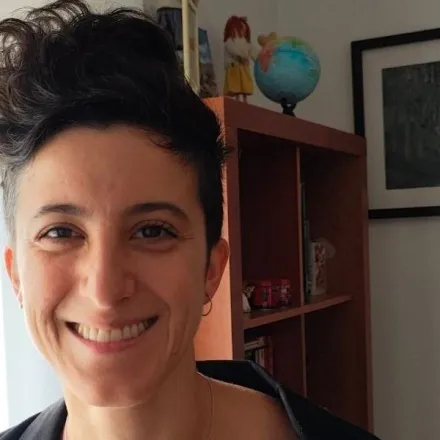
填补这一空缺的是推动更严格AI监管的新团体,例如“护栏联盟”(Guardrails Alliance),该组织自我定位为对抗企业支持的超级政治行动委员会的草根替代力量。其资金很大一部分来自硅谷科技从业者,但对“科技寡头”采取了更为强硬的立场。Guardrails迄今已花费约200万美元,并报告截至10月14日手头拥有120万美元。
Into that gap have stepped new groups pushing for tougher AI regulation such as the Guardrails Alliance, which bills itself as a grassroots alternative to corporate-backed super PACs. It is funded in large part by Silicon Valley tech workers but has taken a more aggressive stance against “tech oligarchs.”Guardrails has spent about $2 million thus far and reported having $1.2 million on hand as of October 14.
根据Guardrails委托Data for Progress对艾奥瓦州、密歇根州和俄亥俄州3000多名可能投票的选民进行的民调,约四分之三的选民不太可能支持一位他们知道曾获得AI超级政治行动委员会支持的候选人。相比加密货币公司或AIPAC的支出,选民更担心AI公司的支出。
About three-quarters of voters are less likely to support a candidate they know has received support from an AI super PAC, according to a Data for Progress poll of more than 3,000 likely voters in Iowa, Michigan, and Ohio commissioned by Guardrails. Voters were more concerned about spending from AI companies than from crypto companies or AIPAC.
对数据中心和AI的反感跨越了党派界限。在密歇根州竞争激烈的第七国会选区,民主党候选人威尔·劳伦斯已将数据中心作为其主要议题之一。
The dislike for data centers and AI cuts across party lines. In Michigan’s purple 7th Congressional District, Democratic candidate Will Lawrence has seized on data centers as one of his leading issues.
“这件事的政治形势非常糟糕。无论你是民主党人、独立人士还是共和党人,80%的人都反对它,”他在最近的一次市政厅会议上对支持者说。
“The politics of this are terrible. Eighty percent of everybody is against it, whether you’re a Democrat, independent, or Republican,” he told supporters at a recent town hall.
值得注意的是,尽管劳伦斯的选情是全美最胶着的选战之一,但这两个超级政治行动委员会网络都没有介入她的竞选。(劳伦斯的竞选团队指出,领导AI公司xAI的埃隆·马斯克曾通过他的“美国政治行动委员会”花钱反对劳伦斯。)已有新迹象表明,大型AI超级政治行动委员会网络正因公众的反感而改变策略。“公共优先”的暗钱关联机构自8月以来向一个业已存在的超级政治行动委员会捐赠了300万美元,该委员会支持加利福尼亚州参议员斯科特·维纳——他是争夺接替退休众议员南希·佩洛西加州席位的两位民主党人之一。
Notably, neither of the super PAC networks has intervened in Lawrence’s race, despite it being one of the closest in the nation. (Lawrence’s campaign has pointed out that Elon Musk, who leads AI company xAI, has spent against Lawrence via his America PAC.) There are emerging signs that the big AI super PAC networks are changing tactics in response to that public distaste. Public First’s dark-money affiliate donated $3 million since August to a preexisting super PAC supporting California state Sen. Scott Wiener, one of two Democrats vying to replace retiring Rep. Nancy Pelosi in California.
与此同时,“引领未来”于10月9日向一个名为“建设美国AI”的支持数据中心的非营利组织捐赠了50万美元。
Leading the Future, meanwhile, gave a $500,000 donation on October 9 to a pro-data center nonprofit called Build American AI.
鉴于“引领未来”拥有庞大的资金储备,AI超级政治行动委员会的批评者也在观望它将采取什么行动。
AI super PAC critics are also watching to see what Leading the Future will do, given its large war chest.
“我认为他们会继续花钱。我认为他们会尝试进行越来越多不易被追踪的支出,因为他们就是这样的政治累赘,”博尔斯说。
“I think they are going to continue to spend. I think they are going to try to do more and more spending that isn’t as easily tracked, because they are such political dead weight,” said Bores.
当单一议题超级政治行动委员会知道自己的议题不受欢迎时,他们会使用含糊的名称、“快闪式”关联组织以及其他可疑手段,向选民隐瞒自己的活动。
When single-issue super PACs know their issue is unpopular, they use vague names, “pop-up” affiliates, and other dubious tactics to hide their activities from voters.
再添一例:“引领未来”已通过新设立的特拉华州公司输送了超过3000万美元的支出,在这场以选民对该行业强烈反弹为特征的选举中阻断了透明度。
Add another one to the list: Leading the Future has routed more than $30 million of spending through newly minted Delaware corporations, blocking transparency during an election that has been defined by voter backlash against the industry.
这些疑似空壳公司占了这家最大人工智能超级政治行动委员会网络今年选举期间支出的绝大部分。
Those apparent shell corporations have accounted for the lion’s share of the largest artificial intelligence super PAC network’s expenses during this year’s election.
一个竞选监督组织在5月提交的投诉中指控,这种做法公然违反了联邦选举委员会的指导方针,该方针要求竞选组织披露他们正在向哪些顾问、民调机构和广告商付费。
The practice is a flagrant violation of Federal Election Commission guidelines that require campaign organizations to disclose which consultants, pollsters, and advertisers they are paying, a campaign watchdog alleged in a complaint filed in May.
然而,对于担心缺乏透明度的观察人士来说,目前可能几乎无计可施。联邦选举委员会缺乏法定人数,无法对诸如竞选法律中心提交的投诉采取行动。(“引领未来”未回应置评请求,此前曾在给《连线》杂志的声明中为其策略的合法性辩护。)“引领未来”网络的资金很大一部分来自OpenAI的一名高管或投资者。OpenAI是全球最大的人工智能公司之一。
There may be little recourse for observers worried about the lack of transparency for now, however. The FEC is short of the quorum that would allow it to take action on complaints such as the one filed by the Campaign Legal Center. (Leading the Future, which did not respond to a request for comment, has previously defended its tactics as legal in a statement to Wired.) The Leading the Future network was funded in large part by an executive at or investors in OpenAI, one of the world’s largest AI companies. (In 2024, The Intercept sued OpenAI in federal court over the company’s use of copyrighted articles to train its chatbot ChatGPT. The case is ongoing.)
(2024年,《拦截》在联邦法院起诉OpenAI,指控该公司使用受版权保护的文章来训练其聊天机器人ChatGPT。该案仍在审理中。)公司总裁格雷格·布罗克曼及其妻子安娜·布罗克曼去年向该网络捐赠了2500万美元。到了花钱的时候,“引领未来”网络依靠两个附属超级政治行动委员会,一个是面向民主党候选人的“大胆思考”,另一个是面向共和党候选人的“美国使命”。
Company president Greg Brockman and his wife, Anna Brockman, donated $25 million to the network last year. When it came time to spend that money, the Leading the Future network leaned on two affiliate super PACs, one for Democratic candidates called Think Big and the other for Republican candidates called American Mission.
这是加密货币行业带火的新型单一议题超级政治行动委员会的典型策略。竞选财务改革倡导者表示,这可能有助于向选民掩盖竞选广告的来源,但本身并不违反任何法律。
That is a typical tactic of the new breed of single-issue super PACs popularized by the crypto industry. Campaign finance reform advocates say it may help obscure the origin of campaign ads from voters but does not run afoul of any laws itself.
然而,监管机构认为,这些超级政治行动委员会接下来的做法亮起了红灯。自去年12月以来,“美国使命”已报告通过一家在特拉华州注册的有限责任公司“顶峰岭媒体集团”支出了1740万美元,用于从媒体投放到广告制作再到咨询等一系列服务。
What those super PACs did next raised red flags for watchdogs, however. Since December, American Mission has reported spending $17.4 million through a Delaware-incorporated limited liability corporation called Summit Ridge Media Group, on services ranging from media placement to ad production to consulting.
“大胆思考”则通过另一家特拉华州公司“灯笼制作顾问”支出了2130万美元,用于类似的名目繁多的开支。
Think Big has spent $21.3 million through a different Delaware corporation, Lantern Production Consultants, on a similarly wide range of expenses.
竞选法律中心高级法律顾问莎娜·波茨表示,这些五花八门的开支表明,这些超级政治行动委员会很可能利用新成立的公司来隐藏其真正的供应商。
The grab bag of expenses is a giveaway that the super PACs are likely using the newly created corporations to hide their true vendors, according to Shanna Ports, a senior legal counsel at the Campaign Legal Center.
波特斯说:“无从得知这一安排背后的动机是什么——但我知道人们对人工智能存在抵触情绪。有可能与‘美国使命’和‘大构想’合作的供应商不愿在联邦选举委员会的报告中被人认出。”
“There’s no way of knowing what is motivating this arrangement — but I know there is backlash to AI. It is possible that the vendors who are working with American Mission and Think Big don’t want to be identified in FEC reports,” Ports said.
对立超级政治行动委员会“护栏联盟”的托马斯告诉《拦截》,她认为该网络之所以掩盖其支出,是因为宽松的监管方式已在“政治上变得有毒”。
Thomas, of the rival super PAC Guardrails Alliance, told The Intercept she thinks the network is obscuring its spending because a lax regulatory approach has become “politically toxic.”
托马斯说:“他们的捐赠者不想与之扯上关系,他们的候选人不想得到他们的支持,他们的供应商也不想与之扯上关系。如果你是公开的,你就是在逃避。如果你不公开,你就是有意不被曝光。”
“Their donors don’t want to be associated, their candidates don’t want their support, and their vendors don’t want to be associated,” Thomas said. “If you were public, you are running away. If you are not, you are interested in not being exposed.”