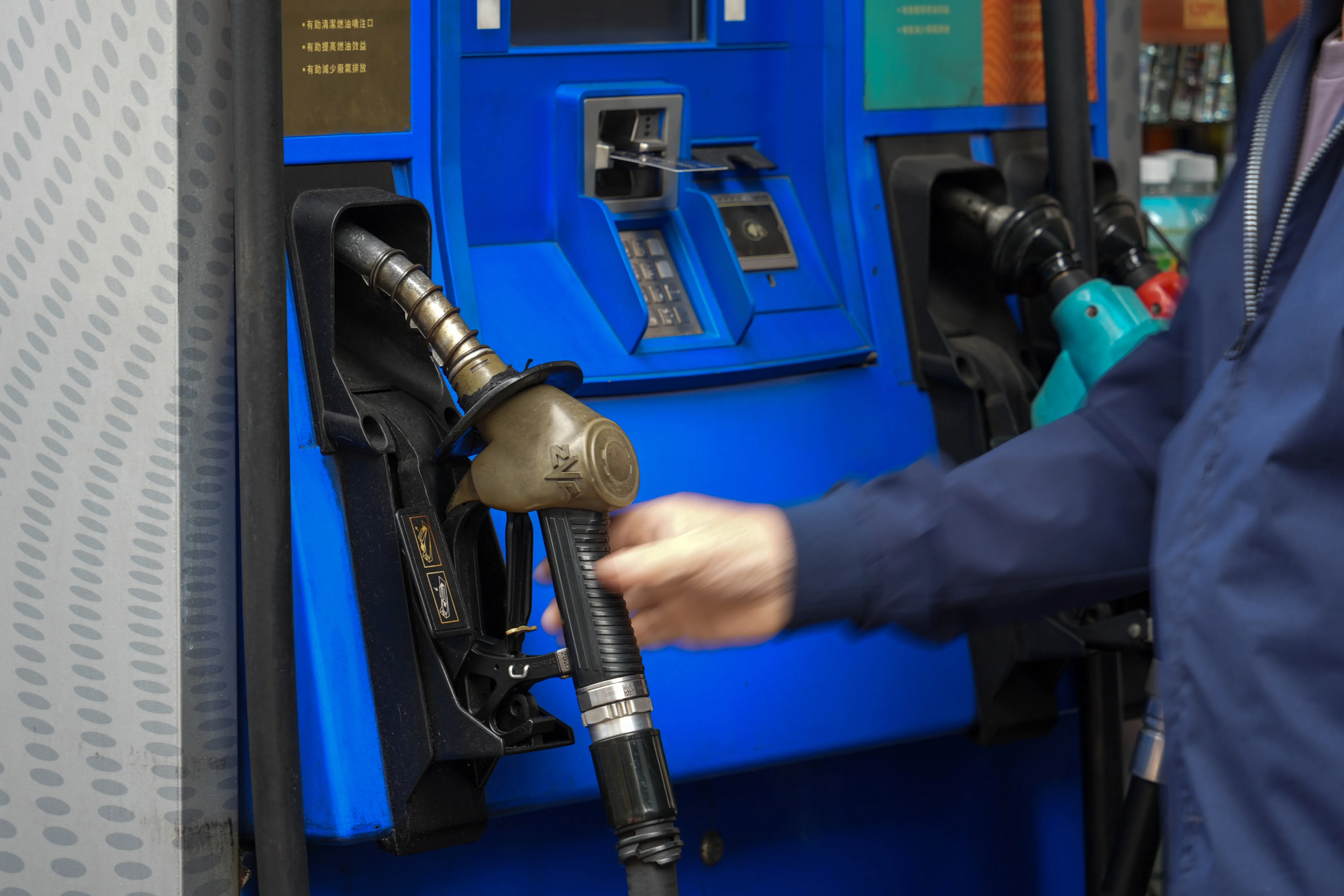
货车司机黄兆波(Wong Siu-po,音译),48岁,觉得生活比以往任何时候都更艰难,因为不断上涨的燃油价格让他每月额外支出5000港元(约合640美元),约占他月收入的三分之一。
Van driver Wong Siu-po, 48, felt life was becoming more difficult than ever as mounting fuel prices cost him an additional HK$5,000 (US$640) a month, about a third of his monthly income.
他需要供养一名11岁的女儿和一名失业的妻子,感到压力与日俱增。
With an 11-year-old daughter and an unemployed wife to support, he feels the pressure mounting.
“我需要每天多工作三个小时来弥补收入损失,”他说。“我会减少使用空调以节省成本。”黄兆波的困境呼应了调查结果,显示近98%的商业司机认为政府的支持“不足”或“非常不足”,因为由中东战争和全球能源危机推动的燃油价格上涨,对他们的生计造成了打击。
“I need to work three hours longer per day to make up for the loss of income,” he said. “I will cut down on air conditioning to save costs.”Wong’s plight echoed survey findings showing that nearly 98 per cent of commercial drivers deemed the government’s support “inadequate” or “very inadequate” as rising fuel prices, driven by the Middle East war and a global energy crisis, took a toll on their livelihoods.
在为期两个月的补贴于6月结束后,司机们呼吁政府提供进一步支持。
Drivers called for further government support after a two-month subsidy ended in June.
由“即刻对话民生进步小组”(Talk To You Now People Livelihood Progress Group)——一个在屯门、元朗和天水围地区活跃的关注组织——于本月早些时候对770名受访者进行的民调发现,98.7%的受访者表示,在政府补贴结束后,其每月燃油成本增加。
The poll of 770 respondents, conducted earlier this month by the Talk To You Now People Livelihood Progress Group – a concern group active in Tuen Mun, Yuen Long and Tin Shui Wai areas – found that 98.7 per cent reported higher monthly fuel costs after a government subsidy ended.
超过四分之一的受访者表示,他们每月额外支付至少5000港元,许多人表示他们延长工作时间、动用积蓄或削减维修开支,以维持营运。
More than a quarter said they paid at least HK$5,000 extra a month, while many said they worked longer hours, dipped into savings or cut maintenance to stay on the road.
调查结果出炉之际,布伦特原油价格上周反弹,接近4月份触及的年内高点,即每桶118美元,价格在每桶111美元至115美元之间徘徊。自2月28日爆发以来,中东战争丝毫没有缓和的迹象。
The findings came after the price of Brent crude last week rebounded close to the year-to-date peak of US$118 per barrel in April, between US$111 and US$115 a barrel. The Middle East war had shown no signs of abating since it broke out on February 28.
货车司机林牛(Cow Lam,音译),38岁,每月偿还约6000港元的车贷,表示燃油价格上涨让他每月额外支出3000港元,导致生活开支增加约40%。“我们需要削减食物开支,省吃俭用,”他说。
Van driver Cow Lam, 38, who pays a car loan of about HK$6,000 a month, said rising fuel prices cost him an additional HK$3,000 per month, pushing up his living expenses by about 40 per cent. “We need to cut down on food expenses to skimp and save,” he said.
约82%的受访者呼吁立即提供纾困,敦促为近期购买燃油车且仍有车贷在身的车主提供过渡性支持。
Some 82 per cent of respondents called for immediate relief, urging transitional support for recent fuel-car buyers with ongoing vehicle loans.
呼应 67% 受访司机的诉求,该关注组敦促政府提供清晰的电动车置换安排、增加购车补贴、提供低息贷款、租赁或分期付款方案。
Echoing 67 per cent of surveyed drivers, the group urged the government to provide clear electric vehicle replacement arrangements, increased purchase subsidies, low-interest loans, leasing or instalment payments.
“确保这些司机不会仅因无法负担即时换车而被新政策抛在身后,这至关重要。对司机而言,保障现金流是成功转型的第一步,”关注组主席曾美琪表示。
“This is crucial to ensure these drivers are not left behind by the new policy simply because they cannot afford an instant vehicle swap. For drivers, securing cash flow is the first step towards a successful transition,” the concern group’s chairwoman Michelle Tsang said.
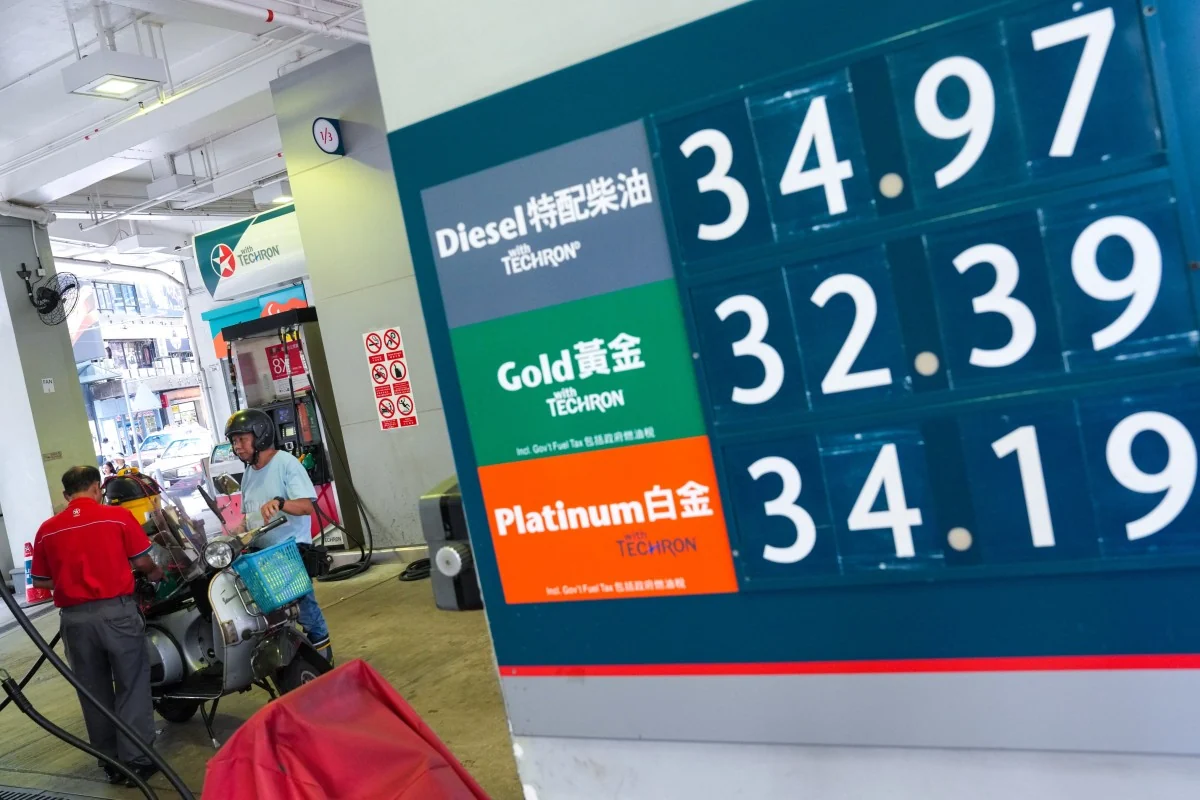
当被问及是否愿意改用运行成本低得多的电动车时,近半数受访者,即 46.4%,表示有意转换或需要更多信息和时间考虑。另有 11.8% 计划在三年内转换。
When asked whether they wanted to switch to electric vehicles that cost far less to run, nearly half the respondents, or 46.4 per cent, said they intended to switch or needed more information and time to consider. Some 11.8 per cent planned to switch within three years.
在目前无意转换的司机中,61% 指出工作地点和过夜停车场充电桩不足。超过 60% 表示需要更多关于转用电动车净成本的信息,以便更好地评估负担能力。
Among drivers with no present intention of switching, 61 per cent cited insufficient charging points at workplaces and overnight parking sites. More than 60 per cent said they needed more information about the net cost of switching to electric vehicles so they could better assess affordability.
林姓和黄姓两位司机均呼吁政府提供更多补贴以减轻负担,例如隧道费、车辆牌照费和验车费。
Both drivers Lam and Wong called on the government to provide more subsidies to ease their burdens, such as tunnel, vehicle licensing and examination fees.

运输及物流局发言人表示,监察燃油供应跨部门工作小组将继续动态评估中东局势以及燃油供应和价格,以确保香港能源储备的稳定。
A spokeswoman for the Transport and Logistics Bureau said the Inter-departmental Task Force on Monitoring Fuel Supply would continue to dynamically assess the situation in the Middle East and fuel supply and prices, to ensure the stability of Hong Kong’s energy reserves.
立法会议员张可森表示,政府至少应动用每年从港铁公司收取的数十亿股息,为巴士公司提供燃油补贴,防止它们反复加收基本车费。
Lawmaker Mark Chong Ho-fung said the government should at least dip into its multibillion-dollar dividend payments received from the MTR Corporation every year to provide fuel subsidies for bus companies and prevent them from repeatedly raising their base fares.
他说:“如果允许基本车费计入燃油成本上涨,冲突若持续,车费将不断上调。这将影响经济,并阻碍市民外出消费。”
“If the base fares are allowed to factor in the rise in fuel costs, the fares will keep going up if the conflict goes on. This will affect the economy and deter people from going out and spending,” he said.
近日,专营巴士公司申请加价最高达 17.7%,以部分抵消燃油成本上涨,而两家电力公司上月宣布上调燃料费。燃油危机的连锁反应已蔓延至运输业者之外。
Recently, franchised bus operators applied to raise fares by up to 17.7 per cent to partially offset higher fuel costs while two power companies announced an increase in fuel charges last month. The ripple effect of the fuel crisis has spread beyond transport operators.
现年 34 岁的文员黄宝欣(Wong Po-yan,音译),月入约 1.5 万港元,每天从深水埗住所往返机场上班,与马志雄(Ma Chi-hung,音译)一家一样,也感受到压力。马志雄现年 49 岁,是送货工人,月入约 2.1 万港元,需供养两个儿子。两户家庭均表示,会削减食物开支、减少外出,以控制交通成本。
Clerk Wong Po-yan, 34, who earns about HK$15,000 per month and commutes daily to the airport from her Sham Shui Po home for work, is also feeling the pinch, alongside Ma Chi-hung’s family. Ma, 49, a delivery worker, earns about HK$21,000 a month and has to support two sons. Both households said they would cut down on food spending and refrain from going out to rein in transport costs.
马志雄说,单是家庭交通开支每月就达 3500 港元,电费则超过 2000 港元。“我现在很少外出了,”马志雄说。
Ma said the family’s transport expenses alone cost HK$3,500 a month while electricity usage was over HK$2,000 a month. “I rarely go out now,” Ma said.
68 岁的的士司机袁德(Yuen Tak,音译)表示,高昂燃油成本令其月收入减少逾 1000 港元,跌幅约 30%。
Taxi driver Yuen Tak, 68, said the high fuel costs had reduced his monthly income by more than HK$1,000 a month, about 30 per cent.
“我每月生意减少 20%,因为许多人想省钱,避免搭的士,”他说。
“I have 20 per cent less business per month as many people want to save costs and avoid taking taxis,” he said.
分析师警告,政府必须想办法缓解燃油价格上涨给市民生活带来的压力,否则香港经济活动将陷入停滞。
Analysts warned that the government had to think of ways to relieve the livelihood pressure on residents caused by rising fuel costs, otherwise Hong Kong’s economic activities would be stalled.
法兴企业投资银行亚太区高级经济学家吴卓仁(Gary Ng Cheuk-yan,音译)表示,高昂生活成本会降低民众消费意愿,因为他们会削减食物及其他开支。
Gary Ng Cheuk-yan, senior economist for Asia-Pacific at Natixis Corporate and Investment Bank, said the high living costs would reduce people’s willingness to spend as they cut back on food and other expenses.
“政府能做的不多。应推出一些纾困措施,例如补贴,以缓和高油价的冲击,”他说。
“There is nothing much the government can do. It should roll out some relief measures such as subsidies to ease the impact of high fuel costs,” he said.
除司机外,许多市民向《南华早报》表示,因燃油成本上升,他们正在做取舍。
Apart from drivers, many residents told the South China Morning Post that they were making trade-offs due to rising fuel costs.
低收入家庭今夏也面临更高的空调开支,天文台录得异常多的酷热天气日数。天文台于10月23日记录到该市在传统农历节气“霜降”当天的有史以来最高气温。
Low-income households also faced steeper air-conditioning costs this summer, with an unusually high number of very hot days. The Observatory recorded the city’s highest-ever temperature for the traditional Chinese calendar’s “Frost” solar term on October 23.
受影响者包括44岁的单亲母亲Rosaly*(化名),她月入略高于1万港元。自今年初中东冲突升级以来,她便开始担心电费上涨,因为她感到收入和积蓄受到的挤压日益紧迫。
Among those affected was single mother Rosaly*, 44, who earns slightly over HK$10,000 a month. She began to worry about rising electricity bills since the Middle East conflict flared up early this year, as she felt an increasingly tight squeeze on her income and savings.
“以前我两个月缴约700港元电费。但今夏我两个月要缴1200港元。煤气费也在上涨,”她说。
“In the past, I paid about HK$700 for two months. But this summer I had to pay HK$1,200 for two months. The gas bill is also rising,” she said.
随后她设法削减用电量,遵循前天文台台长林超英的省钱贴士,包括将空调温度调至摄氏27度并使用风扇。她还通过减少热水使用和大开窗户通风来节省煤气。“林超英的方法有效;我的用电量已恢复到以往水平,”她说。
She then sought to cut back on electricity use, following the cost-saving tips of former Observatory head Lam Chiu-ying, which included turning air conditioning to 27 degrees Celsius and using fans. She also saved gas by reducing hot water use and opening windows wide to ventilate her flat. “Lam’s method works; my electricity use has returned to previous levels,” she said.
*应受访者要求更改姓名 记者:邱燕玲
*Name changed at the interviewee’s request By Cannix Yau