在地区敌对情绪高涨之际提出不侵犯条约,或许显得为时过早。然而,正是在互信最缺失之时,停战协议最为关键。核心问题在于,地区各国政府能否就一套规则达成共识,使其分歧不至于演变为毁灭性冲突。
Proposing a non-aggression pact amid regional hostilities may seem premature. Yet agreements to stop war matter most when distrust is the deepest. The key question is whether regional governments can agree on rules that make their disagreements less destructive.
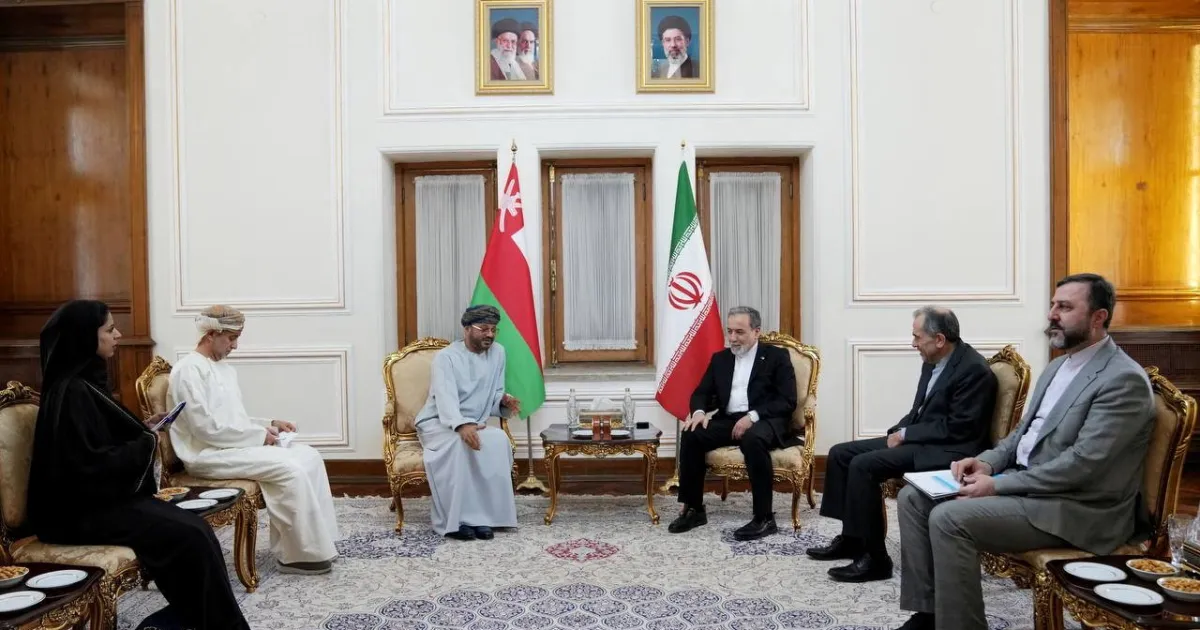
近日,阿曼外交大臣赛义德·巴德尔·阿勒布赛义迪在英国剑桥大学发表演讲,呼吁海湾八个沿海国家——海湾阿拉伯国家合作委员会(GCC)六个成员国加上伊拉克和伊朗——签署不侵犯条约。他将其称为建立包容性地区安全架构的必要前提。
In a recent lecture at Cambridge University in the UK, Oman’s Foreign Minister, Sayyid Badr Albusaidi, called for a non-aggression pact among all eight Gulf littoral states: the six members of the Gulf Cooperation Council along with Iraq and Iran. He described it as the essential prerequisite for an inclusive regional security architecture.
此类条约行得通吗?正如阿勒布赛义迪所承认的,要达成该条约十分困难。但随着伊朗与美国之间另一轮重大升级迫在眉睫,该地区迫切需要一条外交出路。
Could such a pact work? As Albusaidi conceded, it would be hard to achieve. But as another major escalation looms between Iran and the United States, the region urgently needs a diplomatic path forward.
事实上,之所以持续冲突难以化解,是因为地区安全安排长期欠发达,过度依赖外部大国。前进的道路可以是一项包容性协议。
Indeed, the ongoing conflict has proved so hard to resolve because the region’s security arrangements have remained underdeveloped, relying for too long on external powers. The way forward then can be an inclusive agreement.
重振1976年的承诺阿曼的提案植根于一项历史先例。1976年11月,海湾八个沿海国家的外长在马斯喀特会晤,寻求在英国从该地区撤军后建立集体安全机制。
Reviving the promise of 1976 The Omani proposal is anchored in a historic precedent. In November 1976, the foreign ministers of all eight Gulf littoral states met in Muscat to pursue collective security after Britain’s withdrawal from the region.
那仍是八国唯一一次共聚一桌。随后,伊朗革命、苏联入侵阿富汗以及两伊战争,将该地区推向防御性安排,并最终固化为排他性机制。
It remains the only time all eight have sat at one table. The Iranian Revolution, the Soviet invasion of Afghanistan and the Iran–Iraq war then pushed the region towards defensive arrangements that later hardened into exclusion.
数十年来,伊朗特别是被视为对该地区其他国家的威胁。然而,鉴于伊朗拥有海湾海岸线约一半的长度,任何缺少伊朗参与的安全架构在结构上都是不稳固的。
For decades, Iran, in particular, was seen as a threat to the rest of the region. Yet, given that the country holds roughly half the Gulf coastline, any security architecture without it is structurally unsound.
直到2019年,建立地区安全机制的想法才得以重燃。当年5月,时任伊朗外长贾瓦德·扎里夫在访问巴格达期间,向海湾邻国提议签署一项地区互不侵犯条约,并得到了俄罗斯外长谢尔盖·拉夫罗夫的支持。
It was not until 2019 that the idea of a regional security arrangement was revived. In May of that year, then Iranian Foreign Minister Javad Zarif proposed a regional non-aggression pact with Gulf neighbours during a visit to Baghdad, which Russia’s Foreign Minister Sergey Lavrov endorsed.
同年9月,伊朗总统哈桑·鲁哈尼在联合国大会上推出了“霍尔木兹和平倡议”(HOPE),设想在霍尔木兹海湾国家之间达成一项互不侵犯条约。海湾国家的反应基本上是不予理睬,并指出伊朗支持威胁地区稳定的武装团体。
That September, Iranian President Hassan Rouhani launched the Hormuz Peace Endeavour (HOPE) at the UN General Assembly, envisaging a non-aggression pact among Hormuz states. Gulf reactions were largely dismissive, citing Iranian support for armed groups threatening regional stability.
美以对伊朗的战争使阿拉伯方面重新燃起了这一想法。今年5月,《金融时报》报道称,沙特阿拉伯正在与伊朗讨论一项互不侵犯框架,据报道该框架仿效了冷战期间美苏之间的赫尔辛基进程。
The US-Israeli war on Iran has revived the idea on the Arab side. In May, the Financial Times reported that Saudi Arabia was discussing a non-aggression framework with Iran, reportedly modelled on the Helsinki process between the US and Russia during the Cold War.
本月,卡塔尔国防大臣呼吁海湾阿拉伯国家合作委员会与伊朗展开对话,土耳其和巴基斯坦也加入其中,以达成一项互不侵犯协议。
This month, Qatar’s defence minister called for GCC–Iran dialogue, joined by Turkiye and Pakistan, towards a non-aggression agreement.
阿曼的提议是这一地区转变的最新体现。马斯喀特凭借其充当调解人的历史以及近期在2025年和2026年2月主办美伊会谈的记录,处于独特的调解地位。它拥有其他国家少有的接触渠道。
Oman’s proposal comes as the latest iteration of this regional shift. Muscat is in a unique position to mediate given its history of acting as a mediator and its recent record of hosting US-Iran talks in 2025 and February 2026. It has access that few others have.
缔结一项行之有效的条约 对与伊朗达成海湾条约的最强烈反对意见很简单:为什么要信任一个其行为威胁到地区安全的国家?海湾国家对伊朗行动的担忧并非误解。7月,针对穆桑代姆省和中部省的无人机袭击发生后,阿曼本身就曾向伊朗提出正式抗议。
Concluding a pact that works The strongest objection against a Gulf pact with Iran is simple: Why trust a state whose conduct has threatened the region’s security? Gulf concerns about Iranian actions are not misunderstandings. Oman itself formally protested to Iran after drone attacks targeting Musandam and Al Wusta in July.
因此,单靠安抚是不够的。包容必须意味着承担义务。加入地区条约必须对伊朗和其他签署国一样具有约束力,从而提供一种制约威胁行为和解决合理申诉的手段。
Reassurance is therefore insufficient. Inclusion must mean obligation. Membership in a regional pact would have to bind Iran as much as any other signatory, providing a means to constrain threatening behaviour and address legitimate grievances.
任何协议都必须建立在可观察的行为、相互克制以及对违规行为的后果之上。至少,它需要各方承诺不威胁或使用武力、不干涉内政、不攻击民用基础设施、不支持实施跨境袭击的武装团体,并保护航行自由。
A pact must rest on observable conduct, reciprocal restraint and consequences for violations. At minimum, it would need commitments against the threat or use of force, interference in internal affairs, attacks on civilian infrastructure and support for armed groups conducting cross-border attacks, alongside protection of navigation.
为达成一项可行的协议,谈判可采取渐进式方法。八国磋商可首先确定最低限度的共同利益:领土安全、港口正常运作、能源出口可靠、平民保护以及贸易不中断。阿曼可发挥斡旋作用,但各国将自行代表自己;马斯喀特与德黑兰的沟通渠道并不赋予其代表邻国谈判的授权。
To reach a workable agreement, negotiations can adopt a gradual approach. Consultations among the eight countries could first identify minimum shared interests: territorial security, functioning ports, reliable energy exports, civilian protection and uninterrupted trade. Oman can facilitate, but each state would represent itself; Muscat’s channel to Tehran confers no mandate to negotiate for its neighbours.
初步会谈应产出有限的、相互的措施:军事热线、海上相遇规则、演习通报以及袭击发生后的快速沟通。关于保护能源设施、海水淡化厂和商业航运的共识,将为合规情况提供早期检验。
Initial talks should yield limited, reciprocal measures: military hotlines, rules for maritime encounters, notification of exercises and rapid communication after attacks. An understanding about protecting energy facilities, desalination plants and commercial shipping would offer an early test of compliance.
霍尔木兹海峡是显而易见的切入点,尽管推进可能艰难。阿曼-伊朗会谈已勾勒出一项临时航行安排。然而,正如阿尔布赛迪所承认的,除非华盛顿和德黑兰做出妥协——包括扭转曾导致海上交通瘫痪的战时行动——否则该安排无法落实。任何更广泛的框架都必须尊重国际航行权利。
Hormuz is the obvious starting point, though progress could be hard. Oman-Iran talks have already outlined a temporary navigation arrangement. However, as Albusaidi conceded, it cannot be implemented unless Washington and Tehran compromise, including by reversing wartime actions that halted maritime traffic. Any wider framework must respect international navigation rights.
武装团体将是最难解决的问题。各国政府应承诺既不指挥也不实质性支持此类行为体实施跨境袭击,并通过可核查的步骤证明合规。在控制权存有争议的情况下,协议将需要确立证据和要求纠正行动的程序。
Armed groups would be the hardest issue to resolve. Governments should undertake neither to direct nor materially support cross-border attacks by such actors, and demonstrate compliance through verifiable steps. Where control is contested, the pact would need procedures for establishing evidence and requiring corrective action.
遵守初步措施可以开启在海上安全、环境保护和应急响应方面的合作。严重违纪应当引发调查、紧急磋商以及商定的外交后果,同时自卫权将保持不变。
Compliance with initial measures could open cooperation on maritime safety, environmental protection and emergency response. Serious violations should trigger investigation, urgent consultation and agreed diplomatic consequences, while the right of self-defence would remain intact.
一项地区条约无法解决涉及海湾的所有冲突。美国和以色列作为今年伊朗战争的参与方,将游离于该条约之外,而也门战争涉及的一些行为体,其议程是海湾协议不易约束的。但一个框架无需终结每一场战争就值得拥有。它只需让其中的任何一方更难演变成签署国之间的战争。
A regional pact would not settle every conflict touching the Gulf. The United States and Israel, both parties to this year’s war on Iran, would remain outside it and Yemen’s war involves actors whose agendas a Gulf arrangement could not easily bind. But a framework need not end every war to be worth having. It need only make it harder for any of them to become a war among its signatories.
该条约的可信度将取决于它是否能改变行为。减少或停止袭击、顺畅的危机沟通渠道以及对主权切实可信的尊重,将比签字更为重要。
The pact’s credibility will depend on whether it changes conduct. Fewer or no attacks, functioning crisis channels and demonstrable respect for sovereignty will matter more than signatures.
目前的敌对行动使这项任务变得困难,但也暴露了推迟它的代价。首个成果将是温和的但意义深远的:确立分歧不赋予任何国家危及另一国安全的权利。
Present hostilities make the task difficult, but they also expose the cost of postponing it. The first achievement would be modest but consequential: establishing that disagreement entitles no state to endanger another’s security.