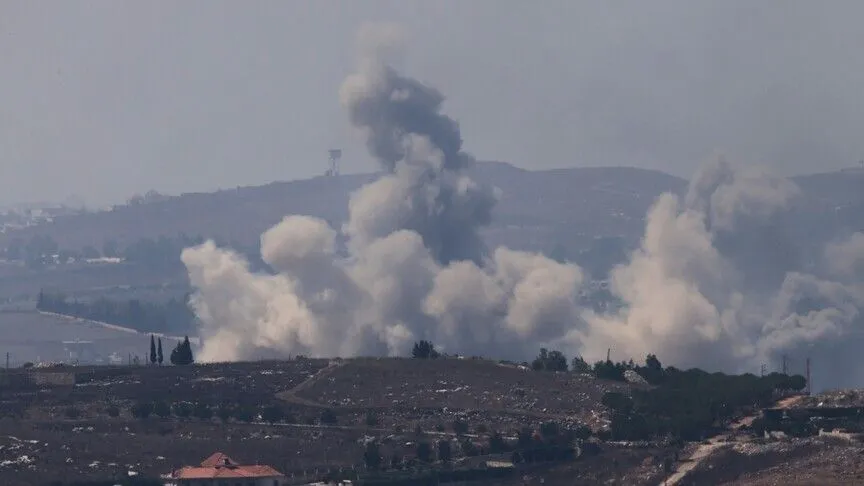
黎巴嫩农业部长尼扎尔·哈尼表示,以色列对黎巴嫩的战争破坏了该国约22.5%的农业用地,直接影响了约5.6万公顷土地。
Israel’s war on Lebanon damaged around 22.5% of the country’s agricultural land, affecting approximately 56,000 hectares directly, Lebanese Agriculture Minister Nizar Hani said.
哈尼在接受阿 Anadolu通讯社采访时表示:“受影响的土地中,约有5.2万公顷位于南部和纳巴提耶省,另有4000公顷位于东部的巴勒贝克-赫尔米尔省。”
“Around 52,000 hectares of the affected land are located in the south and Nabatieh governorates, while another 4,000 hectares are in the eastern Baalbek-Hermel governorate,” Hani told Anadolu in an interview.
他说,以色列战争造成的破坏不仅限于农田和农作物,还波及了牛、绵羊、山羊以及养蜂业。
He said the damage caused by the Israeli war extended beyond farmland and crops to cattle, sheep and goats, as well as beekeeping.
哈尼说:“这场战争导致黎巴嫩损失了3万多个蜂箱以及黎巴嫩南部约70%的牲畜。”
“Lebanon lost more than 30,000 beehives and around 70% of the livestock in southern Lebanon as a result of the war,” Hani said.
他说,大片种植橄榄树和烟草的土地也遭到破坏,并指出黎巴嫩南部是一个主要的农业生产区,该国的柑橘产量约占70%,香蕉产量约占90%。
Large areas planted with olive trees and tobacco were also damaged, he said, noting that southern Lebanon is a major agricultural production region that accounts for around 70% of the country’s citrus output and 90% of its banana production.
这些农作物除在当地消费外,还出口到包括叙利亚、约旦和伊拉克在内的邻近市场。
Those crops are consumed locally and exported to neighboring markets, including Syria, Jordan and Iraq.
在加沙战争的背景下,黎巴嫩与以色列边境的冲突于2023年10月8日在真主党和以色列之间爆发,随后在2024年9月扩大为更广泛的以色列军事行动。
Clashes along the Lebanese-Israeli border began on Oct. 8, 2023, between Hezbollah and Israel against the backdrop of the Gaza war before expanding in September 2024 into a broader Israeli military campaign.
双方于2024年11月27日达成停火协议,但以色列对黎巴嫩全境的袭击仍在继续。
A ceasefire was reached on Nov. 27, 2024, but Israeli attacks have continued across Lebanon.
哈尼说:“以色列在战争期间使用了白磷,并在边境附近地区,特别是森林土地上喷洒了草甘膦除草剂。”
“Israel used white phosphorus during the war and sprayed areas near the border, particularly forested land, with glyphosate herbicide,” Hani said.
这位部长表示,黎巴嫩当局在2025年底之前对土壤、农作物、森林地区和水体进行的检测得出了结果,这些结果仍然处于他所描述的“可控”水平。他说:“冬季降雨有助于减轻部分物质的影响。”
The minister said tests conducted by Lebanese authorities through the end of 2025 on soil, crops, forest areas and water produced results that remained within what he described as “under control” levels. “Winter rainfall has helped reduce some of the effects of the substances,” he said.
然而,始于2026年3月的新一轮战斗以及以色列对几个地区的持续占领,使得专家团队无法前往某些地点进行新的检测。
However, the latest round of fighting, which began in March 2026, and Israel’s continued occupation of several areas prevented specialist teams from accessing some locations to conduct new tests.
哈尼表示:“农业部计划在能够进入相关区域后立即收集并检测新样本,以评估环境和农业影响。”
“The Agriculture Ministry plans to collect and test new samples as soon as access becomes possible to assess the environmental and agricultural impact,” Hani said.
在美以对伊朗战争的背景下,战斗于3月2日再次扩大,演变成第二场重大对抗。
The fighting widened again on March 2 against the backdrop of the US-Israeli war on Iran, developing into a second major confrontation.
截至10月中旬,冲突已造成4389人死亡、1万2424人受伤。
By mid-October, the conflict had killed 4,389 people and wounded 12,424 others.
尽管贝鲁特与特拉维夫于6月达成了一项由美国斡旋的框架协议,规定以色列逐步撤军并部署黎巴嫩军队,但以色列仍继续发动袭击,并控制着黎巴嫩领土内部的区域。
Despite a US-sponsored framework agreement reached in June between Beirut and Tel Aviv providing for a gradual Israeli withdrawal and deployment of the Lebanese army, Israel has continued attacks and maintains control of areas inside Lebanese territory.
这位黎巴嫩部长表示,黎巴嫩南部约有2万4000公顷的橄榄种植土地受到以色列战争的直接影响。
The Lebanese minister said around 24,000 hectares of olive-growing land in southern Lebanon were directly affected by the Israeli war.
他还补充道:“在以色列军队推平农田、连根拔起并带走橄榄树之后,另有750公顷的土地退出农业生产。”
“Another 750 hectares were taken out of agricultural production after Israeli forces bulldozed farmland and uprooted and took olive trees,” he added.
哈尼表示,他的部门已经启动了今年的橄榄榨油季,并于上周从靠近仍遭以色列占领地区的榨油厂附近收集了大约20个样本。
Hani said his ministry has begun this year’s olive pressing season and collected around 20 samples last week from mills near areas still under Israeli occupation.
他说:“现有结果显示,食用黎巴嫩南部受检测地区生产的橄榄油和橄榄不存在相关风险。”然而,评估工作尚未完成,因为搜救团队仍无法抵达其他地区。
“The available results showed no risks associated with consuming olive oil and olives produced in the tested areas of southern Lebanon,” he said. Assessments remain incomplete, however, because teams are still unable to reach other areas.
哈尼表示:“3月最新战斗爆发时,黎巴嫩面临着巨大的食品市场压力,这恰逢当地农业生产季开始之际。”
“Lebanon faced significant pressure on food markets when the latest fighting began in March, coinciding with the start of the local agricultural production season,” Hani said.
当时,黎巴嫩继续依赖从邻国(特别是约旦、叙利亚和埃及)进口部分农作物。
At the time, Lebanon continued to rely on imports of some crops from neighboring countries, particularly Jordan, Syria and Egypt.
他补充道:“3月份期间,地区动荡影响了供应链,并加大了市场的压力。”
“Regional disruptions affected supply chains and increased pressure on markets during March,” he added.
随着国内产量的增加以及该国进入水果和蔬菜的主产季,情况在4月份开始有所改善。
Conditions began to improve in April as domestic production rose and the country entered its main fruit and vegetable production season.
哈尼表示:“黎巴嫩在夏季可以生产大部分水果和蔬菜需求,从而大幅减少对进口的依赖。”
“Lebanon can produce most of its fruit and vegetable needs during the summer, significantly reducing its dependence on imports,” Hani said.
他指出,联合国世界粮食计划署(WFP)和联合国粮食及农业组织(FAO)此前与黎巴嫩农业部合作进行的评估曾警告称,2026年4月至7月期间将面临粮食安全风险。
He noted that earlier assessments by the UN World Food Program (WFP) and the Food and Agriculture Organization (FAO), in cooperation with the Lebanese Agriculture Ministry, had warned of food security risks between April and July 2026.
这些评估表明,生活在黎巴嫩的大约120万人可能面临确保充足食物方面的困难,并将需要支持。哈尼表示:“尽管发生了战争和损失,但农业季仍在继续。”
Those estimates suggested around 1.2 million people living in Lebanon could face difficulties securing adequate food and would require support. “Despite the war and losses, the agricultural season continued,” Hani said.
他补充道:“农业约占黎巴嫩国内生产总值的9%,如果算上相关的食品工业,这一比例将上升至大约13%。”
“Agriculture accounts for around 9% of Lebanon’s gross domestic product, rising to roughly 13% when related food industries are included,” he added.
哈尼将叙利亚描述为黎巴嫩的“战略和必不可少的伙伴”,因为两国拥有共同的陆地边界和商业联系。
Hani described Syria as a “strategic and essential partner” for Lebanon because of their shared land border and commercial ties.
他说:“贝鲁特和大马士革之间的合作包括努力打击影响牲畜的跨境疾病,包括口蹄疫。”两国正在制定联合计划和机制,以降低疾病传播的风险。
“Cooperation between Beirut and Damascus includes efforts to combat cross-border diseases affecting livestock, including foot-and-mouth disease,” he said. The two countries are developing joint programs and mechanisms to reduce the risk of disease transmission.
叙利亚也是黎巴嫩农产品最近的海外市场。黎巴嫩向叙利亚出口葡萄、牛油果和番荔枝等多种农作物,并在冬季进口蔬菜和一些水果。
Syria is also Lebanon’s closest foreign market for agricultural products. Lebanon exports several crops, including grapes, avocados and custard apples to Syria and imports vegetables and some fruits during the winter.
叙利亚还是黎巴嫩农产品出口到约旦、伊拉克和海湾国家的主要陆路走廊。
Syria additionally serves as a major land corridor for Lebanese agricultural exports to Jordan, Iraq and Gulf countries.
哈尼表示:“埃及通过海运接收大量黎巴嫩苹果,而大多数其他农产品出口则通过叙利亚陆路运输。”
“Egypt receives large quantities of Lebanese apples by sea, while most other agricultural exports travel overland through Syria,” Hani said.
这位部长表示,过去一年沙特市场重新对黎巴嫩农产品开放,为该行业提供了重要支持,特别是恢复了通往海湾国家的陆路运输。
The minister said the reopening of the Saudi market to Lebanese agricultural products over the past year has provided important support to the sector, particularly with the resumption of overland transport to Gulf countries.
“今年第三季度,几种黎巴嫩农产品的出口量与去年同期相比增长了20%至40%,”他说道,并把这一改善部分归因于陆路交通路线的恢复。
“Exports of several Lebanese agricultural products increased between 20% and 40% in the third quarter of this year compared with the same period last year,” he said, attributing the improvement partly to restored land transportation routes.
自2021年从黎巴嫩运出的一批石榴中发现藏有数百万枚芬乃他林(Captagon)药丸后,黎巴嫩对沙特阿拉伯的出口便面临限制。这些限制随后扩大到了其他黎巴嫩产品。
Lebanese exports to Saudi Arabia had faced restrictions since 2021 after millions of Captagon pills were discovered hidden in a shipment of pomegranates from Lebanon. The restrictions were later expanded to other Lebanese products.
沙特阿拉伯在近五年后的去年6月解除了对黎巴嫩产品的禁令,允许海上出口恢复。
Saudi Arabia lifted the ban on Lebanese products last June after nearly five years, allowing maritime exports to resume.
今年8月,通过与叙利亚交界的马斯纳(Masnaa)口岸的陆路运输路线重新开放,同时收紧了出口管制并采取了反走私措施,包括对卡车和货物采用先进的查验系统。
The land transport route through the Masnaa border crossing with Syria was reopened in August alongside tighter export controls and anti-smuggling measures, including advanced inspection systems for trucks and goods.
哈尼称土耳其是黎巴嫩的主要支持者,并表示两国之间的一项农业协定已接近准备就绪。
Hani called Türkiye a major supporter to Lebanon, saying a joint agricultural agreement between the two countries is nearly ready forg.
他表示,他会见了土耳其农林大臣易卜拉欣·尤马克勒(Ibrahim Yumaklı),贝鲁特已请求安卡拉在与农业发展相关的几个领域提供支持。
He said he had met Turkish Agriculture and Forestry Minister Ibrahim Yumaklı and that Beirut had requested Ankara’s support in several areas related to agricultural development.
这位大臣还强调了土耳其驻黎巴嫩大使穆拉特·卢特姆(Murat Lutem)在加强双边关系和推进合作方面所起的作用。
The minister also highlighted the role of Turkish Ambassador to Lebanon Murat Lutem in strengthening bilateral relations and advancing cooperation.
近年来两国之间的农业合作包括提供幼苗和农业物资,以及借鉴土耳其在农业和森林管理方面经验的技术交流。
Agricultural cooperation between the two countries in recent years has included the provision of seedlings and agricultural supplies, as well as exchanges of expertise drawing on Türkiye’s experience in agriculture and forest management.
合作还延伸到了扑救森林火灾,土耳其飞机曾多次协助黎巴嫩民防和军队开展灭火行动。
Cooperation has also extended to fighting forest fires, with Turkish aircraft assisting Lebanese Civil Defense and army teams in firefighting operations on several occasions.
“合作是相互的,”哈尼说道,并指出黎巴嫩在近年发生地震和重大森林火灾后给予了土耳其支持。
“Cooperation is reciprocal,” Hani said, noting Lebanon’s support for Türkiye following earthquakes and major forest fires in recent years.
尽管农业用地、牲畜和农作物遭受了广泛损失,但哈尼表示,国内产量的增加和国外市场的复苏,帮助黎巴嫩的农业部门承受了战争所带来的部分压力。
Despite extensive losses to agricultural land, livestock and crops, Hani said increased domestic production and the recovery of foreign markets had helped Lebanon’s agricultural sector absorb part of the pressure caused by the war.