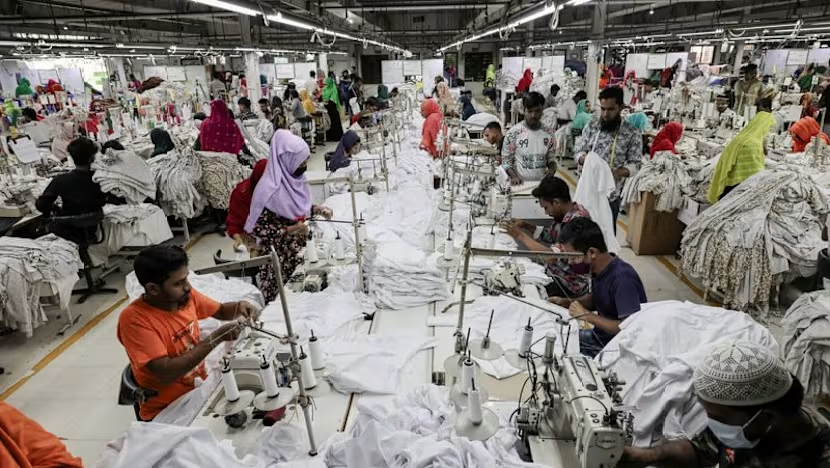
政府已组建一个由六名成员组成的工资委员会,以回应工人要求提高月最低工资的诉求,此举正值通胀持续、生活成本上涨之际。
The government has formed a six-member wage board to address workers’ demands for a monthly minimum wage increase amid rising inflation and living costs.
达卡:孟加拉国成衣工厂周一(11月2日)短暂复工,此前一天曾发生大范围停工,但工人与警方再度发生冲突,迫使数百家工厂再次停产。
DHAKA: Bangladesh's garment factories briefly resumed operations on Monday (Nov 2) after a widespread shutdown a day earlier, but fresh clashes between workers and police forced hundreds of plants to suspend production again.
动荡引发了对发货延误和买家信心受损的担忧。孟加拉国是H&M、Zara、沃尔玛和Primark等品牌的关键供应商,正处于春夏出口订单生产周期的关键节点。
The unrest has raised concerns over shipment delays and buyer confidence in Bangladesh, a key supplier to brands including H&M, Zara, Walmart and Primark, at a critical point in the production cycle for spring and summer export orders. Workers demanding a minimum monthly wage of 30,000 taka (US$243), up from 12,500 taka, blocked roads, vandalised factories and clashed with police across major manufacturing districts, prompting 679 factories to halt production.
工人要求将月最低工资从12,500塔卡提高至30,000塔卡(约合243美元),他们在主要制造区封锁道路、破坏工厂并与警方冲突,导致679家工厂停产。
Bangladesh is the world's second-largest garment exporter after China and the ready-made garment sector accounts for more than 80 per cent of the South Asian nation's export earnings.
孟加拉国是仅次于中国的世界第二大成衣出口国,成衣行业占这个南亚国家出口收入的80%以上。该行业雇佣约400万工人,占经济产出的约10%。
It employs about 4 million workers and accounts for roughly 10 per cent of economic output. In a bid to defuse the crisis, the government on Sunday formed a six-member wage board to review workers' demands, which have gained momentum amid persistent inflation and rising living costs.
为化解危机,政府周日组建了一个由六名成员组成的工资委员会,审议工人的诉求,这些诉求在持续通胀和生活成本上涨的背景下愈演愈烈。
VIOLENCE CONTINUES Police said they used tear gas to disperse garment workers attempting to block roads in Dhaka after protesters hurled bricks and stones at officers.
暴力持续 警方称,他们在达卡使用催泪瓦斯驱散试图封锁道路的成衣工人,此前抗议者向警方投掷砖块和石头。首都郊外的两大制造中心阿舒利亚和加济布尔也报告了骚乱。警方和业内人士称,抗议者焚烧了一辆警车并破坏了多家工厂。
Unrest was also reported in Ashulia and Gazipur, two manufacturing hubs on the outskirts of the capital. Police and industry officials said protesters set fire to a police vehicle and vandalised a number of factories. The clashes follow Sunday's protests and factory closures, with workers continuing to demand higher wages and the resolution of employment grievances.
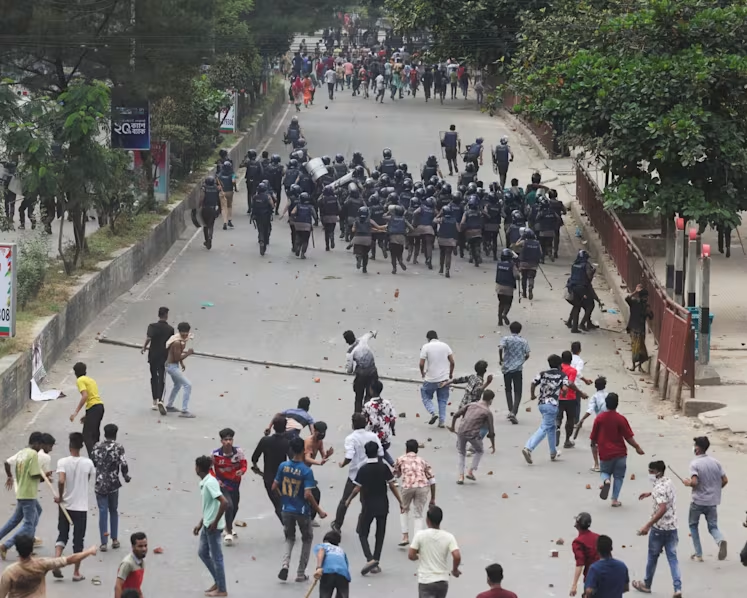
冲突继周日的抗议和工厂停工之后发生,工人继续要求提高工资并解决就业不满。
"Bangladesh has among the lowest garment wages in the world," said Babul Akhter, general secretary of the Bangladesh Garment and Industrial Workers Federation and a workers' representative on the wage board.
“孟加拉国的服装工资在世界上属于最低水平之一,”孟加拉国服装与产业工人联合会总书记、工资委员会工人代表巴布尔·阿赫特尔说。
"If factory owners cannot pay workers properly, they should negotiate better prices with international buyers.
“如果工厂主无法妥善支付工人工资,他们应该与国际买家谈判更好的价格。他们不能建立在低薪工人背上的生意。” 工厂遭破坏 工厂主称,该行业面临成本上升、与中东冲突挂钩的能源市场不确定性以及主要出口市场需求放缓的问题。
They cannot build a business on the backs of underpaid workers." FACTORIES VANDALISED Factory owners said the industry faces higher costs, energy market uncertainty linked to conflict in the Middle East and slowing demand in key export markets.
孟加拉国服装制造商与出口商协会主席马哈茂德·哈桑·汗表示,在动荡期间,约有20至25家工厂遭到破坏,一家皮革制品工厂的办公室也遭到袭击。
Mahmud Hasan Khan, president of the Bangladesh Garment Manufacturers and Exporters Association, said around 20 to 25 factories were vandalised during the unrest and the office of a leather goods factory was also attacked.
“如果这种情况持续下去,工厂被迫反复停工,我们将别无选择,只能援引‘不工作、不付薪’条款,”他说。
"If this continues and factories are repeatedly forced to shut, we will have no option but to invoke the 'no work, no pay' provision," he said.
内政部长萨拉胡丁·艾哈迈德警告将采取强硬行动:“那些打着劳工抗议旗号损害工人利益、企图破坏国家稳定的人将受到严厉打击,”他说。
Home Affairs Minister Salahuddin Ahmed warned of robust action: "Those acting against workers' interests under the guise of labour protests and attempting to destabilise the country will be dealt with firmly," he said.
达卡大学经济学教授塞利姆·拉伊汉表示,考虑到高通胀,工人的诉求是可以理解的,并称可能会进一步发生动荡。
Selim Raihan, an economics professor at the University of Dhaka, said that workers' demands were understandable given high inflation and said there could be further unrest.
然而,他表示,大幅提高工资可能会推高生产成本,压缩利润空间,并削弱孟加拉国的价格竞争力。
However, a substantial wage increase could raise production costs, squeeze profit margins and weaken Bangladesh's price competitiveness, he said.
“分阶段调整工资、提高生产率以及国际买家给出更公平的价格,对于平衡工人福利与产业可持续性至关重要,”他说。
"A phased wage adjustment, improved productivity and fairer pricing from international buyers are essential to balancing workers’ welfare with industrial sustainability," he said.