巴黎 - 联合国两份报告于11月2日警告称,全球变暖超过1.5摄氏度将对冰川、海冰和地球冰冻圈产生“不可逆转”的后果,呼吁采取紧急行动。
PARIS - Exceeding 1.5 deg C of global warming will have “irreversible” consequences for glaciers, sea ice and the Earth’s frozen regions, two UN reports warned on Nov 2, calling for urgent action.
具有里程碑意义的2015年巴黎协定承诺将全球变暖限制在远低于2摄氏度,并努力将其控制在1.5摄氏度,以试图避免气候变化的最严重影响。
The landmark 2015 Paris Agreement commits the world to limiting warming to well below 2 deg C and pursuing efforts to hold it at 1.5 deg C to try to avoid the worst effects of climate change.
其中一份报告称,超过1.5摄氏度目标“将带来大规模且在许多情况下不可逆转的影响”,影响冰冻圈——即地球各种形式的冰。
One of the reports said overshooting the 1.5 deg C target “will bring large-scale and in many cases irreversible impacts” for the cryosphere – Earth’s ice in all its forms.
冰川和海冰融化、永冻层解冻以及海平面上升加速,将产生广泛影响,从洪水到水资源短缺。气温上升的一些影响已经显现,例如瑞士冰川质量损失了20%。
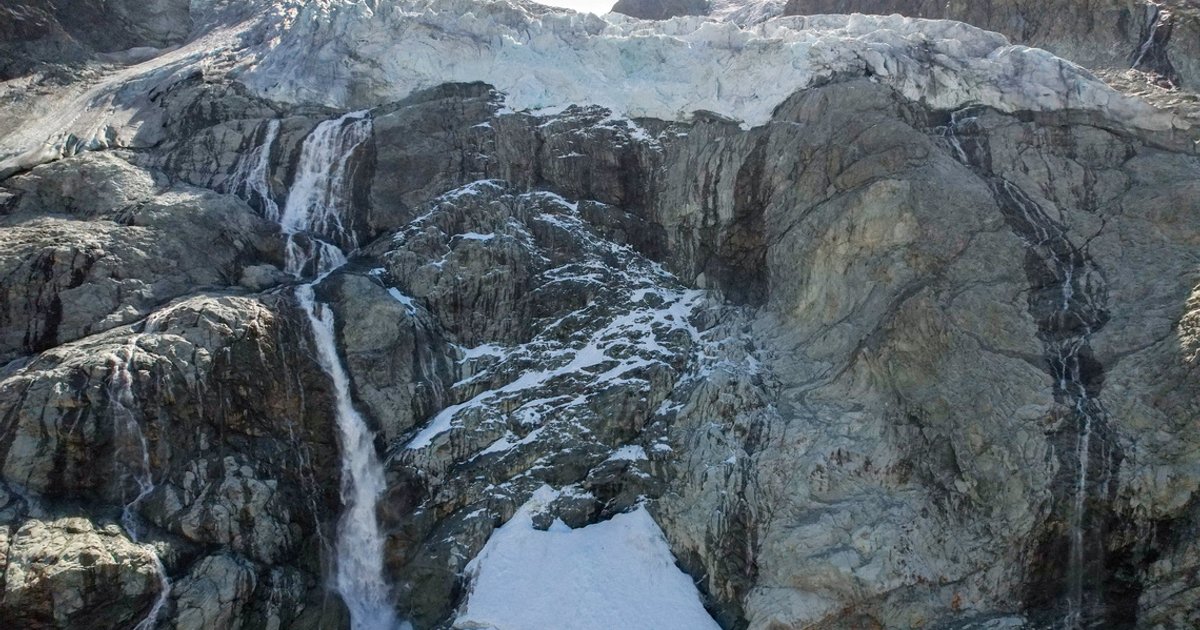
Melting of glaciers and sea ice, the thawing of permafrost and the accelerating rise in sea levels, will have widespread repercussions, from flooding to water shortages. Some of the effects of the rise in temperature are already visible, such as the 20% loss in glacial mass in Switzerland.
但联合国警告称,即使1.5摄氏度目标仍然相关,它对冰冻圈来说也已经过高,因为当前的变暖水平对北极、南极、山地冰川和极地海洋来说“已经不安全”。
But even if the 1.5 deg C target remains relevant, it is already too high for the cryosphere, as current levels of warming were “already unsafe” for the Arctic, Antarctic, mountain glaciers and polar oceans, the UN warned.
“尽管回到1.5摄氏度将减缓冰川流失,但地球冰层真正‘安全’的温度现在被认为在未来几个世纪将更接近1摄氏度甚至更低,”报告补充道。
“Although returning to 1.5 deg C will slow ice loss, a truly ‘safe’ temperature for Earth’s ice is now thought to be closer to 1 deg C or even below over the coming centuries,” it added.
全球变暖已经达到比工业化前水平高出1.37摄氏度,根据欧洲哥白尼网络的数据,1.5摄氏度阈值可能在2030年左右被超过。
Global warming has already reached 1.37 deg C above pre-industrial levels and according to the European Copernicus network, the 1.5 deg C threshold could be exceeded around 2030.
“超过1.5摄氏度没有好的结果,”一份名为《超限与冰冻圈》报告的主要作者、冰川学家詹姆斯·柯克汉姆说,该报告由80名科学家撰写。
“There are no good outcomes in exceeding 1.5 deg C,” said glaciologist James Kirkham, lead author of one of the reports, entitled “Overshoot and the Cryosphere”, which was written with 80 scientists.
“为了控制世界两极和山区冰川冰川流失造成的全球后果和损害,超限需要降到绝对最低,”他说。
“To contain the global fallout and damage from ice loss in the world’s polar and mountain regions, overshoot needs to be kept to the absolute minimum,” he said.
“每多出一分一度,每多出一年处于超限状态,就意味着更具毁灭性的影响。”紧迫性科学家尤其警告,跨越某些临界点的风险,并表示,即使气温重新降至1.5摄氏度以下,恢复也将非常缓慢。
“Every extra fraction of a degree and every year spent in overshoot means more devastating impacts.”Urgency Scientists warn in particular about the risks of crossing certain tipping points and say that, even if temperatures were to return to below the 1.5 deg C threshold, recovery would be very slow.
将升温降至1.5摄氏度甚至1摄氏度以下,可能会让一些冰川部分再生,海冰也可能受益。
Reducing warming to under 1.5 deg C and even 1 deg C could see some glaciers partially regenerate, while there could also be benefits for sea ice.
但澳大利亚新南威尔士大学的海洋学家兼气候学家马修·英格兰表示,恢复可能需要“数十年到数百年”。
But Matthew England, an oceanographer and climatologist at the University of New South Wales in Australia, said recovery could take “decades to centuries”.
第二份报告——《冰冻圈现状2026:超限的代价》显示,升温超过2.8摄氏度并持续到下个世纪,将产生重大后果。
The second report – State of the Cryosphere 2026. The Cost of Overshoot – shows that exceeding 2.8 deg C into the next century would have significant consequences.
到2150年,海平面每年可能上升多达五厘米,而目前的上升速度为每年0.45厘米;同时,永久冻土融化每年释放的二氧化碳可能多达美国一年的排放量,美国是世界第二大污染国。
Sea levels could rise by up to five centimetres a year by 2150, compared to the current 0.45 centimetres while the thawing of permafrost could release as much carbon dioxide each year as the United States, the world’s second-largest polluter.
一种最坏但并非不可能的情景是,即使各国履行其气候承诺,世界也可能在2100年前朝着升温2.6摄氏度的方向发展。
A worst-case but not-so-improbable scenario is that the world is heading towards warming of 2.6 deg C by 2100 even if countries meet their climate commitments.
“暂时超过1.5摄氏度并不意味着《巴黎协定》的目标无关紧要,反而使它们更加紧迫,”柯克汉姆认为。
“Temporarily exceeding 1.5 deg C does not mean that the goals of the Paris Agreement are irrelevant but instead makes them more urgent,” argued Kirkham.
“到2100年重新回到1.5摄氏度或以下仍然是可能的,前提是有足够的政治意愿和紧迫感,具体而言,就是加速从化石燃料使用转型,以在本世纪中叶实现净零排放,”他说。“这种紧急行动可以防止甚至扭转部分冰冻圈损失。”
“Returning to 1.5 deg C or below by 2100 remains possible with sufficient political ambition and urgency, specifically by speeding the transition away from fossil fuel use to reach net-zero by mid-century,” he said. “Such urgent action can prevent and even reverse some cryosphere loss.”
尼泊尔冰川研究员甘詹·西尔瓦尔表示,未来几年做出的决定“将锁定损失的规模”,他警告说,8月份造成超过1400人死亡、5000多人失踪的山体和冰川崩塌事件,“只是个前兆”。
Gunjan Silwal, a Nepali glacier researcher, said decisions made in the next few years “will lock in the scale of the damage”, warning that August’s mountain and glacier collapse that killed more than 1,400 and left over 5,000 missing, was “only a foretaste”.