观察人士警告,朝鲜正通过汲取俄乌战争的教训,迅速推进其无人机作战能力,而韩国为追赶进度所做的努力,却因采购延误和官僚繁文缛节而陷入停滞。
North Korea is rapidly advancing its drone warfare capabilities by drawing lessons from the Russia-Ukraine war, even as South Korea’s efforts to keep pace remain bogged down by procurement delays and bureaucratic red tape, observers warn.
他们同时警告,加密货币窃盗已成为平壤武器计划的关键资金来源,此前美国联邦调查局指控朝鲜国家支持的黑客从全球最大加密货币交易所币安窃取了超过60亿美元。
They also caution that cryptocurrency theft has become a crucial source of funding for Pyongyang’s weapons programmes, following US Federal Bureau of Investigation allegations that North Korean state-backed hackers stole more than US$6 billion from Binance, the world’s largest cryptocurrency exchange.
在此背景下,韩国国防部已将现有的无人机部队重组为新成立的“国防无人机司令部”。
Against this backdrop, South Korea’s Ministry of National Defence has reorganised its existing drone unit into the newly inaugurated Defence Drone Headquarters.
国防部周一在声明中表示:“国防无人机司令部将引领战斗能力提升,推动兵力结构和技术创新,以强化各军种的无人机与反无人机作战能力。”
“The Defence Drone Headquarters will spearhead the advancement of combat capabilities and drive innovation in force structure and technology to strengthen the drone and counter-drone operational capacities of each military branch,” the ministry said in a statement on Monday.
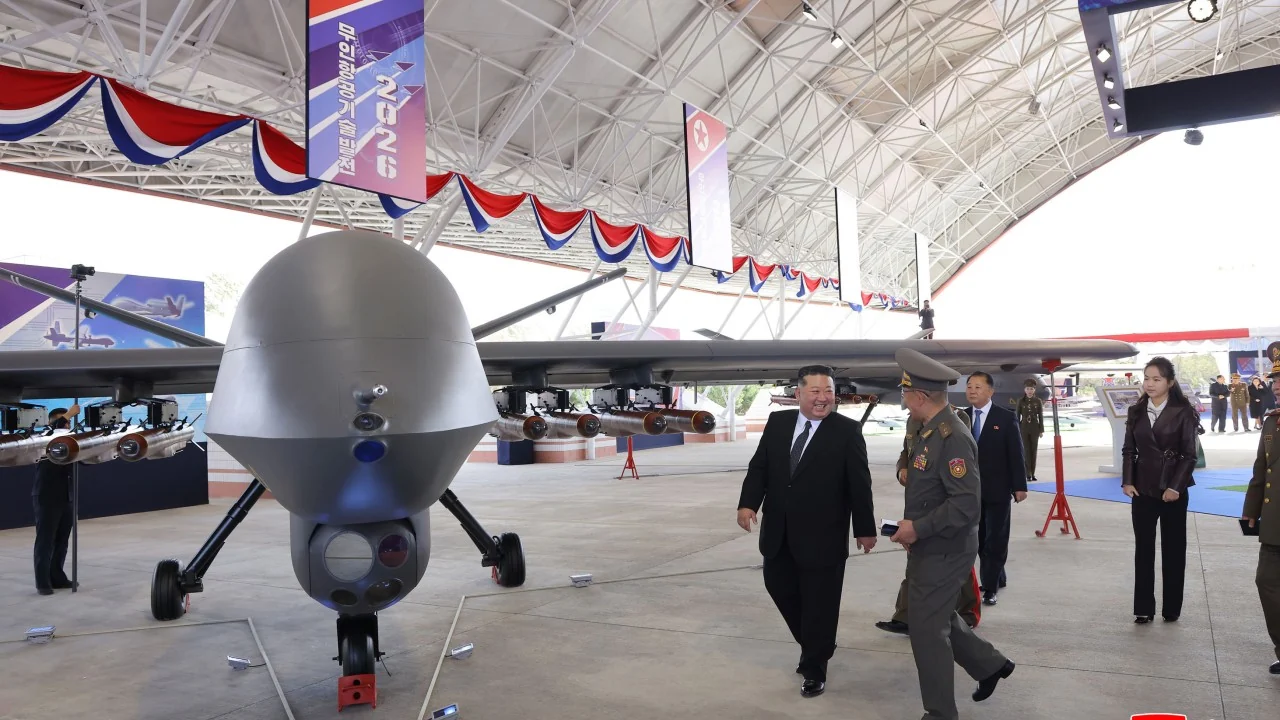
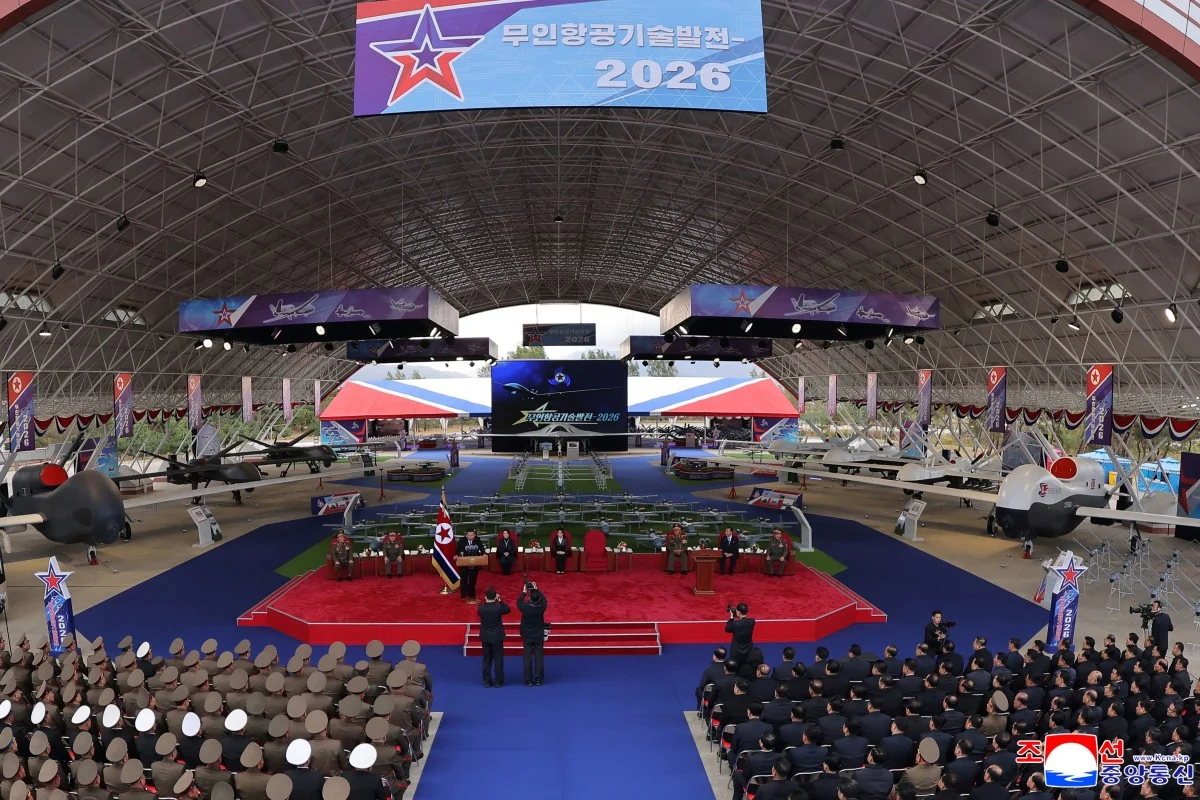
此举是在上周平壤举行的一场武器展览之后采取的,朝鲜在展览上展示了一系列无人作战系统,并进行了大规模火力展示。展品包括隐身无人机和廉价、消耗型游荡弹药。
The move follows a weapons exhibition in Pyongyang last week, where North Korea showcased an array of unmanned combat systems alongside a large-scale display of firepower. The exhibits included stealth drones and cheap, expendable loitering munitions.
监督展览的朝鲜领导人金正恩强调了平壤日益聚焦无人战争。他表示,在该领域实现“绝对优势”是“不可或缺的选择”。
North Korean leader Kim Jong-un, who oversaw the display, highlighted Pyongyang’s growing focus on unmanned warfare. He said that achieving “absolute superiority” in the sector was an “indispensable choice”.
庆南大学极东问题研究所研究委员都镇浩(音)表示:“朝鲜通过俄罗斯共享的信息和对战场上获取的无人机进行逆向工程,迅速推进了其技术。”
“North Korea has rapidly advanced its technology through information shared by Russia and by reverse-engineering drones acquired on the battlefield,” said Doo Jin-ho, a research fellow at Kyungnam University’s Institute for Far Eastern Studies.
都镇浩说:“通过乌克兰的战场经验,朝鲜得出结论,无人机是低成本战争的解决方案,因为导弹成本高昂,且难以获得零部件。”
“Through battlefield experience in Ukraine, the North has concluded that drones are the solution for a low-cost war, as missiles are costly and it is difficult to secure parts and components for them,” Doo said.
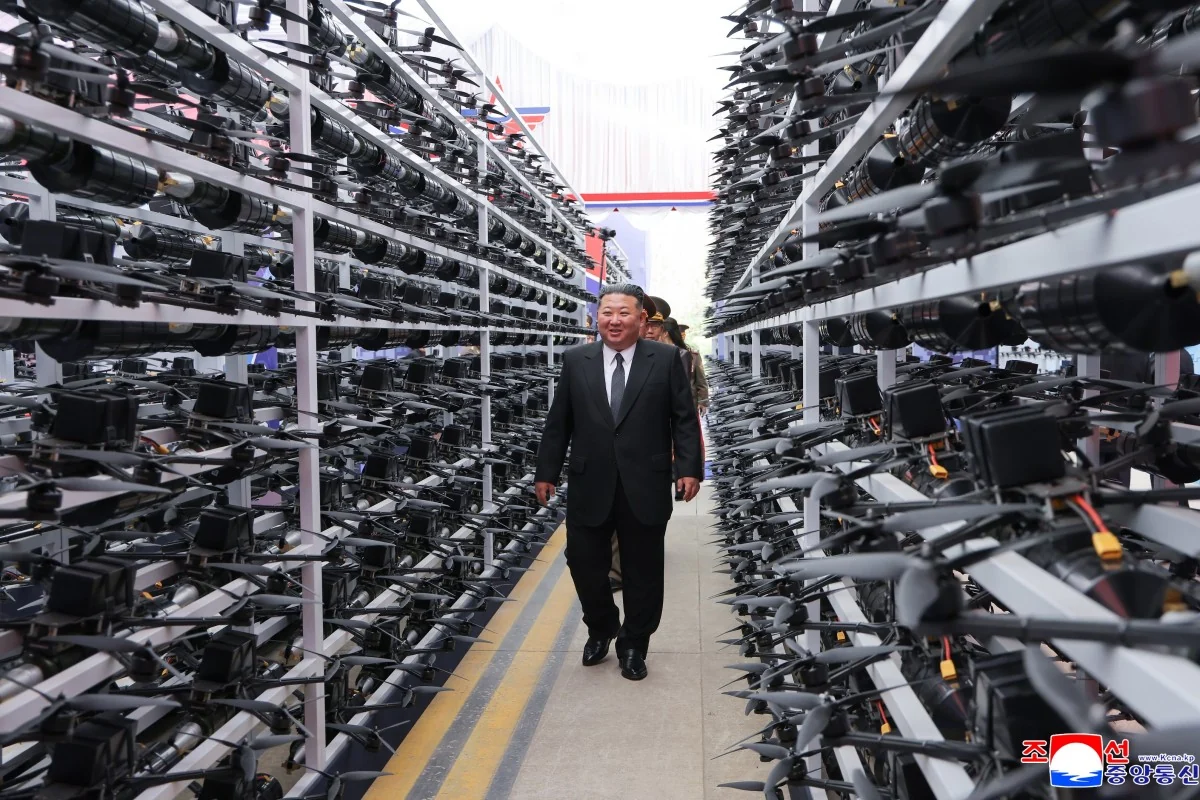
他补充说,成群的无人飞行器——可能配备人工智能——可能会压垮防空系统,包括美国提供的“萨德”(THAAD)和“爱国者”系统,以及韩国的“天弓”拦截弹。此次展览凸显了朝韩两国在采购敏捷性方面日益扩大的差距。
He added that swarms of unmanned vehicles – potentially equipped with AI – could overwhelm air defences, including US-supplied THAAD and Patriot systems as well as South Korea’s Cheongung interceptors. The exhibition highlighted a widening gap in procurement agility between the two Koreas.
最引人注目的装备是一款大型、蝠鲼造型的隐身战斗无人机,这是该型号首次公开亮相。
The asset that drew the most attention was a large, manta ray-shaped stealth combat drone displayed for the first time.
“进气道和主翼的设计似乎仿照了美国和俄罗斯的隐身无人机,”总部位于首尔的韩国国防安全论坛秘书长申钟佑(音)表示。
“The design of the air intakes and main wings appears to be modelled after stealth drones from the US and Russia,” said Shin Jong-woo, secretary general of the Seoul-based Korea Defence and Security Forum.
精确打击能力的技术进步同样显而易见。朝鲜展示了其“样星-9”(Morning Star-9)攻击无人机发射空对地战术巡航导弹。
Technological progress was also evident in precision-strike capabilities. Pyongyang displayed its Saetbyol-9 (“Morning Star-9”) attack drone launching an air-to-ground tactical cruise missile.
朝鲜还展示了低成本自杀式无人机和标准化四旋翼无人机的生产设施,显示了其大规模生产能力。
It also displayed production facilities for both low-cost suicide drones and standardised quadcopters, showing its capacity for mass production.
展览伴随一场实弹演示,演示装备为可携带核弹头的600毫米超大型多管火箭炮系统。模拟打击针对韩国关键军事资产的模型,包括前线警备哨所和K9自行火炮。
The exhibition was accompanied by a live-fire demonstration featuring 600mm super-large multiple-launch rocket systems capable of carrying nuclear warheads. Simulated strike runs targeted mock-ups of key South Korean military assets, including frontline guard posts and K9 self-propelled howitzers.
防务专家警告称,首尔必须彻底改革武器采购体系,并重新思考反无人机战略,以应对朝鲜向大规模、低成本消耗战转型的挑战。
Defence experts warned that Seoul must overhaul its weapons acquisition system and rethink its counter-drone strategies to withstand Pyongyang’s shift towards high-volume, low-cost attrition warfare.
分析人士指出,朝鲜的指令性经济使其能够快速开发和迭代原型机,而韩国复杂的采购程序和技术规格阻碍了国内产业的应用。
While North Korea’s command economy allowed it to develop and iterate prototypes quickly, South Korea’s complicated acquisition procedures and technical specifications have hindered domestic industry adoption, analysts said.
“即使我们无法验证其性能,朝鲜大规模生产无人机也令韩国感到担忧,”申钟佑说。
“Even though we cannot verify their performance, North Korea’s mass production of drones is worrisome for South Korea,” Shin said.
申钟佑指出,韩国军队甚至在部署小型第一人称视角(FPV)无人机方面也落后了,这种无人机能将实时目标画面传输到操作员的头盔显示器上。
South Korea’s military lagged behind even in deploying small first-person-view (FPV) drones, which streamed real-time targeting feeds to an operator’s headset, Shin noted.
“在第一人称视角系统方面,韩国军方仍停留在商业可用训练无人机的水平,”申说。“最大障碍是武器服役的冗长流程以及国内无人机生态系统的薄弱。”与此同时,韩国正在研发的自杀式无人机——高度依赖昂贵的卫星数据链路和高端传感器——单机成本高达数亿韩元,这与现代战争中廉价、群体消耗的经济学背道而驰。
“South Korea’s military is still operating at the level of commercially available training drones when it comes to FPV systems,” Shin said. “The biggest obstacles are the lengthy process of bringing weapons into service and the poor state of the domestic drone ecosystem.”Meanwhile, suicide drones under development in the South – which rely heavily on costly satellite data links and high-end sensors – cost hundreds of millions of won per unit, running counter to the cheap, mass-attrition economics governing modern warfare.
韩国统一研究院高级研究员洪敏表示,朝鲜的无人机似乎吸取了俄罗斯在库尔斯克地区作战的技术教训。
Hong Min, a senior research fellow at the Korea Institute for National Unification, said Pyongyang’s drones appeared to incorporate technical lessons from Russian operations in the Kursk region.
“它们对韩国军方构成威胁,而韩国军方的反无人机系统主要围绕干扰手段构建,”洪说。
“They pose a threat to the South Korean military, which has built its counter-drone systems primarily around jamming,” Hong said.
专家们已敦促首尔加快国内低成本自杀式无人机的批量生产,同时加速推进计划中的低空导弹防御系统的研发。一位不愿透露姓名的韩国国防部官员承认了这些瓶颈。
Experts have urged Seoul to fast-track domestic mass production of low-cost suicide drones while accelerating the development of its planned low-altitude missile defence system. A South Korean defence ministry official acknowledged the bottlenecks, speaking on condition of anonymity.
“我们认识到引入无人机和人工智能等先进能力的延迟是一个严重问题,”该官员说。“在遵循国防采购项目相关法律程序的过程中出现了延误。我们计划加快立法并采用民用技术。”
“We recognise that delays in introducing advanced capabilities such as drones and artificial intelligence are a serious problem,” the official said. “Delays have occurred in the process of complying with procedures under laws concerning defence acquisition programmes. We intend to accelerate legislation and the adoption of civilian technologies.”
周六,联邦调查局确认,导致币安被侵入的北韩网络行动代号为“TraderTraitor”,该组织此前与北韩黑客实施的加密货币盗窃有关。
On Saturday, the FBI identified the North Korean cyber operation behind the Binance breach as “TraderTraitor,” a group previously associated with cryptocurrency theft carried out by North Korean hackers.
该机构称,该组织迅速将被盗的加密货币兑换成以太坊,然后通过去中心化金融平台和混币服务转移资金,以掩盖交易轨迹。
The agency said the group quickly swapped the stolen cryptocurrency into Ethereum before routing funds through decentralised finance platforms and mixing services to obscure the transaction trail.
申东赫表示:“被盗加密货币是朝鲜为武器研发提供资金的关键来源。它需要美元来购买电池、电机等部件,这些部件也可用于商业用途,用来制造无人机。”联邦调查局的声明与区块链情报公司TRM Labs发布的调查结果一致。该公司追踪到,在大约20分钟内,约63.6亿美元从币安钱包中被盗走,涉及10条不同的区块链。
“Stolen cryptocurrency is a crucial source for bankrolling weapons development for North Korea,” Shin said. “It needs dollars to buy parts and components such as batteries and motors that are also used for commercial purposes to build drones.”The FBI’s announcement aligns with findings published by blockchain intelligence firm TRM Labs, which tracked an estimated US$6.36 billion taken from Binance wallets across 10 separate blockchains in roughly 20 minutes.
不过,主要稳定币发行方和区块链网络迅速冻结了约30亿美元被盗资金。
Major stablecoin issuers and blockchain networks, however, quickly froze roughly US$3 billion of the stolen funds.
根据TRM Labs的数据,2026年,朝鲜支持的黑客窃取了全球所有被盗加密货币的85%,这一比例前所未有,而2020年仅为7%。该公司指出,在平壤迄今估计窃取的128亿美元中,币安、Bybit、Ronin、Bitget和DMM Bitcoin这五起重大基础设施入侵事件占了91亿美元。
According to TRM Labs data, North Korea-backed hackers have accounted for an unprecedented 85 per cent of all stolen cryptocurrency worldwide in 2026, up from just 7 per cent in 2020. The firm noted that five major infrastructure breaches – Binance, Bybit, Ronin, Bitget and DMM Bitcoin – accounted for US$9.1 billion of the estimated US$12.8 billion stolen by Pyongyang to date.
庆南大学远东问题研究所教授林乙出表示,加密货币盗窃是一种“国家战略资产”,为武器研发提供资金,并维持该政权。
Lim Eul-chul, a professor at Kyungnam University’s Institute for Far Eastern Studies, said cryptocurrency theft was a “national strategic asset” that financed the advancement of weapons and sustained the regime.
“领导层坚持这样一种信念:只有压倒性的实体力量——核武器和先进武器、黑客能力——才能保护政权。”
“The leadership sticks to the belief that only overwhelming physical strength – nuclear and advanced weapons, hacking capabilities – can protect the regime.”