每天早上,像许多其他美国人一样,我吻别儿子和丈夫,然后出门上班。但与许多美国人不同的是,这一平常的日常生活依赖于合理便利。我能否从事法律工作,取决于律师资格考试是否以盲人申请人可用的形式呈现给我。没有合理便利,我就不会有上诉律师的工作。我不会在美国最高法院担任书记员,甚至可能无法组建家庭。
Every morning, like so many other Americans, I kiss my son and husband goodbye and leave for work. But unlike many Americans, that ordinary routine depends on accommodations. My ability to practice law was contingent on the bar exam being presented to me in a format a blind applicant could use. Without accommodations, I would not have my job as an appellate lawyer. I would not have clerked at the U.S. Supreme Court and might not even be raising a family.
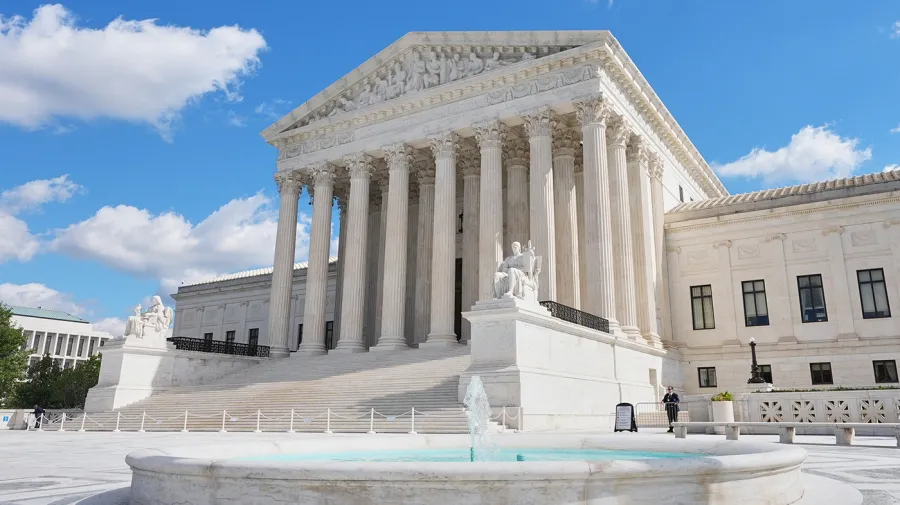
让我能够充分追求教育、参与公民生活的合理便利,起了决定性的作用。最高法院现在面临一个类似的问题,将于今天上午审理圣玛丽天主教堂诉罗伊案。该案由我的律师事务所——贝克特宗教自由基金会提起,核心在于科罗拉多州是否可以合法地将天主教学前教育项目排除在一项学费援助计划之外,该计划每年为学龄前儿童提供约6300美元的资助。
The accommodations that have allowed me to fully pursue my education and to participate in civic life have made all the difference. The Supreme Court is now facing a similar issue in a case that will be argued this morning, St. Mary Catholic Parish v. Roy. The case, brought by my law firm, the Becket Fund for Religious Liberty, is about whether Colorado may legally exclude Catholic preschools from a tuition assistance program worth around $6,300 per year for children in pre-K.
虽然该案关乎宗教自由保护,但它与残疾合理便利法律存在关联。科罗拉多州允许学校参加其学前教育资助计划,前提是它们优先考虑并为有特定残疾(如失明或失聪)的儿童提供便利。但同样优先考虑并为持有特定宗教信仰的儿童(如天主教或福音派学前教育项目的儿童)提供便利的学校,却被排除在外。科罗拉多州称,残疾值得特别关照,但宗教信仰则遭到彻底拒绝。
Although the case is about religious-freedom protections, there is a connection to the law of disability accommodations. Colorado allows schools to participate in its preschool funding program if they prioritize and accommodate children with particular disabilities (like blindness or deafness). But schools that similarly prioritize and accommodate children with certain religious beliefs — like Catholic or Evangelical preschools — are excluded. Disability, Colorado says, merits special solicitude, but religious beliefs merit a flat denial. Disability, Colorado says, merits special solicitude, but religious beliefs merit a flat denial.
政府在身体的局限与灵魂的界限之间划了一条人为的界线。作为一名盲人天主教徒,我的良知界限正如我的视力局限一样不可改变。我无法劝说当事人结束人的生命,正如我无法阅读印刷页面一样。
The government draws an artificial line between the limits of the body and the limits of the soul. As a blind Catholic, the boundaries of my conscience are just as unchangeable as the limitations of my vision. I am just as incapable of counseling a client to end a human life as I am of reading a printed page.
美国人早已认识到,社会理应在残疾人和有宗教信仰者所处的位置上与他们相遇。《独立宣言》承诺美国人享有“平等地位”,因为“大自然的法则和大自然的上帝的法则”赋予他们这些权利。人人生而平等,即使我们在实践中并不总是能最好地体现这一原则。正如杰出法学学者迈克尔·麦康奈尔所解释的,有时需要提供便利以确保所有人得到公平对待。
Americans have long recognized that society ought to meet both those with disabilities and those with religious beliefs where they are. The Declaration of Independence promised Americans an “equal station” because “the Laws of Nature and of Nature’s God entitle them” to those rights. All men and women are created equal, even if we don’t always do the best job recognizing that principle in practice. As preeminent legal scholar Michael McConnell has explained, accommodations are sometimes required to ensure that all are treated fairly.
这是残疾与宗教拥有共同原则的一个领域。残疾便利的例子包括坡道、闭路字幕和盲文标识。类似的宗教便利例子可能包括:为恪守教规的犹太裔军人提供洁食,不安排基督复临安息日会教徒在他们的安息日(周六)工作,或允许穆斯林或锡克教徒消防员留胡须。战时,包括美国独立战争期间,贵格会教徒和其他和平主义者被允许以替代方式为国家服务,而非持枪作战。
This is one area where disability and religion have principles in common. Examples of disability accommodations include ramps, closed-captioning, and Braille signage. Examples of similar religious accommodations might include providing kosher food for observant Jewish servicemembers, not scheduling Seventh-day Adventists to work on their Saturday Sabbath, or allowing Muslim or Sikh firefighters to wear beards. During wartime, including during the American Revolution itself, Quakers and other pacifists were allowed to serve their country in alternative ways instead of bearing arms.
禁酒令时期,曾为圣餐酒设立豁免。这些便利并非纵容,也非恩惠。它们是我们一贯所为,旨在确保我们作为一个国家尊重每个人的人性尊严。我们认识到施加在同胞身上的限制,并共同努力减轻、克服或适应这些限制——即使这让我们付出某种代价。在圣玛丽案中,科罗拉多州想给予部分科罗拉多人尊严,却拒绝给予其他人。
During Prohibition, there was an exception for sacramental wine. These accommodations are not indulgences. They are not favors. They are something we have always done to ensure that we as a nation honor everyone’s human dignity. We recognize the constraints imposed on our fellow Americans and work together to ameliorate, overcome, or accommodate them — even when it costs us something in the process. In St. Mary, Colorado wants to give dignity to some Coloradans but not others.
尽管该州理应支持为聋哑或盲童提供便利,却拒绝为那些因天主教信仰而将学前教育选择局限于致力于维护其价值观的机构的儿童和家庭提供便利。
Although the state rightfully supports accommodations for deaf or blind children, it refuses to do so for children and families whose Catholic faith limits their preschool options to institutions committed to honoring their values.
事实上,州政府拒绝这样做,甚至一边承认天主教幼儿园正在关闭——从而剥夺了许多天主教家庭的幼儿园选择——一边仍拒绝这样做。但人的尊严不是科罗拉多州可以赐予它喜欢的人、剥夺它不喜欢的人的恩惠。相反,尊严是作为社会完整成员的根本所在。宗教便利,如同残障便利一样,是权利,不是恩惠。这意味着科罗拉多州必须承认并尊重其所有公民的人的尊严,包括那些其宗教信仰被该州拒绝的人。劳拉·沃尔克·斯拉维斯是贝克特宗教自由基金的律师。
In fact, the state refuses to do so, even while acknowledging that Catholic preschools are shutting down — thus eliminating preschool options for many Catholic families. But human dignity is not a favor that Colorado may bestow on those it likes and deny to those it does not. Rather, it is fundamental to what it means to be a full member of society. Religious accommodations, like disability accommodations, are rights, not favors. That means Colorado has to recognize and honor the human dignity of all its citizens, including those whose religious beliefs it rejects. Laura Wolk Slavis is counsel at the Becket Fund for Religious Liberty.