
为建设人工智能基础设施而出现的史无前例的投资热潮,如果所有现有计划都得以实施,预计将达到10万亿美元以上。资金来源多样,包括企业现金流、公开股权和债务发行、私募债务发行、表外租赁义务,以及所谓的超大规模云服务商和领先芯片供应商英伟达公司对AI数据中心开发商的担保。有几个理由令人担忧。
The unprecedented investment boom to build out the infrastructure for artificial intelligence is projected to reach more than $10 trillion, if all current plans are realized. The money is coming from many sources, including corporate cash flows, public equity and debt issuance, private debt issuance, off-balance sheet lease obligations and guarantees to AI data center developers from so-called hyperscalers and the leading chip provider, Nividia Corp. There are several reasons for concern.
首先,竞赛的性质很可能导致过度投资,因为这主要是一场赢家通吃式的竞争。参赛者更多——至少有七八家怀揣AI超大规模云服务商雄心的公司——都在试图率先冲过终点线。但最终成功的公司数量很可能不超过两三家,因为范围经济、规模经济和网络效应将导致AI算力及其他AI服务的供给高度集中。云IT服务供给的高度市场集中度,似乎很可能在AI供给领域重演。
First, the nature of the race is likely to lead to overinvestment because it’s mostly a winner-take-all type of contest. There are more race participants — at least seven or eight companies with AI hyperscaler aspirations -- who are all trying to get to the finish line first. But the number of companies that will succeed will likely be no more than two or three as economies of scope and scale and network effects lead to a high degree of concentration in the provision of AI compute and other AI services. The high degree of market concentration in the provision of Cloud IT services seems likely to be replicated in provision of AI.
其次,尚不清楚该行业能否产生足够的收入,以获得足以证明并维持其投资合理性的资本回报率。考虑到AI数据中心的快速折旧率,要获得足够的投资回报,每年可能需要3万亿美元或更多的收入。
Second, it is unclear whether the industry will be able to generate sufficient revenue to generate an adequate return on capital to justify and sustain its investment. Given the rapid depreciation rate of AI data centers, it would likely require $3 trillion or more of revenue each year to generate an adequate return on that investment.
如果未来可能出现崩盘,我们还应担心,当前的繁荣可能正在为未来的金融危机埋下伏笔。至少,繁荣的结束将导致股市急剧回调。但更大的疑问将涉及对AI放贷者的后果。毕竟,近20年前的全球金融危机,正是由房地产抵押品价值下跌及其所支撑的放贷业务萎缩引发的。
If a bust might lie ahead, we should also worry that the current boom may be sowing the seeds for a future financial crisis. At a minimum, the end of the boom would lead to a sharp retrenchment in the equity market. But the bigger question would concern the consequences for the AI lenders. After all, it was decline in the value of housing collateral and the lending that collateral supported that resulted in the Great Financial Crisis almost 20 years ago.
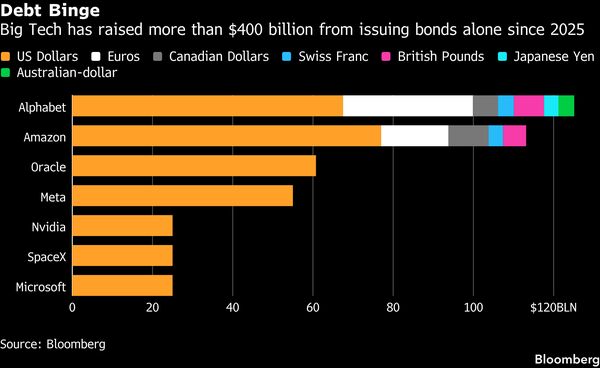
再次发生全球金融危机(GFC)的风险似乎较低,主要有三个原因。
The risk of another GFC seems low for three reasons.
首先,对人工智能(AI)泡沫破裂的担忧普遍存在。相比之下,在全球金融危机的早期阶段,投资者处于否认状态。次级抵押贷款被视为风险不大,AAA级抵押债务凭证(CDO)被判定为安全,投资者从美国房价自大萧条以来从未在全国范围内下跌这一事实中获得安慰。
First, concerns about an AI bust are prevalent. In contrast, during the early stages of the GFC, investors were in denial. Subprime mortgage lending was viewed as not very risky, AAA-rated collateralized debt obligations, or CDOs, were judged as safe, and investors took comfort in the fact that US housing prices had never declined on a national basis since the Great Depression.
其次,AI投资热潮的融资似乎更加稳健。在全球金融危机期间,一个重要的助燃因素是,长期非流动性资产(如复杂的CDO)往往由短期负债提供融资。当次级抵押贷款逾期和违约增加,给房价带来下行压力时,CDO的价值受到质疑。结果,借款人无法展期其短期融资。这导致资产被抛售,推动这些资产的价值远低于其内在价值。这反过来又引发更大压力、更多违约,并进一步导致资产以抛售价格变现。
Second, the financing of the AI investment boom seems more robust. In the GFC, one important accelerant was the fact that long-term illiquid assets such as complex CDOs were often financed by short-term liabilities. When subprime mortgage delinquencies and defaults rose, putting downward pressure on housing prices, the value of the CDOs was called into question. As a consequence, the borrowers were not able to roll over their short-term funding. The result was a fire-sale of assets that pushed the values of those assets far below their inherent value. This, in turn, caused more stress, more failures and further asset liquidations at fire-sale prices.
相比之下,AI热潮的大部分资金期限较长,与所融资的资产匹配度更高。保险公司和其他长期机构投资者拥有更强的持有能力。此外,即使在投资者拥有赎回选择权的情况下,私募股权公司通常有权限制赎回。因此,资产抛售的可能性似乎小得多。
In contrast, most of the funding for the AI boom has a longer tenure that is better matched to the assets being financed. Insurance companies and other long-term institutional investors have greater staying power. Moreover, even in those cases in which investors have an option of taking their money out, private equity companies typically have the right to limit withdrawals. As a result, a fire-sale of assets seems much less likely.
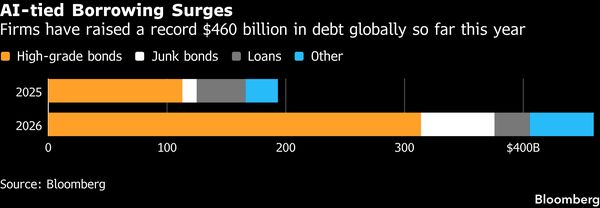
话虽如此,AI 热潮仍存在令人担忧的特征。特别是,难以评估交易对手风险敞口,以及如果投资回报前景或融资环境恶化,这些风险敞口可能会如何变化。而且融资条款往往复杂且不透明。大量融资活动通过租赁结构执行,在数据中心基础设施建成前,这些融资不在资产负债表上。此外,融资有时存在“反向”风险。例如,如果英伟达对未来芯片价值的担保被触发,那将发生在其利润率因芯片价格下跌而暴跌的同时。
That said, there are characteristics of the AI boom that are concerning. In particular, it is not easy to assess counterparty exposures and how those exposures might change if the outlook for investment returns or the financing environment were to worsen. And financing terms are often complex and opaque. Much of the financing activity is being executed through leasing structures, which stay off the balance sheet until the data center infrastructure is completed. Also, the financing, at times, has “wrong way” risk. For example, if Nividia guarantees of future chip values were triggered, it would be happening at the same time its margins would be crashing because of lower chip prices.
那么可以做些什么?首先,应赋予证券监管机构明确的金融稳定职责。由于这类活动多发生在非银行金融领域,重要的是要有一个监管机构承担责任,并致力于识别新出现的风险。
So what can be done? First, securities regulators should be given an explicit financial stability mandate. Since much of this activity is taking place in the non-bank financial sector, it is important that there is a regulatory body that takes responsibility and works to identify the emerging risks.
其次,银行和证券监管机构应采取措施提高透明度。谁欠谁多少钱,在什么条件和或有条件下?让金融中介机构和投资者了解交易对手风险,有助于做出更好的决策,并在事态过度扩张前及时调整方向。第三,应审查会计准则,以确保其公允反映风险敞口和风险。
Second, banking and securities regulators should take steps to increase transparency. Who owes what to whom and under what conditions and contingencies? Enabling financial intermediaries and investors to understand counterparty risk fosters better decision-making and earlier mid-course adjustments before things get too stretched. Third, there should be a review of accounting practices to ensure that they fairly represent the exposure and risks.
核心受监管银行体系拥有关于资产负债构成的高质量信息,以及强制性的资本和流动性缓冲。在非银行私人信贷领域,情况则不透明得多,资本和流动性需求由个别公司自行决定。要求更充分披露实际和或有负债的规则,将帮助投资者做出更明智的决策,从而约束过度冒险。
The core regulated banking system contains high-quality information about the composition of assets and liabilities, as well as mandated capital and liquidity buffers. In the non-bank private credit sector, matters are much more opaque, and capital and liquidity needs are left to the decision of individual firms. Rules that required a fuller disclosure of actual and contingent liabilities would help investors make more informed decisions, which would constrain undue risk-taking.
未雨绸缪。鉴于人工智能热潮的巨大规模,投资者需要更好的信息,以便妥善评估并为风险定价。
Forewarned is forearmed. Given the magnitude of the AI boom, investors need better information to properly assess and price for risk.