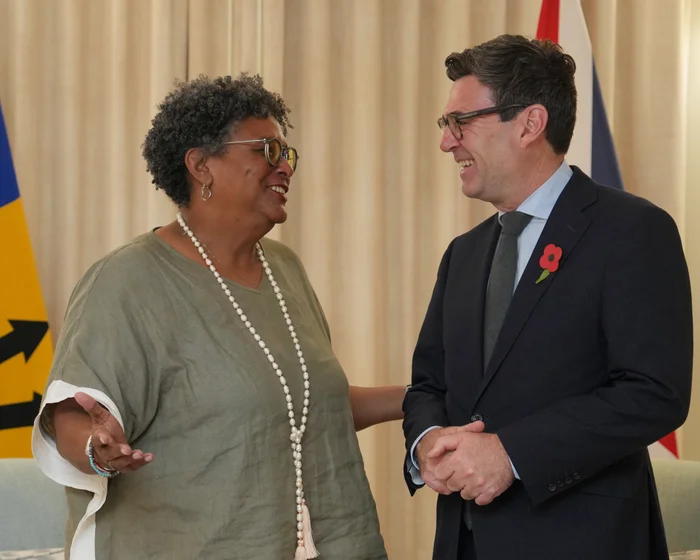
安迪·伯纳姆承诺与加勒比国家政府进行结构化对话,这是向前迈出的一步,但它们需要的不仅仅是言辞。
Andy Burnham’s commitment to a structured dialogue with Caribbean governments is a step forward, but they need more than words There was a risk, in the run-up to the Commonwealth heads of government meeting (Chogm) this week, that important discussions could be derailed by the UK government’s refusal to apologise for slavery and the slave trade, combined with its continuing rejection of calls for financial reparations.
在本周英联邦政府首脑会议(Chogm)召开前夕,英国政府拒绝为奴隶制和奴隶贸易道歉,并继续拒绝财政赔偿的呼吁,这曾有可能使重要讨论偏离轨道。对于推动这些步骤的加勒比国家政府和活动人士而言,此次两年一度的聚会在安提瓜和巴布达举行,提供了一个至关重要的机会,以推进他们的主张并提高对其面临挑战的认识。
For the Caribbean governments and campaigners pushing for these steps, the siting of the biennial gathering in Antigua and Barbuda offered a vital opportunity to press their case and raise awareness of the challenges that they face.
当安迪·伯纳姆周末在《卫报》撰文,表达对“数百万人的痛苦与苦难”的“悲伤与遗憾”,并承诺倾听要求正式道歉的呼声,将其作为结构化对话的一部分时,这一僵局被打破。尽管他重申英国政府不会提供财政赔偿的立场,但也表示愿意讨论援助、投资和债务重组。查尔斯国王周二在Chogm致辞时并未道歉,但一个非常必要的和解与补救进程终于开始了。
That deadlock was broken when Andy Burnham wrote in the Guardian at the weekend of his “sorrow and regret for the pain and suffering of so many millions of people”, and pledged to listen to calls for a formal apology as part of a structured dialogue. While he reiterated the UK government’s position that financial reparations will not be offered, he also indicated a willingness to discuss aid, investment and the restructuring of debt. King Charles did not say sorry when he addressed Chogm on Tuesday, but a very necessary process of reconciliation and redress has at last begun.