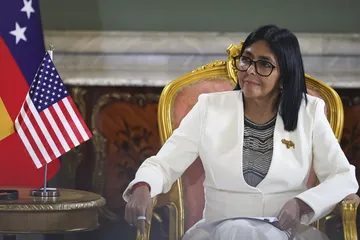
委内瑞拉议员在周二投票后对长期被用于监禁异见人士的争议法律进行改革的首要一步,临时政府进一步削弱了前被罢免领导人尼古拉斯·马杜罗时期实施的镇压工具。
Venezuelan lawmakers took the first step toward reforming a controversial law long used to jail dissidents as the interim government further unwinds some of the tools of repression imposed under ousted leader Nicolás Maduro.
全国议会在周二投票中对所谓的反仇恨法进行了初步批准,该法被政府用于将数千人以仇恨言论罪名监禁。该改革将取消监禁刑,改为罚款和社区服务,建立更清晰的定义和行政程序,并结束撤销媒体执照的做法,委内瑞拉全国议会第一副议长佩德罗·因特在汇报该法案时表示。
In a vote Tuesday, the National Assembly gave preliminary approval to the reform of the so-called Anti-Hate Law, which the government has used to lock up thousands of people on charges of hate speech. The overhaul would eliminate prison sentences in favor of fines and community service, establish clearer definitions and administrative procedures and put an end to the revocation of media licenses, said Pedro Infante, the National Assembly’s first vice president, while presenting the bill.
这些变化是马杜罗于去年1月初被美国部队捕获后,由代理总统德利西·罗德里格斯进一步推动政治自由化的最新标志。随着其政府加强与华盛顿的合作,该政府已释放数百名政治犯,放宽独立媒体的限制,并允许部分被驱逐出境的政治人物和活动人士回国。
The changes are the latest sign of political liberalization under acting President Delcy Rodríguez following Maduro’s capture by US forces in early January. As her government deepens cooperation with Washington, it has released hundreds of political prisoners, loosened restrictions on independent media and allowed some exiled politicians and activists to return.
反对派领袖玛丽亚·科里纳·马乔于10月下旬回到委内瑞拉,此前她多次尝试均未成功。与此同时,政府与反对派代表正在推进美国支持的政治改革谈判,并商讨未来选举。
Opposition leader María Corina Machado returned to Venezuela in late October after repeated unsuccessful attempts, while government and opposition representatives are pursuing US-backed talks on political reforms and an eventual election.
不过,据人权组织“福尔佩尔”(Foro Penal)统计,截至10月26日,委内瑞拉仍有322名政治犯在押,其中包括140名军人。
Still, there were 322 political prisoners in Venezuela as of Oct. 26, including 140 members of the military, according to human rights group Foro Penal.
该改革 — — 改名为《民主共存、和平与容忍法》 — — 未达到委内瑞拉主要反对派和人权组织所要求的完全废除,这些组织长期认为该法是压制异见的工具。统一平台在9月下旬表示,该立法“必须废除,而非改革”,此前罗德里格斯承认该法被“误用”且“被滥用”。几个反对派集团在周二的首次投票中拒绝支持该改革,转而呼吁废除该法。“仅仅提出将监禁改为罚款是不够的”,反对派议员阿梅利亚·贝尔蒂萨罗在辩论中表示。
The reform — renamed the Law for Democratic Coexistence, Peace and Tolerance — stops short of the full repeal demanded by Venezuela’s main opposition bloc and rights groups, which have long described the law as a tool for suppressing dissent. The Unitary Platform said in late September that the legislation “must be repealed, not reformed,” after Rodríguez acknowledged it had been “misapplied” and “used abusively.”Several opposition groups withheld their support for the reform in Tuesday’s first vote and called instead for the law to be repealed. “It is not enough to propose replacing prison sentences with fines,” opposition lawmaker Amelia Belisario said during the debate.
该法案将进入公众咨询阶段,随后回到国会进行第二轮逐条辩论及最终表决。
The bill will now undergo public consultation before returning to the National Assembly for a second, article-by-article debate and a final vote.
该初步批准紧随第三轮由美国支持的政府与反对派代表举行的谈判,期间《反仇恨法》等议题被讨论。反对派代表团成员马卡里奥·冈萨雷斯在10月16日的一次访谈中表示,预计未来几天谈判将取得“非常积极”的成果。
The preliminary approval follows a third round of US-backed talks between the government and opposition representatives, during which the Anti-Hate Law was among the issues discussed. Macario González, a member of the opposition delegation, said in an Oct. 16 interview that the talks were expected to yield “very positive” results in the coming days.
马杜罗在2017年数月的致政府暴力示威后提出了原始法案,称其是为了对抗由反对派煽动的仇恨以及试图动摇其政府的媒体。罗德里格斯当时担任制宪大会主席,并在该法案通过时大力支持该立法。
Maduro proposed the original law after months of deadly anti-government protests in 2017, saying it was needed to counter opposition-fueled hatred and media outlets seeking to undermine his government. Rodríguez, who then headed a Constituent Assembly that enacted the law, championed the legislation at the time.