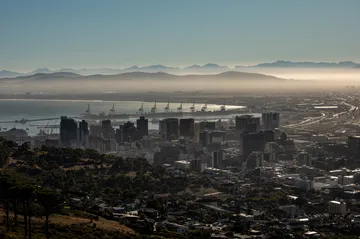
世界银行在撒哈拉以南非洲各地投资了城市基础设施,希望该地区的城市发行更多自有债务,为修建道路、供水和电力网络融资,以跟上快速增长的人口步伐。
The World Bank, which has invested in urban infrastructure across sub-Saharan Africa, wants the region’s cities to issue more of their own debt to finance the road, water and electricity networks they need to build to keep pace with fast-growing populations.
这家贷款机构上周发布了一份关于非洲城市规划需求的研究,准备提供政策建议,并直接向政府和市政当局放贷,但应对挑战的规模将需要大量私营部门投资。
While the lender, which last week issued a study on the need for urban planning in Africa, is ready to provide policy advice and to lend directly to governments and municipalities, the scale of the challenge will need significant private-sector investment.
世界银行首席知识官帕斯卡尔·多诺霍在接受采访时表示:“我们认识到,这需要成为我们未来投资计划中更重要的一部分。”他说,撒哈拉以南非洲的城市需要强有力的领导和征税能力,这将使它们能够发行自有债务。
“We are recognizing it needs to be a bigger part of our investment plans in times ahead,” said the World Bank’s chief knowledge officer, Paschal Donohoe said in an interview. Sub-Saharan African cities need strong leadership and the ability to raise taxes, which would enable them to issue their own debt, he said.
迄今为止,撒哈拉以南非洲鲜有城市成功发行债务,不过在南非,开普敦、德班、比勒陀利亚和约翰内斯堡等市政当局已发行过债券。约翰内斯堡今年早些时候偿还了一笔债券,并表示计划发行新债。
Across sub-Saharan Africa there has been little successful debt issuance by cities to date, although in South Africa, the Cape Town, Durban, Pretoria and Johannesburg municipalities have sold bonds. Johannesburg earlier this year paid off a bond and said it’s planning to issue new debt.
随着非洲城市地区以可比拟20世纪80年代东亚的速度扩张,全球最大的多边开发银行正推动帮助非洲城市为更多自身发展融资。如今,东亚拥有世界上一些最大、最高产的城市。
The push by the world’s biggest multilateral development bank to help African cities finance more of their own development comes as the continent’s urban areas expand at a pace comparable to east Asia in the 1980s. Today that region’s boasts some of the world’s biggest and most productive cities.
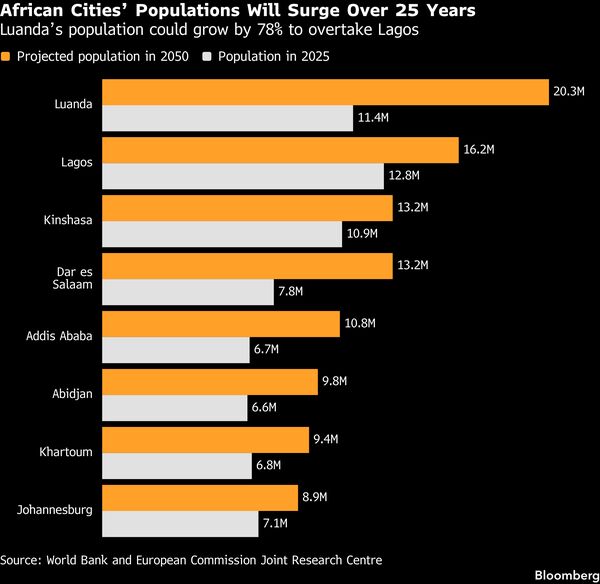
世界银行测算显示,撒哈拉以南非洲城市以每年约2.2%的速度扩张,此前经历了七十多年的增长,期间城市人口增速一度高达每年7%。
Sub-Saharan African cities are expanding at about 2.2% per annum, after more than seven decades of growth where at times urban populations increased as much as 7% a year, World Bank calculations show.
相比之下,东亚的增速为0.2%,其增长在1960年代达到约4.6%的峰值,二十年后进入第二次快速扩张期。
That compares with 0.2% in east Asia, where growth peaked at about 4.6% in the 1960s and entered a second period of rapid expansion two decades later.
到2050年,居住在撒哈拉以南非洲城市的人口将接近10亿,几乎与居住在东亚城市中心的人口持平。
By 2050 almost as many people — close to 1 billion — will live in sub-Saharan African cities as live in urban centers in East Asia.
“如果城市化进展得非常、非常顺利,它不仅有利于城市增长,还能使城市在创造就业方面的能力发生质的飞跃,”多诺霍说。“我们已经看到亚洲许多城市成为非常成功的创造就业中心。”多诺霍提到开普敦,这座拥有近500万人口的城市,自2000年以来人口激增80%,却应对得相对较好。
“Urbanization is not only good for the growth of the city, but if it’s going very, very well it can step-change the abilities of cities to contribute to job creation,” Donohoe said. “We have seen many cities in Asia become very successful centers for job creation.”Donohoe mentioned Cape Town, a city of close to 5 million people, as one that is managing comparatively well with an 80% surge in population since 2000.
“我们一直在与各城市接触,但与开普敦的合作尤为深入,”他说。“我们看到了那里取得的进展,但我们相信并知道,撒哈拉以南非洲存在类似的机遇。”开普敦增加了基础设施支出,2017年发行绿色债券为水利设施融资,正在扩大公共交通服务,并承诺从专门项目购买电力。
“We’ve had engagement with the cities, but the one we have with Cape Town is particularly advanced,” he said. “We can see the progress that has been made there, but we believe and know similar opportunities exist in sub-Saharan Africa.”Cape Town has boosted spending on infrastructure, sold a green bond for water facilities in 2017, is expanding public transport services and has committed to buying electricity from dedicated projects.