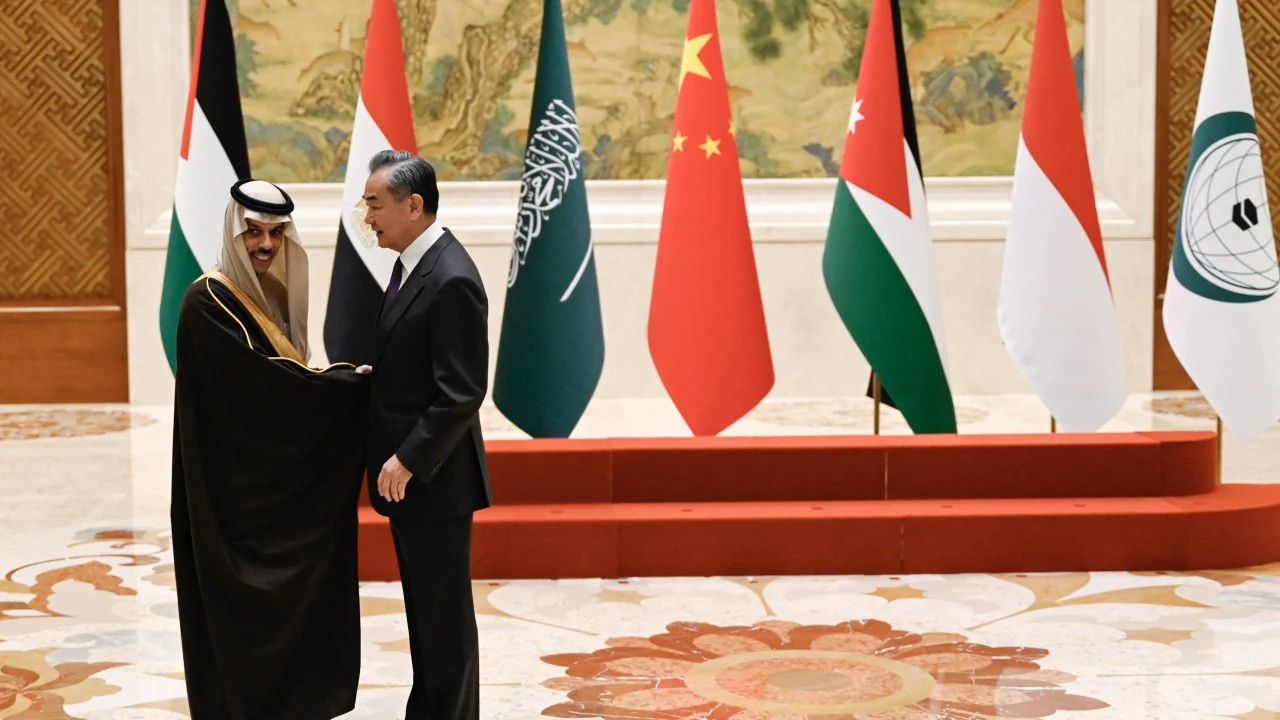
中国对海湾国家的经济未来变得日益重要。然而,海湾国家依然有能力扰乱中国自身的经济。
China is becoming increasingly important to the Gulf’s economic future. Yet the Gulf remains capable of disrupting China’s own.
美伊战争暴露了这一矛盾。北京作为能源客户、投资者和技术合作伙伴的重要性日益增强,但其保障连接中东与东亚海上航线的能力依然有限。
That is the contradiction exposed by the US-Iran war. Beijing’s importance as an energy customer, investor and technology partner has grown, but its ability to guarantee the maritime routes connecting the Middle East to East Asia remains limited.
全球能源领域的下一轮角逐,将不仅关乎谁生产和消费能源,还关乎当地缘政治局势恶化时,谁能维持能源获取渠道。
The next contest in global energy will concern not only who produces and consumes it, but who can preserve access when geopolitical conditions deteriorate.
霍尔木兹海峡依然处于争夺之中。然而,能源运输仍在继续。劳氏船级社情报机构记录显示,仅10月就发生了至少28起袭击或安全事件。尽管如此,10月5日至11日期间,仍有104艘非伊朗关联船只通过该海峡,虽较前一周减少17%,但高于8月水平。
The Strait of Hormuz remains contested. Yet energy still moves. Lloyd’s List Intelligence recorded at least 28 attacks or security incidents in October alone. Nevertheless, 104 non-Iranian-linked vessels transited the strait during October 5-11, 17 per cent fewer than the preceding week, but above August levels.
阿布扎比国际石油展(ADIPEC)发布的《2026年全球能源报告》基于对1832位资深能源决策者的调查和17位高管的访谈,发现64%的受访者认为全球体系表现出的韧性超出预期。77%对未来十年持乐观态度,而72%预计中东将对全球能源变得更加重要。
The 2026 global energy report by the Abu Dhabi International Petroleum Exhibition and Conference (ADIPEC), based on surveys of 1,832 senior energy decision-makers and 17 executive interviews, finds that 64 per cent believe the global system proved more resilient than expected. Some 77 per cent remain optimistic about the coming decade, while 72 per cent expect the Middle East to become more important to global energy.
悖显而易见:行业领袖预期融合将进一步深化,地缘政治基础却变得更加难以预测。韧性不等于无懈可击。
The paradox is clear: industry leaders anticipate deeper integration precisely as the geopolitical foundations become less predictable. Resilience is not invulnerability.
替代管道、战略储备和货物改道缓冲了中断带来的冲击,但这是有代价的。咽喉要道之所以关键,不仅因为它能阻断贸易,还因为它能使持续获取变得有条件、昂贵且在政治上脆弱。
Alternative pipelines, strategic reserves and redirected cargoes have cushioned disruption, but at a cost. A chokepoint matters not only because it can halt trade, but because it can make continued access conditional, expensive and politically vulnerable.
对中国而言,问题有三个维度。商业上,北京通过长期能源采购、基础设施投资和技术合作深化了与海湾国家的关系。这些联系创造了杠杆,却无法保障安全通行。
For China, the problem has three dimensions. Commercially, Beijing has deepened Gulf relationships through long-term energy purchases, infrastructure investment and technology cooperation. These ties create leverage but cannot guarantee safe passage.
在外交上,中国与伊朗、沙特阿拉伯及其他海湾国家保持着关系。然而,能够接触到互为对手的各方首都,并不意味着北京能够调和它们的安全诉求,或在华盛顿和德黑兰之间强加一份解决方案。
Diplomatically, China maintains relations with Iran, Saudi Arabia and other Gulf states. Yet access to rival capitals does not mean Beijing can reconcile their security demands or impose a settlement between Washington and Tehran.
在战略上,美国依然是海湾地区海上安全的中心。中国经济的风险敞口增长速度,超过了其塑造海湾准入军事和政治条件的能力。
Strategically, the United States remains central to Gulf maritime security. China’s economic exposure is growing faster than its ability to shape the military and political conditions governing access.
这并不意味着北京无能为力。可再生能源、核能发电、战略储备和多元化供应商提供了缓冲。中国企业可以转移货运或推迟航程。但适应并不等于控制:改变油轮的行程并不能消除海上的不安全因素。
This does not make Beijing powerless. Renewables, nuclear generation, strategic reserves and diversified suppliers provide buffers. Chinese companies can divert cargoes or delay voyages. But adaptation is not control: changing a tanker’s itinerary does not remove the maritime insecurities.
东亚的脆弱性也并非千篇一律。中国在拥有大量能源进口的同时,还具备可观的国内产量和技术能力。日本和韩国则更加严重地依赖进口燃料,且国内替代选择较少。
Nor is East Asia uniformly vulnerable. China combines heavy energy imports with substantial domestic production and technological capacity. Japan and South Korea depend more heavily on imported fuels and have fewer domestic alternatives.
《阿布扎比国际石油博览会》(ADIPEC)报告中各国的调查结果凸显了这种反差:79%的中国能源行业受访者对未来十年持乐观态度,而在韩国这一比例为63%,在日本仅为23%。
The ADIPEC report’s country-level findings underline the contrast: 79 per cent of Chinese energy-sector respondents are optimistic about the coming decade, against 63 per cent in South Korea and only 23 per cent in Japan.
对东京和首尔而言,当务之急是在管理工业成本和外部安全安排依赖的同时,确保获得负担得起的能源。它们的腾挪空间受到地理条件、国内资源和同盟承诺的制约。
For Tokyo and Seoul, the immediate challenge is securing affordable energy while managing industrial costs and dependence on external security arrangements. Their room for manoeuvre is constrained by geography, domestic resources and alliance commitments.
中国则面临着不同的问题。其市场规模、财政资源以及在相互竞争的海湾国家之间的关系,使其具有更强的能力来实现供应多元化并影响商业决策。然而,这些优势并不能轻易转化为可执行的安全保证。
China confronts a different problem. Its market size, financial resources and relationships across competing Gulf states give it a greater capacity to diversify supplies and influence commercial decisions. Yet these advantages cannot readily be converted into enforceable security guarantees.
美伊敌对态势的重燃可能会加剧这些分歧。目前仍然可以想象出三种结果:有限的外交妥协,在不解决争端的情况下恢复更具可预测性的通道;长期且受控的不稳定性,伴随着间歇性的袭击和限制;或是针对能源基础设施和航运的更大规模战争。
Renewed US-Iran hostilities could sharpen these differences. Three outcomes remain conceivable: limited diplomatic accommodation that restores more predictable access without settling the dispute; prolonged managed instability, with intermittent attacks and restrictions; or wider war targeting energy infrastructure and shipping.
第一种结果将缓解当下的压力,但不会消除强制性筹码。第二种结果将把异常的保险、运输和安全成本变成例常的商业开支。第三种结果则可能会压垮替代路线,并扰乱航运和关键基础设施。
The first would relieve immediate pressure without eliminating coercive leverage. The second would turn exceptional insurance, transport and security costs into routine commercial expenses. The third could overwhelm alternative routes and disrupt shipping and critical infrastructure.
其后果将波及亚洲的制造业、石化产品、化肥和消费品价格。如果红海和霍尔木兹海峡同时面临中断,这些后果将被放大:一条不安全的走廊无法可靠地替代另一条。
The consequences would reach Asian manufacturing, petrochemicals, fertilisers and consumer prices. They would be amplified if the Red Sea and Strait of Hormuz faced disruption together: one insecure corridor cannot reliably substitute for another.
因此,必须以不同的方式理解能源安全。合同、储备和多元化的供应商仍然至关重要,但可靠的通道还取决于港口、管道、保险、支付系统和海上保护。基础设施已成为供应链国术的一种工具。
Energy security must therefore be understood differently. Contracts, reserves and diversified suppliers remain essential, but reliable access also depends on ports, pipelines, insurance, payment systems and maritime protection. Infrastructure has become an instrument of supply-chain statecraft.
答案不是从全球市场退缩。如果替代供应商和路线不具有相同的脆弱性,相互依存就可以增强韧性。那种仅仅将依赖关系从一个暴露的走廊转移到另一个走廊的多元化,提供的保护十分有限。
The answer is not withdrawal from global markets. Interdependence can strengthen resilience if alternative suppliers and routes do not share the same vulnerabilities. Diversification that merely shifts dependence from one exposed corridor to another offers limited protection.
北京面临着艰难的选择。更多的海湾投资增加了商业影响力,但也增加了风险敞口。更多的主动外交接触或许能保护其利益,同时也会将其卷入无法解决的争端之中。更大的军事角色可以解决某些脆弱性,但会与华盛顿和地区各国政府产生摩擦。
Beijing confronts a difficult choice. More Gulf investment increases commercial influence but also exposure. Greater diplomatic engagement may protect its interests while drawing it into disputes it cannot resolve. A larger military role could address some vulnerabilities but create friction with Washington and regional governments.
日本和韩国在储备、替代能源和外部安全安排上面临着相关的抉择。海湾产油国必须维持亚洲的需求,同时避免过度依赖任何单一强劲势力。其结果不太可能是泾渭分明的地缘政治集团;重叠的商业和安全关系则更具合理性。
Japan and South Korea face related choices over reserves, alternative energy and external security arrangements. Gulf producers must maintain Asian demand while avoiding excessive dependence on any single power. The outcome is unlikely to be neatly divided geopolitical blocs; overlapping commercial and security relationships are more plausible.
因此,海湾-亚洲走廊不仅仅是一条贸易路线。它是经济相互依存、战略竞争和脆弱性交汇的地方。权力的下一个考验将不仅仅是谁能保障能源供应,而是在国际体系承受压力时,谁能让它们继续流动。
The Gulf-Asia corridor is thus more than a trade route. It is where economic interdependence, strategic rivalry and vulnerability converge. The next test of power will not simply be who can secure energy supplies, but who can keep them moving when the international system comes under pressure.