中期选举前夕,钱包议题曾是核心主题,但外交政策可能很快占据中心舞台。据报道,唐纳德·特朗普总统正在考虑加大对伊朗的军事行动,并且最近有消息称他正在考虑部署“炸弹之母”。多位美国总统曾在中期选举后采取大胆的国际行动:1998年,时任总统比尔·克林顿与英国联手轰炸萨达姆·侯赛因政权,理由是该政权拒绝遵守联合国安理会决议。
Pocketbook issues were a central theme heading into the midterm elections, but foreign policy could soon be center stage. President Donald Trump is reportedly considering ramping up military action against Iran and was recently said to be considering deploying the “mother of all bombs.”Several U.S. presidents have taken bold international steps in the wake of midterms: In 1998, then-President Bill Clinton teamed up with Britain to bomb Saddam Hussein’s regime over its refusal to abide by U.N. Security Council resolutions.
2007年,尽管其所属政党因伊拉克战争陷入困境而失去了对众议院和参议院的控制权,时任总统乔治·W·布什仍下令向该国增派3万名美军,试图平息内战。
In 2007, despite his party having lost control of the House and Senate over the floundering war in Iraq, then-President George W. Bush ordered 30,000 additional U.S. troops into that country to try to tamp down civil war.
如今,选民对特朗普总统任期的评判将不再通过选票体现,以下是他可能重点关注的三个领域:特朗普曾称这场冲突将在四到六周内结束,但如今已拖入第九个月,且看不到任何保全面子的结束迹象。由于美国海军投入大量资源、高强度执行任务,保护世界上最重要航道之一的部分路段,经由霍尔木兹海峡的原油运输得以回升,使日均石油出口量接近战前水平。9月,特朗普宣布华盛顿对该水道拥有“完全控制权”。德黑兰对该海峡的掌控力——其在战争中的最大筹码——因此变得更加不稳。
Now that voters’ judgment of Trump’s presidency will no longer manifest in ballots, here are three areas he might focus on: The conflict Trump said would be over in four to six weeks has dragged into its ninth month with no face-saving end in sight. The rebound in crude oil shipments through the Strait of Hormuz, made possible by the U.S. Navy’s high-resource, high-intensity mission to protect a portion of one of the world’s most important transit routes, has brought average daily oil exports closer to prewar levels. In September, Trump declared Washington’s “total control” over the waterway. Tehran’s leverage over the strait, its greatest leverage in the war, has grown shakier as a result.
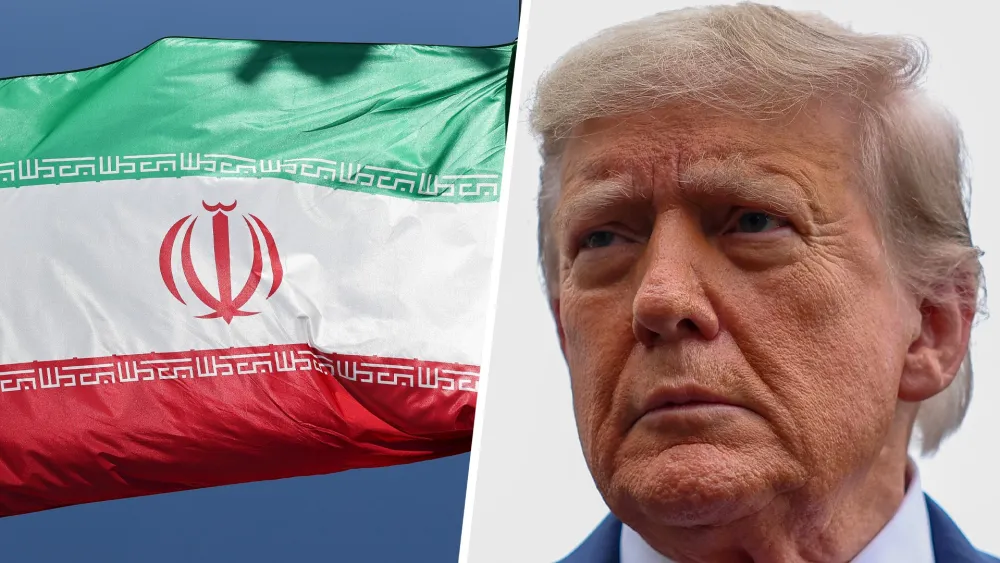
但伊朗人远未屈服于特朗普的和平协议条件。围绕霍尔木兹海峡的叙事发生转变一周后——《华尔街日报》在10月1日的一篇社论中打出标题“霍尔木兹之战正在转向”——伊朗伊斯兰革命卫队开始加速袭击该地区的船只。那一周,针对运载原油及其他大宗商品驶出中东的油轮的导弹和无人机袭击达到了冲突爆发以来的最高水平,这提醒华盛顿、其海湾阿拉伯伙伴以及全球航运公司:该政权仍保有在石油市场兴风作浪的火力。
But the Iranians aren’t close to submitting to Trump’s terms for a peace deal. A week after the narrative around the strait shifted— “The Battle of Hormuz Is Turning,” The Wall Street Journal headlined an Oct. 1 editorial — Iran’s Islamic Revolutionary Guard Corps began accelerating attacks against ships in the region. That week, missile and drone strikes on tankers carrying crude and other commodities out of the Middle East reached their highest level since the conflict began, reminding Washington, its Gulf Arab partners and shipping companies worldwide that the regime retains the firepower to wreak havoc in oil markets.
原油价格再次开始上涨,表明只要和平协议仍遥遥无期,正常的航运流量就不是确定之事。
Crude prices started rising again, demonstrating that normal traffic flows aren’t a certainty as long as a peace agreement remains elusive.
尽管特朗普言辞强硬,但美国战略未能迫使德黑兰采取更宽松的谈判立场,即便美国的封锁已使伊朗石油出口停滞,剥夺了该政权的关键收入。伊朗9月提出的和平方案看起来与6月那份几周后便破裂的谅解备忘录几乎如出一辙。该政权的立场十分坚定,伊朗一位高级谈判代表在10月28日重申了这一立场:只有在美国结束海上封锁和更广泛的战争、解除对德黑兰石油业的制裁并解冻伊朗金融资产之后,霍尔木兹海峡才会恢复到冲突前的状态。
Trump’s rhetoric notwithstanding, U.S. strategy has failed to force Tehran into a more lenient negotiating position, even as the U.S. blockade has halted Iran’s oil exports and deprived the regime of critical revenue. The Iranian peace plan offered in September looked nearly identical to the June memorandum of understanding that fell apart after a few weeks. The regime’s position, which one of Iran’s top negotiators restated on Oct. 28, is firm: Only after the United States ends its naval blockade and wider war, lifts sanctions on Tehran’s oil industry, and unfreezes Iranian financial assets will the Strait of Hormuz return to the pre-conflict status quo.
这些条件对特朗普来说仍不可接受。尽管数周来美国对伊朗格什姆岛发动了未公开的打击,但眼下美国扩大空战是可能的,不过重启战事不太可能让美国更接近胜利。
These terms remain unacceptable to Trump. Although unpublicized U.S. strikes have occurred on Iran’s Qeshm Island for weeks, a more expansive U.S. air war is plausible now, though it’s unlikely renewed warfighting would bring the United States closer to victory.
特朗普政府将经济胁迫列为迫使古巴政府谈判政治和经济改革的重点。美国财政部定期对古巴经济追加制裁。美国实施的燃料禁运——华盛顿通过拦截前往该岛的船只执行——正使古巴人民的生活难以忍受,电网崩溃,医院只能依赖超负荷运转的发电机。许多古巴人依赖的美国汇款也受到限制。
The Trump administration has prioritized economic coercion in its efforts to push the Cuban government into negotiating political and economic reforms. The U.S. Treasury Department regularly adds additional sanctions on the Cuban economy. The U.S.-imposed fuel embargo, which Washington is enforcing by intercepting ships bound for the island, is making the Cuban people’s lives unbearable as their electricity grid collapses and hospitals rely on overworked generators. Remittances from the U.S., which many Cubans rely on, are also restricted.
特朗普的策略已经迫使古巴进行了一些经济改革,最显著的是哈瓦那决定扩大私营部门并争取更多外商投资。但古巴官员仍然坚决不愿重塑政治体制以取悦华盛顿。哈瓦那的顽固立场令特朗普感到沮丧,他曾多次暗示“收复古巴”。美国陆军预备役正在评估在潜在的古巴危机中可以动员的兵力,加之此前美国军方对古巴入侵可能方式的规划,提醒人们特朗普仍有军事选项。以武力实现政权更迭并非不可能。
Trump’s strategy has managed to squeeze out some economic reforms, most significantly Havana’s decision to expand the private sector and court more foreign investment. But Cuban officials remain dead-set against reworking their political system to please Washington. Havana’s unwillingness to bend has frustrated Trump, who has flirted several times about “taking Cuba.”Reports that the U.S. Army Reserve is evaluating what manpower can be made available in a potential Cuba contingency, combined with earlier U.S. military planning on how a Cuba incursion could unfold, are reminders that Trump has military options. Regime change at gunpoint is not out of the question.
在美国大战略中通常被视为第二或第三级优先事项的这片地区,特朗普的强硬程度远超其大多数前任。从干预洪都拉斯、阿根廷和哥伦比亚的选举,到下令对美方所称运载可卡因赴美的船只实施法外打击,特朗普政府实际上已将西半球变成了自己的私人游乐场。特朗普的禁毒战争甚至把最低级别的毒贩也定性为该死的恐怖分子。
Normally viewed as a second- or third-tier priority in the realm of U.S. grand strategy, Trump has been far more aggressive in this region than most of his predecessors. Between intervening in elections in Honduras, Argentina and Colombia, and ordering extrajudicial strikes on boats it says are carrying cocaine to the U.S., the Trump administration has effectively turned the Western Hemisphere into its personal playground. Trump’s war on drugs has branded even the most low-level drug trafficker a terrorist worthy of death.
这场军事行动改变了地区民众对禁毒斗争中何为可接受手段的认知。它还扩大了美军在拉丁美洲的军事存在。向加勒比海和太平洋上的船只发射导弹曾是不可想象的,如今却已被常态化;美军正在支持厄瓜多尔打击犯罪集团的作战任务;尽管现任总统路易斯·伊纳西奥·卢拉·达席尔瓦在巴西总统选举中击败了特朗普青睐的候选人弗拉维奥·博索纳罗,但拉丁美洲与特朗普结盟的保守派政府浪潮仍在继续争取美国军事援助,以打击各自国家的贩毒网络。
The military campaign has changed regional perceptions of what is considered acceptable in the fight against drug trafficking. It has also expanded the U.S. military footprint in Latin America. Dropping missiles on boats in the Caribbean and Pacific Ocean, once unthinkable, has been normalized; U.S. troops are supporting combat missions against criminal groups in Ecuador; and although incumbent Luiz Inácio Lula da Silva defeated Trump’s preferred candidate, Flávio Bolsonaro, in Brazil’s presidential election, Latin America’s conservative wave of Trump-aligned governments continue to court U.S. military aid to combat drug trafficking networks in their respective countries.
船只打击有可能演变为陆地打击。今年夏天,美国已在委内瑞拉至少实施过一次此类行动,目标是“阿拉瓜火车”帮派头目。而哥伦比亚总统阿贝拉多·德拉埃斯普列利亚——一位以强硬打击犯罪为纲领赢得职位的右翼民粹主义者——急于与美国军方合作,对与该国作战的一长串反叛组织发动联合打击。美军已将侦察和打击无人机从非洲调往西半球,部分目的是摸清贩毒集团和犯罪集团的藏身之处。迹象已经十分明显。
It’s possible that boat strikes could evolve into land strikes. The U.S. has already conducted at least one such action, against the chief of the Tren de Aragua gang, in Venezuela, over the summer. And Colombian President Abelardo de la Espriella, a right-wing populist who won office on a tough-on-crime platform, is eager to partner with the U.S. military on joint strikes against the long list of rebel groups battling his state. The U.S. military has moved surveillance and strike drones from Africa to the Western Hemisphere, in part to map out where the drug cartels and criminal groups are hiding. The writing is on the wall.
尽管有人猜测,民主党占多数的国会会制约总统,但这远非板上钉钉之事。特朗普的外交政策本就强硬好战,可能很快就会变得更加失控。
Although some speculate that a Democratic-majority Congress would restrain the president, this is hardly a sure thing. Trump’s foreign policy, already bellicose, could soon be even more unhinged.