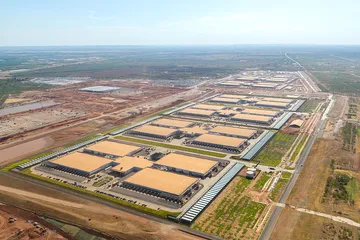
建设数据中心的成本和时间刚刚上升,因为一场“蓝色海啸”将民主党人推上了数十年来一直是共和党大本营的职位,例如得克萨斯州和堪萨斯州的州长职位。对数据中心的抵制确实成了选票上的议题,选民传递的信息响亮而明确:“我们不想让这些吵闹的庞然大物出现在自家后院。”这一信号在得克萨斯州最为突出,一位相对默默无闻的州议员吉娜·伊诺霍萨(Gina Hinojosa)大力以反对这些项目为竞选纲领,击败了寻求连任第三届的现任州长格雷格·阿博特(Greg Abbott)。阿博特曾拥抱数据中心热潮,直到民调数字令人担忧,才在8月叫停。
The cost and time for building data centers just increased after a blue tsunami swept Democrats into positions that had been Republican strongholds for decades, such as the governor’s offices in Texas and Kansas. The pushback against data centers was definitely on the ballot, and the message was loud and clear: “We don’t want these noisy behemoths in our backyard.”This signal was most prominent in Texas, where Gina Hinojosa, a relatively unknown state legislator, campaigned heavily on opposition to these projects and toppled Greg Abbott, a three-term incumbent governor. Abbott had embraced the data-center boom and only called a pause in August amid alarming poll numbers.
问题在于,美国需要继续建设数据中心——它们容纳成千上万台计算机服务器,用于处理支撑现代生活的每一次点击和轻触,并利用已在经济中扎根的人工智能革命带来的生产率提升。生产率提升是推动工资上涨而不引发通胀的动力,也是美国生活水准高于世界其他地区的基础。选举的后果不应是将数据中心妖魔化,而应是把社区关切纳入考量来建设它们的机会。
The problem is the US needs to keep building data centers, which house thousands of computer servers, to process the clicks and taps that underpin modern life and to harness the productivity gains of an artificial-intelligence revolution that is already taking hold in the economy. Productivity gains are what drive wage increases without spurring inflation and are the basis for the high US living standards compared with the rest of the world. The consequence of the election should not be the demonization of data centers but the opportunity to build them with community concerns in mind.
在喧嚣声中不应被忽视的是,尽管反对声浪不断上升、演变成一个两党共同关注的议题,以至于鲜有政客为这些至关重要的项目辩护——甚至连亲商的得克萨斯州州长也不例外——数据中心建设依然繁荣。两家与数据中心关系密切的供应商Vertiv Holdings Co.和Amphenol Corp.均报告称,第三季度订单较去年同期翻倍,需求没有出现明显裂痕。根据美国人口普查局数据,9月美国数据中心建设价值较去年同期激增90%。
What shouldn’t be lost amid all the noise is that data-center construction is booming despite the mounting opposition that morphed into a bipartisan issue and left few politicians to defend these crucial projects — not even the governor of business-friendly Texas. Two suppliers closely tied to data centers, Vertiv Holdings Co. and Amphenol Corp., both reported that third-quarter orders doubled from a year ago, with no visible cracks in demand. The value of US data-center construction jumped 90% in September from a year earlier, according to the US Census Bureau.
数据中心建设不会停止,但中期选举的结果让社区在谈判这些项目的选址和建设方式上占据了上风,这缓和了抢建此类项目的狂热势头,并叫停了一些不利于社区的做法,例如部署噪音巨大的喷气式飞机发动机作为快速产生离网电力的手段。
Data-center construction won’t stop, but the results of the midterm election give communities the upper hand in negotiating where and how they will be built, tempering the mad dash to put up these projects and halting some of the community-unfriendly solutions, such as deploying loud jet-aircraft engines as a quick way to generate off-grid electricity.
数据中心建设方明智的做法是听取这一信号,在项目将如何用能、耗水和产生噪音等方面更加透明。欢迎对大型项目加强审查,以防止开发商若拥有自由建设这些设施的权力可能滥用职权。
The builders of data centers will be wise to heed the message that they must be more transparent on how these projects will use energy, consume water and create noise. More scrutiny of large projects is welcome to head off abuses that could take place if developers had free rein to build these facilities.
遗憾的是,政客们抓住公众的担忧,并将其放大为非理性的恐惧,以至于人们现在讨论这些项目时仿佛它们是核废料倾倒场。反对声浪受到简单粗暴的音频片段,甚至充斥社交媒体的虚假信息的煽动,而许多人正是从社交媒体获取新闻。
Unfortunately, politicians latched on to the public’s concern and then amplified it into irrational fear that now has people discussing these projects as if they were nuclear waste dumps. The opposition has been fueled by the simplistic sound bites, and even disinformation, that flood the social media where many people obtain their news.
数据中心面临的最大障碍是获取大量不间断电力供应,这引发了居民电费将飙升的担忧。答案很直接:多发电,并保护家庭免受成本上涨的影响。包括最大电力生产商和超大规模数据中心运营商在内的200多家公司,于3月在白宫签署了《用电费率保护承诺》,其中承诺数据中心的用电需求不会推高居民电价。这些承诺不具强制性,但如果违背,反弹将会非常剧烈。
The biggest obstacle for data centers is access to vast amounts of uninterrupted power supply, which has sparked fear that residential electricity bills will skyrocket. The answer is straightforward: Generate more electricity and shield households from cost increases. More than 200 companies, including the largest power producers and hyperscalers, signed a Ratepayer Protection Pledge at the White House in March, which, among other things, promised that data-center power needs wouldn’t push up residential rates. These promises aren’t mandatory, but the backlash should be fierce if they’re broken.
早期迹象令人鼓舞。在一项扩建谷歌位于阿肯色州西孟菲斯数据中心园区的协议中,Entergy Corp. 计划增加电网容量,该公司表示这将从 2028 年起为客户带来 5 亿美元的节省。此外,谷歌承诺在五年内为当地社区提供 2500 万美元,包括劳动力培训。同样,Duke Energy Corp. 上个月与几家最大的科技公司达成协议,将保护北卡罗来纳州的客户免受部分数据中心成本的影响,包括变电站和输电线路等基础设施。
Early signs are encouraging. In a deal to expand Google’s data-center campus in West Memphis, Arkansas, Entergy Corp. plans to add capacity to the grid that it says will result in $500 million of savings for customers beginning in 2028. In addition, Google pledged $25 million over five years for the local community, including workforce training. Similarly, Duke Energy Corp. last month reached a deal with several of the largest tech companies that will protect customers in North Carolina from some data-center costs, including infrastructure such as substations and transmission lines.
用水量常被数据中心的反对者引为严重弊端,但这已被夸大其词。数据中心用水量远不及农业、化工或食品饮料等传统行业。此外,回收技术可将数据中心用水量降至可忽略不计的程度。这就是良好治理可以发挥作用的地方:将项目选址于居民区之外,并坚持采用强有力的水循环利用。Oracle Corp. 正在新墨西哥州、密歇根州、得克萨斯州和威斯康星州建设的数据中心采用闭环冷却技术,无需持续供水。吸音板有助于缓解反对者所指的低频嗡嗡声。
Water use is often cited by opponents of data centers as a serious drawback, but this has been blown out of proportion. Data centers don’t use nearly as much water as traditional industries including agriculture, chemicals or food and beverages. Besides, recycling technology can reduce data-center water use to negligible amounts. This is where good governance can locate a project away from residential neighborhoods and insist on robust water recycling. Oracle Corp. is using closed-loop cooling technology that doesn’t require continuous water supply for data centers it’s building in New Mexico, Michigan, Texas and Wisconsin. Acoustic panels could help mitigate the low humming noise that opponents cite.
在中期选举过热的言论中,数据中心的益处被忽视了。这些设施产生地方税收,环境足迹和社会影响相对较小。它们的污染不像钢铁、玻璃或化工等传统重工业那样严重。它们不像典型的工业厂房和仓库那样产生大量重型卡车交通。
The benefits of data centers have been lost in the overheated rhetoric of the midterms. These facilities generate local tax revenue and have a relatively light environmental footprint and social impact. They don’t pollute as much as traditional heavy industries, such as steel, glass or chemicals. They don’t generate heavy truck traffic like typical industrial plants and warehouses do.
大多数民众和政客都支持在美国制造更多产品。这些工厂需要用电、耗水、产生噪音并增加交通流量——所有这些都会带来地方性挑战,但都是可以克服的。我们难道要因此束手无策、完全放弃制造业吗?那将是非理性且不明智的。
Most people and politicians support manufacturing more goods in the US. Those plants use electricity, consume water, make noise and create more traffic — all of which create local challenges that can be overcome. Should we just throw up our hands and quit making goods altogether? That would be irrational and unwise.
数据中心热潮将持续下去,因为人工智能释放了前所未有的需求,而这些需求必须得到满足。这些设施构成了现代生活的基础设施骨干,正如人们理所当然地期待水龙头出水、电灯开关亮灯一样,很容易忽视数据中心的存在。如果建设得当,这些设施将推动数字革命,而大多数社区甚至不会察觉它们的存在——它们将全天候不知疲倦地运转,处理每一次点击和触控。
The data-center boom will continue because AI has unleashed unprecedented demand that needs to be met. These facilities form the infrastructure backbone of our modern lives and, just as the water faucet and light switch are expected to work, it’s easy to take that for granted. Done right, these facilities will drive the digital revolution while most communities won’t even know they’re there, humming along 24/7 and processing every tap and click.