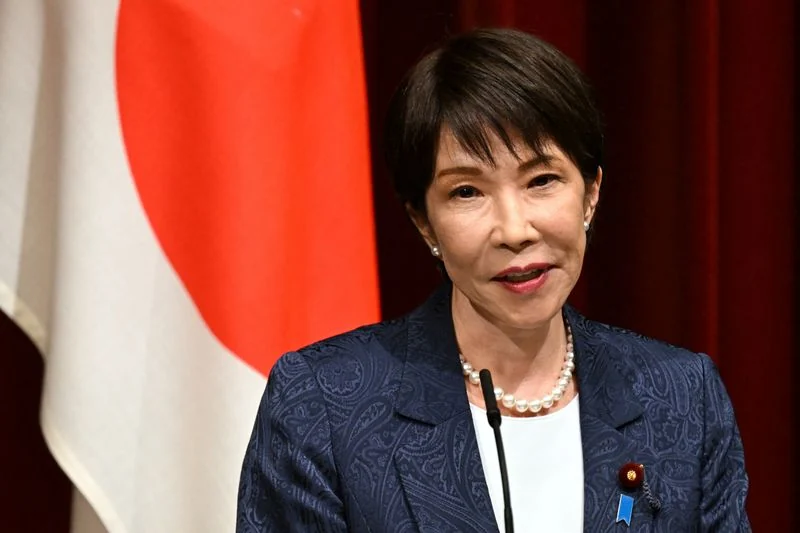
东京,11月6日——日本首相高市早苗周五公布了一项计划,拟动用日本央行出售交易所交易基金(ETF)的收益,为其旗舰投资项目提供资金。与此同时,人工智能引发的市场抛售不断加深,有可能拖累税收收入。
TOKYO, Nov 6 - Japanese Prime Minister Sanae Takaichi unveiled a plan on Friday to tap proceeds from the central bank’s sales of exchange-traded funds (ETF) to finance her flagship investment projects, as a deepening AI-fuelled market rout threatens to dent tax revenue.
她表示,政府正密切关注这轮抛售。分析人士警告称,市场持续疲软可能拖累经济,并打乱日本央行逐步收紧政策的计划。
The government is keeping a close watch on the selloff, she said, with analysts warning sustained market weakness could weigh on the economy and disrupt the Bank of Japan’s gradual tightening plans.
高市早苗表示:“我注意到股价正在大幅下跌,尤其是人工智能和芯片板块的股票。”她称这需要保持警惕,因为这将影响全球各国。
"I am aware share prices, particularly those of AI and chip sectors, are falling sharply," which requires vigilance as it would affect countries across the globe, Takaichi said.
这位首相在国会表示:“不过,我们的重点将是通过加大对日本具有竞争优势领域的投资,来打造强劲的经济。”
"Our focus, however, would be to create a strong economy," by boosting investment in sectors where Japan holds a competitive edge, the prime minister told parliament.
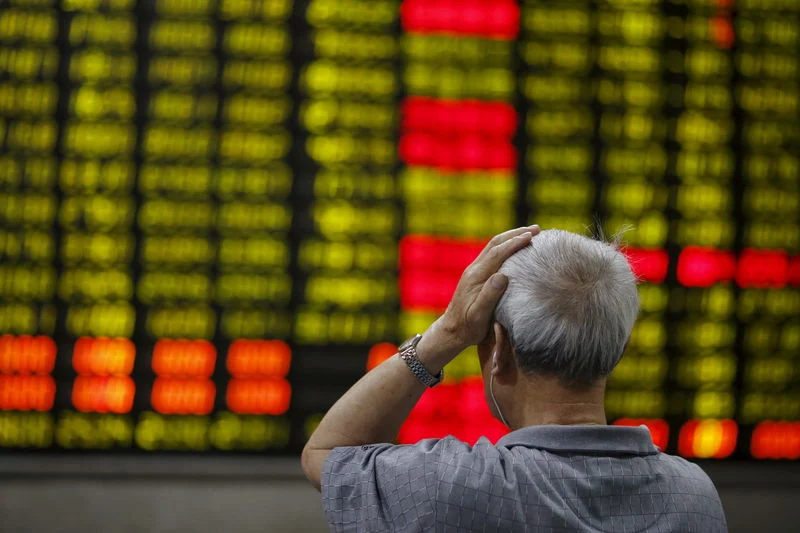
日本日经平均指数周五下跌超过5%,因民主党在中期选举中大获全胜后,市场对人工智能支出回落的担忧引发了全面抛售。
Japan’s Nikkei average fell more than 5% on Friday as fears of a pullback in AI spending after the Democrats’ midterm-election sweep triggered a broad market rout.
这轮下跌加大了政府的挑战,因为该政府既希望提振支出,又不想通过增加发债引发债券抛售。
The slump heightens challenges for an administration keen to boost spending without triggering a bond selloff by increasing debt issuance.
一位因事态敏感而要求匿名的政府官员表示,如果股市继续下滑,税收收入可能低于最初预期。政府还在寻求非税收入,以为其雄心勃勃的支出计划提供资金。
A government official, who spoke on condition of anonymity due to the sensitivity of the matter, said tax revenue could fall from initial expectations if stocks continued to slide. The administration is also looking for non-tax revenue as it seeks to bankroll an ambitious spending push.

高市早苗表示,政府将动用日本央行增加出售其所持ETF所得的收益,为事关国家经济安全的关键领域支出提供资金。
Takaichi said the government, for one, will use proceeds from the BOJ’s increased sales of its ETF holdings to fund spending on areas critical to the country’s economic security.



她说:“(ETF)出售的额外收益是日本经济增长的成果,因此将其再投资于危机管理和增长领域的支出是合适的。”
"Additional proceeds from the (ETF) sales are fruits of Japan’s economic growth, so it’s appropriate to reinvest them for spending on crisis management and growth areas," she said.
高市早苗补充说,这些收益将预留用于偿还为日本经济安全关键领域的公共支出而发行的债券。
The proceeds will be set aside for redemption of bonds that will be issued to fund public spending on areas critical to Japan’s economic security, Takaichi added.
日本央行的道路蒙上阴影。日本央行10月30日决定,将其ETF持仓的年销售额从3300亿日元提高至8600亿日元(约合55亿美元)。央行每年获得的净利润(包括ETF出售所得)中的一部分将上缴国库。
MUDDIED PATH FOR BOJ The BOJ decided on October 30 to increase annual sales of its ETF holdings to 860 billion yen ($5.5 billion) from 330 billion yen. A portion of net profit the central bank reaps each year, including from the ETF sales, is paid to state coffers.
日本央行表示,将以对市场造成最小干扰的方式减持其ETF持仓,并且不受财政或政治考量的影响。
The central bank has said it will unload its ETF holdings in a way that causes minimum disruption to markets, and independently of fiscal or political considerations.
一些分析师警告称,如果最新的市场抛售持续下去,可能会使日本央行将政策利率从1.25%稳步上调的计划复杂化,而1.25%按国际标准仍处于低位。
Some analysts warn that if the latest market rout persists, it could complicate the BOJ’s plans to steadily lift its policy rate from 1.25%, a level that remains low by international standards.
日本央行上月维持利率不变,但强调其专注于通胀风险的决心,这强化了市场对最早12月加息的押注。
The BOJ kept interest rates steady last month but stressed its resolve to focus on inflation risks, reinforcing market bets on a rate hike as soon as December.
日本央行还将金融状况描述为宽松,部分原因是日元疲软和股价上涨,这提振了制造商的利润,并激励它们增加投资。
It has also described financial conditions as loose due in part to a weak yen and rising stock prices, which lift manufacturers’ profits and incentivise them to boost investment.
三菱日联摩根士丹利证券首席债券策略师 Naomi Muguruma 表示:“除非日元以缓解通胀压力的方式大幅升值,否则日本央行可能会坚持其路线并继续加息。”
"Unless the yen spikes in a way that eases inflationary pressure, the BOJ will probably stay its course and keep raising rates," said Naomi Muguruma, chief bond strategist at Mitsubishi UFJ Morgan Stanley Securities.
“但市场抛售可能给日本央行一个借口,使其比预期更长时间地采取观望立场。这无疑将使其在12月之前的沟通变得困难。”日本央行行长植田和男将于周五在华盛顿举行的国际货币基金组织研讨会上发表讲话,并于11月30日在日本中部举行的一场活动上发表讲话。几位董事会成员也将在日本央行12月17日和18日的下一次政策会议之前发表讲话。
"But the market rout may give the BOJ an excuse to take a wait-and-see stance for longer than expected. It will certainly make its communication leading up to December difficult." BOJ Governor Kazuo Ueda will speak at an IMF seminar in Washington on Friday, and at an event in central Japan on November 30. Several board members will also deliver speeches ahead of the BOJ’s next policy meeting on December 17 and 18.