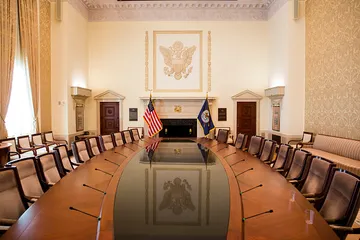
2027年,美联储将开始过渡到每年减少政策会议次数,对于这样一个守旧的机构来说,这一变化似乎意义重大,但实际上将使美国中央银行回归过去的运作方式。
In 2027, the Federal Reserve will begin a transition to holding fewer policy meetings a year, a change that seems monumental for such a staid institution, but one that will actually return the US central bank to bygone ways of operating.
美联储主席凯文·沃什承诺在美联储推行全面变革,他表示,到2028年,美联储将利用每年8次会议中的两次来讨论宏观战略,而非对利率进行表决。
Chairman Kevin Warsh, who has promised to enact sweeping change at the Fed, said that by 2028 the Fed would use two of its eight annual meetings to discuss broad strategy instead of voting on interest rates.
这是自20世纪80年代初以来美联储日历的首次变更,当时美联储将会议次数从每年12次减少到8次。尽管投资者担心新日程可能扰乱市场,但支持者驳回了这些担忧,称这将把时间还给决策者——过去这些时间用于深入探讨特殊议题,但因一系列渐进式变革而失去了。
It’s the first change to the Fed calendar since the early 1980s, when it moved to eight meetings from 12. Though investors have raised worries that a new schedule could disrupt markets, defenders have dismissed those concerns and said it will give policymakers back time — used in the past to deliberate special topics — that it lost through a series of incremental changes.
“即使在最近时期,这对联邦公开市场委员会(FOMC)来说也非前所未有,”洛蕾塔·梅斯特表示。她1985年加入央行,2014年至2024年担任克利夫兰联储行长,自2000年以来出席了大多数联邦公开市场委员会会议。
“This is not unprecedented for the FOMC, even in recent times,” said Loretta Mester, who joined the central bank in 1985 and served as president of the Cleveland Fed from 2014 to 2024, attending most Federal Open Market Committee meetings since 2000.
这让人回想起金融危机前的岁月,沃什对那段时期颇为熟悉,他于2006年至2011年担任美联储理事。那些年里,美联储每年8次会议中有6次为单日会议,主要保留用于谈论经济和货币政策、对利率进行表决。剩下的两次聚会则包含第二天,用于探讨更宏大的经济主题。
It harkens back to the years before the financial crisis, a time familiar to Warsh, who was a Fed governor from 2006 to 2011. In those years, six of the Fed’s eight annual meetings were single-day affairs reserved mostly for talking about the economy and monetary policy, and voting on interest rates. The two remaining gatherings included a second day to wrestle with larger economic themes.
2008年爆发的危机占据了美联储的全部精力,并迫使其更频繁地召开更长时间的会议。
The crisis, which exploded in 2008, commanded all the Fed’s attention and necessitated longer meetings more frequently.
2012年,美联储正式采用永久性的两天会议日程。但其中一半会议后紧随主席新闻发布会——这是由时任主席本·伯南克于2011年引入的。这些会议通常提前结束,以便伯南克有时间准备登台。
In 2012, the Fed officially adopted a permanent, two-day meeting schedule. But half of those were followed by the chair’s press conference — introduced by Chairman Ben S. Bernanke in 2011. Those usually ended early, allowing Bernanke time to prepare for the podium.
2018年杰罗姆·鲍威尔出任美联储主席后,将新闻发布会扩大为每次会议都举行。当时大部分工作集中在第一天进行,第二天通常在官员们对利率进行投票后结束。
When Jerome Powell became chair in 2018, he expanded the press conference to every meeting. The bulk of the work then took place on day one, with day two typically wrapping up after officials voted on rates.
梅斯特表示,在剩下的讨论时间里,要在做出艰难货币政策决定的同时探讨重大、实质性话题变得更加困难。“多花一点时间真正进行这些对话是件好事,”她说。
In the discussion time that remained it became harder, Mester said, to address big, meaty topics while also making difficult calls on monetary policy. “Taking a bit more time to actually have those conversations is a good thing,” she said.
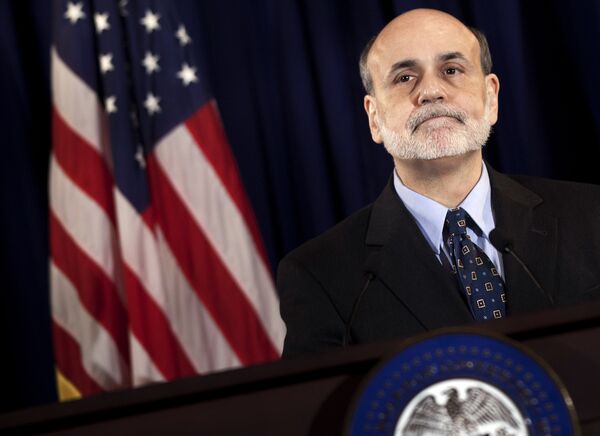
沃什表示,他想重新审视美联储运作的许多方面,从用于评估经济的数据到沟通方式。他许多更宏大的雄心都需要同事们的审议和批准。
Warsh has said he wants to re-examine much of how the Fed operates, from the data it uses to assess the economy, to how it communicates. Many of his bigger ambitions will require deliberation and approval by his colleagues.
今年早些时候,沃什组建了由外部专家组成的工作组,审视美联储运作的五个关键领域并提出新思路。这些报告预计将在今年年底前提交。
Earlier this year Warsh established task forces of outside experts to look at five key areas of Fed operations and propose new ideas. Those reports are due around the end of this year.
“如果他们要在更广泛的问题上取得进展,就必须腾出时间来做这件事,”杜克大学经济学教授、前美联储顾问埃伦·米德说,她曾在2011年至2020年间参加过许多联邦公开市场委员会(FOMC)会议。
“If they’re going to make progress on broader issues, they’ve got to create some time to do that,” said Ellen Meade, an economics professor at Duke University and a former Fed adviser who attended many FOMC meetings from 2011 to 2020.
不过米德表示,新日程的细节将很重要。美联储可以维持目前每六到七周开一次会的节奏,仅将其中两次指定为非投票会议。也可能彻底改革日程安排,将六次投票会议均匀间隔、每两个月举行一次,并在其间穿插两次专题会议。
Yet the details of the new calendar will be important, Meade said. The Fed could keep to its current cadence of one meeting every six-to-seven weeks, and simply designate two as non-voting sessions. Or it could completely revamp the schedule, with the six voting meetings evenly spaced out every two months and two special-topic meetings tucked in around them.
里奇蒙德联储主席巴尔金周四赞扬了每两个月召开一次会议的想法。
Richmond Fed President Tom Barkin on Thursday praised the idea of scheduling meetings every two months.
“我真的不喜欢先开FOMC会议,然后走出会议室,周五又迎来一份就业报告,”巴尔金谈到现行日程安排时说。“如果改成每两个月开一次会,实际上就能连续两次拿到完整的数据套件,并基于两个周期的数据做决策。”巴尔金表示,除此之外,这种调整对央行来说并非重大背离。2009年至2018年担任纽约联储主席的威廉·达德利也表达了类似观点,称会议次数没有神奇的数字。他认为更重要的是,市场要理解美联储在不同经济条件下可能如何反应——经济学家称之为反应函数。
“I really don’t like having FOMC meetings and then walking out and getting a jobs report on Friday,” Barkin said of the current calendar. “If you did it every two months, then you could, in fact, have the full suite of data twice in a row and make decisions based on two cycles of data.”Barkin said the shift is otherwise not a big departure for the central bank. William Dudley, who served as New York Fed president from 2009 to 2018, echoed that sentiment, saying there’s no magic number of meetings. What’s more important, he argued, is that markets understand how the Fed is likely to react under different economic conditions — what economists call the reaction function.
“我不确定这些事情在让美联储作为一个机构更有效方面,是否真的会那么实质性,”达德利谈到这些变化时说。
“I’m not sure if these things are really going to be that substantive in terms of making the Fed more effective as an institution,” Dudley said of the changes.
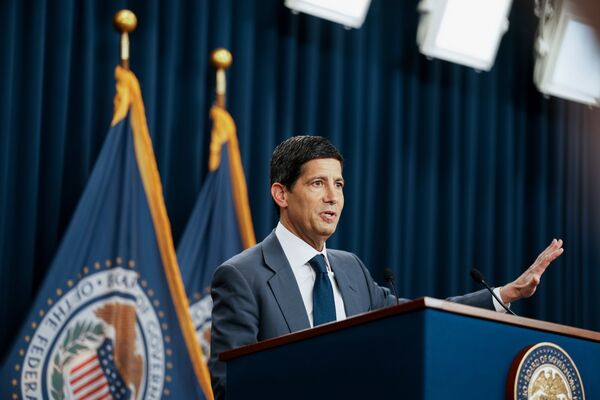
沃什表示,目前的会议频率,以及每次FOMC聚会后都举行新闻发布会,导致美联储观察人士和市场过度关注决策者的增量行动。
Warsh has said the current meeting frequency, and the inclusion of press conferences after each FOMC gathering, drives Fed watchers and markets to focus too narrowly on policymakers’ incremental actions.
他说,大问题——比如生产率或人口结构发生了什么,或者经济如何承受冲击——最终才更重要。
He said the big questions — like what’s happening with productivity or demographics, or how the economy is weathering shocks — ultimately matter more.
梅斯特和米德都表示,减少投票会议次数,并有意将其全年错开,将使决策者能在每次利率决策之间收集更多经济数据。这也能避免尴尬的日期,比如上周,官员们在关键的第三季度经济数据发布前一天才投票表决利率。那次会议也恰逢中期选举前几天,给美联储的决策蒙上了政治阴影。
Holding fewer voting meetings, intentionally spaced out throughout the year, would allow policymakers to gather more economic data between each rate decision, both Mester and Meade said. It could also avoid awkward dates, like last week’s, when officials voted on rates just a day before the release of key third-quarter economic data. That gathering also came just days before the midterm elections, casting a political shadow over the Fed’s decision.
但减少利率制定会议也有缺点。首先,改变会议节奏可能迫使美联储调整经济预测和利率预测的发布,目前这些发布遵循整齐的季度时间表,与每一次FOMC会议同步。
But there are also drawbacks to fewer rate-setting gatherings. For starters, shifting the cadence might force the Fed to alter the release of economic forecasts and rate projections, which currently fall on a neat, quarterly schedule in line with every other FOMC meeting.
Monetary Policy Analytics 的经济学家 Derek Tang 在致客户的通讯中写道,随着现场会议减少,官员们也可能更频繁地以超过传统的 25 个基点的幅度调整利率。即便只是预期会有更大幅度的调整,也可能引发更大的市场波动。
With fewer live meetings, officials might also more frequently move rates by larger amounts than the traditional quarter percentage point, Derek Tang, an economist at Monetary Policy Analytics, wrote in a note to clients. Even the expectation of larger moves could trigger greater market volatility.
主张减少会议次数但更好地把握会议时机的乔治城大学经济学家 Masaaki Yoshimori 表示,美联储在作出此类决定的同时,应明确表示如有需要将随时召开额外会议。
Georgetown University economist Masaaki Yoshimori, a proponent of moving to fewer but better-timed meetings, said the Fed should accompany such a decision with an explicit readiness to convene additional gatherings, if needed.
“从八次会议减至六次的风险,不一定在于平均而言六次常规会议是否足够,” 今年 8 月曾与 Warsh 会面的 Yoshimori 在一份研究报告中写道,“而在于意外冲击可能会在两次会议之间更长的间隔期内发生。”
“The risk associated with moving from eight to six meetings is not necessarily that six normal-period meetings are insufficient on average,” Yoshimori, who met with Warsh in August, said in a research paper. “It is that an unexpected disturbance may occur during the longer interval between meetings.”