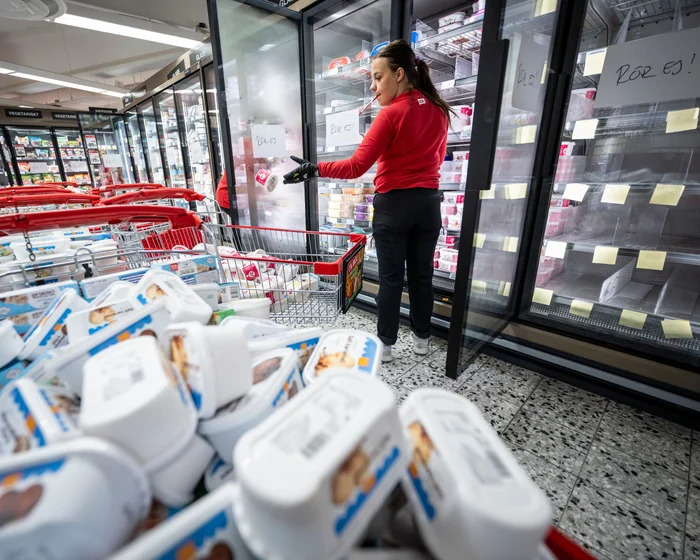
灰色地带侵略行动旨在散布恐慌。欧洲必须向破坏者展示我们的韧性。
Acts of greyzone aggression aim to spread panic. Europe has to show the saboteurs that we are resilient It was as though a ghostly hand had switched the settings on supermarket freezers across Europe from “freeze” to “defrost”.

仿佛有一只幽灵之手,将遍布欧洲各地超市冷柜的设定从“冷冻”切换到了“除霜”。从芬兰到爱尔兰,这些冷柜突然开始升温,许多达到50摄氏度,价值数百万欧元的食物不得不丢弃。但制造这场熔毁并不需要实际的手。这是一次网络攻击,或者说是一连串攻击。正如2026年几乎所有事物一样,超市冷柜已实现数字化赋能。这让它们更智能、更高效,但像所有连接互联网的事物一样,也让它们更脆弱。
From Finland to Ireland, they suddenly began heating up, many reaching 50C and food worth millions of euros had to be thrown away. But no actual hand was needed to cause the meltdown. This was a cyber-attack, or rather a chain of attacks. Like pretty much everything else in 2026, supermarket freezers are digitally enabled. That makes them smarter and more efficient, but like everything else that is connected to the internet, it also makes them more vulnerable.
俄罗斯黑客活动家声称对部分超市破坏负责,但没人能确定。也可能是伊朗、伊朗代理人、朝鲜——或是无组织的“卧室黑客”。两年前伦敦交通局遭遇毁灭性黑客攻击时,肇事者竟是两名英国少年。政府定期警告零售商等企业防范网络攻击,甚至为企业提供网络防御培训。昂贵的勒索软件和网络攻击教训也让许多大型组织和零售商在保护支付和物流系统方面变得好得多。
Russian hacktivists claimed they were behind some of the supermarket sabotage, but no one knows for sure. It could also be Iran, Iranian proxies, North Korea – or unaffiliated bedroom hackers. When Transport for London suffered a devastating hack two years ago, the culprits turned out to be two British teenagers. Governments regularly warn retailers and other companies about cyber-attacks and even provide cyber-defence training to businesses. The lessons of costly ransomware and cyber-attacks also mean many big organisations and retailers have become much better at keeping their payments and logistics systems safe.
伊丽莎白·布劳是瑞典安全专家,著有《海底战争:世界底部的国际霸权之战》。
Elisabeth Braw is a Swedish security expert and the author of The Undersea War: The International Battle for Supremacy at the Bottom of the World