神秘网络攻击袭击欧洲超市冷柜 官员争相弄清真相凯尔文·陈、艾玛·伯罗斯、梅内拉奥斯·哈吉科斯蒂斯 伦敦 —— 神秘网络攻击袭击欧洲超市冷柜,令整个大陆的官员争相弄清真相。
Mysterious cyberattacks on European supermarket fridges have officials scrambling to understand what happened. KELVIN CHAN, EMMA BURROWS, MENELAOS HADJICOSTIS LONDON — Mysterious cyberattacks on European supermarket fridges have sent officials around the continent scrambling to figure out the cold, hard facts.
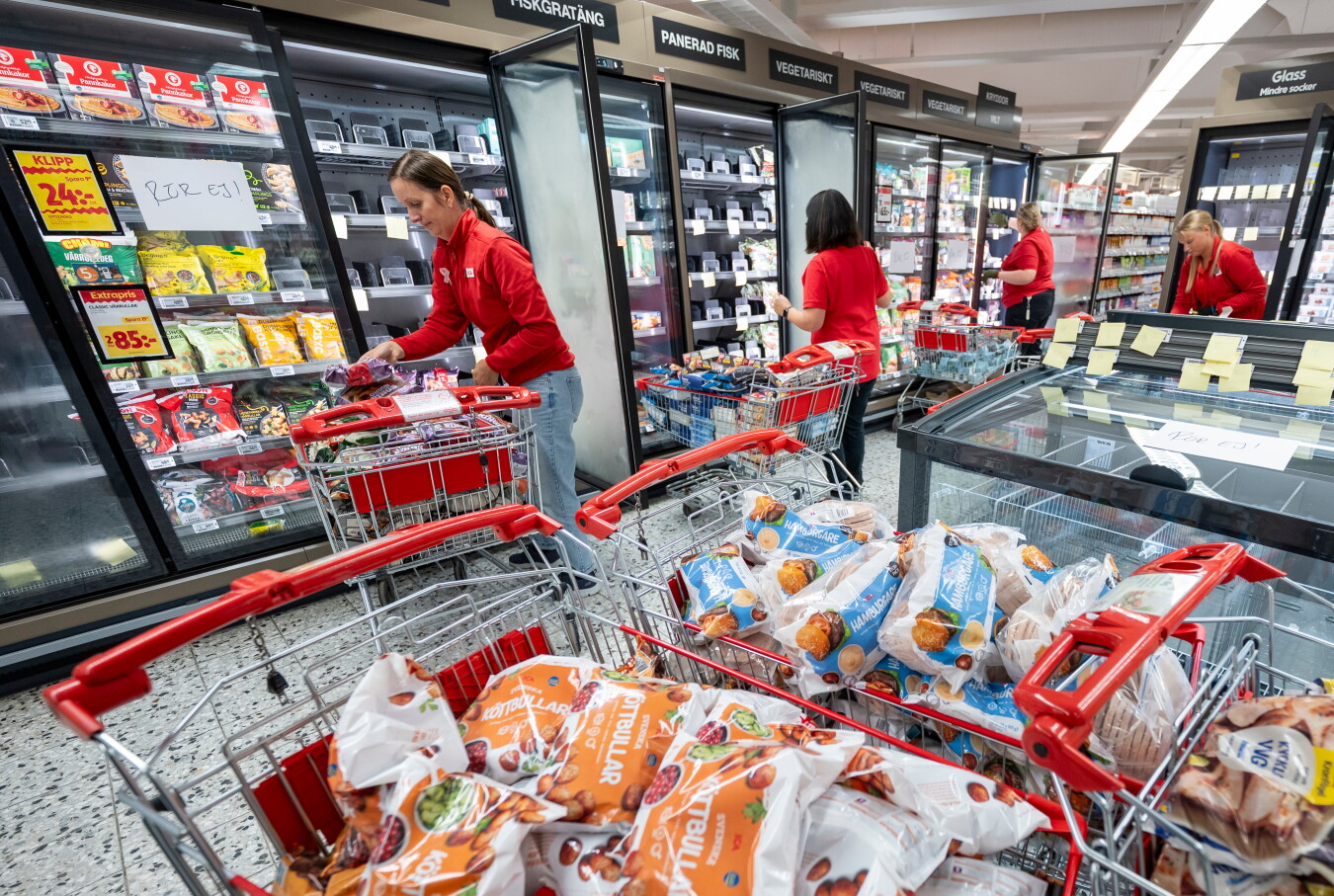
多个欧洲国家的超市本周报告称,其冷藏柜和冷冻柜在被远程接管后温度升高,导致数吨食物变质,总损失达数百万美元(欧元)。
Supermarkets in a number of European countries reported this week that their fridges and freezers warmed up after they were remotely taken over, resulting in tons of spoiled food at a total cost of millions of dollars (euros).
一家瑞典超市表示,其冷藏柜和冷冻柜遭到黑客入侵,温度被设定为 50 摄氏度(122 华氏度)。
One Swedish supermarket said its fridges and freezers had been hacked and set to 50 degrees Celsius (122 degrees Fahrenheit).
这是早前一起事件的重演,那次事件波及法国、比利时和荷兰数百家超市和独立商店的制冷系统。详细情况如下:发生了什么、谁受到了影响 至少六个欧洲国家的超市,包括瑞典、比利时、卢森堡、爱尔兰、意大利和爱沙尼亚,周一报告出现问题。不只是大型连锁店受影响。
It’s a repeat of an earlier incident that struck refrigeration systems in hundreds of supermarkets and independent stores across France, Belgium and the Netherlands. Here’s a closer look: What happened and who was affected Supermarkets in at least half a dozen European countries, including Sweden, Belgium, Luxembourg, Ireland, Italy and Estonia, reported problems on Monday. It wasn’t just big chains.
一家雅典肉铺的老板周二告诉希腊私营电视台 Skai TV,有人入侵了制冷设备的温控系统,将温度升至 150 摄氏度(302 华氏度)。
The owner of a butcher shop in Athens told private Greek Skai TV Tuesday that someone hacked into the temperature control of a refrigeration unit, raising the temperature to 150 degrees Celsius (302 Fahrenheit).
乔治·布巴斯表示,他在基菲西亚郊区的店里,早上 4 点上班的员工最先发现问题。一名技术人员花了两小时才夺回设备温控设置的控制权,不过肉制品未受影响,他说。
George Boubas said his employees who start their shift at 4 a.m. at the shop in the Kifisia suburb first noticed the problem. It took a technician two hours to wrest back control of the unit’s temperature settings, although the meat products weren’t affected, he said.
布巴斯说,技术人员告诉他,附近一家超市和一家快餐店遇到了相同问题。
Boubas said the technician told him that an area supermarket and a fast-food restaurant experienced the same issue.
他说,他们不得不切断制冷设备的 Wi-Fi 连接,以限制外部访问。
He said they resorted to switching off the Wi-Fi connection to the refrigeration units to restrict outside access.
专家表示,这些网络攻击提醒人们,随着更多事物接入互联网,风险也随之而来。
Experts said the cyberattacks were a reminder of the risks that come as more things get connected to the internet.
“这是一次警钟。我们在家里和商店里放满了实际上是小型计算机的设备,却仍然把它们当作普通家电对待,”瑞士圣加仑大学网络安全教授卡特琳娜·米特罗科察说。
“This attack is a wake-up call. We have filled our homes and shops with devices that are really small computers, yet we still treat them like ordinary appliances,” said Katerina Mitrokotsa, a cybersecurity professor at the University of St. Gallen, in Switzerland.
“冰箱看起来不像安全风险,这正是攻击者青睐它的原因。” 冰箱联网是为了省钱和减少浪费 此次网络攻击与几周前主要针对法国和荷兰零售商的一次攻击如出一辙。
“A fridge doesn’t look like a security risk, and that’s exactly why attackers like it.”Fridges are connected to save money and cut waste The cyberattack mirrors one that happened weeks earlier that affected mainly French and Dutch retailers.
法国网络安全调查人员将问题归咎于丹麦公司丹佛斯和美国公司科普兰生产的过时远程控制模块。丹佛斯表示,大多数受影响的系统是不再接收软件或安全更新的旧产品,而科普兰则查明了已停产控制器中的一个漏洞。
French cybersecurity investigators blamed problems with outdated remote control modules made by Danish company Danfoss as well as U.S.-based Copeland. Danfoss said most affected systems were older products that no longer received software or security updates, while Copeland identified a vulnerability in discontinued controllers.
“超市将冰箱联网,以便在数百家门店全天候监控温度,在食物变质前收到预警,降低能源成本,并让技术人员远程排除故障,”米特罗科察说。
“Supermarkets connect their fridges so they can monitor temperatures around the clock across hundreds of stores, get alerts before food spoils, cut energy costs and let technicians fix faults remotely,” Mitrokotsa said.
“这能省钱并减少食物浪费,但每一台联网冰箱也是一个入口点,需要像保护其他任何IT系统一样加以保护。” 专家表示,许多企业正急于拥抱时髦的新技术,却忽视了它们赖以维持日常运营的庞大连接网络,从支付和订购系统到仓库、制冷及其他楼宇控制系统。
“This saves money and reduces food waste, but every connected fridge is also an entry point that needs to be secured like any other IT system.”Experts said many businesses are rushing to embrace trendy new technology while neglecting the vast network of connections that they rely on for their daily operations, from payment and ordering systems to warehouses, refrigeration and other building controls.
“组织将预算倾注于AI和数字化转型,而那些维持食物冷藏、水质洁净、灯光亮起的系统,往往运行在自安装以来就未再获得资金投入的硬件上,”网络安全公司Darktrace安全与AI战略高级副总裁妮可·卡里尼昂说。
“Organizations are pouring budget into AI and digital transformation while the systems that keep food cold, water clean, and lights on often run on hardware that has not been funded since installation,” said Nicole Carignan, senior vice president of security and AI strategy at cybersecurity company Darktrace.
“没有人利用零日漏洞入侵这些制冷系统,”她说,使用了一个术语来指代系统创建者和安全审查未能发现的缺陷。“他们是通过面向互联网的控制器、生命周期已结束的固件和默认密码进入的。这是技术债到期偿还了。”
“Nobody broke into these refrigeration systems with a zero-day,” she said, using a term for a flaw that has gone undetected by the system’s creators and security reviews. “They got in through internet-facing controllers, end-of-life firmware, and default passwords. That is technical debt coming due.”
英国网络安全官员周二对最新攻击鲜有披露,同时指出了他们所谓的“老旧技术”。
British cybersecurity officials on Tuesday shed little light on the latest attack, while pointing to what they called “legacy technology.”
“法国超市遭受的网络攻击是由于已知漏洞被利用所致,”英国网络安全大臣利兹·劳埃德在演讲中说。“这清楚地表明,糟糕的网络卫生习惯,如弱密码,继续使组织面临风险。”
“The cyberattack on French supermarkets was a result of exploitation of known vulnerabilities,” U.K. cyber minister Liz Lloyd said in a speech. “It’s a clear demonstration that poor cyber hygiene, like weak passwords, continues to put organizations at risk.”
英国国家网络安全中心负责人理查德·霍恩告诉记者,这些法国冰柜“直接连接在互联网上并使用默认密码”。他说,该中心的一个团队发出了警告,并在周一晚上通宵联系拥有“暴露在外的脆弱技术”的组织。
Richard Horne, the head of the U.K.’s National Cyber Security Center, told reporters the French fridges were “connected directly to the internet with default passwords.”A team from the center issued warnings and worked through Monday night contacting organizations that had “vulnerable technology exposed,” he said.
目前没有证据表明人工智能参与其中 最近,来自Anthropic和OpenAI等公司的先进人工智能系统因一系列披露显示它们在逃避人类控制的情况下入侵组织而备受抨击。然而,专家周二表示,他们认为这些攻击并非由人工智能驱动。
No evidence so far that AI was involved Advanced artificial intelligence systems from companies like Anthropic and OpenAI have come under fire recently after a string of revelations that they hacked into organizations while evading human control. Experts, however, said Tuesday that they didn’t think these attacks were powered by AI.
“没有证据表明使用了人工智能,而且这些技术并不需要它,”卡里尼昂说。
“There is no evidence AI was used, and the techniques did not require it,” said Carignan.
“我认为关键在于这不是人工智能攻击,”英国网络安全中心运营总监保罗·奇切斯特说。“这是利用那些绝对已经存在很长一段时间的漏洞。这才是我们真正需要重点关注的地方。”
“I think the key element of that is that this wasn’t an AI attack” said Paul Chichester, director of operations at the U.K. cyber center. “This is using vulnerabilities that absolutely have been out there for a long period of time. And that’s where we really need to sort of focus on.”
攻击者是谁、动机是什么 迄今为止,调查未能查明是谁实施了这些网络攻击,动机为何。
Who’s behind it and what’s the motive Investigations have so far failed to discover who might have carried out the cyberattacks and why.
法国国家网络安全局(ANSSI)表示,自10月中旬以来一直在调查制冷系统遭入侵事件,并正与“所有可能受影响的行业”协调防护措施。该机构在向美联社发表的声明中称,已知丹佛斯(Danfoss)的AK-SM和AK-SC系列、科普兰(Copeland)以及迪克司(Dixell)xweb系统的远程制冷控制器遭到入侵。
France’s national cybersecurity agency, ANSSI, said it has been investigating refrigeration-system breaches since mid-October and coordinating protective measures with “all sectors that could be affected.”In a statement to The Associated Press, the agency said it knew of compromised remote refrigeration controllers in Danfoss’s AK-SM and AK-SC ranges, as well as Copeland and Dixell xweb systems.
ANSSI表示,已调动力量协助“法国境内的潜在受害者”,并指向一份于10月12日首次发布、并定期更新的安全警报。
ANSSI said it was mobilized to assist “potential victims in France” and pointed to a security alert first published Oct. 12, which has been updated regularly.
据意大利通讯社ANSA报道,意大利网络安全和情报官员定于周二上午开会讨论该事件。欧盟执委会官员也在举行类似会议。
Italian cybersecurity and intelligence officials were scheduled to meet Tuesday morning to discuss the incident, according to Italian news agency ANSA. Officials at the European Union’s executive Commission were also holding similar meetings.
欧盟委员会发言人托马斯·雷尼耶(Thomas Regnier)周二拒绝就黑客可能的身份发表评论,称这由欧盟27个成员国的国家主管部门来查明。
European Commission spokesperson Thomas Regnier declined on Tuesday to comment on who might have carried out the hacks, saying that’s up to the bloc’s 27 national authorities to figure out.
雷尼耶对记者表示,这些事件“并非孤立发生”,欧洲人“必须共同保持韧性,并为这类网络事件做好准备”。哈吉科斯蒂斯(Hadjicostis)在塞浦路斯尼科西亚发回报道。
Regnier told reporters the incidents “are not isolated” and that Europeans “have to be collectively resilient and prepared for such cyber incidents.”Hadjicostis reported from Nicosia, Cyprus.