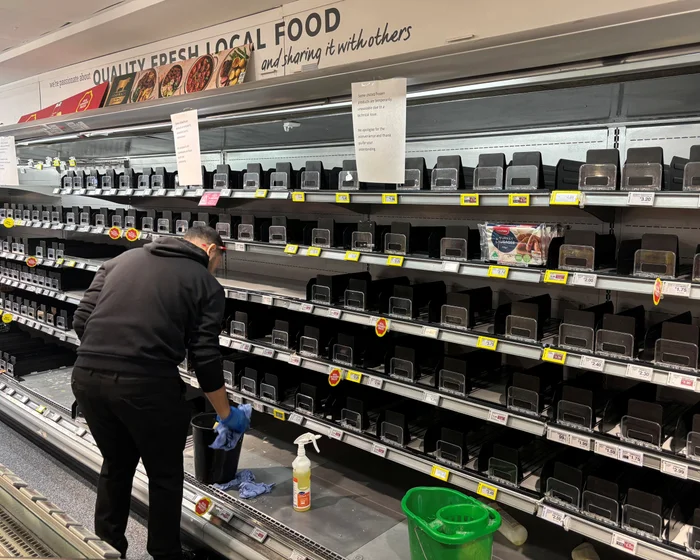
英国肉类供应商遭遇网络攻击,此前黑客将欧洲各地超市冷冻柜的温度调高。
Meat suppliers in the UK have been hit by cyber-attacks after hackers raised the temperatures of supermarket freezers across Europe.
英国国家网络安全中心(NCSC)表示,正与受影响公司合作,但全国性影响微乎其微。
The UK's National Cyber Security Centre (NCSC) said it was working with the affected companies but that the national impact was minimal.
周二,在NCSC年度回顾发布会上,该中心运营总监保罗·奇切斯特(Paul Chichester)表示:“我们知晓英国发生的这些事件,显然正与受影响组织合作。我们将持续监控事态发展。“目前,影响微乎其微。”
Speaking at the launch of the NCSC annual review on Tuesday the centre's director of operations, Paul Chichester, said: "We're aware of those incidents in the UK, and obviously we're working with the affected organisations. We'll keep monitoring that.
与此同时,网络安全专家报告称,针对“诱饵”冰箱控制系统的攻击——这些系统被故意放在网上以引诱潜在黑客——显示出与以往与俄罗斯有关联的恶意行动相似的特征。
"At the moment, the impact is minimal." Cybersecurity experts meanwhile reported that attacks on "dummy" fridge controls – deliberately placed online to lure would-be hackers – displayed characteristics similar to previous malicious operations linked to Russia.
比利时、爱沙尼亚、爱尔兰、芬兰、卢森堡、荷兰和瑞典的零售商周一报告其制冷系统出现问题——部分温度升高至50摄氏度(122华氏度)——多家公司确认已遭黑客入侵。这紧随上个月法国发生的类似事件。据悉,针对法国超市冰箱的网络攻击涉及连接互联网且使用默认密码的老旧技术。目前尚无英国连锁超市直接受影响。
Retailers in Belgium, Estonia, Ireland, Finland, Luxembourg, the Netherlands and Sweden reported problems with their refrigeration systems on Monday – with some rising to as high as 50C (122F) – and several companies confirmed they had been hacked. It follows similar incidents in France last month It has emerged that the cyber-attack on French supermarket fridges involved legacy technology connected to internet with default passwords. No UK grocery chain has been directly affected so far.
奇切斯特表示,作为政府通讯总部(GCHQ)间谍机构一部分的NCSC,正与组织合作,识别其技术中类似的漏洞,并在黑客利用前予以修补。
Chichester said the NCSC, part of the GCHQ spy agency, was working with organisations to identify similar loopholes in their technology and close them before hackers exploit them.
他表示,NCSC无法评论攻击可能由谁发动,但指出这些攻击并非由人工智能驱动,而是利用了“长期存在”的漏洞。
He said the NCSC was not able to comment on who might have carried out the attacks, but that they were not AI-enabled and had used vulnerabilities that had been "out there for a long period of time".
NCSC首席执行官理查德·霍恩(Richard Horne)表示,冰箱攻击代表了企业和公众面临的扩大的网络威胁的“山脚”,因为人工智能系统凸显了IT网络中所有者未察觉或疏于修补的缺陷。“外面存在着如此多的漏洞……可以说正等待被利用,”他说。
The NCSC's chief executive, Richard Horne, said the fridge attacks represented the "foothills" of an enlarged cyberthreat that companies and the public face as AI systems highlight flaws in IT networks that owners were not aware of or neglected to patch. "There are so many vulnerabilities out there that … you could say are waiting to be exploited," he said.
该机构首席技术官奥利·怀特豪斯表示,在某些情况下,连接互联网的日常家用设备会容易受到黑客攻击。他说,需要鼓励制造商让其技术更安全,消费者也需要接受为更安全的设备支付更多费用。
The agency's chief technology officer, Ollie Whitehouse, said everyday domestic devices connected to the internet would be susceptible to hackers in certain situations. He said manufacturers needed to be encouraged to make their technology safer, and consumers needed to accept paying more for safer equipment.
英国独立肉类供应商协会(Aims)告诉BBC,其300多名会员中的一些人受到了影响,一家公司的冷藏设备温度升至高达100摄氏度,另外两家报告称其设备开始解冻。Aims表示,受影响的设备当时是空的,没有产品损失。
The British Association of Independent Meat Suppliers (Aims) told the BBC some of its more than 300 members had been affected, with one company's cold units heating to up to 100C and another two reporting their units had started to defrost. Aims said the affected units were empty at the time and no produce was lost.
网络安全研究人员表示,针对丹佛斯冰箱控制器诱饵系统的攻击——这些系统是欧洲大陆黑客的攻击目标——与近期与俄罗斯有关联的行动相似。
Cybersecurity researchers said attacks on dummy Danfoss fridge controls – which were targeted by the hackers in mainland Europe – were similar to recent operations linked to Russia.
网络防御公司Lupovis的首席执行官泽维尔·贝勒肯斯表示,该公司在10月20日至30日期间,通过部署与真实丹佛斯冰箱控制器无法区分的在线“蜜罐”陷阱,记录到了来自91个不同来源的256次攻击尝试。
Xavier Bellekens, the chief executive of the cyberdefence firm Lupovis, said it had recorded 256 attempted attacks from 91 different sources between 20 October and 30 October after setting up online "honeypot" traps that are indistinguishable to attackers from real Danfoss fridge controllers.
试图控制这些诱饵控制器的攻击者保持匿名,但大多数认证尝试使用了制造商公开记录的出厂默认用户名和密码凭证。
The attackers attempting to gain control of the dummy controls remained anonymous, but most of the authentication attempts used the manufacturer's publicly documented factory-default username and password credentials.
他们还使用了贝勒肯斯所谓的“防弹”托管服务,即使用那些对恶意活动特别宽容、往往无视滥用投诉或让当局难以干扰其客户运营的互联网服务提供商。
They also used what Bellekens called "bulletproof" hosting, which means using internet service providers that are particularly tolerant of malicious activity, often ignore abuse complaints or make it difficult for authorities to disrupt their customers' operations.
他说:“引起我们注意的是,近期探测活动涉及的基础设施,与我们之前关联到俄罗斯相关恶意行动的基础设施存在重叠。”
"What caught our attention was the overlap between infrastructure involved in the recent probing activity and infrastructure we have previously associated with Russian-linked malicious operations," he said.
“虽然我们目前还无法确定具体是哪个团体,但符合这种特征的行为体数量相对较少,而且我们观察到这些行为体用于探测的防弹主机,此前曾被俄罗斯团体使用过。”
"While we are not able to pinpoint a group yet, the number of actors that fit this bill is relatively small and the bulletproof hosting we have seen being used by these actors for probing was also being used by Russian groups some time ago."