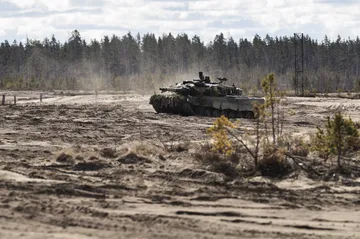
芬兰正在研究乌克兰式反坦克障碍物,以加强其与俄罗斯的边境防御,因为它正致力于强化北约东翼防线,以应对一个正在迅速重整军备的对手。
Finland is studying Ukraine-style anti-tank obstacles to bolster its border with Russia as it works to strengthen defenses on NATO’s eastern flank against a rapidly rearming foe.
芬兰陆军司令帕西·瓦利迈基中将在接受采访时表示,即使其对乌克兰的全面入侵已拖入第五个年头,俄罗斯已经开始重建其军事能力。
Lieutenant General Pasi Välimäki, commander of the Finnish Army, said in an interview that Russia had already begun rebuilding its military capacity, even as its full-scale invasion of Ukraine grinds into a fifth year.
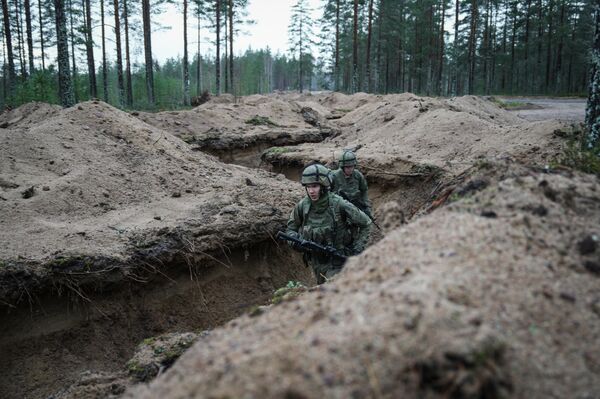
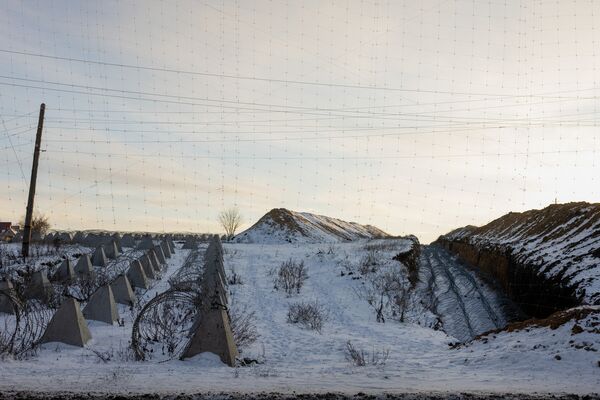
瓦利迈基说,在这场冲突中,基辅部队利用广泛的防御工事和反坦克障碍物减缓了进攻方的步伐。双方均未找到可靠的方法突破这些防线并恢复大规模的机动作战。
In that conflict, Kyiv’s forces have used extensive defensive lines and anti-tank obstacles to slow attackers. Neither side has found a reliable way to break through them and restore large-scale movement and maneuver, Välimäki said.
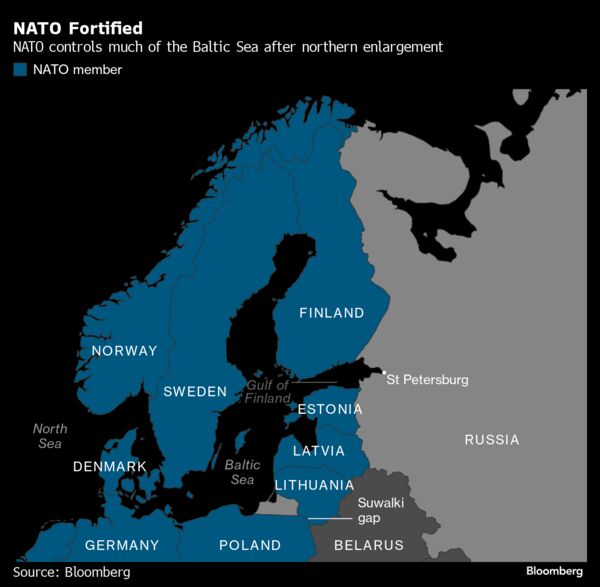
芬兰与俄罗斯共享一条长1340公里(830英里)的边境,约占北约与俄罗斯陆地边界的一半,芬兰必须确定在乌克兰使用的类似设施在严酷的北方气候条件下会表现如何。
Sharing a 1,340-kilometer (830-mile) border with Russia, accounting for about half of NATO’s land frontier with that country, Finland must determine how structures similar to those used in Ukraine would fare in harsh northern weather.
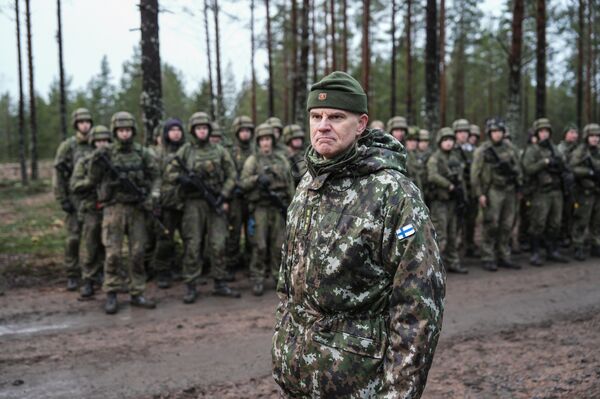
“芬兰的条件更具挑战性,”瓦利迈基说。“如果我们修建工事、挖掘像乌克兰那样深的反坦克壕或障碍物,我们的环境需要多久才会把它们变成人工池塘?”他说,俄罗斯补充武器库存的努力开始显现一些成效,T-90坦克、BMP-3步兵战车和2S19自行榴弹炮正被运往储存地点。
“Conditions in Finland are more challenging,” Välimäki said. “If we build fortifications and dig anti-tank ditches or obstacles as deep as those in Ukraine, how long does it take before our environment turns them into artificial ponds?”Russia’s efforts to replenish its weapons stockpiles are starting to show some effects, he said, with T-90 tanks, BMP-3 infantry fighting vehicles and 2S19 self-propelled howitzers being delivered to storage sites.
芬兰缺乏阻止这种重整军备的能力。相反,目标是通过让俄罗斯军队相信进攻注定会失败,从而实现威慑,他说。
Finland lacks the capacity to prevent that rearming. Rather, the goal is to deter Russia by convincing its military that an attack would fail, he said.
“我们现在所做的一切,都是为了设立一个门槛,使俄罗斯不再进一步行动,无论谈的是联盟还是芬兰,”瓦利迈基说。
“Everything we are doing now is about creating a threshold so that Russia does not go any further, whether we are talking about the alliance or Finland,” Välimäki said.
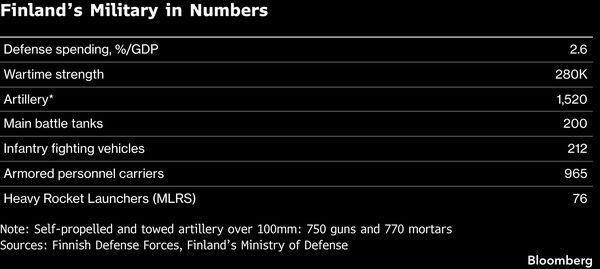
即使许多欧洲国家在冷战后削减了军力,芬兰仍保留了征兵制并维持了领土防御预备役。尽管人口仅有560万,其军队在战时可动员约28万兵力。
Finland continued conscription and maintained territorial defense reserves after the Cold War, even as many European nations reduced their forces. Despite a population of just 5.6 million, its military can call on about 280,000 troops in wartime.
“乌克兰战争爆发时,我们提高了备战水平,并在两年内让6万人接受了复训,”瓦利迈基说。“我们还迅速开始补充关键物资储备。”芬兰目前正在对其陆军进行改革,改革将持续到2030年代末,涵盖装备、兵力结构、备战状态和持续作战能力。瓦利迈基说,基本方针——通过做好准备来威慑攻击——没有变。变的是所需的规模。
“When the war in Ukraine began, we improved our readiness and put 60,000 people through refresher training over two years,” Välimäki said. “We also quickly began replenishing stocks of critical materiel.”Finland is now carrying out an overhaul of its land forces that will run through the end of the 2030s, covering equipment, force structure, readiness and the capacity to sustain combat. The basic approach — deterring an attack by being prepared — hasn’t changed, Välimäki said. What has changed is the scale required.
他说:“我们需要储备好随时可用的弹药、生产体系和受训人员,其规模与2022年之前不同。必须比以往更大、更可持续、技术更先进。”芬兰国防部在一份书面声明中说,芬兰将在陆军改革上的支出,至少相当于其正在进行的战略海军和空军项目总资金。这两个项目的总资金为116亿欧元(约合130亿美元)。
“The scale of the ammunition, production systems and trained personnel that we need to have ready for use is different from what it was before 2022,” he said. “It has to be larger, more sustainable and technologically more advanced than before.”Finland will spend at least as much on the overhaul of its land forces as on its ongoing strategic Navy and Air Force programs combined, the Defense Ministry said in a written statement. Those programs have total funding of €11.6 billion ($13 billion).
作为更广泛采购计划的一部分,芬兰正在扩充韩华航空航天公司K9自行榴弹炮舰队,将其重型多管火箭系统现代化以实现近500公里射程,并准备替换其BMP-2步兵战车。
As part of a much broader procurement drive, Finland is expanding its Hanwha Aerospace Co. Ltd. K9 self-propelled howitzer fleet, modernizing its heavy multiple-launch rocket systems to fire almost 500 kilometers, and preparing to replace its BMP-2 infantry fighting vehicles.
对乌克兰的袭击显示了芬兰可能面临的空中和导弹威胁的规模。根据联盟的“东翼威慑线”概念,仅拦截来袭导弹和无人机是不够的——防守方还必须能在发射器开火前将其打击,瓦利迈基说。
Attacks on Ukraine have shown the scale of the air and missile threat Finland may face. Under the alliance’s Eastern Flank Deterrence Line concept, it isn’t enough to shoot down incoming missiles and drones — defenders must also be able to strike the launchers before they fire, Välimäki said.
他说:“对芬兰人来说,这是一个棘手的问题,因为这意味着打击俄罗斯境内的目标。”
“For Finns, this is a difficult issue, because it means hitting targets on the Russian side,” he said.
芬兰已经开始用64架洛克希德·马丁公司的F-35A战斗机替换其F/A-18“大黄蜂”战机,首批飞机已交付。芬兰还订购了以色列的“大卫投石索”导弹防御系统,该系统由拉斐尔先进防御系统公司生产,在伊朗战争中已投入大量实战使用。
Finland has already begun replacing its F/A-18 Hornets with 64 Lockheed Martin Corp. F-35A fighters, with the first aircraft delivered. It has also ordered Israel’s David’s Sling missile-defense system, produced by Rafael Advanced Defense Systems Ltd., which has seen extensive action in the Iran war.
瓦利迈基否定了新技术已使传统武器过时的观点。他说,无人机已成为战场的主要组成部分,但它们只是需要考虑的一个要素。
Välimäki rejects the idea that new technology has made traditional weapons obsolete. Drones have become a major part of the battlefield, Välimäki said, adding that they are only one element to consider.
乌克兰也凸显了在长期冲突中补充装备和弹药的必要性,瓦利迈基希望拥有能够迅速扩产的国内生产能力。
Ukraine has also underscored the need to replenish equipment and ammunition during a prolonged conflict, and Välimäki wants domestic production that can expand rapidly.
他说:“我希望芬兰具备大规模量产的扩产能力——即在和平时期可维持备战和日常训练消耗的生产,在危机和冲突时期能扩大十倍。”
“What I would like Finland to have is the ability to scale for mass-production in large volumes — production for readiness and daily training consumption that can be maintained in peacetime and scaled up tenfold in crisis and conflict,” he said.
这一推动反映了芬兰在北大西洋公约组织东翼面对实力大得多的对手时,作战方式受到的根本性制约。
The push reflects a fundamental constraint on how Finland can fight a much larger opponent on the eastern flank of the North Atlantic Treaty Organization.
瓦利迈基说:“我们不想打消耗战。我们是一个500万人口的国家,无法按那种逻辑行事。”
“We do not want a war of attrition,” Välimäki said. “We are a country of five million people, and we cannot operate on that logic.”