
上周,对冲基金以有记录以来最快速度之一抛售全球科技股,因为对政治反对意见可能破坏数据中心建设的担忧,引发了对人工智能交易的激进重新评估。
Hedge funds sold global technology stocks at one of the fastest paces on record last week, as concerns that political opposition could derail the data-center buildout triggered an aggressive reassessment of the artificial intelligence trade.
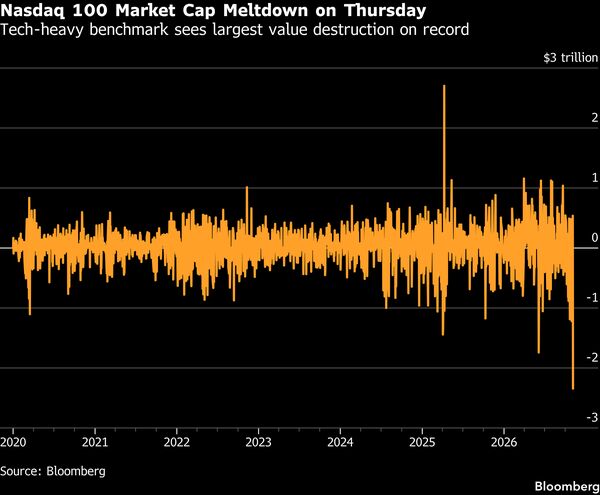
根据高盛集团截至11月6日的主经纪商数据,上周科技板块是全球和美国被净卖出最多的板块,其净卖出比例大致相当于高盛自2016年有记录以来的最高水平。此举还引发了四个月来最大的一波个股净卖出浪潮。
Tech was by far the most heavily net-sold sector globally and in the US last week, with the percentage amount roughly matching the record in Goldman Sachs Group Inc. data going back to 2016. The move also triggered the biggest wave of single-stock net selling in four months, according to the bank’s prime brokerage data as of Nov. 6.
在美国中期选举对未来数据中心建设速度以及相关的半导体和其他基础设施需求产生疑问后,投资者竞相降低风险。市场参与者越来越关注未来几年实际将建设多少产能。对冲基金还以2020年4月以来最快的速度清仓了美国工业股。
Investors rushed to reduce risk after the US midterm elections raised questions about the pace of future data-center development and the associated demand for semiconductors and other infrastructure. Market participants increasingly focused on how much capacity would actually be built over the coming years. Hedge funds also unloaded US industrial stocks at the fastest pace since April 2020.
这种回调体现在仓位上。美国基本面多空基金的总杠杆率(兼顾多头和空头仓位)下降了8.7个百分点至207.5%,创下2020年3月以来的最大周跌幅。不包括空头仓位的净杠杆率下降了3.7个百分点至43.3%,创下2025年4月“解放日”当周以来的最大周跌幅。
The pullback was reflected in positioning. Gross leverage — which accounts for both long and short positions — among US fundamental long-short funds fell 8.7 percentage points to 207.5%, marking the largest weekly decline since March 2020. Net leverage, which excludes short positions, dropped 3.7 percentage points to 43.3%, the largest weekly decline since the week of “Liberation Day” in April 2025.
不过,到上周接近尾声时,出现了企稳的迹象。根据高盛股票交易台的数据,对冲基金本周最终成为净买家,这主要受周五买盘的推动,而这在很大程度上归因于对指数和交易所交易基金等宏观仓位的回补。
There were signs of stabilization toward the end of the week, however. Hedge funds finished as net buyers for the week in Goldman’s equity trading desk data, driven primarily by Friday’s buying, which was largely attributed to covering macro positions such as indexes and exchange-traded funds.