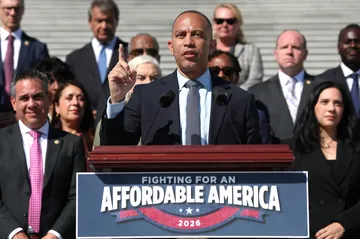
中期选举传递的核心信息是,美国民众正在为生活成本而挣扎。以防有人没看清,他们现在就需要减负。这将把更多目光聚焦到美联储身上:主席凯文·沃什会竭尽全力降低通胀,还是会迁就想要降低利率的白宫?
The big message from the midterms is that Americans are struggling with the cost of living. In case anyone missed it, they need relief now. This will put even more attention on the Federal Reserve: Will Chair Kevin Warsh do all he can to bring down inflation or placate the White House, which wants lower interest rates?
这些都是错误的提问。解决负担能力问题的办法不在美联储及其生硬的利率工具手中,而在国会手中,国会有两年时间在选票重新发挥作用前,设计出真正的减负方案。经济不存在通胀问题,但确实存在负担能力问题。这是两个不同的问题,因为当下的高物价关乎供给过少。
These are the wrong questions to ask. The solutions to affordability don’t lie with the Fed and its blunt interest-rate tool; they lie with Congress, which has two years to engineer real relief before the ballot box is back in play. The economy does not have an inflation problem, but it does have an affordability problem. These are separate issues because high prices today are about too little supply.
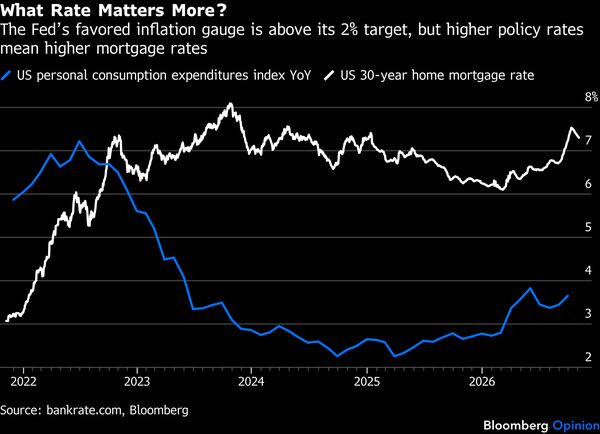
最新通胀读数显示物价水平上涨3.6%。阿波罗全球管理公司首席经济学家托尔斯滕·斯洛克估计,美联储需再将政策利率上调2.75个百分点至6.75%,才能将通胀降至2%的目标。幅度过大。经济目前可能略微过热,这或许能为几次加息提供理由,但并未过热到需要采取如此激进手段的程度,即便是为了达到美联储的目标也不值得。
The latest inflation reading was a 3.6% increase in the price level. Apollo Global Management Inc. Chief Economist Torsten Slok estimates the Fed would need to take its policy rate up another 2.75 percentage points to 6.75% to get inflation to its 2% goal. That’s too much. The economy may be running a bit hot right now, which could justify a few rate increases, but it’s not overheating to the degree where such an aggressive approach makes sense, not even to hit the Fed’s target.
当今经济中的许多高价与供给制约挂钩:住房不足、医疗供给不足、能源供应不足、移民工人短缺,加上关税的影响。这些因素超出美联储的控制范围。
Many of the high prices in the economy today are tied to supply constraints: There’s insufficient housing, healthcare provision and energy supply and a dearth of migrant workers, plus the impact of tariffs. These are factors beyond the Fed’s control.
还有一些结构性力量在起作用,即便在最理想的情况下,也可能导致更高的通胀率。人口老龄化意味着消费者增多而工人减少。甚至在关税出台前,我们就已在收缩贸易,逆转了数十年来通过提高生产效率、增加更多低成本劳动力来降低物价的全球化进程。这些趋势指向美联储将难以遏制的那类通胀。
There are also structural forces at work that could result in a higher inflation rate even under the best of circumstances. An aging population means more consumers and fewer workers. And even before tariffs, we had been pulling back on trade, countering decades of globalization that lowered prices by making production more efficient and adding more low-cost labor to the mix. These trends point to the type of inflation that the Fed will struggle to arrest.
如果决策者采取强硬行动,他们冒着引发严重衰退的风险,而收益却微乎其微。前美联储主席保罗·沃尔克在20世纪80年代让经济陷入衰退,以将通胀从13%以上降下来。现在通胀略低于4%——虽高但可控。今天的衰退对美国家庭的伤害可能比当前的通胀率更大。
If they act forcefully, policymakers risk a serious recession with little benefit. Former Fed Chair Paul Volcker took the economy into recession in the 1980s to bring inflation down from more than 13%. Inflation is now just under 4% — high but manageable. A recession today could be even worse for American households than the current inflation rate.
科技行业之外,许多部门已经在4%的政策利率环境下举步维艰。进一步加息可能导致大量失业或企业倒闭。即使是科技行业,也存在借贷成本开始产生负面影响的临界点。股市大跌将抹去大量家庭财富,60%的美国人持有股票。抵押贷款利率将上升,很可能远超8%或9%。
Outside of technology, many sectors are already struggling with a 4% policy rate environment. Going higher may bring significant job losses or firm failures. Even tech has a point where borrowing costs start to bite. A big drop in stocks, which 60% of Americans hold, would wipe out significant household wealth. And mortgage rates would rise, probably well above 8% or 9%.
也许这一切都是值得的,以缓解负担能力问题而挣扎的家庭。但家庭之所以受苦,是因为能源、医疗和住房的价格,这些都是由供给端驱动的。更高的利率可能会通过增加消费者借贷成本,以及因失业和增长放缓导致实际工资下降,加剧负担能力的缺失。
Perhaps it is all worth it to relieve households struggling with affordability. But households are suffering because of the price of energy, healthcare and housing, which are all supply driven. Higher rates may worsen the lack of affordability by increasing consumer borrowing costs and reducing inflation-adjusted wages from job loss and slower growth.
美联储的公信力如何?经济学家认为,通胀长期维持在低位的一个原因是,沃尔克在企业和消费者心中植入了一种信念:美联储有意愿也有能力对抗通胀。这使得低通胀预期长期内嵌于涨价和加薪之中。
What about Fed credibility? Economists believe one reason inflation was so low for so long is because Volcker embedded among businesses and consumers a belief that the Fed had the will and ability to fight inflation. This baked low inflation into price increases and pay raises long into the future.
不过,可以说美联储已经有一段时间不具备这种公信力了。全球金融危机后多年通胀低于2%,疫情后世界通胀又高于2%。唯一不变的是通胀持续偏离目标。此外,公信力是相对的。人们可能仍相信美联储会在通胀达到很高水平时——比如超过5%——对抗通胀,但会容忍更温和的偏离。
Arguably, though, the Fed has not had that credibility for some time. Inflation was below 2% for years after the global financial crisis and has been above it in the post-pandemic world. The one constant has been outside-of-target inflation. Besides credibility is relative. People might still believe the Fed will fight inflation at very high levels — say more than 5% — but will tolerate more modest deviations.
让美国人生活成本降低的更稳妥途径,是扩大商品和服务的供给。这是一个更棘手的问题,涉及真实的权衡取舍,需要大幅放松管制。这也将要求目前情绪高涨的民主党采取与其现有宣传完全相反的做法,后者的核心是将福利惠及更大比例的人口。这些做法刺激了需求,却限制了供给。
The more prudent way to make life cheaper for Americans is expanding goods and services. This is a harder problem that involves real trade-offs and lots more deregulation. It will also require the jubilant Democrats to take the opposite approach to their current messaging, which centers on extending benefits to a larger share of the population. These subsidize demand and restrict supply.
我们需要的是更多供给。在人们想要的地方提供更多住房,这意味着要直面那些抵制社区变化的选民。国会可以向州和地方政府提供激励,允许私营部门建造更多住房并从这些投资中获利——甚至包括私募股权。需要更多能源。已经有一项两党许可法案,将削弱环境法规,使增加电力和能源生产变得更容易——但这迫使民主党不得不与环保游说团体博弈。
What we need is more supply. More housing where people want it, taking on voters who resist change in their neighborhoods. Congress can offer state and local governments incentives to allow the private sector to build more homes and make money on those investments — even private equity. More energy. There is already a bipartisan permitting bill that will weaken environmental regulations and make it easier to raise power and energy production — but it forces Democrats to contend with the environmental lobby.
需要更多医疗资源。我们可以增加医学院招生名额,或让外国医生更容易在美国执业。我们还可以为雇主提供健康保险的税收抵扣设定上限;消除这种市场扭曲可能意味着用更高工资取代“凯迪拉克式”福利,但这将需要直面工会。
More healthcare. We could increase slots in medical schools, or make it easier for foreign doctors to practice in the US. And we can cap the tax deduction employers get for providing health insurance; removing that market distortion could mean higher wages instead of Cadillac benefits but will require taking on labor unions.
寄希望于美联储,或发放更多福利让人们支付有限服务的费用,似乎更容易。但我们通过刺激需求来拉动经济增长的做法已到极限。我们现在必须直面受限的供给,这将意味着拥抱市场与风险,摒弃特殊利益集团。
It seems easier to look to the Fed or give people more benefits to pay for the limited services we have. But we’ve reached our limit with stoking demand to grow the economy. We must now take on constrained supply and that will mean embracing the market and risk, and rejecting special interests.