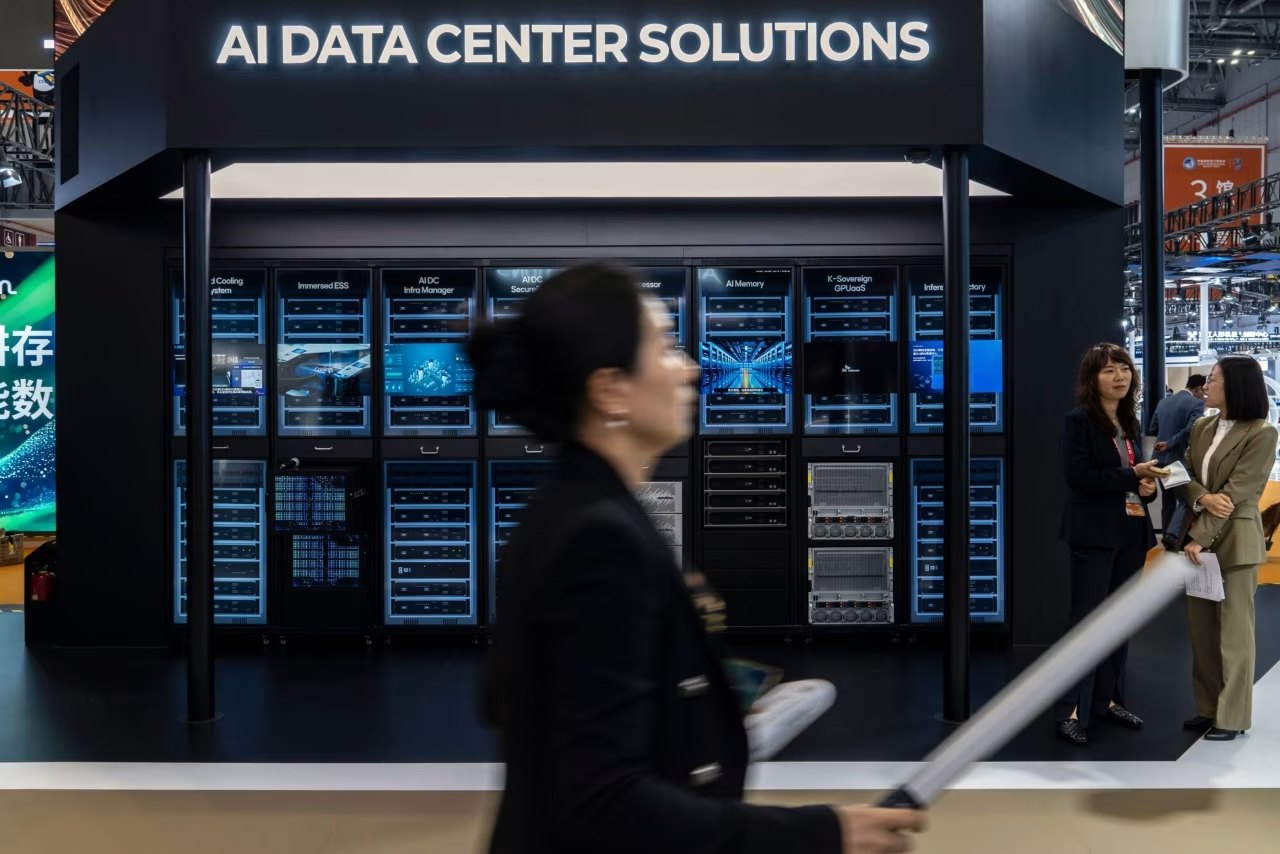
首尔一名35岁的上班族崔镇旭(音)在7月买入了价值3.7万美元的韩国存储芯片巨头SK海力士股票,当时他认为股价必定会从夏季的抛售潮中反弹。结果,随着投资者担心人工智能建设放缓,他的持仓价值减半。
Choi Jin-wook, a 35-year-old office worker in Seoul, bought $37,000 worth of shares in South Korean memory-chip giant SK Hynix in July, thinking prices had to bounce back from a summertime selloff. Instead, his holdings have halved in value as investors worry the artificial intelligence build-out will slow.
虽然崔镇旭已习惯了今年韩国股市的剧烈波动,但上周的暴跌依然让他感到痛苦。即便如此,他仍对全球第二大存储芯片制造商最终复苏抱有希望。“感觉我们此时已经遭遇了所有可能的坏消息,”他说。
While Choi had grown accustomed to the wild volatility of South Korea’s stock market this year, a plunge last week was still painful. Even so, he is hopeful that the world’s second-largest memory-chip maker will eventually recover. “It feels like we’ve hit every possible bad news at this point,” he said.
亚洲股市今年经历了一场令人心惊胆战的过山车行情。人工智能建设推动了对亚洲生产的芯片和其他科技产品的需求,推高了SK海力士、三星电子、台湾积体电路制造股份有限公司(台积电)和日本铠侠控股的股价。韩国、中国、日本和台湾的个人投资者纷纷涌入,希望能快速致富。
Asian stock markets have been on a stomach-churning ride this year. The AI build-out has fueled demand for chips and other technology made in Asia, and sent shares in SK Hynix, Samsung Electronics, Taiwan Semiconductor Manufacturing Co. and Japan’s Kioxia Holdings soaring. Individual investors in South Korea, China, Japan and Taiwan piled in, hoping to make a quick fortune.
但现在,随着担忧美国数据中心建设可能在中期选举后放缓,这些涨幅正在迅速消退。这让投资者再次经历疯狂波动,官方也日益担忧。
But now those gains are unraveling fast on worries that the U.S. data-center build-out could slow following the midterm elections. That is sending investors on yet another wild ride and officials are growing worried.
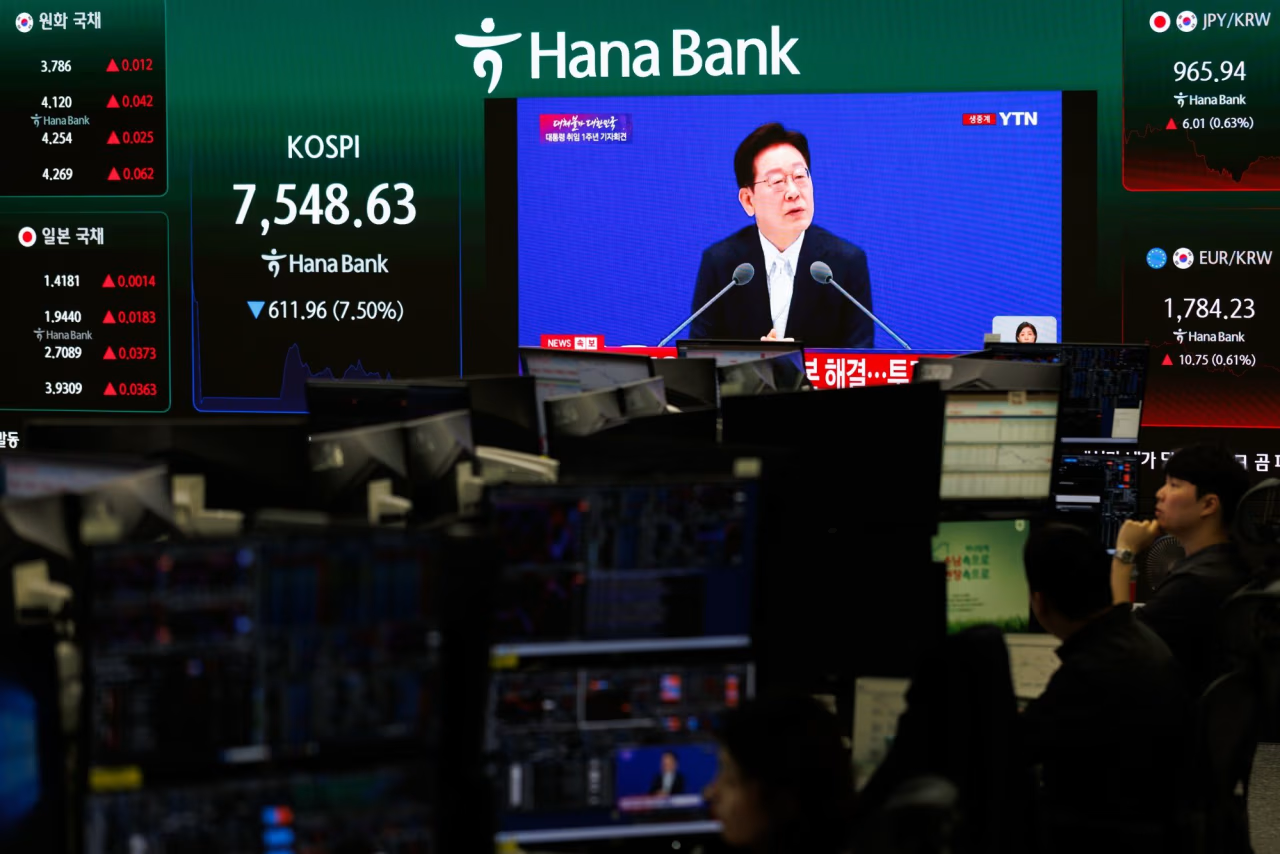
韩国基准股价指数(KOSPI)上周暴跌近12%,三星电子和SK海力士分别下跌约16%和20%,拖累大盘。该指数较6月高点下跌约45%。
South Korea’s benchmark Kospi index plunged nearly 12% last week, dragged down by Samsung Electronics and SK Hynix, which fell by about 16% and 20%, respectively. The index is down roughly 45% from its June peak.
日本基准日经225指数自6月高点以来已下跌近20%,而日经半导体股指数同期暴跌54%。闪存制造商铠侠股价上周暴跌近37%。
Japan’s benchmark Nikkei index has shed almost 20% since its June high, while the Nikkei Semiconductor Stock Index has fallen 54% over the same period. Shares in flash-memory maker Kioxia fell nearly 37% last week.
周一,韩国综合股价指数大体持平,而台湾加权股价指数在当局出手遏制市场波动后反弹,涨幅约5%。
On Monday, the Kospi stayed roughly flat, while Taiwan’s benchmark Taiex index recovered with a gain of roughly 5%, after authorities stepped in to curb market volatility.
台湾已动用可支配资金约150亿美元的国安基金,协助稳定股市。周一,台湾市场监管机构对卖空实施限制,推动台积电股价上涨。韩国财政部暂时放宽了对券商抵押品的规定,以遏制过度抛售。
Taiwan has mobilized the National Financial Stabilization Fund, which has around $15 billion at its disposal, to help stabilize the stock market. On Monday, the country’s market regulator imposed curbs on short selling, helping boost TSMC shares. South Korea’s Finance Ministry has temporarily loosened collateral rules for brokerage firms to stem excessive selling.
在韩国,这轮暴跌正给总统李在明带来越来越大的压力,他曾是该国股市繁荣最积极的鼓吹者之一。他上月警告称“回调不可避免”,但随着亏损不断扩大,反对派人士批评政府政策。
In South Korea, the rout is piling pressure on President Lee Jae Myung, who was one of the biggest cheerleaders of the country’s stock-market boom. He warned last month that “a correction was inevitable,” but opposition figures have criticized the government’s policies as losses have mounted.
首尔市长吴世勋周日在Facebook发帖称:“李政府自以为能左右市场,这种鲁莽的傲慢最终打开了地狱之门。”闵庚权在经历了两轮惨烈的股市崩盘后,对政府失去了信心。
“The Lee government’s reckless arrogance in thinking it could move the market has ultimately opened the gates of hell,” said the mayor of Seoul, Oh Se-hoon, in a post on Facebook on Sunday. Min Gyeong-gwon has lost faith in the government after experiencing two brutal stock-market crashes.
“是总统在今年年初为韩国股市描绘了光明前景。人们满怀信心地入场,因为我们相信他,”闵说。他领导着一个代表本地散户投资者的维权组织。股市的剧烈波动给刚刚入市的投资者上了一堂早期课程。
“It was the president who laid out a bright future for Korean stocks at the start of the year. People went in with confidence because we believed him,” said Min, who heads an activist group representing local individual investors. The stock-market gyrations are providing an early lesson to investors who are just cutting their teeth.
在日本,17岁的上宫南是学校投资俱乐部的一员。俱乐部的一位教练是日本知名的维权股东,他为每名学生出资20万日元(约合1200美元)作为起始资金,让每人可以构建自己的投资组合。
In Japan, Minami Kamiya, a 17-year-old, is part of her high school’s investment club. One of their coaches, a prominent activist shareholder in Japan, contributes to a 200,000 yen starting stake for each student, or around $1,200, so that each can craft an investment portfolio.
但美国中期选举以来,上宫的一些俱乐部成员在目睹铠侠股价下跌后,在Slack频道里发消息。“有人吓坏了,”她说。上宫则继续持有食品巨头日清等股票,部分原因是她爱吃方便面。
But since the U.S. midterms, some of Kamiya’s clubmates have been posting messages in their Slack channel after watching Kioxia fall. “There were people freaking out,” she said. Kamiya instead stuck with stocks like food giant Nissin, which she picked partially due to her love of instant noodles.
剧烈波动已蔓延至科技股之外。日本明治大学22岁学生Rio Negishi并未在科技股上投入太多资金,但其投资组合仍损失约3.8万美元,缩水约30%。
The wild swings are extending beyond tech stocks. Rio Negishi, a 22-year-old student at Japan’s Meiji University, hadn’t put much money into tech stocks, but he has still seen his portfolio lose about $38,000, or around 30% of its value.
“现在的下一步——或者说资金该往哪里转——相当不明朗,”他说。“我卖掉了一些持仓,但现在完全不知道把资金再投向何处。”
“Right now, the next step—or rather, where to move the funds—is quite unclear,” he said. “I’ve sold off some of my holdings, but now I have no idea where to reinvest the capital.”
今年,首尔25岁软件开发者Lee Ka-young曾在Instagram发布短视频,向散户投资者提供选股建议。但自夏季韩国综合股价指数暴跌以来,粉丝开始留下“救救我们”、“我们该怎么办?”等评论。Lee的平均月浏览量已降至夏季的五分之一,她自己的股票持仓也从高点回落约30%,缩水至约6000美元。
This year, Lee Ka-young, a 25-year-old software developer in Seoul, had posted short videos on Instagram giving stock tips to mom-and-pop investors. But since the crash in the Kospi this summer, followers have begun to leave comments such as “Help us” and “What are we supposed to do?”Lee’s average monthly views have fallen to a fifth of what they were this summer, and her own stockholdings are down 30% from the peak to about $6,000.
尽管如此,Lee仍认为股票是不错的投资,并对同样深套的投资者感到一种共鸣。
Still, Lee believes stocks remain a decent investment and feels a sense of solidarity with others stuck in losing positions.
“我以为这次会不一样,”她说。“但我会继续投资,抱着把股票传给下一代的心态。”
“I thought this time would be different,” she said. “But I’ll keep investing, with the mindset of passing my shares down for generations.”