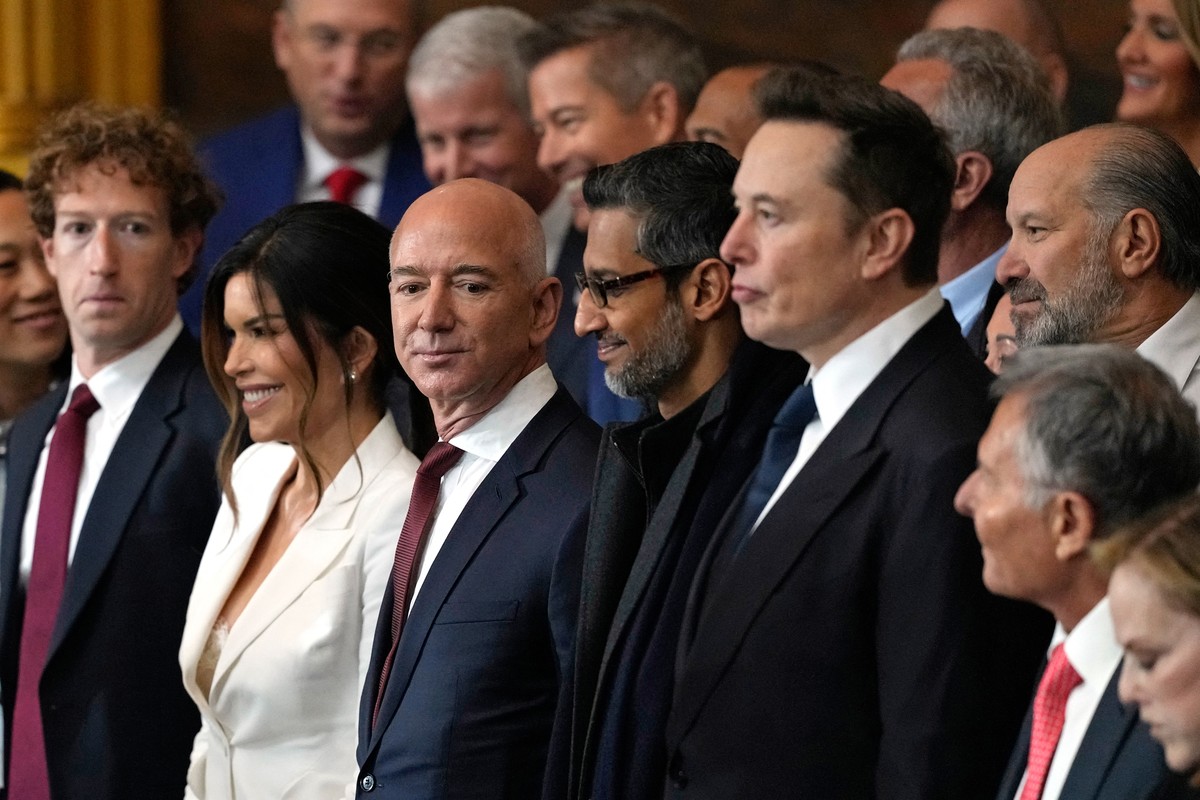
过去一周,在MAGA(让美国再次伟大)阵营在中期选举中遭受重大失利后,我被反复问到同一个问题:硅谷怎么会判断失误如此之大?为什么在唐纳德·特朗普2024年连任总统后,科技领袖们没有预见到紧贴MAGA会带来的后果?
Over the past week, following MAGA’s significant losses in the midterms, I have been asked the same questions again and again: How could Silicon Valley have gotten it so wrong? Why did tech leaders not anticipate the consequences of joining themselves at the hip to MAGA straight after Donald Trump won reelection in 2024?
以下内容并非针对个别科技领袖的批评——有人表现得更为克制——也不是对我前老板马克·扎克伯格的个人评论。我默认他们都是出于维护各自公司利益的考量而行事。我的批评对象是硅谷的一种从众心态,在这种重要关头,它导致了如此严重且完全可以预见的误判。
What follows is not a critique of the individual tech leaders themselves—some were more restrained than others—nor is it a personal commentary on Mark Zuckerberg, my former boss. I take it as a given that they all acted in what they saw as the interests of their own companies. Rather, my critique is of a herd mentality in the Valley that, in this important instance, led to such a serious and wholly predictable misjudgment.
之所以特别值得探究为何会出现这种情况,是因为就他们自己当时陈述的“大转向”理由来看,这几乎是彻底的失败。当时给出了三个主要理由。
It is especially interesting to try and understand why this happened because, measured against their own stated reasons for the great pivot, it has been a near-total failure. Three main reasons were given for it at the time.
第一,科技领袖称,将华盛顿的权力与硅谷的力量结合起来,将有助于美国在争夺人工智能霸权的斗争中对抗中国。然而在过去18个月里,按大多数客观指标衡量,包括模型性能和芯片研发,中国一直在缩小与美国的差距。在某些重要方面,中国甚至完全超越了美国,例如更快地部署开放权重模型、制定更可持续的能源战略,以及以更大规模培养世界级的研究人员和工程师。
First, tech leaders said that uniting the power of Washington and Silicon Valley would help America in its fight with China for AI supremacy. Yet over the past 18 months, China has been closing the gap with the United States by most objective measures, including model performance and chip development. In some important respects, China has outpaced America altogether, deploying open-weight models faster, developing a more sustainable energy strategy, and training world-class researchers and engineers at a larger scale.
第二,硅谷领袖称,与政府合作将有助于缓解公众对人工智能的担忧,并克服针对大型科技公司的“觉醒”式反对。然而,美国社会对人工智能的态度现在比拜登总统执政时期任何时候都要消极,且比地球上几乎任何其他地方都要糟糕。助长他们声称要对抗的那种反弹,是傲慢与无能的奇特“凯歌”。
Second, Silicon Valley leaders said that partnering with the government would help assuage public concerns about AI and overcome the “woke” opposition to Big Tech. Yet societal attitudes toward AI in the U.S. are much more negative now than they ever were under President Biden, and worse than almost anywhere else on the planet. Fostering the very backlash they claimed they were trying to confront is a peculiar triumph of hubris and incompetence.
第三,科技高管们希望赢得特朗普的青睐,以便避免美国境外、尤其是欧洲的不受欢迎的监管介入。特朗普政府在这方面无疑提供了一些帮助。例如,商务部长霍华德·卢特尼克已成为科技领袖们试图对抗欧盟多项执法决定的重要盟友。但按任何其他有意义的衡量标准,这种做法都是一场灾难:反大型科技公司、以及(遗憾的是)反美情绪在世界许多地方从未如此高涨,大多数主要经济体——包括加拿大、印度、德国和巴西——现在都在争相减少而非增加对硅谷产品的依赖。
Third, tech executives hoped that earning Trump’s good graces would allow them to avoid unwelcome regulatory incursions outside the U.S., especially in Europe. The Trump administration has undoubtedly helped with this in some ways. For example, Commerce Secretary Howard Lutnick has become an important ally for tech leaders trying to fight a number of European Union enforcement decisions. But by any other meaningful measure the approach has been a disaster: Anti–Big Tech, and (alas) anti-American, sentiment has never been higher in large parts of the world, and most major economies—including Canada’s, India’s, Germany’s, and Brazil’s—are now scrambling to have less, not more, of what Silicon Valley produces.
因此,自从硅谷倒向特朗普以来,其成绩单大致如下:主要竞争对手(中国)实力增强;国内支持减弱;全球市场愤怒不已。
Since Silicon Valley pivoted to Trump, then, its scorecard looks something like this: chief rival (China) strengthened; domestic support weakened; global markets infuriated.
我当时在一些讨论中扮演了边缘角色——我在特朗普2024年就职典礼前几天宣布辞去Meta全球事务主管一职(这与上述情况并非完全无关),当时硅谷与MAGA(让美国再次伟大)的联姻正式完成——我认为这次非同寻常的误判有以下几个原因:错失恐惧症(FOMO)。2024年大选之夜,埃隆·马斯克在海湖庄园度过。一位科技领袖——尤其是像马斯克这样令同行感到威慑的人物——与特朗普及其随行人员亲密互动的景象,极大地刺激了其他所有人也这样做。
Having played a peripheral part in some of the discussions at the time—I announced my (not wholly unrelated) departure from Meta as its head of global affairs a few days before Trump’s 2024 inauguration, when the Valley-MAGA union was consummated—I see several reasons why this extraordinary miscalculation occurred: FOMO. In 2024, Elon Musk spent Election Night at Mar-a-Lago.
在残酷的AI霸权竞争中,他们的对手之一可能与极具交易性的特朗普核心圈子达成协议,这一想法显然令他们难以忍受。他们都想在场,以免被排除在外。
The sight of one tech leader—especially someone as intimidating to his peers as Musk—backslapping Trump and his entourage galvanized all the others to do the same. The idea that one of their rivals in the cutthroat race for AI supremacy might be able to strike a deal with the highly transactional clique around Trump was clearly too much for them to bear.
报复。在特朗普连任前夕,科技界领袖们有很多不满。有些人觉得自己受到传统媒体、学术界和文化精英的不公正对待。保守派长期以来一直觉得在硅谷传统的自由派环境中不受欢迎。拜登政府笨拙地妖魔化科技领袖,而不是与他们合作制定政策和法规。这些因素造就了一大群强大、富有且感到受辱的个人。进入特朗普的阵营似乎是扯平账目的好方法。
They all wanted to be there, so they didn’t get left out. Payback. Tech leaders had a lot to be angry about in the run-up to Trump’s reelection. Some felt unfairly treated by traditional media, academia, and cultural elites. Conservatives had long felt unwelcome in the Valley’s traditionally liberal milieu. The Biden administration had clumsily vilified tech leaders rather than work with them on policy and regulation. These factors created a large group of powerful, wealthy, and offended individuals.
误解政治。作为一名在民选职位上度过近二十年、此后大部分时间在科技界及其周边工作的人,我总是对聪明而富有的人们如此热衷于谈论他们几乎一无所知的主题感到惊讶——尤其是政治。他们的商业成功似乎在他们心中滋生了一种观点:政治很简单,只要那些头脑简单的官员愿意听他们的话就行。正是这种傲慢,使得硅谷既令人兴奋又令人沮丧。
Stepping into the Trump tent seemed like a good way to even the score. Misunderstanding politics. As someone who spent nearly two decades in elected office and has spent much of my time since working in and around tech, I am always struck by how eagerly smart and wealthy people expound on subjects about which they know very little—especially politics. Their commercial success seems to foster in them a view that politics is easy, if only dim-witted officeholders would listen to them.
科技炒作周期。科技界最基本的错误之一,是将其自身的炒作驱动视角应用于政治。这就是为什么许多科技领袖将特朗普2024年的胜利——在普选票上微弱——解读为推行广泛意识形态议程的授权。但选民讨厌政客们视其支持为理所当然,推行他们觉得自己并未投票支持的狂热政策。英国脱欧支持者在英国也犯了同样的错误,利用公投中微弱的多数票来强加一种强硬的解读。
It is this hubris that makes the Valley such an exhilarating and exasperating place. Tech hype cycles. One of the most basic mistakes the tech community makes is to apply its own hype-driven perspective to politics. That’s why so many tech leaders interpreted Trump’s 2024 victory—which was narrow in terms of the popular vote—as a mandate to carry out a sweeping ideological agenda. But voters hate when politicians take their support for granted by pursuing zealous policies that they didn’t feel they voted for.
现在,绝大多数英国人认为脱欧是一个巨大的错误。同样,许多美国选民憎恶第二届特朗普政府的自私小圈子主义和极端主义,尤其是其对自身经济困境的明显漠视。对他们来说,政府与硅谷的亲密关系是问题的重要组成部分。
The Brexiteers made the same error in the U.K., using a wafer-thin majority in the referendum to impose a hard-line interpretation of it. Now a significant majority of Brits think Brexit was a huge mistake. In the same way, many U.S. voters abhor the self-serving cliquishness and extremism of the second Trump administration, and particularly its apparent indifference to their own economic plight.
钟摆总会摆动。许多想要紧贴特朗普的科技公司首席执行官似乎认为,他的胜利标志着永久性的政治转变——钟摆永远不会摆回来。因此,他们立即加倍押注。这种果断在押注快速变化的技术趋势时可以成为优势。但在政治领域,它却妨碍人们理解长期的社会与政治现实。
For them, the government’s cozy relationship with the Valley is a significant part of the problem. The pendulum always swings. Many of the tech CEOs who wanted to attach themselves to Trump seemed to think that his victory marked a permanent political shift—that the pendulum would never swing back. So they immediately doubled down. Such decisiveness can be an asset when betting on fast-moving technological trends.
风投圈兄弟。从2020年前后开始,一群有影响力的风险投资人,包括马克·安德里森和大卫·萨克斯,成为了美国文化战争的主角,聚焦于他们所认为的拜登政府与大型内容平台之间存在的勾结,即审查保守派,尤其是在新冠疫情期间。他们中的许多人在2024年选举周期中资助了支持加密货币的竞选活动,他们在击败一些著名的支持监管候选人方面取得的成功显然让他们飘飘然。
But in politics, it’s a hindrance to understanding longer-term societal and political realities. The VC bros. Starting around 2020, an influential set of venture capitalists, including Marc Andreessen and David Sacks, became protagonists in the American culture wars, focusing on what they saw as a conspiracy between the Biden Administration and the big content platforms to censor conservatives, especially during the Covid pandemic.
他们以为,在一个大多数选民根本不在意的单一议题(加密货币行业监管)上取得成功,成了他们——至关重要的是,也是整个科技行业——在政治上争取更大筹码的蓝图。但风投领袖基于个人意识形态倾向行事——无论是在右派还是左派——与大型科技平台的高管这样做,有着天壤之别。前者应该自由地宣扬自己的观点,并为任何他们希望支持的事业花钱,部分原因在于他们自己并非在建设具有重大影响的公司,而只是在投资这些公司。
Many of them funded pro-crypto campaigns in the 2024 election cycle, and their success in defeating some prominent pro-regulation candidates apparently went to their heads. They thought that success on a single issue (regulation of the crypto industry) about which most voters didn’t care less, was a blueprint for how they—and, crucially, how the tech sector as a whole—should play for bigger stakes in politics. But there is a world of difference between VC leaders acting on their personal ideological proclivities —on both the right and the left—and executives of major tech platforms doing so.
(我如今自己也在风投行业工作。)但如果你是一家公司的领导者,生产的技术据你声称具有巨大且颠覆性的社会意义,你的党派政治参与就应当受到更严格的限制。
The former should be free to promote their views and spend their money on any cause they wish, in part because they are not themselves building consequential companies but simply investing in them. (I work in VC myself nowadays.) But if you are the leader of a company producing technology that you claim is of immense and disruptive societal significance, your partisan political engagement should be much more restrained.
这有什么关系?为什么要在意少数有权势的科技高管试图玩政治却搞砸了?
Why does any of this matter? Why should anyone care that a handful of powerful tech executives messed up trying to play politics?
我相信人工智能仍有潜力服务于人类利益,而非成为其主宰。但只有当硅谷和华盛顿都有聪明、深思熟虑的人愿意跨越党派忠诚携手合作,帮助将技术红利惠及全社会时,这一潜力才能实现。过去几年我们看到的交易性联盟与这一理想背道而驰。
I believe that AI still has the potential to serve humanity’s interests instead of becoming its master. But that potential will only be realized if we have smart, thoughtful people in both Silicon Valley and Washington prepared to work together regardless of partisan allegiance to help spread the technology’s benefits across society. The transactional alliance we have seen over the last couple of years couldn’t be further from that ideal.
民主党现在有充分动机让支持特朗普的科技领袖们日子难过。这或许能阻止他们试图操纵未来选举以迎合自身利益。但这也可能引发报复循环,这对硅谷不利、对创新不利,最终对民主党也不利。
The Democrats now have every incentive to make life as uncomfortable as they can for Trump-supporting tech leaders. This might discourage them from seeking to skew future elections to suit their own interests. But it could also lead to a cycle of retribution that would be bad for Silicon Valley, bad for innovation, and ultimately bad for Democrats too.
我们所有人都依赖的关键技术的主要制造商,最好的做法是远离党派政治。试图在一个个政治周期的剧烈反复中投机取巧是愚蠢的游戏。不久前,硅谷领袖们还站在个人赋权的一边,无论哪个党执政。这始终比投机地加入当时恰好获胜的政治精英阵营更为高尚。
Major companies involved in making technologies upon which we all depend are best served by staying out of party politics. Trying to ride the political whiplash from one cycle to the next is a fool’s game. Not long ago, Silicon Valley leaders used to be on the side of individual empowerment regardless of which party was in charge. That was always a more noble calling than opportunistically joining whichever side of the political elite happens to be winning at any one time.
科技领袖应承诺与未来掌权者保持开放、富有成效的关系,无论其党派意识形态如何。为了他们自己和我们,他们应该退出充当政治赢家和输家裁判的游戏。
Tech leaders should commit to maintaining open, productive relationships with whoever is in power in the future, regardless of party ideology. For their own sake and ours, they should get out of the game of picking political winners and losers.