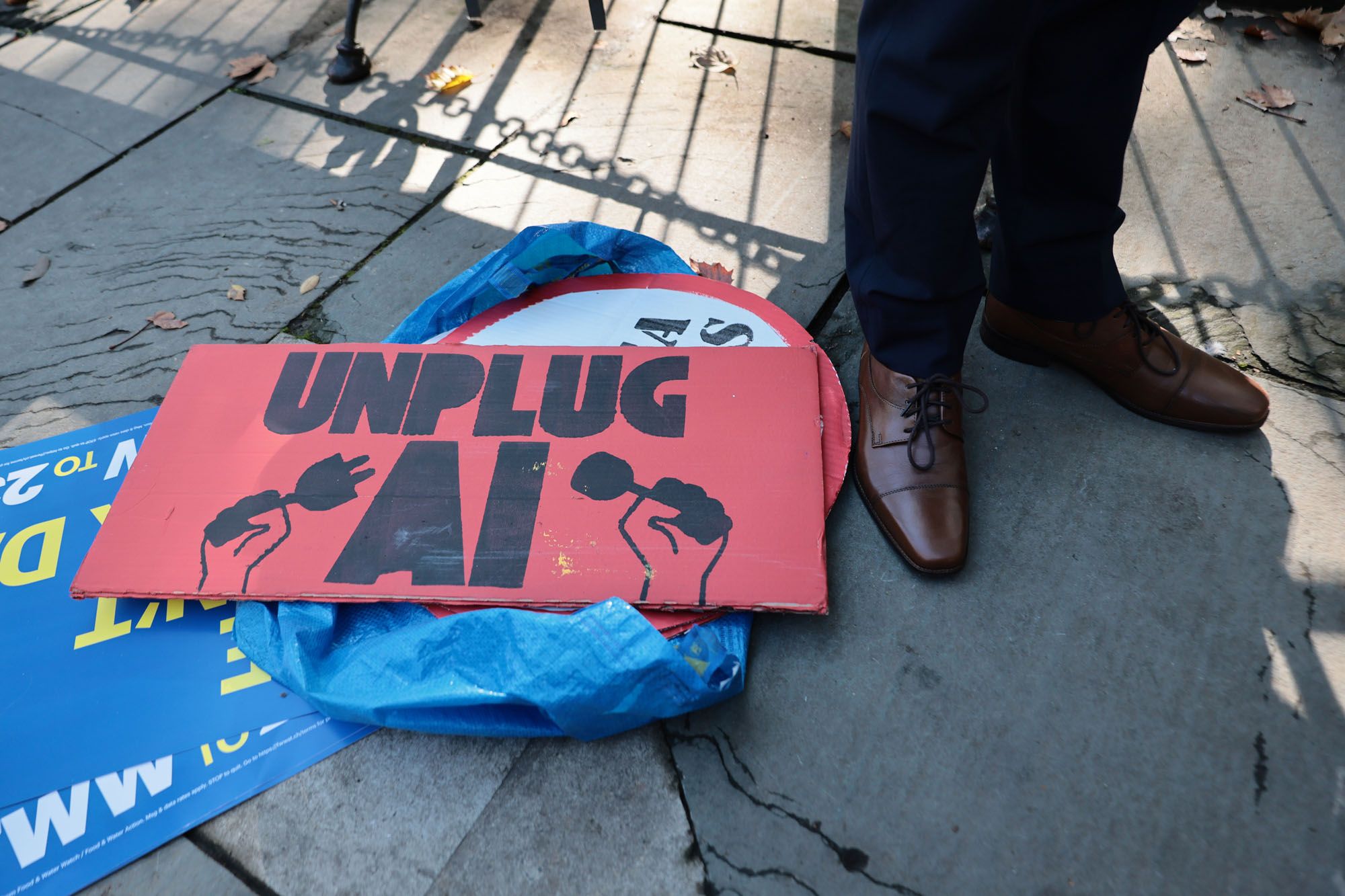
科技行业本想惩罚那些与其作对的立法者,结果却将安全鹰派、民粹主义者和儿童安全倡导者团结在了一起——并为民主党送上了一个 2028 年的竞选议题。
The tech industry set out to punish lawmakers who crossed it. Instead, it united safety hawks, populists and child-safety advocates — and handed Democrats a 2028 issue.
文/Calder McHugh、Alec Hernandez多年来,关于人工智能的政策辩论一直掌握在以十年为单位衡量进步的人手中。一群古怪的开发者和小额投资者辩称,这项技术的潜在回报——从生产力飙升到解决死亡问题——还需数年才能实现。突然间,他们带有科幻色彩的幻想变成了现实。
By Calder McHugh, Alec Hernandez For years, the policy debate over artificial intelligence belonged to those who counted progress in decades. An eccentric group of developers and small investors argued the technology’s potential payoffs — from booming productivity to solving death — were years off. And then, all of a sudden, their science fiction-inflected fantasies were real.
随着 AI 能力大幅扩展,行业内部出现了深刻分裂。硅谷和华盛顿的一些人坚持认为,监管 AI 将危及人类更美好的未来——或者把通往全球繁荣的钥匙拱手让给中国。他们的对手中,许多人深受加利福尼亚州发源的“有效利他主义”运动影响,该运动关注对尚未出生的后代的风险,因此他们更习惯以世纪为单位来衡量规划。他们担心,这项初露头角的技术可能导致人类灭绝。
As AI capabilities vastly expanded, a cleave down the middle of the industry formed. Some in San Francisco and Washington latched on to the idea that regulating AI would risk a brighter future for humanity — or hand China the keys to global prosperity. Their opponents, many with a worldview shaped by the California-based effective altruism movement’s focus on risk to generations not yet born, felt more comfortable measuring their plans in centuries. They worried about the possibility that this nascent technology could lead to the end of the human race.
曾在旧金山鸡尾酒会(或无酒精鸡尾酒会)上占据主导地位的这些哲学困境,很快在华盛顿落了地。2025 年 5 月,众议院通过了一项预算协调法案,其中一项条款将在十年内惩罚各州执行自己的 AI 模型规则。科技行业已熟练运用其在华盛顿的游说实力,说服政客们不要对其产品进行监管。如今,随着在特朗普政府内拥有巨大影响力,一些全球最富有的公司更加大胆,推动所谓的“先占条款”,彻底阻止各州在 AI 领域开展任何政策工作。
These philosophical quandaries that dominated cocktail (or mocktail) parties in San Francisco soon hurtled back to earth in Washington. In May of 2025, a budget reconciliation bill passed the House of Representatives with a provision that would have punished states for enforcing their own rules about AI models for a decade. The tech industry had grown deft at using its lobbying might in Washington to convince politicians to hold back from regulating its products. Now, with outsized influence within the Trump administration, some of the world’s wealthiest companies were emboldened to go further, promoting a so-called preemption provision to prevent states from doing any policy work on AI at all.
该条款并未成为法律——7月1日,参议院以99票对1票将其否决——但围绕该措施长达一个月的争斗,永久性地改变了AI政策辩论各方开展工作的方式。许多原本认为自己处于数十年甚至数百年时间线上的人,突然将目光聚焦于一个短得多的时间跨度:2026年11月美国人在投票箱前决定国会控制权前的16个月。
The provision did not become law — it was voted down 99-1 in the Senate on the first day of July — but the month-long fight over the measure permanently changed the way those on all sides of the AI policy debate approached their work. Many who had believed they were operating on a timeline of decades and centuries were suddenly focused on a much shorter horizon: the 16 months before Americans would determine control of Congress at the polls in November 2026.
当时,AI行业中反监管的一方——由风险投资公司安德森·霍洛维茨和OpenAI代表——已在筹建其首个超级政治行动委员会(超级筹委会),并明确以一个亲加密货币的行动为蓝本,后者曾在少数竞选中大笔开支,让背叛他们的立法者心生畏惧。这个新的AI委员会于8月命名为“引领未来”,将致力于对抗其领导人所谓的“一种庞大的力量,正试图放缓AI部署”。
The more anti-regulation side of the AI industry — represented at the time by venture-capital firm Andreessen Horowitz and OpenAI — was already working to establish its first super PAC, explicitly modeled after a pro-cryptocurrency effort that had spent big in a few races to instill fear in lawmakers who had crossed them. Leading the Future, as the new AI committee was named in August, would commit itself to confronting what its leaders called “a vast force out there that’s looking to slow down AI deployment.”
他们决定设法阻挠任何AI监管,并鲁莽地涉足选举政治,这产生了一个意想不到的后果:激励了那股庞大但分散的力量——由科技政策老手、哲学倾向的有效利他主义者、消费者保护倡导者、反垄断团体和宗教右翼组织组成——首次携手合作。一个为击败联邦优先权条款而临时结成的联盟,在它们同样首次着眼于选举日历时,走到了一起。
Their decision to try to thwart any AI regulation and then brashly enter the world of electoral politics would have an unintended consequence: motivating that vast but scattered force — a mix of tech policy veterans, philosophically minded effective altruists, consumer protection advocates, anti-monopoly groups and religious right organizations — to work together for the first time. An impromptu alliance that had rallied to defeat the preemption provision joined forces as they, too, looked for the first time to the electoral calendar.
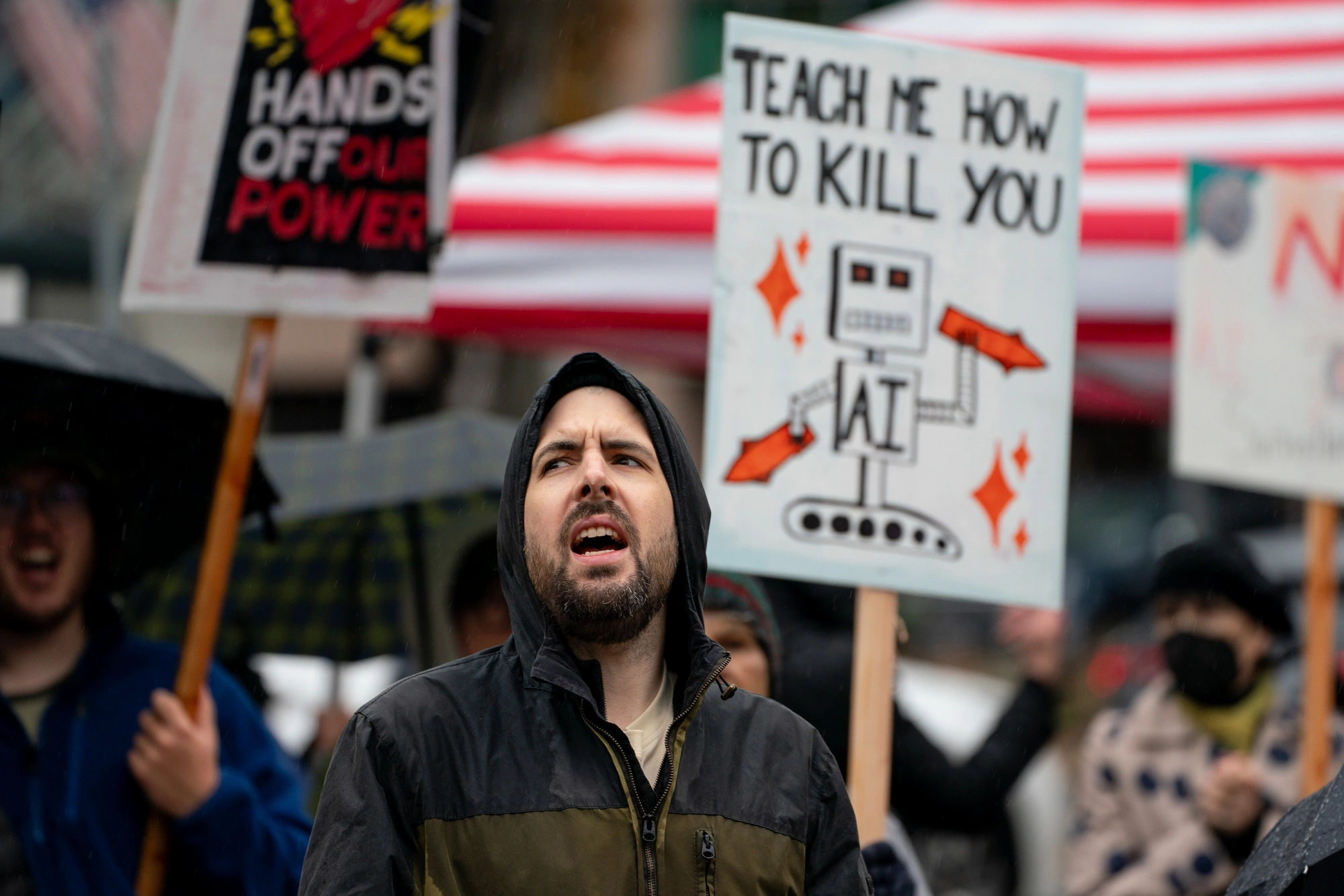
“正是那场斗争让它凝聚在一起,并延续至今,”前民主党众议员、现任“负责任创新美国人”组织负责人布拉德·卡森说道。
“It congealed over that fight, and it has sustained since then,” said Brad Carson, a former Democratic congressman who leads Americans for Responsible Innovation.
卡森今年59岁,曾是罗德奖学金获得者,在担任俄克拉荷马州联邦众议员后,因在伊拉克战争中的服役获得铜星勋章,他开始筹划创建一个能够投入巨资以抗衡LTF的组织。杰·舒斯特是一位自诩为“极客”的36岁消费者权益律师,致力于资助在AI政策方面已具备资历的候选人。里希·巴尔瓦尼是一位30多岁的民主党竞选操盘手,不搞竞选时教瑜伽,他看到了一个机会,能改变那些刚刚发现这一议题重要性的民主党候选人谈论它的方式。
Carson, a 59-year old former Rhodes Scholar who represented Oklahoma in Congress before being awarded a Bronze Star for his service in the Iraq War, began plotting the creation of a group that could spend big money to counter LTF. Jay Shooster, a proudly nerdy 36-year-old consumer rights attorney, looked to fund candidates who brought existing credentials around AI policy. Rishi Bharwani, a 30-something Democratic operative who teaches yoga when not working on campaigns, saw a chance to change the way Democratic candidates just discovering the salience of the issue talked about it.
“我完全没想到我们会这么快走到今天这一步,”密歇根州参议员马洛里·麦克莫罗说。据麦克莫罗称,2025年,立法机构在任何形式的AI监管上都“几乎只是触及了表面”。但仅仅几个月后,在舒斯特的指导和巴尔瓦尼的信息策略下,她作为联邦参议员候选人推出了全国最详细的AI安全计划之一。
“I had no idea how quickly we would get to where we are now,” said Michigan state senator Mallory McMorrow. In 2025, according to McMorrow, the legislature had “barely scratched the surface” of any sort of AI regulation. But just a few months later, with Shooster’s guidance and Bharwani’s messaging, she came out with one of the most detailed plans on AI safety in the country as a U.S. senate candidate.
卡森、舒斯特和巴尔瓦尼发现自己被推到了同一个联盟中,这个联盟在本周期被证明极其高效,尤其是在左翼阵营。他们引导一股支持AI安全的巨额资金浪潮席卷全国,锁定目标,拓展AI议题的战场版图,并取得重大胜利。
Carson, Shooster and Bharwani have found themselves thrown together in a coalition that has proven itself to be remarkably effective this cycle, especially on the left. They have shepherded a tidal wave of pro-AI safety cash that flooded the zone across the country, picked out targets, expanded the map on AI issues and scored major victories.
然而,他们代表三种截然不同的利益诉求。卡森致力于遏制AI行业资金的影响——同时却接受来自AI行业另一部分的捐款。舒斯特主要担忧AI带来的生存风险,建立小额捐款者网络以在左翼产生影响。而巴尔瓦尼与硅谷的AI安全圈子关联远少,他投入精力试图说服更多民主党政客在儿童网络安全问题上采取强硬立场。
And yet, they represent three very different interests. Carson has spent his time trying to beat back AI industry cash — while getting donations from another part of the AI industry. Shooster is worried primarily about existential risk from AI, building a network of small-dollar donors to make an impact on the left. And Bharwani, who is far less involved with AI safety in Silicon Valley, has spent his energy trying to convince more Democratic politicians to take a hard line on child safety online.
他们在中期选举中采取的不同做法,表明在如何争取并赢得人工智能政策与政治方面存在更大的哲学分歧。他们的联盟已经出现裂痕,在2028年初选的迷雾中很可能会彻底分崩离析。但首先,它创造了美国政治史上最快、最令人震惊的命运逆转之一。
Their divergent approaches to the midterms are indicative of larger philosophical differences in how to fight and win on AI policy and politics. Their coalition is already cracking, and may well break apart in the fog of the 2028 primaries. But first, it delivered one of the quickest and most stunning reversals in fortune in American political history.
“我多年来一直在研究处方药定价问题,”杰西·弗格森说,他是一名民主党竞选策略师,曾担任本轮选举中首批将人工智能安全作为议题的国会候选人之一的高级顾问。“二十年来,两党人士都惧怕制药业和药企。而这一次,这种恐惧在六个月内就消失了。”2025年8月,卡森正坐在塔尔萨一家名为“黄砖路”的女同性恋酒吧里,手机突然亮起,显示亲科技派别推出了他们自己的超级政治行动委员会LTF的消息。
“I’ve done work over the years on prescription drug pricing,” said Jesse Ferguson, a Democratic campaign strategist who served as a senior adviser to one of the cycle’s first congressional candidates to make AI safety an issue. “Twenty years of people in both parties being afraid of pharma and the drug companies. This time around, that fear went away in six months.”Carson was sitting in a Tulsa lesbian bar called Yellow Brick Road in August 2025 when his phone lit up with the news that the pro-tech faction had launched LTF, their own super PAC.
多年前,卡森在波多黎各圣胡安参加未来生命研究所举办的一次会议后开始对人工智能产生兴趣,会议上有包括人工智能领域如今最知名的人物在内的与会者,如Anthropic的达里奥·阿莫代和OpenAI的萨姆·奥尔特曼。卡森在担任塔尔萨大学校长期间,创立了人工智能非营利组织“负责任创新美国人”。
Years earlier, Carson had become interested in artificial intelligence after attending a conference hosted by the Future of Life Institute in San Juan, Puerto Rico that included some of the now-biggest names in AI, including Anthropic’s Dario Amodei and OpenAI’s Sam Altman. While still serving as the president of the University of Tulsa, Carson launched the AI nonprofit Americans for Responsible Innovation.
到2025年,他在人工智能安全圈子里关系广泛——于是辞去了这所私立研究大学的优厚职位,专注于人工智能问题。在ARI,卡森致力于推动人工智能安全法案通过一个充满敌意的国会。优先权之争是他首个重大项目,他帮助联合了100多个不同组织共同抗争。他提到巴尔瓦尼和Reset Tech是这项工作的另一大贡献者。
By 2025, he was well connected in AI safety circles — and quit his plum post at the private research university to focus on AI issues. At ARI, Carson focused on trying to shepherd AI safety regulations through a hostile Congress. The preemption fight was his first major undertaking, and he helped to stitch together over 100 disparate organizations to fight together. He namechecked Bharwani and Reset Tech as another one of the major contributors to the effort.
七周后,Leading the Future正式启动。该组织气势汹汹地亮相,对自己能够在中期选举乃至更远的未来留下印记充满信心。账户里有1亿美元,且有大量捐助者可继续开源,再加上美国公众对此问题缺乏关注,AI行业看起来似乎能够为其偏好的候选人提供资金支持,助其获胜。
Seven weeks later, Leading the Future launched. The organization came out filled with swagger, confident in its ability to leave an imprimatur on the midterms and beyond. With $100 million in the bank and plenty of donors to tap for more, combined with the lack of care about the issue from the American public, the AI industry looked like it would be able to bankroll its preferred candidates to victory.
“[我们]是……现有支出的一种反制力量,那些支出旨在推动某一家公司及其生态系统的价值观和企业议程,”该组织联合领导人乔什·弗拉斯特(Josh Vlasto)在7月对《政客》杂志(POLITICO Magazine)表示,指的是Anthropic及其在旧金山的朋友。“我们认为他们正试图破坏一个审慎的政策进程。”当卡森的手机因这条新闻震动时,他感到紧张。
“[We’re] a counterforce to … existing spending to push one company and one ecosystem’s values and corporate agenda,” Josh Vlasto, a co-leader of the group, told POLITICO Magazine in July, referring to Anthropic and the company’s friends in San Francisco. “We view them as trying to derail a thoughtful policy process.”When Carson’s phone buzzed with the news, he got nervous.
他遇到过许多希望推动AI监管的富人。但他们更习惯于支持非营利组织网络,而非介入选举政治——硅谷的许多人认为选举政治是一场充满麻烦的肮脏游戏。在萨姆·班克曼-弗里德(Sam Bankman-Fried)垮台前向全国各地的选举投入大量资金之后,这种看法更加根深蒂固。
He had met plenty of rich people who wanted AI regulation. But they were more accustomed to propping up networks of nonprofits than getting involved in electoral politics — which many in Silicon Valley considered a dirty game filled only with trouble. That view was only reinforced after Sam Bankman-Fried poured cash into races across the country before his downfall.
得知这一消息后,大量从事AI安全工作的人开始互相发短信。他们得出了与卡森相似的结论——这最多是一个不祥的发展。
In response to the news large networks of people working on AI safety started texting each other. They had come to a similar conclusion as Carson had — that at best, this was an ominous development.
AI安全领域的大部分思考和运作都通过通讯应用Signal上的群聊进行。2025年之前花时间推动AI监管的人群规模相对较小——而且往往异常富有。卡森开始利用这些人脉关系,创建Public First,这是一个超级政治行动委员会网络,将成为亲监管资金的汇集中心。
The world of AI safety does much of its thinking and operating via group chats on the messaging app Signal. The group of people spending their time pushing for AI regulation pre-2025 was relatively small — and often remarkably wealthy. Carson began to tap those connections to create Public First, a super PAC network that would be a clearinghouse for pro-regulation cash.
卡森表示,在 Public First 的早期阶段,他并未直接与 AI 公司 Anthropic 合作。但他站在了 Anthropic 与 OpenAI 之间的争论一边,Anthropic 更倾向于监管,而 OpenAI 则持有更具加速主义色彩的姿态。这两家 AI 公司除了在监管问题上存在一定分歧外,还陷入了更广泛的竞争,Anthropic 首席执行官达里奥·阿莫代伊与 OpenAI 首席执行官山姆·奥尔特曼之间存在真正的敌意。
In the early stages of Public First, Carson was not working directly with the AI company Anthropic, he said. But he was coming down on one side of a fight between Anthropic, which was more pro-regulation, and OpenAI, which had a more accelerationist posture. The two AI companies, in addition to disagreeing somewhat on regulation, are also locked in a broader competition, with real animus between Anthropic CEO Dario Amodei and OpenAI CEO Sam Altman.
“公众在这件事上站在我们这边,”阿莫代伊在 2025 年 9 月于华盛顿联合车站举行的启动仪式上表示,Anthropic 在仪式上正式宣布其决定投入 AI 监管游说工作。“我们绝非孤立无援。孤立无援的是科技公司,不管它们有多少家。”卡森表示,Public First 最初的目标是看看能否从那些 AI 安全倡导者那里筹集到 500 万美元,随后变成了 1000 万美元,再然后是 3000 万美元。
“The public is on our side about this,” Amodei said at a September 2025 kickoff at Washington’s Union Station in which Anthropic formally announced its decision to get involved in AI regulation lobbying efforts. “We don’t stand alone at all. It’s the tech companies that stand alone, no matter how many of them there are.”For Public First, their original goal was to see if they could raise $5 million from those AI safety advocates, Carson said. Then it became $10 million.
向这些努力捐款的人——无论是来自 Public First 还是其他渠道——世界观相似,但职务往往大相径庭。
Then $30 million. The people donating to these efforts — from Public First and otherwise — have a similar worldview but often very different job titles.
“安全领域是一个非常分散的人员网络,其中包括创办过公司的人,”一位本轮选举周期中曾为多场参议院和众议院竞选提供建议的民主党政治策略人士表示。他因获准匿名,以便坦诚谈论捐款人动态。“但[该网络]还延伸到大量随机的Anthropic工程师,他们2022年被聘入该公司,如今已是亿万富翁,希望在这个领域捐款,但对任何形式的公众形象都毫无兴趣。”
“It’s a very disparate network of people in the safety space that includes people who have started companies,” said a Democratic political strategist who advised multiple Senate and House campaigns this cycle, granted anonymity to speak candidly about donor dynamics. “But [it] extends down to a lot of random Anthropic engineers who got hired there in 2022 and are now centimillionaires and want to give in this space, but have zero interest in any kind of public persona.”
2月,Anthropic决定从其公司账户向Public First关联的非营利组织捐赠2000万美元——该组织不能直接支持候选人或参与选举政治。5月,阿莫代首次公开捐出七位数政治捐款——正好100万美元——捐给Public First。7月,Anthropic又捐赠了另外2000万美元。同月,卡森表示,这家AI公司曾考虑自行成立安全非营利组织和政治行动委员会。一旦Public First进入他们的视野,他们就决定将资金投向盟友。Anthropic拒绝置评。
In February, Anthropic decided to get involved with a $20 million donation from its corporate account to Public First’s associated nonprofit — which can’t directly back candidates or engage in electoral politics. In May, Amodei gave his first-ever public seven-figure political donation — of exactly $1 million — to Public First. And in July, Anthropic donated another $20 million. That same month, Carson says the AI company had considered starting its own safety nonprofit and PAC. Once Public First came on their radar, they decided to direct their money to an ally instead. Anthropic declined to comment.
在Public First、在“引领未来”和在优先权问题出现之前,全国鲜有政客愿意谈论AI。一个例外是舒斯特,他于2024年在博卡拉顿竞选佛罗里达州议会席位。
Before Public First, before Leading the Future and before preemption, there were very few politicians around the country who wanted to talk about AI at all. One exception was Shooster, who ran for the Florida statehouse in 2024 in Boca Raton.
在自己的竞选中,舒斯特会在博卡拉顿与犹太祖母们谈论AI发展的潜在负面影响——尤其是在他自己的家人差点成为AI诈骗受害者之后。但更重要的是他的捐款人基础:资金雄厚的有效利他主义者和AI工程师。
In his own race, Shooster would talk to Jewish grandmothers in Boca about the potential downsides of AI growth — especially after his own family almost fell prey to an AI scam. But more important was his base of donors: EAs and AI engineers with deep pockets.
2024年11月,舒斯特目睹特朗普重新执政,心中充满沮丧。他想暂时远离政治。但从事人工智能安全政策的朋友们说服舒斯特,“人工智能能力即将变得可怕,现在不采取行动就来不及了。”不久之后,他从佛罗里达州搬到了旧金山。他与朋友埃里克·内曼一起,开始汇集那些向他本人竞选活动捐款的人的硬币捐款,以及硅谷更广泛的人群中担心人工智能发展风险的人的捐款。
In November 2024, Shooster watched in dismay as Donald Trump swept back into power. He wanted to take a break from politics. But friends working in AI safety policy convinced Shooster that “AI capabilities were about to get scary, and it was a now-or-never moment to do something about it.”Soon after, he moved from Florida to San Francisco. And along with his friend Eric Neyman, Shooster started to bundle hard-dollar donations from those who donated to his own campaign, along with a much broader network of people in Silicon Valley worried about risks from AI development.
2025年1月,舒斯特将注意力集中在一位候选人身上:民主党人马尼·鲁蒂内尔,他在特朗普上任后不久就宣布参选。鲁蒂内尔2024年在科罗拉多州参议院共同发起了一项人工智能消费者保护法案,被描述为“国会历史上与有效利他主义关系最密切的政客”。同月,舒斯特宣布将担任鲁蒂内尔财务委员会主席,并称他为“亲爱的朋友”。对许多人工智能安全倡导者来说,国会中有人已经理解人工智能监管问题至关重要。
In January of 2025, Shooster trained his attention on one candidate: Democrat Manny Rutinel, who announced he was running almost as soon as Trump arrived in office. Rutinel, who co-sponsored an AI consumer protection bill in the Colorado Senate in 2024, has been described as “the politician with the closest EA ties of any member of Congress, ever.”That same month, Shooster announced that he would serve as the chair of Rutinel’s finance committee and called him a “dear friend.”For many AI safety advocates, having people in Congress who already understood the issue of AI regulation was essential.
舒斯特试图部分通过捆绑捐款来帮助鲁蒂内尔,即向个人捐款人征求支票并将它们一起呈交,以展示协调支持的做法。与流向“引领未来”的八位数捐款相比,这些金额相对较小,“引领未来”作为一个超级政治行动委员会,可以接受个人的无限金额以及企业的直接捐赠。
Shooster sought to help Rutinel in part via bundling, the practice of soliciting checks to the campaign from individual donors and presenting them together as demonstration of coordinated support. The amounts would be relatively small compared to the eight-figure donations flowing to Leading the Future, which as a super PAC could accept unlimited sums from individuals as well as direct gifts from corporations.
然而,个人捐款也有其力量——尤其是在一个志同道合的富人网络中,他们保持着持续的密切联系。
And yet, there was power in individual contributions — especially within a closely aligned network of wealthy people in consistent, close contact.
舒斯特和尼曼知道,他们的资产是一张网络,是多年来为其他倡导工作建立联盟而培育起来的。很快,想要加入这场战斗的就不只是一群科技工作者了。还包括一些人工智能界最知名的人物——由于他们所急于监管的那些产品的增长,这些人正迅速变得更加富有。
Shooster and Neyman knew their asset was a network, cultivated over years of coalition-building for other advocacy work. Soon, it wasn’t just a bunch of tech workers who wanted in the fight. It was some of the biggest names in AI — who were rapidly getting richer thanks to the growth of the products they were so desperate to regulate.
“说服第一批人开始捐款有点慢,”舒斯特说。“但后来我们达到了一个临界点,政治捐款开始被视为一种正常的捐赠机会,然后就真的起飞了。”在10月的同一个星期,又有两名在人工智能监管方面资历深厚的国会候选人出现:纽约州众议员亚历克斯·博雷斯和加利福尼亚州参议员斯科特·维纳,两人都曾起草过有关人工智能模型监管的州级立法,并为了推动这些法案通过而与民主党州长们陷入争斗。
“Convincing the first people to start giving was a bit slow,” said Shooster. “But then we reached a critical mass where political donations started to become seen as a normal giving opportunity, and it really took off.”In the same week in October, two more Congressional candidates with major bona fides in AI regulation emerged: New York State Assemblymember Alex Bores and California State Senator Scott Wiener, who had both written state legislation concerning regulation of AI models and had been enmeshed in fights with Democratic governors to get those bills through.
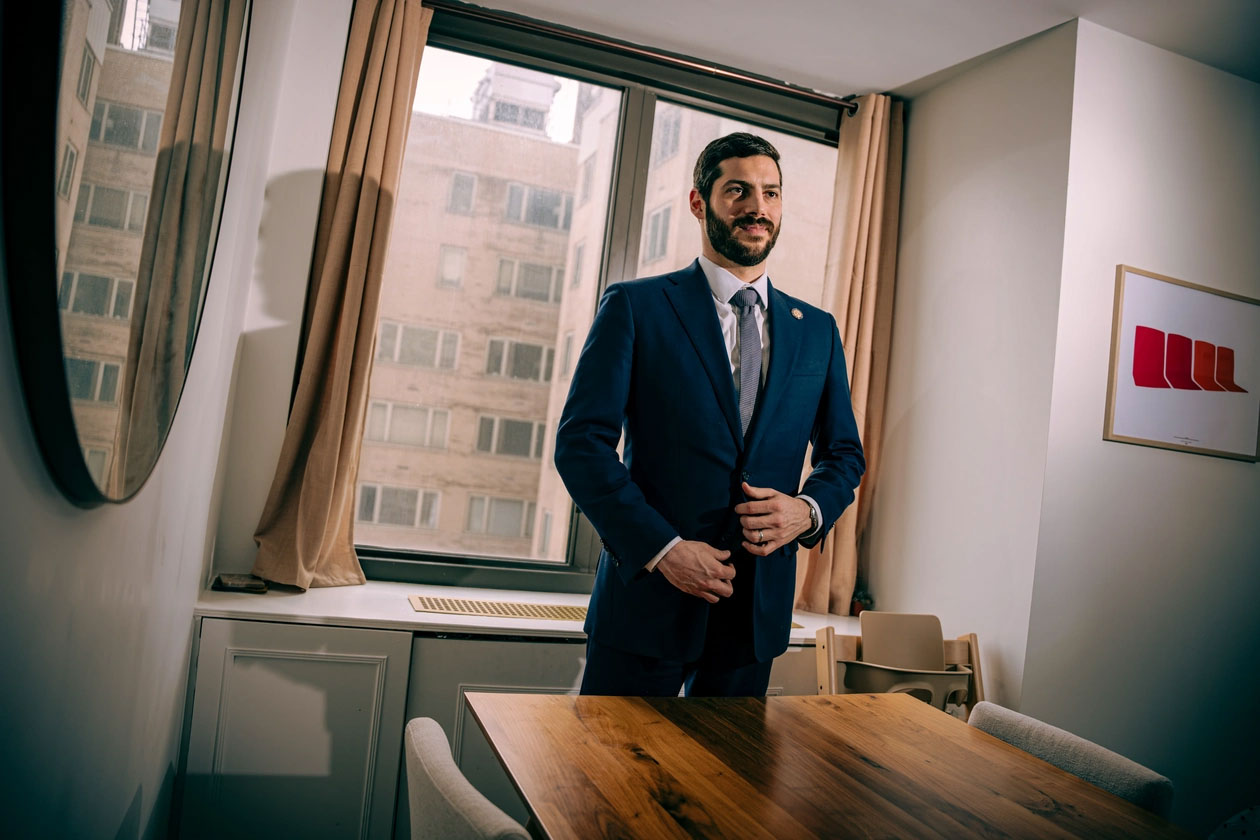
两人都在深蓝的、非常富裕且媒体专业人士高度集中的选区竞选——而且对手与更传统的民主党机器关系更深。
Both were running in deep blue, very wealthy districts with a high concentration of media professionals — and running against someone with deeper ties to the more traditional Democratic machine.
舒斯特眼看着“引领未来”迅速将自己的声誉押在阻止博雷斯进入国会这件事上,最终花费超过800万美元反对他。一位直接知情人士说,“引领未来”联合负责人乔什·弗拉斯托曾对知名民主党捐款人表示,“我们将不惜一切代价阻止亚历克斯·博雷斯进入国会。”他们决定不介入鲁蒂内尔或维纳的竞选。
Shooster watched as Leading the Future quickly staked its reputation on keeping Bores out of Congress, eventually spending over $8 million against him. One person with direct knowledge said that LTF co-head Josh Vlasto told prominent Democratic donors that “we will spend whatever it takes to keep Alex Bores out of Congress.”They decided not to engage with Rutinel or Wiener.
“这两个美国最大的AI安全立法倡导者竟然在相隔仅两天的时间里宣布竞选国会,这真是一个诡异、奇怪的巧合,”奈曼在一家名为LessWrong的EA友好型博客网站上发表的一篇长达8093字的引人注目的帖子中写道。(两天前另一篇要求追随者向博雷斯捐款的帖子长度更高,达到8494字。)资金开始流入,既流入公共优先等AI安全超级政治行动委员会,也直接流入博雷斯和维纳的竞选资金账户。
“It’s an uncanny, weird coincidence that the two biggest legislative champions for AI safety in the entire country announced their bids for Congress just two days apart,” Neyman wrote in a remarkable 8,093 word post on an EA-friendly blogging site called LessWrong. (Another post asking followers to donate to Bores two days prior came in even longer, at 8,494 words.) The money started to flow, both into AI safety super PACs like Public First and directly into the campaign coffers of Bores and Wiener.
博雷斯报告称,他在参选首日筹得超过120万美元;其中大部分来自舒斯特和奈曼的捆绑募款努力。(博雷斯的主要初选对手、州众议员米卡·拉舍是博雷斯AI监管法案的共同发起人,但与AI安全圈无关。)引领未来曾希望借博雷斯树立一个榜样。
Bores reported raising over $1.2 million on his first day in the race; much of that was from the bundling efforts of Shooster and Neyman. (Bores’s leading primary opponent, state assemblymember Micah Lasher, was a co-sponsor of Bores’ AI regulation bill, but was not connected to the AI safety world.) Leading the Future had hoped to make an example of Bores.
一场本应由肯尼迪家族后裔和一位著名的反特朗普评论员竞逐,以取代一位连任25年的前司法委员会主席的选举,突然变成了关于AI政策的代理人之战。单一议题捐助者在6月23日初选前改变了这场竞选,支持监管的政治团体最终为博雷斯花费超过1900万美元,远超引领未来的800万美元。其中超过1300万美元来自就业与民主政治行动委员会,该组织隶属于公共优先伞下。
A race that included a Kennedy scion and a famous anti-Trump commentator seeking to replace a quarter-century incumbent and former Judiciary Committee chair suddenly became a proxy fight over AI policy. Single-issue donors transformed the race ahead of the June 23 primary, with pro-regulation political groups ultimately spending over $19 million in favor of Bores — swamping LTF’s $8 million. Over $13 million of that pro-Bores money came from Jobs and Democracy PAC, an organization in the Public First umbrella.
大量支持博雷斯的直邮广告和电视广告铺天盖地地覆盖了这座城市和电视频道。观看尼克斯队季后赛比赛时,几乎不可能不看到关于博雷斯的(极其昂贵)广告。
A deluge of pro-Bores mailers and TV spots blanketed the city and the airwaves. It was impossible to watch a Knicks playoff game without seeing (extremely expensive) ads about Bores.
“我们表明,持这一立场有政治上的好处,其中包括财务上的好处,尽管在竞选开始时这一点绝不明显,”博雷斯说。“绝大部分[支持监管的]支出是在竞选的最后阶段投入的。”巴尔瓦尼并未深度参与博雷斯的初选,他对这场竞选为何成为如此大的焦点,以及引领未来为何在这场竞选中投入如此多资金感到困惑。
“We showed that there is political upside to taking this position, and that includes financial, though that was not at all obvious at the start of that race,” said Bores. “The vast majority of that [pro-regulation] spending came in at the very end.”Bharwani, who was not deeply involved in the Bores primary, was baffled at how it became such a flashpoint and at why Leading the Future spent so much money on the race.
“这是一个在深蓝色、中上阶层的纽约州选区举行的拥挤的国会初选——对国家来说并不具有真正的象征意义,也不能代表摇摆州。但[LTF]选中了他们想要击败并声称功劳的人,”他说。“他们为什么选中亚历克斯·博雷斯,一个深思熟虑、有魅力的科技政策专家,而且非常英俊,这让我无法理解。”他的言论体现了他对人工智能和科技监管的看法与LTF以及舒斯特和卡森的看法有所不同。
“It was a crowded congressional primary in deep blue, upper middle class New York — not really symbolic for the country or representative of a swing state. But [LTF] chose a person they wanted to take out and claim credit for,” he said. “Why they chose Alex Bores, a thoughtful, charismatic tech policy expert who is very handsome, is beyond me.”His comments speak to how his thinking about AI and tech regulation diverges from both LTF and from Shooster and Carson.
领导未来组织认为博雷斯是亲Anthropic利益集团的代言人。硅谷倡导者认为,鉴于他的背景和对该问题的理解,他是在国会推进相关监管的关键人物。
Leading the Future saw Bores as a shill for pro-Anthropic interests. Silicon Valley advocates saw him as essential to advancing said regulations in Congress, given his background and understanding of the issue.
与此同时,巴尔瓦尼将精力集中在塑造没有人工智能政策背景的候选人的观点上。他认为可以让他们接受自己的主张。
Bharwani, meanwhile, has focused his efforts on shaping the views of candidates without a background in AI policy. He thinks he can get them to come around to his wants.
随着纽约初选进入最后几周,舒斯特和内曼欢迎另一位有前途的民主党候选人来到加利福尼亚州。像博雷斯和韦纳一样,麦克莫罗是一位精力充沛的年轻州立法者,正在竞选联邦公职,挑战当地民主党建制派的宠儿。不同于他们,她在人工智能相关政策问题上的记录寥寥无几。
As the New York primary entered its final weeks, Shooster and Neyman welcomed another promising Democratic candidate to California. Like Bores and Weiner, McMorrow was an energetic young state lawmaker challenging a favorite of the local Democratic establishment in a race for federal office. Unlike them, she had a scant record engaging with policy questions around AI.
麦克莫罗2023年在密歇根州参议院投赞成票支持一项要求政治广告披露人工智能使用情况的法案。但她在人工智能开发方面经验不足,她初露头角的美国参议院竞选活动主要关注其他问题——高物价以及打击特朗普政府的腐败行为。“我们在立法机构中才刚刚触及人工智能的表面,”麦克莫罗说。
McMorrow had voted for a bill that required political s to disclose AI use in the Michigan Senate in 2023. But she had little experience with AI development, and her nascent campaign for U.S. Senate was focused on other issues — high prices and fighting corruption in the Trump administration. “We had barely scratched the surface [of AI] in the legislature,” said McMorrow.
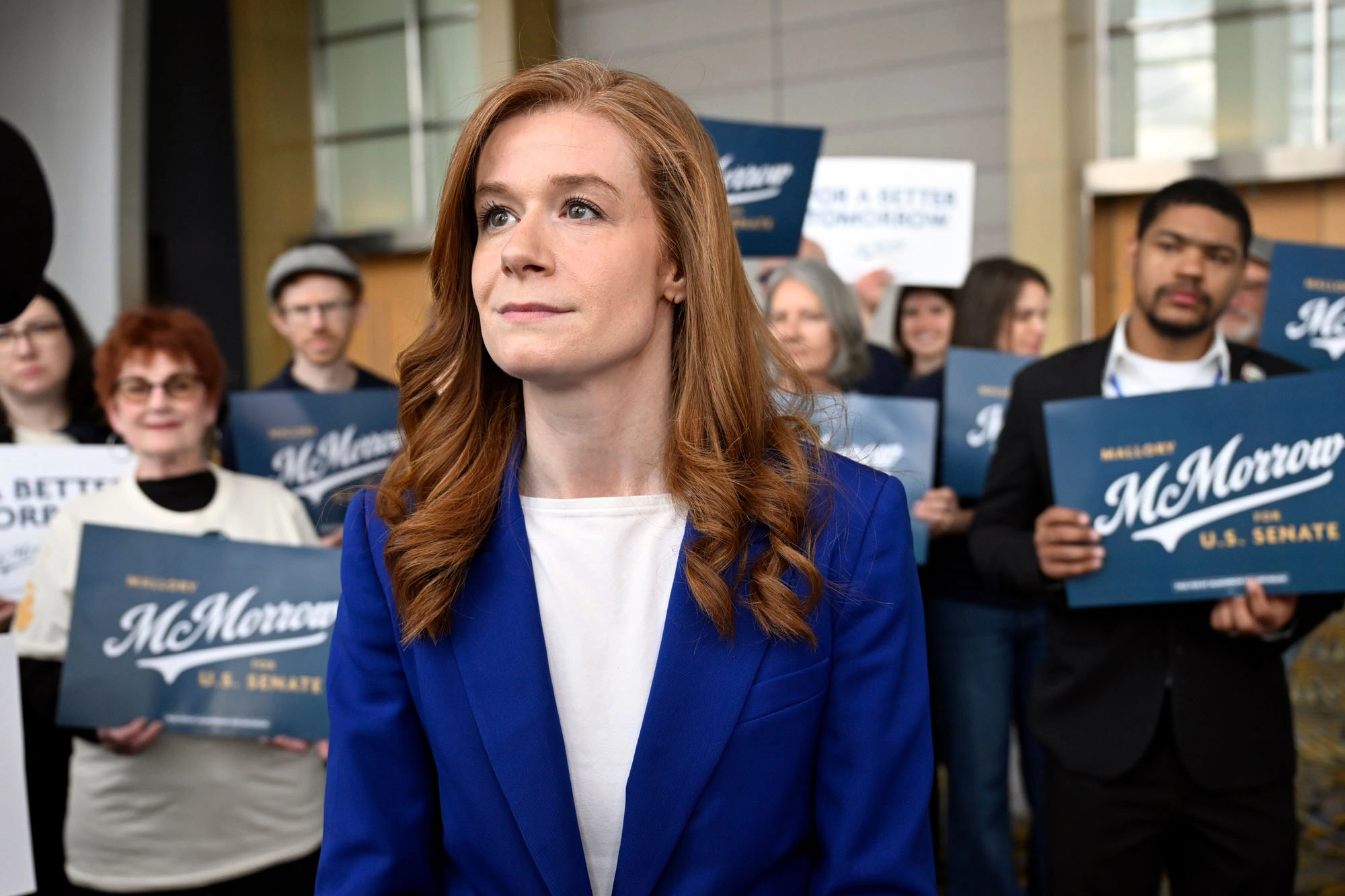
但在她游历密歇根州的过程中,麦克莫罗对这项技术产生了更浓厚的兴趣。在一次工会早餐会上,一位选民向她倾诉了对 AI 监控的担忧,这让她开始思考:这一议题是否正变得日益重要,关系到密歇根州民众的切身利益?她是否能以比聊天机器人安全和数据中心监管更广泛的议题作为竞选纲领?她和她的团队逐渐意识到,监管 AI 不仅是负责任的政策制定,也是一个政治机遇:一种让她与初选对手拉开距离的方式。
But as she traveled around Michigan, McMorrow grew more curious about the technology. After a voter at a trade union breakfast talked to her about his fears of AI surveillance, she started to think about whether the issue was becoming increasingly important to Michiganders — and whether she could run on more than just chatbot safety and regulations for data centers. She and her staff began to see regulating AI not only as responsible policymaking, but also as a political opportunity: a way to distance herself from her primary opponents.
几个月后,她前往旧金山筹款,并与多个致力于防范 AI 对人类造成灾难性风险的团体会面。据多位直接知情人士透露,这些会面大多由舒斯特和内曼安排。舒斯特表示:“我们很荣幸能接待多位候选人和民选官员,让他们与 AI 安全专家对话,并期待在 2028 年接待更多人。”与此同时,其他雄心勃勃的民主党人也开始对曾经热情邀请的科技投资感到不安。
A few months later, she traveled to San Francisco to raise money and meet with multiple groups trying to prevent catastrophic risks to humanity from AI. Many of those meetings were organized by Shooster and Neyman, according to multiple people with direct knowledge. (“We’ve been grateful to host a number of candidates and elected officials for conversations with AI safety experts, and look forward to hosting even more in 2028,” said Shooster.) At the same time, other ambitious Democrats were also growing queasy about tech investment they had once invited.
2 月,巴尔瓦尼接到了宾夕法尼亚州州长乔什·夏皮罗办公室的电话。一年前,这位民主党人还欢迎“最先进的数据中心园区”。但随着连任之年临近,他开始重新审视自己对大型科技投资敞开大门的政策。为了以更全面的方式应对 AI 风险,夏皮罗的顾问们希望得到巴尔瓦尼的建议,重点关注聊天机器人对儿童的危害,并将此次接触作为与利益相关方更广泛磋商的一部分。
In February, Bharwani received a call from Pennsylvania Governor Josh Shapiro’s office. A year earlier, the Democrat had welcomed “state-of-the-art data center campuses.”But as he entered a reelection year, he began to rethink his open-arms policy to Big Tech investment. Seeking a more expansive way to address AI risks, Shapiro advisers wanted Bharwani’s advice on how to focus on chatbot harms to children and reached out as part of broader discussions with stakeholders.
就在双方办公室通话的同一个月,夏皮罗在年度预算演说中强调了儿童安全问题。几个月后,宾夕法尼亚州州长起诉了 Character AI——一个生成式聊天机器人和 AI 角色扮演平台,指控其非法冒充医疗专业人士。该公司近期已宣布破产。
The same month their offices spoke, Shapiro highlighted child safety concerns in his annual budget address. A few months later, the Pennsylvania governor sued Character AI, a generative chatbot and AI roleplay platform, over unlawfully presenting itself as a medical professional. The company recently declared bankruptcy.
夏皮罗设法迅速调整了立场。但像舒斯特这样担心人工智能可能引发灾难性事件的人认为,政客们应该讨论的不仅仅是数据中心建设和聊天机器人与儿童互动的问题。
Shapiro managed to quickly pivot. But people like Shooster, who fear AI could cause cataclysmic events, feel that politicians should be talking about more than just data center construction and chatbots interacting with children.
麦克莫罗对人工智能政策制定采取全面方法的愿景——既关注监控和数据中心的实际存在,也关注对模型开发的护栏——遭到了从事和研究这些产品的人的怀疑。他们几乎完全专注于一件事:他们认为,如果他们的工作没有得到适当的监管,可能会导致人类的毁灭。如果说对数据中心采取立场是所有民主党人都能接受的温和做法,那么谈论人工智能如何可能杀死我们所有人就没那么容易了。
McMorrow’s vision of a comprehensive approach to AI policymaking — one concerned with surveillance and the physical presence of data centers as much as guardrails on model development — was met with skepticism from people working on and researching these products. They were focused almost entirely on one thing: They believed that their work, if not regulated properly, could lead to the destruction of humanity. If taking a position on data centers was the moderate thing all Democrats felt comfortable with, talking about how AI could kill all of us wasn’t so easy.
麦克莫罗说,她和他们“一起掉进了兔子洞”。但她也发出了一些警告。“在我的角色中,存在一种危险,即如果[问题]太大,人们会崩溃,”她继续说道。“你看着它,感到不知所措,然后说,‘如果这会杀死我们所有人,那我该怎么办?’”她将数据中心问题视为一种让当今人们对灾难性风险的抽象担忧变得具体的方式。不请自来地降落在他们家附近的喧闹建筑可能会引导选民就人工智能可能对世界造成的影响展开更大的对话。
McMorrow said she “went down the rabbit hole” with them. But she also sounded a few notes of caution. “In my role, there is a danger that people will crater if [the problem] is too big,” she continued. “You look at it and get overwhelmed, and say, ‘If this is going to kill us all, then what do I do?’”She saw the data-center issue as a way of making the abstract concern over catastrophic risk tangible for people today. Loud buildings landing uninvited near their homes could lead to voters to bigger conversations about what AI could do to the world.
“我记得房间里有些反馈说,‘这不是关于数据中心的事。把这说成是关于数据中心的人,抓不住重点,’”麦克莫罗说。“我反驳说,对我每天接触的普通人来说,他们的第一个切入点就是数据中心。如果我们不能把这两件事联系起来,就会失去很多人。”巴尔瓦尼就如何将硅谷倡导者对毁灭的担忧与工人再培训、数据中心监管和儿童安全等议程相结合,向她的竞选团队提供建议。
“I remember some feedback in the room that ‘this isn’t about data centers. People who are making it about data centers are missing the point,’” McMorrow said. “I countered that, for the average person that I’m dealing with every day, their first entry point was data centers. If we aren’t able to connect the two things, you lose a lot of people.”Bharwani advised her campaign on how to merge Silicon Valley advocates’ worries about annihilation with planks related to worker retraining, data center regulations and children’s safety.
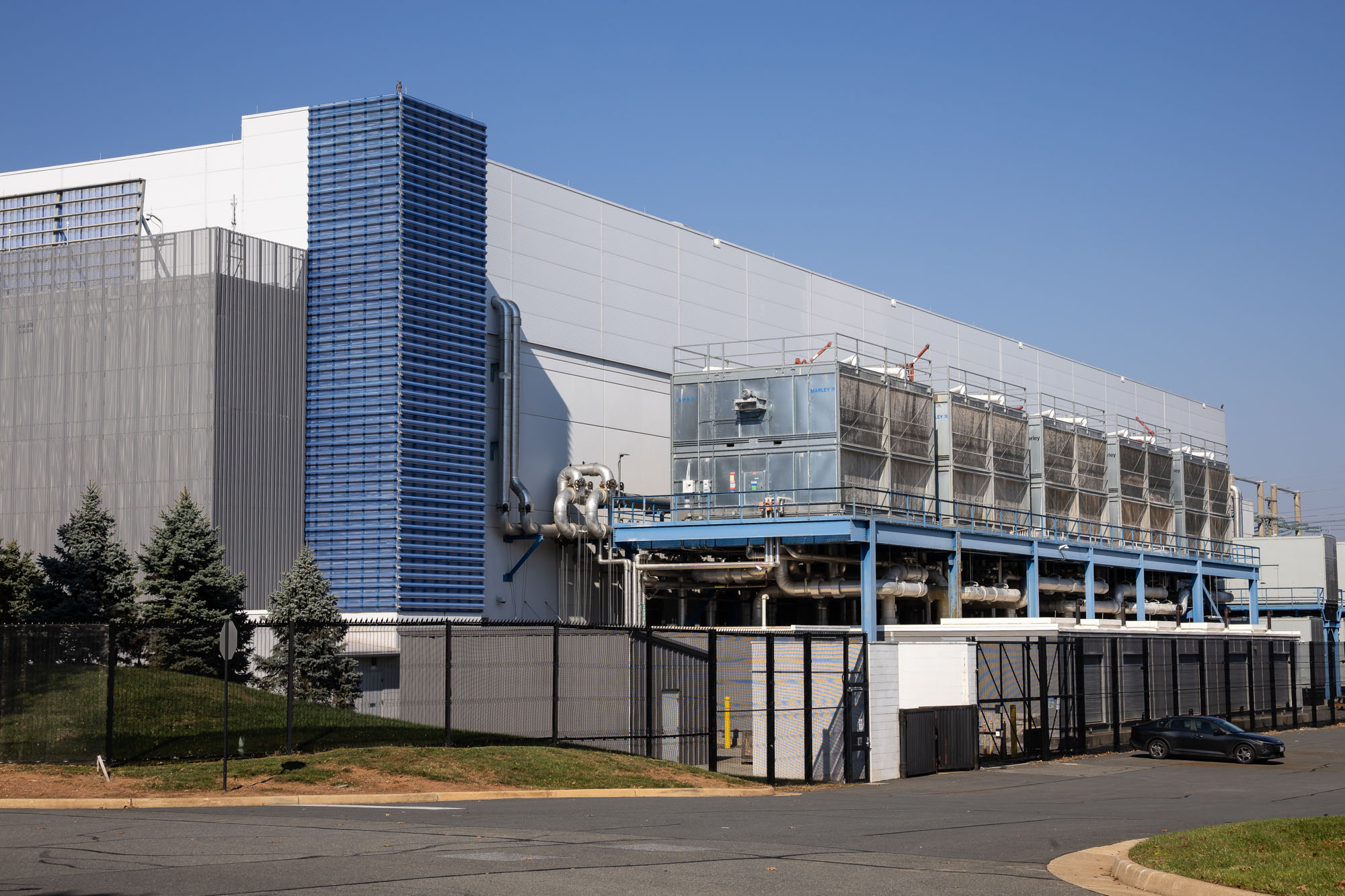
回到密歇根州后,麦克莫罗制定了多个不同的计划,并在6月初以“以人为本,胜过AI”为更广泛的旗号,分别在不同文件中发布。其中一项举措针对AI安全和生存威胁。一天后,在埃尔克拉皮兹一家小型啤酒厂,约100人挤满店内,麦克莫罗就一位担心这项技术的长老会牧师的提问,详细谈论了她的新举措,此消息来自参加该活动的AI安全通讯《Transformer News》的一名记者。
Back in Michigan, McMorrow developed multiple different plans that she released in separate documents under a broader “People Over AI” banner in early June. One initiative tackled AI safety and existential threats. A day later, with around 100 people packed into a small brewery in Elk Rapids, McMorrow talked in detail about her new initiative in response to a question from a Presbyterian minister worried about the technology, according to a reporter from AI-safety newsletter Transformer News who attended the event.
“超过一年的时间里,我走遍全州各地的啤酒厂。人们可以随便问我任何问题,”麦克莫罗说。“问题是没人提就冒出来的?而且是在密歇根州最北部?还是来自一位牧师?这让我意识到,这将是一个大问题,而且会影响到每个人。”同一周,维纳在加利福尼亚州成功晋级大选,以40%的选民相对多数获胜,并将在11月与进步派康妮·陈的对决中占据主动。
“For over a year, I stopped at breweries all across the state. People could ask me whatever they wanted,” said McMorrow. “The fact that this came up unprompted? Way up in very northern Michigan? From a pastor? That showed me this is going to be a big issue, and it’s going to cut across everyone.”That same week, Wiener successfully advanced to the general election in California, winning a 40% plurality of voters and putting himself in the driver’s seat for a November clash against progressive Connie Chan.
6月下旬,卡森、巴尔瓦尼和舒斯特都对博雷斯的落败感到失望。但这次失利似乎预示着更光明的未来:一个专注于AI监管的联盟动员了几乎无限的资金,以对抗亲AI的资金。尽管选举失利,但这向卡森和舒斯特证明,AI安全资金可以压倒另一方。
Later in June, Carson, Bharwani and Shooster were all disappointed when Bores lost his race. But the loss appeared to presage a brighter future: A coalition focused on AI regulation had marshalled an almost unlimited amount of money to confront pro-AI cash. Despite the electoral defeat, it proved to Carson and Shooster that AI safety money could overwhelm the other side.
“我们展示了实力,”卡森说。“我们花的钱比[LTF]多。……这让人们看到,如果你想担任这个职位,就会有人为你辩护。”“对我们来说,这就是战争的终结。”
“We showed our might,” Carson said. “We outspent [LTF]. … It showed people that if you want to take this position, you’ll be defended.”“For us, it was the end of the war.”
随着夏季气温升高,流向渴望在中期选举中发挥作用的人工智能安全团体的资金也随之增加。该问题迅速在进步派政治圈中变得流行。
As the summer heated up, so too did the cash flowing towards AI safety groups eager to play a part in the midterms. The issue quickly became popular in progressive political circles.
新团体也开始涌现。六月,进步派亲监管团体Guardrails Action启动,筹集了500万美元。九月,拜登政府老兵罗布·弗拉赫蒂和前伯尼·桑德斯助手卡西克·加纳帕蒂宣布成立Tomorrow Together,已筹集超过1000万美元。同月,舒斯特和奈曼正式启动了一个名为“公民支持安全人工智能”的倡导团体。他们的网站仅由一个着陆页组成,白色背景上印有组织名称。
New groups started to emerge, as well. In June, the progressive pro-regulation group Guardrails Action launched with $5 million raised. In September, Biden administration veteran Rob Flaherty and former Bernie Sanders aide Karthik Ganapathy announced Tomorrow Together, with over $10 million already raised. That same month, Shooster and Neyman officially launched an advocacy group called Citizens for Safe AI. Their website consists only of a landing page with the name of the organization set against a white background.
本季最大的公告之一来自博雷斯,他与其顶尖立法助理安娜·迈尔斯一起,成立了名为“谁来决定”的政治倡导团体。
One of the season’s biggest announcements came from Bores, who spun up his own political advocacy group called Who Decides, along with his top legislative aide Anna Myers.
“我们在那场竞选中确实失利了,但我们吸取了那个联盟的教训,并将其应用到我们现在的工作中,”博尔斯说。“我们看到全国各地的候选人都接过了这一事业。”这些团体很可能从相似的AI安全倡导者资金池中获取资金。其中一些团体,包括“护栏”,还试图从工会和其他进步组织筹集资金。(由于所有这些委员会的设立方式,无法确切知道他们的捐赠者是谁。每个团体都有一个501(c)(4)非营利组织,捐赠者可向其捐款,资金随后被引导至可直接用于选举支出的超级政治行动委员会。)
“We did fall short in that race, but we took the lessons of that coalition and fed it into what we’re doing now,” said Bores. “We saw candidates throughout the country take up the cause.”The groups were likely drawing funding from a similar pool of AI safety advocates. Some, including Guardrails, were also trying to raise cash from labor unions and other progressive organizations. (Because of the way all of these committees were set up, it is impossible to know exactly who their donors are. Each has a 501(c)(4) nonprofit organization where donors can give money later funneled into super PACs that can spend directly on elections.)
它们都受益于晚夏突然爆发的对AI的恐慌。9月,一位名叫雅各布·考克森的无名研究人员从Anthropic辞职;他的声明大规模传播,引发了华盛顿对监管AI系统必要性的恐慌。新闻周期最终平息,但留下了对该行业的更多关注——以及一个更关注AI和数据中心问题的选民群体。
They all benefited from a sudden late summer freakout over AI. In September, an unknown researcher named Jacob Coxon resigned from Anthropic; his announcement went mega-viral and led to a panic in Washington about the need to regulate AI systems. The news cycle eventually died down, but it left more attention on the industry in its wake — and a voting public more attuned to issues of AI and data centers.
“雅各布·考克森和Hugging Face黑客事件让AI的理论风险变得真实,再加上一个一再站在极不受欢迎的公司一边的政府和总统,”巴尔瓦尼在大选前表示。“这些因素共同作用,使这成为我们在冲刺阶段看到候选人带上竞选路演的最大议题之一。”这种关注帮助了另一位密歇根州人,他已为AI反弹精心筹划了几个月。即使在2025年8月发起对阵首任共和党众议员汤姆·巴雷特的竞选之前,威尔·劳伦斯就已被一位朋友寻求帮助。
“Jacob Coxon and the Hugging Face hack made the theoretical risks of AI real, alongside an administration and a president that was again and again taking the side of the deeply unpopular companies,” said Bharwani before the election. “Those factors together have allowed for this to be one of the biggest issues we’re seeing candidates take with them on the trail during the closing stretch.”That attention helped another Michigander who had been carefully planning for an AI backlash for months. Even before he launched his bid against first-term Republican Rep. Tom Barrett in August 2025, Will Lawrence had been approached by a friend who needed help.
附近豪厄尔镇的一群当地人——主要在Facebook上活跃——需要帮助组织起来,反对数据中心的开发。
A group of locals — mostly active on Facebook — in nearby Howell Township needed help organizing against the development of a data center.
劳伦斯宣布竞选国会议员仅几周后,就参加了在当地高中礼堂举行的一场社区会议,讨论当地一处数据中心选址问题。镇官员此前已将会议从较小的场地移来,以容纳他们预计会出现的大量人群。尽管如此,礼堂里仍然座无虚席。
Just a few weeks after launching his congressional bid, Lawrence attended a community meeting in the local high school’s auditorium about a local data center site. Town officials had already moved the meeting from a smaller venue to accommodate what they expected to be a large crowd. Still, the auditorium was packed.
随着竞选季升温,企业在他所在密歇根州中部选区各地——梅森、里昂和兰辛——建设数据中心的提案也越来越多。6月,当劳伦斯的竞选团队策划第一支竞选广告时,信息点豁然开朗:广告将几乎完全聚焦于数据中心。
As the campaign season ramped up, so did proposals from companies to build data centers across his central Michigan district — in Mason, Lyon and Lansing. In June, as Lawrence’s campaign planned its first campaign ad, the message clicked: It would be focused almost entirely on data centers.
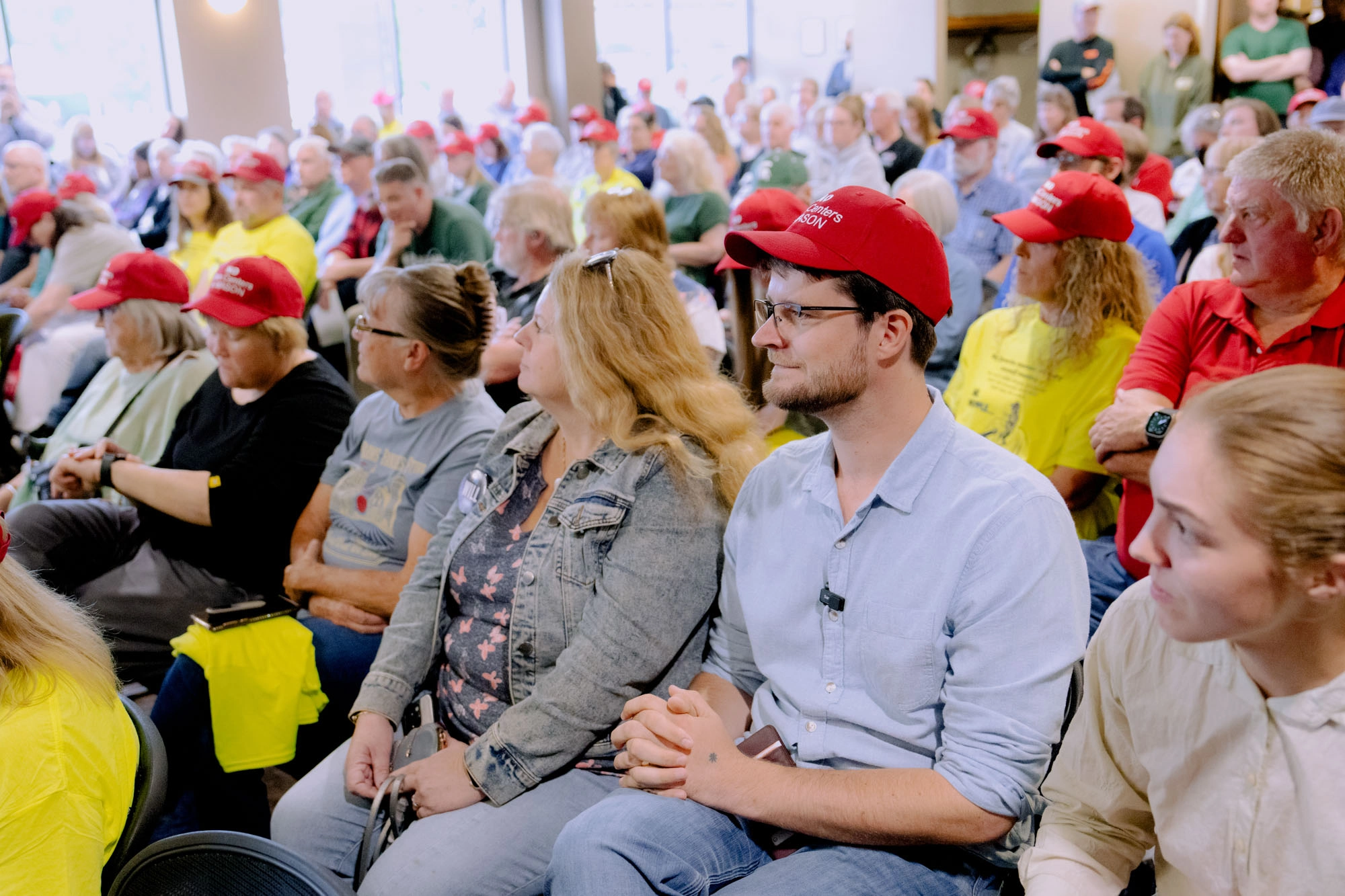
广告中,劳伦斯身穿宽松的带领衬衫和拉链连帽衫,站在一片空地上,他说这里是一处潜在数据中心的选址。随着阴影在绿地上扩大,大型科技公司的威胁在象征意义上被推到前台和中心。
In the ad, Lawrence, wearing a loose collared shirt and zip-up hoodie, stands in front of an empty field that he says is the site of a potential data center. As a shadow expands across the greenery, the Big Tech threat becomes figuratively front and center.
“这真正关乎作为人意味着什么,关乎屏幕的作用是什么,关乎AI和网络空间在我们生活中扮演什么角色,”劳伦斯说。他创立了进步气候组织“日出运动”。“这是人类创造力和技术的一次奇妙展现,但它也提出了关于作为人意味着什么的深刻问题,而我们有可能变得完全依赖这项技术,且这种依赖难以逆转。”他的竞选活动给麦克莫罗留下了深刻印象。
“This is really about what it means to be human, and what is the role of screens and what is the role of AI and of the online space in our lives,” said Lawrence, who founded the progressive climate group Sunrise Movement. “It’s a marvelous expression of human ingenuity and technology, but it poses profound questions about what it means to be human, and we risk becoming utterly dependent on this technology in a way that is hard to reverse.”His campaign impressed McMorrow.
“在这个问题上,威尔·劳伦斯可以对巴雷特提出非常非常明确的反对理由,而且这能引起人们的共鸣,”她说。“尤其是在密歇根州中部,我知道那里有几个正在考虑的项目,人们对此非常愤怒,特别是因为缺乏透明度和公开会议。”在全美范围内,本轮选举周期正是AI政治正式登场的周期。根据巴尔瓦尼的Reset Tech分析,2020年至2024年间,只有六则广告使用了“大型科技公司”这一说法或以其他方式攻击科技行业。本轮周期则有387则。总体而言,候选人已在这些广告上花费了1.036亿美元。
“This is an issue where Will Lawrence can make a very, very clear case against Barrett, and it resonates with people,” she said. “Particularly in Mid-Michigan, where I know there are a number of projects that are being considered that people are furious about, especially because of the lack of transparency and open meetings.”Across the country, this is the cycle where AI politics have come online. According to analysis from Bharwani’s Reset Tech, between 2020 and 2024, just six ads used the phrase “big tech” or otherwise attacked the tech industry. This cycle, it’s 387. Across the board, candidates have spent $103.6 million on those ads.
2020年至2024年间,没有任何一则民主党广告提到数据中心。而在2025年和2026年,这一数字是659则。
Between 2020 and 2024, zero Democratic ads mentioned data centers. In 2025 and 2026, it was 659.
十月的第一个星期一,一位名叫帕特·德怀尔的演员坐在曼哈顿中城一栋满是灰尘的办公楼二层,看上去就像一位当天已经第五次裁人的人力资源中层经理。
On the first Monday in October, an actor named Pat Dwyer sat on the second floor of a dusty office building in midtown Manhattan, looking the part of a human resources middle manager on his fifth firing of the day.
“那么听着,我们不得不让你走了,”德怀尔盯着手持摄像机说道。“你在这里干得很出色,但我们认为用AI可以更便宜地完成这项工作。”这段素材从未播出。但它是“明日同行”为总额400万美元的广告投放所拍摄的多支广告之一,投放对象是那些在2025年投票支持抢先限制各州对AI监管的共和党人所在的众议院选区。
“So listen, we’re going to have to let you go,” Dwyer said as he stared into a handheld camera. “You’ve done great here, but we think we can get it done cheaper with an AI.”The footage never aired. But it was part of multiple ad campaigns shot by Tomorrow Together for an ad buy totaling $4 million in House districts of Republicans who voted in 2025 to preempt state regulation of AI.
这笔广告投放中包括100万美元用于针对巴雷特——这位共和党现任议员正面临劳伦斯的挑战。
That ad buy included a $1 million spend against Barrett, the Republican incumbent being challenged by Lawrence.
“我们的标准相当严格,”“明日同行”联合创始人弗莱厄蒂说。“必须是总统选战的摇摆州,必须以某种方式谈论AI,而且必须是(特朗普2024年赢下的)特朗普选区。”这一策略部分是由日益壮大的、专门在竞选中从事AI安全议题工作的操盘手队伍制定的。Coefficient Giving是一家主要由大额捐赠者达斯汀·莫斯科维茨和卡里·图纳资助的非营利组织——这两人本身与有效利他主义运动关系密切——该组织最近启动了一个项目,培训希望从事AI安全工作政治操盘手。
“We had a pretty tight criteria,” said Flaherty, the co-founder of Tomorrow Together. “It had to be a presidential battleground state, had to be talking about AI in some way, and had to be a Trump district [that he won in 2024].”The strategy was developed in part by growing ranks of operatives trained to work specifically on AI safety issues in campaigns. Coefficient Giving, a nonprofit funded in large part by megadonors Dustin Moskovitz and Cari Tuna — themselves closely connected with the effective altruist movement — recently launched a program to train political operatives who want to work in AI safety.
“我开始把AI理解为……正在渗透到我关心的其他一切事物中,”麦迪·克里格说。她参加了该项目,在加入“明日同行”之前,曾从事全国性民主党竞选工作以及气候政治。
“I started to understand AI as … seeping into everything else that matters to me,” said Maddie Kriger, who participated in that program and had previously worked on national Democratic campaigns and in climate politics before joining Tomorrow Together.
并非总是精通AI技术层面的政治专业人士与AI安全倡导者之间的沟通,并不总是那么简单。
Communication between political professionals not always versed in the technical side of AI and AI safety advocates is not always simple.
“我觉得有时候硬核 AI 安全派不理解我们在做什么,而我们也不懂 AI。有效利他主义者跟无效非利他主义者碰头,总有点好笑,”弗拉赫蒂笑着说。
“I think sometimes hard AI safety people don’t understand what we do, and we don’t understand AI. Effective altruists meeting with ineffective non-altruists is always kind of funny,” Flaherty said with a laugh.
但那些有效利他主义者往往钱包很鼓。在整个 2026 年,AI 安全倡导者在左翼赢得了舆论战,在中期选举中赢得了金钱战。AI 安全相关团体花费 4440 万美元,而亲创新派花费 2790 万美元。(该统计不包括 xAI 所有者埃隆·马斯克的政治捐款,尽管他的“美国政治行动委员会”似乎并未聚焦 AI 相关议题;也不包括表面上属于教育性质的 501(c)(4) 组织的支出。双方阵营都通过这些渠道花费了数百万美元。)
But those effective altruists often have deep pockets. And throughout 2026, AI safety advocates won the public relations battle on the left and the money battle in the midterms. AI safety-affiliated groups spent $44.4 million, compared to $27.9 million from the pro-innovation side. (That calculation does not include political giving by Elon Musk, the owner of xAI, although his America PAC did not appear to be focused on AI-related issues, nor does it include spending from 501(c)(4)s that is ostensibly educational in nature. Both pro-safety and pro-innovation factions spent millions through those sources.)
9 月,OpenAI 联合创始人格雷格·布罗克曼退出了向 LTF 进行的第二笔计划捐款 2500 万美元。10 月,民主党大额捐赠者罗恩·康威的传播负责人杰伊·卡尼表示,他的老板后悔向 LTF 捐款。
In September, OpenAI co-founder Greg Brockman backed out of a second planned donation of $25 million to LTF. In October, Jay Carney — who leads communications for Democratic megadonor Ron Conway — said that his boss regretted his LTF contribution.
“罗恩如果能重来一次,不会向‘引领未来’(Leading the Future)捐款,”卡尼告诉《政治客》(POLITICO)。
“Ron, if he had to do that over again, he wouldn’t make that donation [to Leading the Future],” Carney told POLITICO.
周二,这些努力开花结果。AI 安全派的最大支持者鲁蒂内尔和维纳在艰难的选战中获胜。明天在一起(Tomorrow Together)投入资金的四个众议院选区全部从共和党翻红为民主党——包括威尔·劳伦斯在密歇根州的险胜。他们还在俄亥俄州和堪萨斯州两个参议院选战中投入资金,民主党均告获胜。护栏联盟(The Guardrails Alliance)在其投入资金的全部五场竞选中获胜。
On Tuesday, those efforts came to fruition. AI safety’s biggest advocates, Rutinel and Wiener, won tough races. All four House districts in which Tomorrow Together spent flipped from Republican to Democrat — including a narrow victory for Will Lawrence in Michigan. They also spent in two Senate races — in Ohio and Kansas — where Democrats won. The Guardrails Alliance won all five of the races that it spent in.
“围绕 AI 的信息作为连接生活成本与腐败的切入点,被证明非常有效,”弗拉赫蒂说。“如果美国的政策体制没有任何重大变化,我认为随着事态发展,人们只会对 [AI] 感到越来越愤怒。”Leading the Future 确实取得了一些胜利,包括击败了 Public First 支持的共和党人斯科特·辛格,后者在佛罗里达州第 25 国会选区挑战民主党人贾里德·莫斯科维茨。
“The message around AI proved very effective as a connective point between cost of living and corruption,” said Flaherty. “Absent any big change in the policy regime of the United States of America, I think people are just going to get angrier and angrier about [AI] as we move on.”Leading the Future did notch victories, including defeating Public First-backed Republican Scott Singer, who was running against Democrat Jared Moskowitz in Florida’s 25th House district.
他们也在南卡罗来纳州输掉了一场关键竞选,LTF 支持的共和党人达琳·格雷厄姆败给了民主党人安妮·安德鲁斯;在堪萨斯州州长竞选中,他们支持的候选人、共和党人泰·马斯特森似乎将爆冷落败。
They also lost a major race in South Carolina, where LTF-backed Republican Darline Graham fell to Democrat Annie Andrews, and in the Kansas governor’s race, where their preferred candidate Republican Ty Masterson appears set to lose a shocker.
“我们为本周期支持的许多亲创新冠军在周二获胜而感到自豪,”Leading the Future 发言人杰西·亨特说。“我们致力于多周期的努力,2028 年将显示谁真正关心通过全国性的 AI 监管框架,谁想将一个对国家未来极其重要的问题政治化。”AI 安全倡导者仍在庆祝胜利。一种在 2025 年初完全不被视为政策议题的技术,已成为美国政治的核心议题。
“We’re proud that many of the pro-innovation champions we supported this cycle won on Tuesday,” said Jesse Hunt, a spokesperson for Leading the Future. “We are committed to a multi-cycle effort and 2028 will show who actually cares about passing a national regulatory framework on AI and who wants to politicize an issue that’s extremely consequential to the future of our country.”AI-safety campaigners are still taking a victory lap. A technology that was in no way legible as a policy issue at the start of 2025 had become a central question in American politics.
当 NBC 出口民调询问选民对 AI 和数据中心的看法时,56% 的受访者表示这是其投票时的关键或主要因素。这远低于政府腐败等议题,后者有 90% 的选民称其为关键或主要因素。但超过一半的选民声称 AI 和数据中心对其投票很重要,表明该议题是中期选举的一个重要因素。
When NBC exit pollsters asked voters about AI and data centers, 56% of respondents said that they were a crucial or major factor in their vote. That ranks well behind an issue like government corruption, which 90% of voters called a crucial or major factor. But over half of voters claiming that AI and data centers are important to their vote suggests that the issue was an important factor in the midterms.
“特朗普向大型科技公司首席执行官争取支持,为数据中心开发商喝彩,并削弱了负责追究科技公司责任的联邦执法机构,”巴尔瓦尼说。“这给反科技的进步民粹主义者留出了一条宽阔得足以让民主党开着‘麦克卡车’冲过去的车道。而他们确实这么做了。” 这个联盟在2028年选举周期中处于有利位置。倡导人工智能监管不仅显然是好的民粹主义政治,现在还自带一套内置的捐赠者和超级政治行动委员会——外加一批进步政治精英,他们既将从事人工智能安全工作视为道德义务,也视为职业晋升的机会。
“Trump courted support from Big Tech CEOs, cheered on data center developers and gutted the federal enforcement agencies responsible for holding tech companies accountable,” said Bharwani. “That left a lane for anti-tech progressive populists that was wide enough for Democrats to drive a Mack truck through. And they did.”That coalition is well-positioned for the 2028 cycle. Not only is advocating for AI regulation clearly good populist politics, it now comes with a built-in set of donors and super PACs — plus a progressive political class who see work on AI safety as both a moral imperative and a career advancement opportunity.
然而,随着国会民主党人试图弄清如何治理——并开启一场注定混乱的总统初选——卡森、舒斯特和巴尔瓦尼可能会再次发现自己面临一组分歧的利益。“真正的挑战不会是‘我们是否都同意’,而将是‘我们的赛道是什么?’”这位民主党政治策略师说。
Yet as Democrats in Congress try to figure out how to govern — and begin what is sure to be a messy presidential primary — Carson, Shooster and Bharwani might find themselves once again with a set of divergent interests. “The actual challenge isn’t going to be ‘do we all agree,’ it’s going to be ‘what is our lane?’” said the Democratic political strategist.
卡森与全球最富有、最强大的公司之一有关联,该公司将在未来几周兑现首次公开募股(IPO)承诺时面临来自投资者的新压力。最近,他小心地与Anthropic提出的草案人工智能安全立法划清界限,辩称“流传的法案文本不满足联邦护栏确保人工智能开发安全所需的最低要求。”舒斯特的影响力来自受有效利他主义(EA)影响的捐赠者行列,其中许多人将在Anthropic上市时变得更加富有。
Carson is connected to one of the world’s wealthiest and most powerful companies, one that will be subject to new pressure from investors when it delivers on a promised IPO in the next few weeks. Recently, he carefully distanced himself from draft legislation on AI safety that Anthropic was proposing, arguing “the bill text that’s circulating does not meet the minimum requirements necessary for federal guardrails to keep AI development safe.”Shooster’s influence comes from the ranks of EA-influenced donors, many of whom stand to become even more wealthy when Anthropic goes public.
“我们组织的首要任务是应对灾难性风险,”舒斯特说,并指出这与解决人工智能在更短期内伤害人们的方式“齐头并进”。对巴尔瓦尼而言,聊天机器人或数据中心已造成的危害才是最重要的。
“Our organization’s top priority is addressing catastrophic risks,” said Shooster, while noting that goes “hand-in-hand” with addressing the ways that AI is hurting people in the more immediate term. For Bharwani, the already existing harms from chatbots or data centers are most of what matters.
“在上任前100天内,他们应当禁止监控定价,打击网络诈骗,并阻止数据中心推高电费。他们还应在儿童安全问题上与特朗普划清界限,”他说。“民主党应当通过儿童在线安全立法,迫使特朗普面临是否否决的抉择。”
“In their first 100 days, they should ban surveillance pricing, crack down on online scams, and stop data centers from jacking up electric bills. And they should draw a sharp contrast with Trump on child safety,” he said. “Democrats should pass kids’ online safety legislation and dare Trump to veto it.”