21世纪初,美国人有理由庆祝一项公共卫生突破:麻疹在美国已被根除。虽然仍有零星病例,但病例数已少到美国符合麻疹消除状态的标准。
As the 21st century got underway, Americans had reason to celebrate a public health breakthrough: Measles had been eradicated in the United States. There were still some isolated cases, but the number had dwindled to a point that the country met the standards for measles elimination status.
然而,好景不长。2025年,美国多个社区出现麻疹暴发,使这一成就岌岌可危,而2026年情况明显恶化,今年已报告超过5000例病例,包括多人死亡。(就在2024年,国内病例总数还只有283例——这表明2026年的病例数在两年内增长了大约18倍。)考虑到这一点,泛美卫生组织下周开会时,美国失去25年前获得的麻疹消除状态的可能性非常大。
The good news, however, did not last. There were multiple measles outbreaks in U.S. communities in 2025, putting our distinction at risk, and conditions have been significantly worse in 2026, with more than 5,000 cases reported this year, including several fatalities. (As recently as 2024, the total number of domestic cases was 283 — suggesting the totals from 2026 have grown roughly 18 times in two years.) With this in mind, there’s a very real chance that the U.S. will lose the measles elimination status it achieved 25 years ago when the Pan American Health Organization meets next week.
尽管这些进展令人沮丧,好消息是,公共官员知道如何扭转局面,让我们重回正轨。坏消息是,没有理由认为现任联邦官员会根据这些知识采取行动。NBC新闻报道:周三,约15名公共卫生专家——包括疾病控制与预防中心主任埃里卡·施瓦茨博士——在亚特兰大一家CDC会议室低调举行了面对面会议。议题:随着麻疹暴发升级,美国如何可能重新控制麻疹。
As depressing as these developments are, the good news is that public officials know how to turn things around and get us back on track. The bad news is, there’s no reason to assume that incumbent federal officials will act on this knowledge. NBC News reported: On Wednesday, a group of about 15 public health experts — including the head of the Centers for Disease Control and Prevention, Dr. Erica Schwartz — quietly gathered in person in a CDC conference room in Atlanta. The topic: how the U.S. might possibly regain control of measles as outbreaks escalate.
与会者一致认为,疫苗必须是从失去消除状态中恢复过来的重要部分。然而,尚不清楚施瓦茨是否有权公开表态支持疫苗。
There was consensus in the meeting that vaccines must be a major part of climbing back from losing elimination status. It wasn’t clear, however, if Schwartz would have the authority to speak publicly in endorsing them.
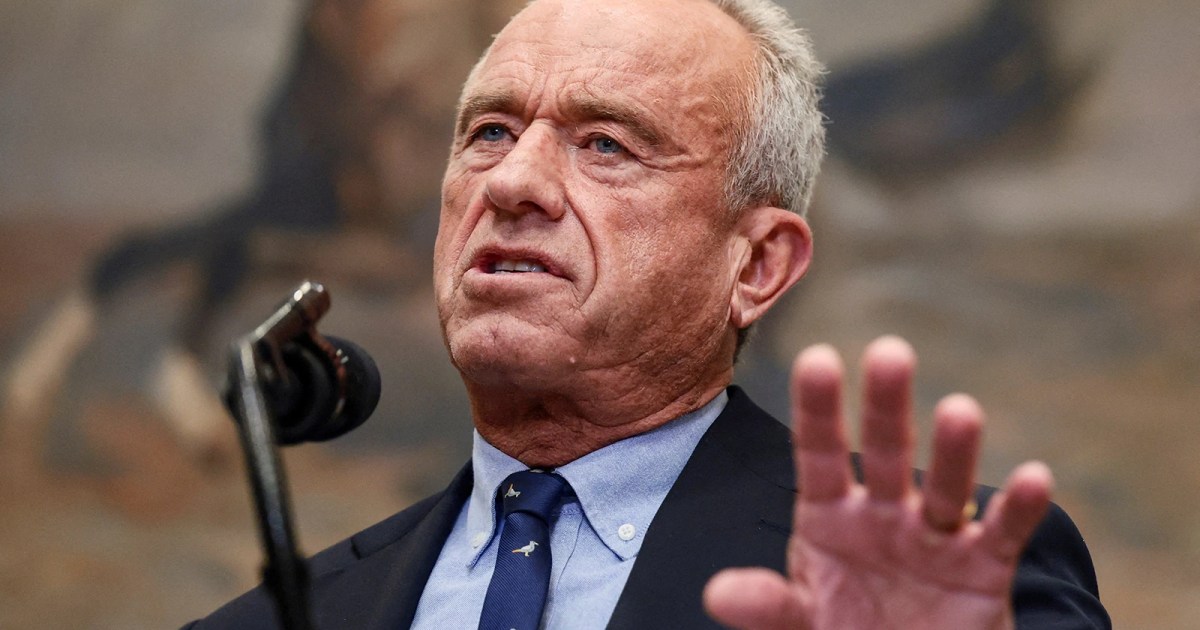
这正是当前政治气候中最令人深感沮丧的地方。我们可以接受一个真实的问题(麻疹爆发),并找到一个有效的解决方案(疫苗),但随后却不得不面对一个无法回避的事实:负责监管所有联邦公共卫生机构的那位官员——卫生部长罗伯特·肯尼迪小——是一位反疫苗阴谋论者,既不承认问题的存在,也不认可解决方案的价值。于是问题变得更加严重。
This is what’s so profoundly frustrating about the current political climate. We can come to terms with a real problem (measles outbreaks) and identify an effective solution (vaccines), but then struggle with the unavoidable fact that the one official who oversees all federal public health agencies — Health Secretary Robert F. Kennedy Jr. — is an anti-vaccine conspiracy theorist who doesn’t recognize the problem or see the value in the solution. And so the problem gets worse.
NBC新闻报道补充说:“疾病控制与预防中心一直受到领导层更替的阻碍,自2025年初持续的麻疹爆发开始以来,该中心基本上一直保持沉默。‘今年没有关于麻疹威胁的媒体简报,也没有关于对孕妇及其新生儿可能致命风险的警告。疾病控制与预防中心的网站每周更新病例数,包括有多少人住院,但没有解释这些数字的含义。’”
“The CDC, which has been hindered by a leadership churn, has been largely silent since the ongoing measles outbreaks began in early 2025,” the NBC News report added. “There have been no media briefings on the measles threat this year and no warnings about the potentially deadly risk to pregnant women and their newborn babies. The CDC’s website updates weekly case counts, including how many people have been hospitalized, but without explanation of what the numbers mean.”
在其历史的大部分时间里,该机构被称为疾病控制中心,直到1992年,政策制定者同意将其名称扩展,以强调“预防”。但到了2026年,这一名称变化证明是无益的——因为负责监管国家卫生政策的那位官员,对如何最好地预防问题持有扭曲的想法。
For much of its history, the agency was known as the Centers for Disease Control, until 1992, when policymakers agreed to expand its name to emphasize “prevention.”But in 2026, that name change is proving unhelpful — because the official who oversees national health policies has twisted ideas about how best to prevent problems.