沙特阿拉伯的石油产量已升至伊朗战争扰乱供应以来的最高水平。这场战争于2月爆发,引发了全球能源和航运危机。
to their highest levels since before the Iran war disrupted supplies in February, triggering a global energy and shipping crisis.
欧佩克周三发布的一份报告称,这个全球最大的石油出口国10月原油产量为每日1056.3万桶,比9月产量增加逾200万桶/日。
An OPEC report issued on Wednesday said the world’s biggest oil exporter pumped 10.563 million barrels per day (bpd) of crude in October, up by over two million bpd from its September output.
这是美国和以色列2月底对伊朗发动战争以来的最高水平,当时沙特阿拉伯的产量为每日1088.2万桶。
That is the highest level since the United States and Israel launched the war on Iran in late February, when Saudi Arabia produced 10.882 million bpd.
沙特阿拉伯和俄罗斯石油产量上升,推动欧佩克+集团的产量增加。该集团包括石油输出国组织(欧佩克)以及俄罗斯等其他产油国。
Rising oil production by Saudi Arabia and Russia helped increase outputs for the OPEC+ group which includes the Organization of the Petroleum Exporting Countries (OPEC) and other nations including Russia.
根据欧佩克+的月度报告,该集团10月产量为每日4123万桶,比9月增加约204万桶/日。由于美国总统唐纳德·特朗普10月中旬解除对俄罗斯能源的制裁,并宣布乌克兰与俄罗斯之间实现“能源停火”,俄罗斯的产量有所增加。
OPEC+ pumped 41.23 million bpd in October, up by about 2.04 million bpd from September, according to its monthly report. Russia’s output increased as US President Donald Trump lifted sanctions on Russian energy and announced an “energy ceasefire” between Ukraine and Russia in mid-October.
燃料价格回落。在美国和以色列打击伊朗之前,利雅得已在2月大幅提高产量。能源策略师、乔治·梅森大学高级访问研究员乌穆德·肖克里对半岛电视台表示,沙特阿拉伯据报道的石油增产“可能有助于缓解美国消费者面临的部分通胀压力”。
Fuel prices ease Riyadh sharply increased its production in February ahead of US and Israeli strikes on Iran Saudi Arabia’s reported increase in oil production “could help ease some of the inflationary pressure facing American consumers”, Umud Shokri, an energy strategist and senior visiting fellow at George Mason University, told Al Jazeera.
他说:“当更多石油进入全球市场时,价格通常会面临下行压力,这最终可能转化为美国汽油、运输和生产成本的下降。然而,沙特增产并不自动意味着美国加油站的油价会下降。”本周,美国汽油价格数月来首次跌破每加仑4美元,但对生活成本居高不下的担忧,推动了民主党在上周美国中期选举中大获全胜。
“When more oil enters the global market, prices generally come under downward pressure, which can eventually translate into lower gasoline, transportation, and production costs in the United States,” he said. “However, higher Saudi production does not automatically mean lower prices at American gas stations.”While US prices for petrol or gasoline fell below $4 a gallon for the first time in months this week, concerns over the stubbornly high cost of living drove the Democratic Party’s sweeping victories in US midterm elections last week.
自2月以来,通胀率大幅上升,当时为2.9%。5月,年度个人消费支出(PCE)通胀率飙升至4.1%,创下三年新高,原因是冲突切断了约五分之一的全球石油供应,这些供应需经由霍尔木兹海峡运输,导致能源价格飙升。
Inflation has spiked since February, when it stood at 2.9 percent. Annual personal consumption expenditures (PCE) shot to a three-year high of 4.1 percent in May, when energy prices soared as the conflict closed off roughly one-fifth of global oil supplies transiting through the Strait of Hormuz.
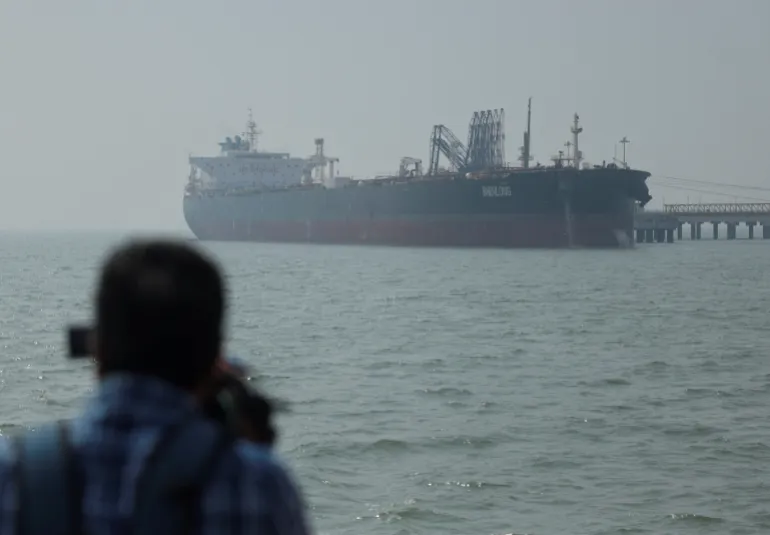
一艘装载沙特阿拉伯原油的油轮在成功通过霍尔木兹海峡后抵达印度孟买。伊朗在该海峡封锁并向油轮开火 其他产油国设法夺回了供应地位,包括美国。
A tanker loaded with Saudi Arabian crude arrives in Mumbai, India after successfully transiting the Strait of Hormuz, where Iran has blocked and fired on tankers [File: Francis Mascarenhas/Reuters] Other producers managed to regain their supply positions, including the US.
然而,报告指出,世界最大经济体之一的日本进口出现下降,“9月原油进口大幅下滑,原因是贸易流再度受到干扰”。
However, the report noted a decline in imports by one of the world’s largest economies – Japan – where “crude imports fell sharply in September amid renewed disruptions to trade flows”.
报告数据虽基于二手来源,但显示海湾产油国正通过船对船转运等变通手段绕过冲突造成的干扰,以恢复出口。
The report data, while based on secondary sources, indicate that Gulf oil producers are recovering exports by using workarounds such as ship-to-ship transfers to bypass disruptions caused by the conflict.
“9月,阿联酋以49%的份额重夺头号供应国地位,上月为25%。美国以28%位居第二,沙特阿拉伯以14%紧随其后,”欧佩克报告指出。
“The UAE regained its position as the top supplier in September with a share of 49 percent, compared with 25 percent the previous month. The US was second with 28 percent, followed by Saudi Arabia with 14 percent,” the OPEC report noted.
报告显示,尽管沙特的第二条石油供应路线——东西输油管道——遭到邻国也门的胡塞武装袭击,沙特的出口已趋于稳定。胡塞武装正在也门亚丁与沙特支持的国际公认政府作战,本周继续将这条管道作为攻击目标。
The report indicated that Saudi Arabia’s exports have stabilised despite a secondary oil supply route – Saudi’s East-West Pipeline – coming under attack by Houthi rebels in neighbouring Yemen. The Houthis, who are fighting the Saudi-backed internationally recognised government in Aden, continued to target the pipeline this week.
肖克里解释说,“沙特阿拉伯之所以能够恢复部分出口,原因之一是其东西输油管道,该管道使原油无需经过霍尔木兹海峡即可穿越全国运至红海沿岸的延布港”。
Shokri explained that “one reason Saudi Arabia has been able to recover some of its exports is its East-West Pipeline, which allows crude oil to move across the country to the Red Sea port of Yanbu without passing through the Strait of Hormuz”.
他表示,阿联酋虽已不再是欧佩克成员国,但仍是主要供应国,“凭借其通往海峡外的富查伊拉港的管道,拥有类似的优势”。
While no longer an OPEC member, the United Arab Emirates remains a major supplier and “has a similar advantage through its pipeline to Fujairah, located outside the strait”, he said.
“更大的图景是,海湾国家正在认识到依赖单一海上咽喉要道的代价有多高,”肖克里警告说。“它们正在寻找办法,让出口更具韧性,但霍尔木兹对全球能源市场来说太过重要,难以轻易绕开。”石油预测维持不变据路透社报道,10月石油产量相当于OPEC+在2月生产的4272万桶/日的97%。
“The bigger picture is that Gulf countries are learning how costly dependence on a single maritime chokepoint can be,” Shokri warned. “They are looking for ways to make their exports more resilient, but Hormuz remains too important to the global energy market to be easily bypassed.”Oil forecasts unchanged Oil output in October was equivalent to 97 percent of the 42.72 million bpd produced by OPEC+ in February, according to Reuters.
OPEC在连续六个月下调全球石油需求增长预测后,维持其预测不变,并且没有调整2027年的展望。
OPEC left its forecasts for global oil demand growth unchanged after cutting them for six straight months, and made no changes to its 2027 outlook.
该产油国组织预计,明年全球石油需求将增加255万桶/日,达到平均1.083亿桶/日。它预测2026年增长18万桶/日。
The producer group expects global oil demand to rise by 2.55 million bpd next year to an average of 108.3 million bpd. It forecasts growth of 180,000 bpd in 2026.
报告还预测,卡塔尔、加拿大、巴西和阿根廷将推动2027年能源相关液体产量的增长。报告对中东近期经济表现给出了乐观展望。
The report also forecasted that Qatar, Canada, Brazil and Argentina will drive growth in energy-related liquids production in 2027. The report offered an optimistic outlook for the Middle East’s economic performance in the near term.
“2027年,该地区经济预计将反弹,经济活动将复苏,得益于有韧性的非石油部门和强劲的国内需求,”报告说。
“In 2027, the region’s economy is expected to rebound and economic activity to recover, supported by a resilient non-oil sector and robust domestic demand,” it said.