几个严重依赖化石燃料的国家希望推迟下一轮科学评估的发布,各国政府依据这些评估制定气候政策。
Several countries that rely heavily on fossil fuels want to delay the next round of scientific assessments that governments use to inform their climate policies.
关于几份气候报告发布时间表的争执,已演变成今年联合国气候大会的焦点议题之一,因为有人警告称,化石燃料利益集团可能正在干预世界最权威的气候科学组织。
A squabble over the publication timetable for several climate reports has turned into one of the burning issues of this year’s United Nations climate conference, as some warn that fossil fuel interests might be interfering with the world’s pre-eminent climate science organization.
联合国支持的政府间气候变化专门委员会(IPCC)编制具有里程碑意义的报告,通常每五到七年发布一轮。下一轮报告将涉及地球物理变化和温室气体排放等主题。
The U.N.-backed Intergovernmental Panel on Climate Change produces landmark reports that generally come out every five to seven years. The next round of reports would take on topics like physical changes to the earth and greenhouse gas emissions.
时机至关重要,因为各国计划在2028年评估进展,然后根据最佳科学依据加大减排力度。这一被称为“全球盘点”的过程每五年进行一次,是《巴黎协定》的核心驱动力。
Timing is critical because in 2028 nations are supposed to assess their progress and then ramp up their efforts to do more, based on the best science. That process, known as a stocktake and occurring every five years, is the engine of the Paris Agreement.
沙特阿拉伯、印度和俄罗斯等国正推动推迟报告发布,以便至少有两份报告在2028年后面世。
Saudi Arabia, India and Russia are among those pushing to delay the reports so that at least two of them come out after 2028.
这些国家均位列最大化石燃料出口国或进口国之列,因此招致指责,称煤炭、石油和天然气利益集团可能正在干预科学。
The fact that those nations rank among the largest fossil fuel exporters or importers has led to accusations that coal, oil and gas interests might be interfering with science.
“沙特阿拉伯试图摧毁IPCC,以阻止下一次全球盘点使用关于化石燃料的准确科学数据,”正在土耳其出席会谈的前副总统阿尔·戈尔说。
“Saudi Arabia is trying to destroy the I.P.C.C. in order to prevent the next global stocktake from using the accurate scientific data on fossil fuels,” said former Vice President Al Gore, who is in Turkey for the talks.
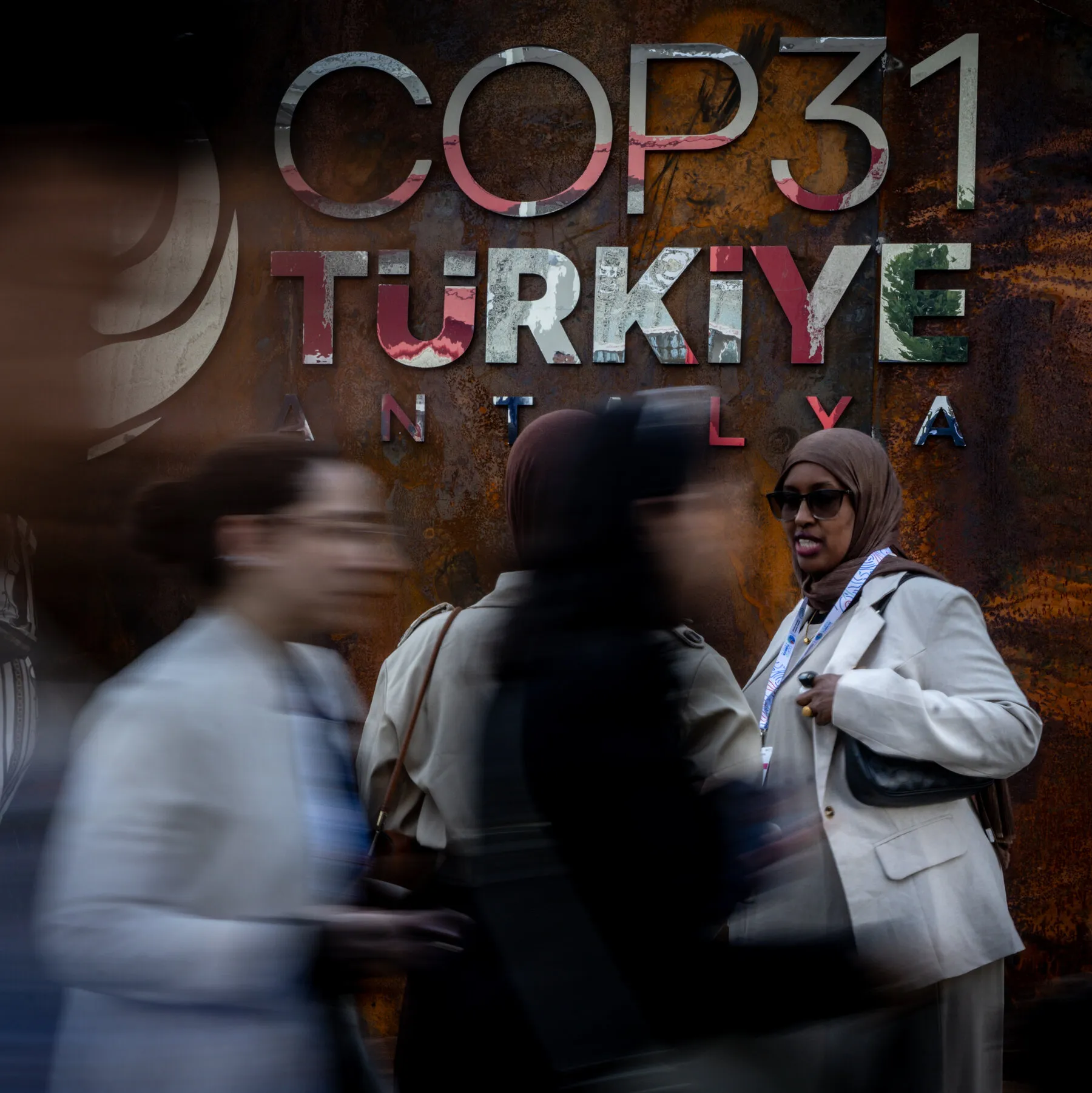
在今年于土耳其安塔利亚举行的第31届联合国气候变化大会(COP31)上,几位世界领导人警告称,联合国气候科学机构正遭到削弱。
At COP31, the United Nations climate talks being held this year in Antalya, Turkey, a handful of world leaders warned that the United Nations’ climate science body is being undermined.
“我深感忧虑,”图瓦卢总理费莱蒂·特奥说,该岛国海拔仅高出海平面约六英尺(约1.8米)。“我们的生存要求集体行动必须以科学为指导,而非政治。”
“I am deeply troubled” by the impasse, said Prime Minister Feleti Teo, of Tuvalu, whose island nation lies barely six feet above sea level. “Our survival demands collective actions to be guided by science and not by politics.”
许多小型发展中国家以及欧盟希望在下一个评估周期开始前完成所有三份政府间气候变化专门委员会(IPCC)报告,以便科学依据能为新政策提供参考。联合国秘书长古特雷斯周五表示,他也支持这一时间表。但这一群体面临强烈反对。
Many small developing nations, as well as the European Union, want all three I.P.C.C. reports to come before this next assessment period so the science can inform new policies. The United Nations secretary general, António Guterres, said on Friday that he, too, was in favor of that timetable. But that group is facing big pushback.
据独立研究机构国际可持续发展研究所的会议记录,寻求推迟的国家(其中也包括中国和肯尼亚)表示,他们希望减轻政府审稿人的压力。他们称,资源匮乏的小国更难应对这一工作量,更快的周转时间可能损害科学严谨性。俄罗斯、沙特阿拉伯、印度、中国和伊朗的代表未回应置评请求。
The nations that have sought a delay, which also include China and Kenya, have said they want to ease pressure on government reviewers, according to meeting accounts from the International Institute for Sustainable Development, an independent research organization. Smaller countries without resources have a harder time managing this workload, they say, and faster turnaround time could compromise scientific rigor. Representatives from Russia, Saudi Arabia, India, China and Iran did not respond to a request for comment.
肯尼亚气象学家、该国政府间气候变化专门委员会首席代表帕特里夏·宁尤罗表示,肯尼亚的立场“关乎能力,而非政治”。
Patricia Nying’uro, a meteorologist who is Kenya’s lead representative to the Intergovernmental Panel on Climate Change, said that Kenya’s position “comes down to capacity, not politics.”
2023年,各国同意逐步摆脱煤炭、石油和天然气。这是联合国气候协议首次明确提及化石燃料。
In 2023, countries agreed to transition away from coal, oil and gas. It was the only time a United Nations climate agreement has explicitly referenced fossil fuels.
今年,特朗普政府宣布退出政府间气候变化专门委员会及数十个其他国际组织和条约,称这些机构“与美国利益相悖”。
This year, the Trump administration announced it was withdrawing from the Intergovernmental Panel on Climate Change and dozens of other international organizations and treaties, calling them “contrary to the interests” of the United States.
一位要求匿名的政府间气候变化专门委员会(I.P.C.C.)谈判代表表示,因为他未获授权公开发言,所以不愿透露姓名。他说,在过去几年里,美国在谈判中一直发挥着“调解影响力”的作用,而这一角色目前尚未被取代。例如在2013年,沙特阿拉伯曾对一份小组报告的关键发现提出异议,但随后退让了。这一僵局使安塔利亚的谈判更加复杂,该谈判于周一开始。
One I.P.C.C. negotiator, who requested anonymity because he was not authorized to speak publicly, said that in previous years the United States had been a “mediating influence” in talks, one that hasn’t been replaced. In 2013, for instance, Saudi Arabia contested the key findings of a panel’s report but then backed off. The impasse has complicated the talks in Antalya, which began on Monday.
欧盟委员会高级气候官员迪亚娜·阿孔恰周五表示,如果I.P.C.C.问题得不到解决,聚集在土耳其的190个国家代表可能无法在其他事项上达成一致。
Diana Acconcia, a senior European Commission climate official, said Friday that if the I.P.C.C. issue were not resolved, it might not be possible for the representatives from 190 countries that have gathered in Turkey to agree on other matters.
阿孔恰说:“这与这里的缔约方会议(COP)讨论密不可分。”她补充道:“欧洲站在科学一边。”气候谈判定于11月20日结束。
“It is not separable from the COP discussions here,” Ms. Acconcia said, adding, “Europe stands on the side of science.”The climate talks are scheduled to run until Nov. 20.
政府间气候变化专门委员会成立于1988年,负责评估现有的气候科学,但不开展自身的研究。它依赖科学家自愿审查现有研究、综合发现并起草报告,这些报告往往超过1000页。作为时间表之争的一部分,其即将到来的预算也陷入了不确定状态。
The Intergovernmental Panel on Climate Change, established in 1988, assesses available climate science but does not conduct its own research. It depends on scientists who volunteer to scrutinize existing studies, synthesize findings and draft reports that often span more than 1,000 pages. As part of the timeline fight, its upcoming budget has also been left in limbo.
I.P.C.C.主席、英国科学家吉姆·斯基亚说:“我们的作者值得获得清晰度和确定性。我敦促成员国政府不遗余力地寻求共识并作出决定。”丽莎·弗里德曼是《纽约时报》负责能源报道的商业记者。
“Our authors deserve clarity and certainty,” said Jim Skea, a British scientist who chairs the I.P.C.C. “I encourage member governments to spare no effort to find consensus and reach a decision.”Lisa Friedman is a business correspondent covering energy for The New York Times.