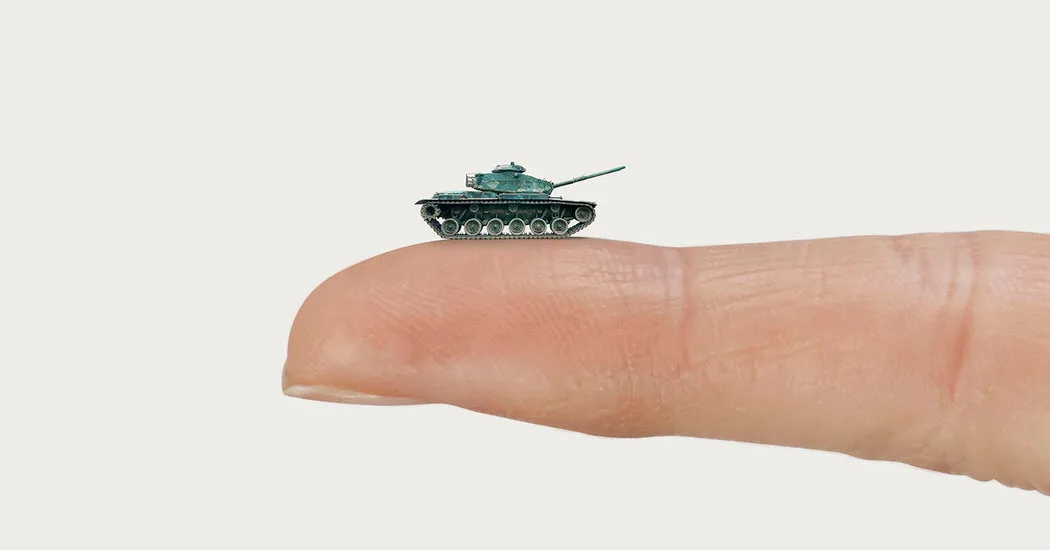
每当美国试图缩减其在中东的军事足迹,都会发现自己被拉回该地区。尽管伊朗战争存在种种缺陷,但它可能为真正的重置提供契机。
Each time the United States seeks to reduce its military footprint in the Middle East, it finds itself pulled back in. The Iran war, for all its flaws, could offer a chance for a genuine reset.
当伊朗战争最终以某种形式结束时,无论德黑兰造成多大破坏,美国都不会简单地收拾行装离开中东。但华盛顿必须寻求重塑其军事存在。这似乎可能涉及削减兵力和装备,并认识到,随着时间的推移,波斯湾国家可能将美国视为仅仅是众多安全伙伴中的一个选择。
When the Iran war finally does reach some kind of conclusion, the United States will not simply pack up and leave the Middle East, no matter how much more damage Tehran inflicts. But Washington must seek to reshape its military presence. That seems likely to involve a reduction in troops and equipment and the recognition that, over time, the Persian Gulf states could view America as merely one security partner among many options.
这种新的、更加零散的姿态将意味着让出权力和影响力。中东将不再按照美国的条件发展。但这将使华盛顿能够聚焦其核心利益,避免陷入不得人心的地区战争。这也将赋予阿拉伯国家更大的能力来建立自己的安全机制。构建新的中东未来需要勇气,会让伙伴感到沮丧,并带来巨大的财政成本,但这是值得付出的代价。
This new, more piecemeal posture would mean ceding power and influence. The Middle East would no longer develop on U.S. terms. But it would allow Washington to focus on its core interests and not get bogged down in unpopular regional wars. It would also give Arab states greater ability to build their own security apparatus. Building a new Middle East future will require guts, leave partners frustrated and impose major financial costs, but it’s a price worth paying.
在其“美国优先”议程下,特朗普政府试图重塑美国在世界许多地区的角色。该议程旨在摆脱美国对全球安全的担保。然而,该政府在中东的战略一直不明朗——而伊朗战争凸显了其矛盾。作为候选人,唐纳德·特朗普批评美国卷入海外冲突。其政府2025年《国家安全战略》声称伊朗威胁已减弱。然而,他却发动了另一场毁灭性战争,巩固了伊斯兰共和国领导层的地位,并导致德黑兰进行报复——且目标相互冲突。
Under its “America first” agenda, the Trump administration has sought to remake the U.S. role in much of the world. The agenda aimed to move away from American underwriting of global security. The administration’s strategy in the Middle East has been unclear, however — and the Iran war highlighted its contradictions. As a candidate, Donald Trump criticized U.S. involvement in overseas conflict. His administration’s 2025 National Security Strategy claimed that the Iran threat was diminished. Yet he embarked on another devastating war that entrenched the Islamic republic’s leadership and caused Tehran to retaliate — with conflicting objectives.
自美国和以色列二月袭击伊朗以来,该地区几乎所有美国基地和军事设施均遭受损毁,曾用于投射力量的工具效用大减。重建同等规模的军事布局风险极大。自美国在中东建立基地以来(许多建于半个多世纪前),技术已发生巨变。近期的升级虽有帮助,但基地已过时,防空系统不足以应对威胁。
Since the United States and Israel attacked Iran in February, nearly all U.S. bases and military installations in the region have been damaged, rendering the tools once used to project power far less effective. Rebuilding that same footprint poses a serious risk. Technology has changed since American bases in the Middle East were built, many over half a century ago. More recent upgrades have helped, but the bases are outmoded and air defenses insufficient to counter the threat.
伊朗扩充了中远程导弹能力,并研发出在从乌克兰到海湾的战场上大肆破坏的无人机。德黑兰具备精确打击美国前哨基地的能力,这意味着战后华盛顿继续在伊朗打击范围内的主要基地驻扎大量部队和飞机已毫无意义。仅伊朗的导弹和无人机就已损毁至少81架飞机——这还不包括人员伤亡。至少21名美军士兵阵亡,近900人受伤,数千名伊朗人丧生,其中包括大量平民。中东各国均遭受军民伤亡。
Iran has expanded its medium- and longer-range missile capacity and developed drones that have wreaked havoc on battlefields from Ukraine to the Gulf. Tehran’s ability to accurately strike U.S. outposts means that, after the war is over, it will make little sense for Washington to continue to station significant numbers of troops and aircraft at major bases within Iran’s reach. Already, Iran’s missiles and drones have damaged at least 81 aircraft — and that doesn’t take into account the human toll. At least 21 U.S. service members have been killed and almost 900 wounded, while thousands of Iranians have been killed, including numerous civilians. Countries throughout the Middle East have suffered military and civilian casualties.
美国仍需在中东投射力量——特别是战后伊朗若试图重建军事实力时。
The United States still needs to project power in the Middle East — especially if a postwar Iran tries to rebuild its military strength.
美国可以决定重建部分受损基地,但代价将高得惊人。还需新建强化飞机掩体和地下通信设施等安全措施。相反,华盛顿应寻求更小规模、有条件的军事布局。为此,它需要获得优势准入权——即管辖其使用基地、领空及从伙伴国领土发动行动能力的协议——以便仍能从中东开展军事行动。
The United States could decide to reconstruct some of its damaged bases, but the price tag would be astronomical. New security measures, such as hardened aircraft shelters and underground communication facilities, would also need to be built. Instead, Washington should seek a smaller, conditional footprint. To do that, it would need advantageous access — agreements that govern its use of bases, airspace and ability to launch operations from its partners’ territory — so that it could still conduct military operations from the Middle East.
华盛顿可能寻求转向更分散的基地部署结构,在沙特阿拉伯西部、约旦和以色列等距离伊朗威胁较远的地方运营较小的前哨基地。这意味着要以一种方式进行建设,以便在需要时让较少数量的美国人员轮换部署。但这需要合作伙伴的支持,因为需要获得它们的许可才能进驻和建立新基地。华盛顿可能会推动海湾国家承担大部分费用,就像它们过去所做的那样。
Washington could seek to shift to a more distributed basing structure, operating smaller outposts farther from the Iranian threat in places like western Saudi Arabia, Jordan and Israel. That would mean building in a way to allow for smaller numbers of U.S. personnel to rotate through when needed. But that would require buy-in from partners, whose permission would be needed for access and new bases. Washington might push the Gulf states to foot much of the bill, as they have done in the past.
但海湾国家对华盛顿对其安全的承诺越来越存疑。这种警惕并非新鲜事,但自伊朗战争爆发以来已加深。它们主要的安全担保国发动了一场长期冲突,威胁到它们的领土、稳定和经济。彭博经济研究发现,战争已使该地区变得更穷——沙特阿拉伯经济收缩了近2%。战争拖得越久,财政压力就越大。
But the Gulf states are increasingly doubtful about Washington’s commitment to their security. Their wariness isn’t new, but it has deepened since the Iran war began. Their primary security guarantor launched a prolonged conflict that threatens their territory, stability and economies. The war has already made the region poorer — Saudi Arabia’s economy has contracted by almost 2 percent, Bloomberg Economics has found. The longer the war lasts, the tighter the financial squeeze.
结果是加快推动实现伙伴关系多元化——而不仅仅是作为一种对冲。目前,没有任何国家能匹敌美国的安全保障或政治分量,但从长远来看,以海湾为中心的联盟以及与其他大国的关系可能成为优先事项。中东国家已经通过麦加协议等倡议,为独立的地区安全架构奠定基础,该协议于夏季签署,旨在确立沙特、土耳其和巴基斯坦的防务合作。
The result is a faster push to diversify partnerships — and not merely as a hedge. For now, no one can match America’s security guarantees or political weight, but over time, Gulf-centered alliances and relationships with other powers could take priority. Middle Eastern states are already laying the foundations for an independent regional security architecture through initiatives like the Mecca Pact, signed during the summer to enshrine Saudi, Turkish and Pakistani defense cooperation.
此类努力仍处于起步阶段,但它们是确保地区国家掌握自身国防和未来的一步。但如果海湾国家希望美国保持介入,它们必须确保新伙伴关系不以牺牲美国的行动能力为代价。
Such efforts remain nascent, but they are a step toward ensuring that regional countries have control over their own defense and future. But if the Gulf states want the United States to stay engaged, they must ensure that new partnerships don’t come at the expense of U.S. ability to operate.
美国无法在中东缩减军事存在的同时保留所有影响力——但规模更小、更灵活的部署或许值得权衡利弊。从作战层面看,这将降低美军面临的风险。在国内层面也更易推行:海外冲突始终不受美国选民欢迎。但建立分散部署意味着要修建更多基础设施——这在华盛顿寻求削减中东开支之际显得不太好看。这也意味着改变美军的作战方式和地点,很可能招致海湾国家首都的不满,导致下次美国请求军事准入时遭到拒之门外。
The United States cannot scale back its presence and keep all its influence in the Middle East — but a smaller, more agile presence may be worth the trade-offs. Operationally, it would reduce risks to U.S. forces. It would also be an easier sell at home: Overseas conflicts have proven consistently unpopular with American voters. But creating a dispersed posture means building more infrastructure — not a great look as Washington seeks to spend less on the Middle East. It would also mean changing how and where American forces operate, which is likely to be met with frustration in Gulf capitals that could close their doors the next time America asks for access.
这强化了美军在欧洲驻军对力量投送的重要性,而欧洲是华盛顿试图缩减规模却引发强烈不满的另一地区。美国在中东实现目标,取决于那些因其角色转变而感到不满、且未来恐将继续不满的国家。
This reinforces the importance of the U.S. military presence in Europe for power projection, another region where Washington is trying to downsize to much dismay. Realizing America’s goals in the Middle East regions depends on the very countries its changed role has and is likely to upset.
这一愿景在政治上可能难以实现,但或许能为各方带来更好的结果。美国可调整军事部署,更好地保护兵力与能力,实现削减中东承诺的长期目标。但这需要持续与海湾伙伴合作沟通。海湾国家可开始摆脱对唯一安全担保国的依赖,自主规划国防与安全道路——同时允许美军继续驻留。
This vision may be politically difficult to achieve. But it may result in a better outcome for each stakeholder. The United States can adjust its posture to better protect its forces and capabilities, and achieve a longstanding goal of reducing its Middle East commitments. But it will need to continue working and communicating with Gulf partners to do so. The Gulf can begin to wean itself off its sole security guarantor, charting its own course on defense and security — while allowing a continued U.S. presence.
伊朗战争重塑了中东,给了华盛顿重新思考其在该地区角色的机会。以减少美国影响力为代价,换取更可持续、更安全的军事部署,使其更适应现代战争现实、更符合美国核心利益——并让该地区拥有更大的自主安全掌控权——这或许是一笔值得做的交易。
The Iran war reshaped the Middle East and gave Washington a chance to rethink its role there. Less American influence in return for a more sustainable, safer military presence better suited to the realities of modern war and in line with core U.S. interests — and a region with greater control over its own security — may be a trade worth making.
贝卡·沃瑟是彭博经济研究院防务主管,迪娜·埃斯凡迪亚里是该院中东地缘经济主管。
Becca Wasser is the defense lead and Dina Esfandiary is the Middle East geoeconomics lead at Bloomberg Economics.