过去几天对大型科技公司来说并不顺利。周四,承担美国大部分商务电子邮件的微软 Outlook 突然瘫痪。接着周五,美国联邦航空管理局(FAA)因技术升级出错,显然导致全国所有航班停飞。
The last several days have not been good for big tech. On Thursday, Microsoft Outlook, which handles most of the business email in America, suddenly shut down. Then, on Friday, the FAA grounded every flight in the country, apparently because of technical upgrades that went wrong.
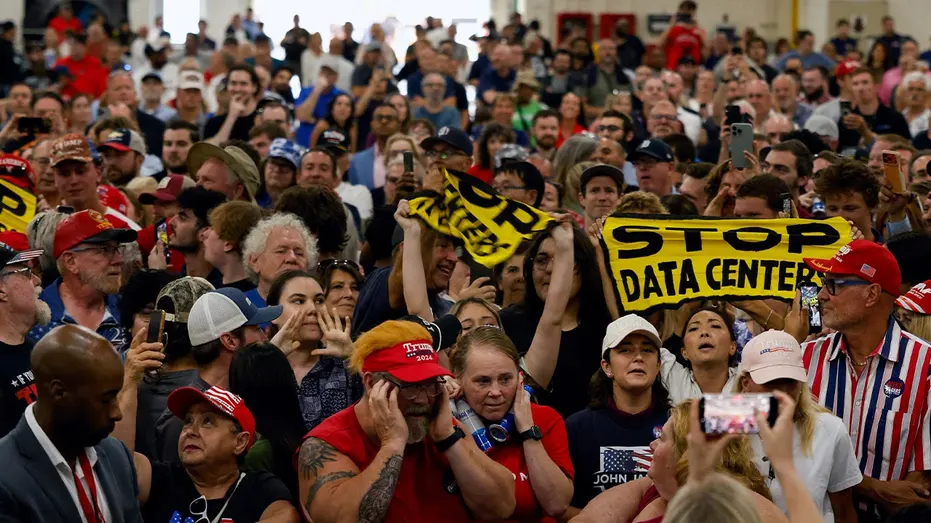
这些光纤网络的“面部着地”式失误,发生在全国许多地方(主要在地方层面)正爆发激烈反对数据中心之际,反对理由不仅涉及环境担忧和能源价格,还源于真实担忧:科技正变得过于深度地融入我们的生活。
These fiber-optic faceplants happen to come at a moment when much of the country, mostly at the local level, is seeing fierce opposition to data centers, not only because of environmental concerns and energy prices but also because of real concerns that tech is becoming too big a part of our lives.
在马里兰州,社区活动人士泰勒·弗雷泽-麦科勒姆帮助叫停了一项计划建在废弃商场原址上的 50 亿美元数据中心项目,其事迹在网络上疯传,左派赞扬个人的力量与勇气,右派则嘲笑她为该地块提出的替代方案:建一个蹦床公园。
In Maryland, the story of Taylor Frazier-McCollum, a community activist who helped block a $5 billion data center project planned for the site of an abandoned mall, went viral, with the left praising the power and bravery of the individual and the right mocking her alternative idea for the site: a trampoline park.
公平地说,这位马里兰活动人士并未表现出特别老练或深刻的见解。但另一方面,像许多美国人一样,她隐性地理解蹦床公园或 Topgolf(高尔夫娱乐场所)能为社区带来的好处。相比之下,数据中心的益处显得模糊不清。
In fairness, this Maryland activist does not come across as particularly adroit or searing in her insights. On the other hand, like many Americans, she understands implicitly the advantages a trampoline park or a Topgolf location can bring to her community. The benefits of a data center seem murky by comparison.
这种对数据中心的态度让许多极其聪明的人感到抓狂。在他们看来,经济和技术利益——包括在人工智能竞赛中击败中国——显然远超弗雷泽-麦科勒姆这类非专家的担忧。
This kind of attitude toward data centers has many very smart people pulling their hair out in frustration. For them, the economic and technological benefits, including beating China in the AI race, obviously far outweigh the concerns of nonexperts like Frazier-McCollum.
事实上,许多数据中心支持者认为,中国正在资助宣传活动以拖缓我们在该领域的增长,而与此同时,数据中心却像曼哈顿下雨时的伞贩子一样,在中国到处涌现。
In fact, many proponents of data centers argue that China is funding propaganda to slow our growth in the sector, even as data centers start popping up all over China like umbrella salesmen in a Manhattan rainstorm.
这是事实。作为地球上的“埃迪·哈斯克尔”,中国正通过煽动反数据中心情绪,绝对是在“给我们难堪”。但重要的是要记住,数据中心之所以有争议,并非因为中国的信息行动;相反,正是因为数据中心存在争议,中国的信息行动才应运而生。
This is true. China, the Eddie Haskell of the planet, is absolutely "giving us the business" by stoking anti-data center fervor. But it is important to remember that data centers aren’t controversial because of Chinese information operations; rather, Chinese information operations exist because data centers are controversial.
直到大约六个月前,数据中心还不是一个主要的全国性新闻话题。事实上,人们最有可能在全美农村小镇的本地谈话类广播节目中听到关于它们的讨论,那里的许多人更关心县专员是谁,而不是住在宾夕法尼亚大道1600号的是谁。
Up until about six months ago, data centers were not a major national news story. In fact, the place one was most likely to hear about them was local talk radio in small towns across rural America, where many people care more about who the county commissioner is than who lives at 1600 Pennsylvania Ave.
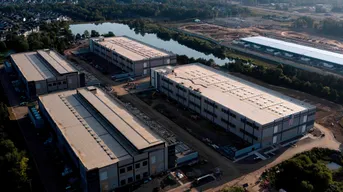
与专家们呼吁赢得对华新太空竞赛、释放人工智能力量的激烈呼声相比,这些节目来电者表达的担忧听起来简直平淡无奇。但对许多生活在那里的人来说,水权和地役权比地缘政治角力更重要。
The concerns you hear from callers on these shows sound downright mundane compared to the fervent calls from experts to win the new space race against China and unleash the power of AI. But for many who live there, water rights and easements mean more than geopolitical fisticuffs.
这就是为什么,从某种奇怪的角度来看,本周发生的技术故障——给数百万美国人的工作和机场出行带来不便——为科技行业提供了一个机会,用更务实的语言解释为什么我们需要如此多的数据中心。
This is why, in a strange way, this week’s tech mishaps, which inconvenienced millions of Americans at work and at airports, present an opportunity for the tech industry to explain in more practical terms why we need so many data centers.
支持数据中心的论点隐含着一种观点,且常带有一丝轻蔑:在离不开数据中心的设备上发帖反对数据中心,这简直荒谬。好吧,观点收到了,但讽刺挖苦于事无补。
Implicit in the pro-data center argument has been the idea, often offered with a bit of disdain, that it is absurd to oppose data centers by posting about them on devices that cannot operate without data centers. And OK, point taken, but the snark doesn’t help.

事实上,可以说民主党愤世嫉俗地利用了许多美国人对大科技界居高临下说教的愤怒,并将其转化为巨大的选举优势,尤其是在传统上倾向右派的农村地区。但正如这个周末所显示的,无论谁领导民主党,都无法长久维持对数据中心的全盘否定态度。
8 EVERYDAY THINGS THAT WOULD QUIT WORKING WITHOUT DATA CENTERS In fact, Democrats, one could say cynically, capitalized on the anger many Americans felt at being talked down to by the big tech set, using it to great electoral advantage, especially in traditionally right-leaning rural areas. But Democrats, no matter who leads them, cannot maintain their blanket disapproval of data centers for long, as this weekend showed.
在2026年选举周期中,呼吁暂停建设数据中心或许还算稳妥,但民主党人一旦执政,就将不得不面对数据中心的需求。现实摆在面前:没人会回头去用打字机和传真机,也没人愿意在达拉斯-沃斯堡国际机场的跑道上,坐在24B座位上干等五个小时。
It was safe enough to call for data center moratoriums in the races of 2026, but as they seek to govern, Democrats will need data centers. Let’s face it, nobody is going back to typewriters and fax machines, and nobody wants to sit in seat 24B for five hours on the tarmac at Dallas Fort Worth International Airport.

在地方层面,围绕数据中心的大多争议,已在政治博弈和司法程序的“香肠制作”过程中自行消解。一些社区(如阿米什人)会完全拒绝此类基础设施项目,从而错失那笔“聚宝盆”。但大多数社区一旦从开发商那里争取到足够让步,终将找到一个两全其美的妥协方案。
At the local level, much of the data center fuss is already working itself out through the sausage-making of politics and the courts. Some communities, like the Amish, will eschew the infrastructure projects completely and lose out on the pot of gold. But most will find a happy compromise once enough concessions are pried from developers.
眼下,数据中心的支持者不妨心平气和地指出:Outlook大面积故障和航班大规模停飞等事件,正是我们需要如此多的数据中心、来支撑大家早已习以为常的各种便利的明证。
For now, proponents of data centers would be wise to point to events like the Outlook outage and the flight groundings, without sneering, as the very reason we need so many data centers to power the conveniences we have all grown accustomed to.
中期选举已成过去,科技基础设施岌岌可危,现在正是该站出来论证的时候了:无论以何种方式,我们的未来都系于数据中心。
With the midterms behind us and our tech infrastructure on thin ice, now is the time for the case to be made that, one way or another, our future lies in data centers.