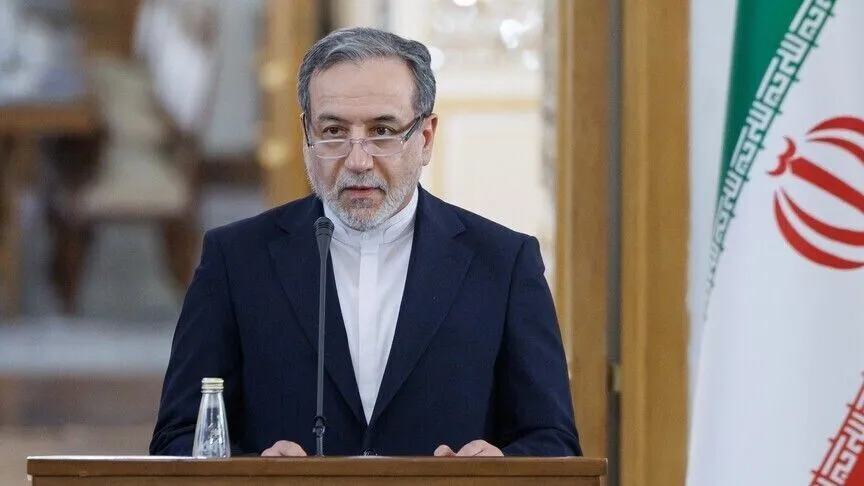
伊朗外交部长阿拉格齐周一表示,伊朗依然致力于外交途径与和平解决,但美国却选择了一条以侵略和经济施压为标志的截然不同的道路。
Iran remains committed to diplomacy and peaceful solutions, but the US has chosen a different path marked by aggression and economic pressure, Iranian Foreign Minister Abbas Araghchi said Monday.
据伊朗外交部发布的讲话记录,阿拉格齐在巴基斯坦伊斯兰堡举行的第30届经济合作组织(ECO)外长会议上致辞时说,德黑兰在过去两年里始终坚持通过外交接触解决问题。
Addressing the 30th meeting of foreign ministers of the Economic Cooperation Organization (ECO) in Islamabad, Pakistan, Araghchi said Tehran had maintained its commitment to diplomatic engagement over the past two years, according to a transcript of his speech released by Iran’s Foreign Ministry.
“遗憾的是,美国选择了一条完全不同的道路,”他说,并指责华盛顿实施侵略、威胁、定点清除、经济施压和封锁,违反了国际法和《联合国宪章》。
“Unfortunately, the United States chose a completely different path,” he said, accusing Washington of aggression, threats, targeted assassinations, economic pressure and a blockade in violation of international law and the UN Charter.
他感谢巴基斯坦和经济合作组织秘书处组织会议并接待伊朗代表团。
He thanked Pakistan and the ECO Secretariat for organizing the meeting and hosting the Iranian delegation.
阿拉格齐表示,德黑兰寻求与邻国建立友好建设性的关系,与地区国家不存在根本争端。
Araghchi said Tehran sought friendly and constructive relations with its neighbors and had no inherent dispute with countries in the region.
他说:“地区国家的领土、领空和设施不得成为相互攻击的平台。”
“The territory, airspace and facilities of countries in the region must not become a platform for attacks against one another,” he said.
他辩称,伊朗的行动仅针对攻击伊朗者的军事设施和基地,不应被视为针对邻国政府或其民众的行动。
Iran’s operations targeted only the military facilities and bases of those attacking it, he argued, saying they should not be viewed as actions against neighboring governments or their peoples.
他呼吁开展包容性的、由地区主导的对话,就安全安排达成共识,以维护不侵犯原则,并防止第三国利用地区领土攻击另一国。
He called for an inclusive, regionally led dialogue on security arrangements that would uphold nonaggression and prevent third countries from using regional territory to attack another state.
阿拉格齐还表示,制裁增强了伊朗人维护自身权利、抵制其所谓过度且非法要求的决心。
Araghchi also said sanctions had strengthened Iranians’ determination to defend their rights and resist what he described as excessive and unlawful demands.
能源流动方面,他在谈到经济合作时说,贸易、运输和能源应成为经济合作组织内部合作的“三大战略支柱”。
Energy flows On economic cooperation, he said trade, transport and energy should form the “three strategic pillars” of cooperation within the ECO.
他欢迎成立技术谈判委员会以修订《生态贸易协定》(即ECOTA),敦促参与国推进谈判并鼓励其他成员国加入。
He welcomed the formation of a technical negotiating committee to revise the ECO Trade Agreement, known as ECOTA, urging participating countries to pursue negotiations and encourage other members to join.
他说:“一项现代、包容且务实的贸易协定能够扩大区域商业往来并增强经济韧性。”
“A modern, inclusive and practical trade agreement could expand regional commerce and strengthen economic resilience,” he said.
阿拉格齐还呼吁建立可靠的区域能源机制,以保障能源流动并确保供应稳定,应对地缘政治动荡,并援引美国和以色列袭击对区域能源安全造成的影响。
Araghchi also called for a reliable regional energy mechanism to safeguard energy flows and ensure stable supplies amid geopolitical disruptions, citing the impact of US and Israeli attacks on regional energy security.
在巴勒斯坦问题上,他谴责以色列在加沙实施种族灭绝,并警告不要在被占约旦河西岸和东耶路撒冷扩建定居点及驱逐巴勒斯坦人。
On Palestine, he condemned the Israeli genocide in Gaza and warned against settlement expansion and the displacement of Palestinians in the occupied West Bank and East Jerusalem.
他敦促国际社会采取行动,确保食品、药品、临时住所以及重建加沙基本基础设施所需物资的无障碍运送。
He urged international action to ensure unhindered deliveries of food, medicine, temporary shelter and supplies needed to rebuild essential infrastructure in Gaza.
他说:“现在是采取务实行动、承担集体责任、结束沉默与冷漠的时候了。”
“This is a time for practical action, collective responsibility and an end to silence and indifference,” he said.
为期两天的生态组织部长级会议周日在伊斯兰堡开幕,成员国高级官员先行举行了筹备性磋商。
The two-day ECO ministerial meeting opened Sunday in Islamabad with preparatory talks among senior officials from member states.
作为2026-2027年轮值主席国,巴基斯坦正寻求在“振兴区域合作,构建韧性生态组织”主题下加强区域互联互通与经济融合。生态组织由土耳其、伊朗和巴基斯坦于1985年创立,旨在促进区域发展、贸易和投资。
Pakistan, which chairs the organization for 2026-2027, is seeking to strengthen regional connectivity and economic integration under the theme “Reviving Regionalism for a Resilient ECO.”Founded by Türkiye, Iran and Pakistan in 1985, the ECO promotes regional development, trade and investment.
其他成员国包括阿富汗、阿塞拜疆、哈萨克斯坦、吉尔吉斯斯坦、塔吉克斯坦、土库曼斯坦和乌兹别克斯坦。
Its other members are Afghanistan, Azerbaijan, Kazakhstan, Kyrgyzstan, Tajikistan, Turkmenistan and Uzbekistan.