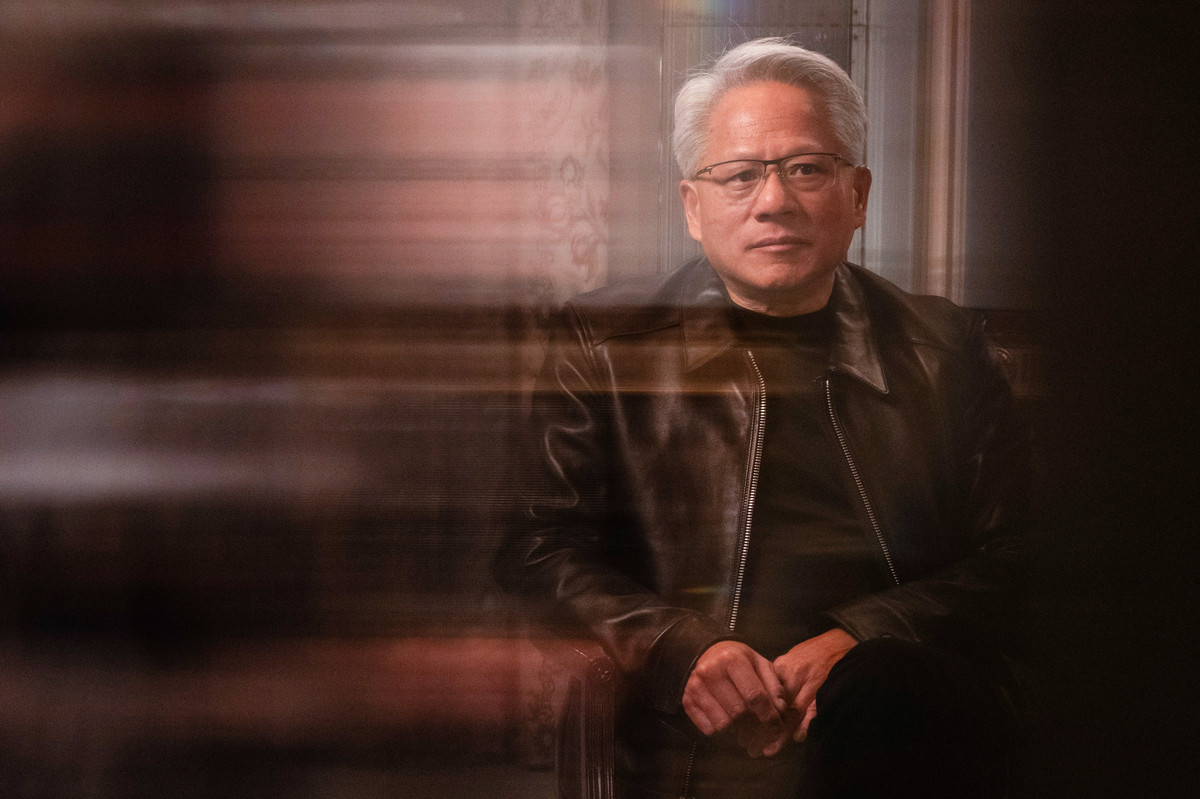
在黄仁勋突然且戏剧性地离开英伟达后,科技巨头正竞相成为AI的下一个政策制定者。
Tech giants are racing to become AI’s next policy kingmaker following Jensen Huang’s sudden and dramatic departure from Nvidia.
英伟达的芯片制造竞争对手和其他科技巨头正急于填补前CEO黄仁勋留下的华盛顿影响力真空,而美国半导体出口可能面临的全面限制,恐将颠覆人工智能热潮的一大支柱。
Nvidia’s chipmaking rivals and other tech giants are rushing to fill the Washington influence void left by former CEO Jensen Huang, with potentially sweeping restrictions on U.S. semiconductor exports threatening to upend a major element of the artificial intelligence boom.
AMD、高通和其他芯片制造商已加大游说力度,以填补黄仁勋留下的华盛顿权力真空。包括Anthropic、OpenAI以及英伟达其他一些主要客户在内的主要AI实验室,正积极推动限制先进芯片的国际销售,而黄仁勋此前曾公开反对这一做法。依赖英伟达芯片或属于其供应链的中国及其他外国公司,正准备迎接重大冲击——如果国会实施这一打击行动的话,而目前看来这种可能性越来越大。
AMD, Qualcomm and other chipmakers have ramped up outreach to fill the Washington power vacuum left by Huang. Major AI labs — including Anthropic, OpenAI and some of Nvidia’s other major customers — are aggressively pushing for limits on international sales of advanced chips, something Huang had vocally opposed. Chinese and other foreign companies that rely on Nvidia’s chips or are part of its supply chain are bracing for a major disruption if Congress enacts the crackdown, which looks increasingly likely.
据两位参与出口管制讨论的议员助手透露,自丑闻爆发以来,已有数十家科技公司联系了国会山办公室。
According to two aides for lawmakers involved in export control discussions, dozens of tech companies have reached out to Capitol Hill offices since the scandal broke.
“这是一场五级警报,”一位芯片行业游说人士说。他表示,黄仁勋事件的影响已使公司——或曾经支持它们的议员——几乎不可能公开反对出口限制。与本文引用的其他人一样,这些人士获准匿名分享私下讨论和公司战略的细节。
“It’s a five-alarm fire,” said one chip industry lobbyist, who said the Huang fallout has made it nearly untenable for companies — or the lawmakers who once sided with them — to publicly oppose export restrictions. The people, like others quoted in this article, were granted anonymity to share details of private discussions and company strategy.