韩国正加紧在即将到来的考试中堵住可能存在的安全漏洞。此前,一名在全国性考试中取得最高分的考生承认利用人工智能作弊。
South Korea is racing to fix potential security gaps in upcoming exams after a top scorer on a national test admitted to using artificial intelligence to cheat.
韩国国务总理韩悳洙周一召开紧急会议,要求教育部长在本周举行的高压年度全国大学入学考试(即“修能”)之前落实新的反作弊措施。
Prime Minister Han Seok-sook called an emergency meeting on Monday, where the education minister was tasked with enforcing new anti-cheating measures ahead of high-pressure annual national college entrance exams known as “Suneung” this week.
这起丑闻始于一名考生在两场各自包含数百道题的考试中几乎取得满分的成绩引发猜测之后。
The scandal began after speculation mounted over a student’s near-perfect scores on two separate exams that contained hundreds of questions.
如今,当局表示,使用高科技设备作弊者一旦被抓,可能面临刑事起诉。
Now, authorities say cheaters using high-tech gadgets could face criminal prosecution if caught.
韩悳洙在上周的一份声明中表示,她的政府“将提前做好充分准备,并密切监督整个过程直到最后,以确保高考公平、稳定地进行”。以下是我们目前了解到的情况:在周日发布于网上的一段视频中,这名戴着口罩的考生承认,他在面向有志成为税务会计师者的考试中使用了微型摄像头和人工智能。
In a statement last week, the prime minister said her government “will prepare thoroughly in advance and closely oversee the process until the very end to ensure the college entrance exam is conducted fairly and stably”. Here’s what we know: In a video published online on Sunday, the student, wearing a mask, admitted to using a miniature camera and AI during the exam for aspiring tax accountants.
据韩国媒体报道,这名考生名为韩元锡(音),他参加了4月和7月的考试,几乎答对了所有题目,这引发了对其可能作弊的担忧并促使展开调查。
Identified as Han Won-seok by South Korean media, the student had taken exams in April and July and answered nearly all questions correctly, raising concerns about potential cheating and prompting investigations.
“我利用电子设备和生成式人工智能作弊。我以最高分通过考试并非公平努力的结果,”他在YouTube视频中说。
“I cheated using electronic devices and generative AI. My passing the exam with the top score was not the result of fair effort,” he said in the YouTube video.
他解释说,他用微型摄像头拍下考试题目,并发送给一个人工智能工具。他还表示自己使用了一部智能手机。
He explained that he took photos of the exam questions with the mini camera and sent them to an AI tool. He also said he used a smartphone.
这名考生说,他已向首尔警方提交了一份书面供词,详细说明了自己的作案过程。他还警告未来的作弊者三思。
The student said he had submitted a written confession detailing his process to the Seoul police. He also warned future cheaters to reconsider.
“我会把一切都告诉调查人员,所以希望你们不要以为自己不会被抓到,”他说。韩悳洙已要求取消他的成绩,并禁止其参加国家考试。
“I’m going to tell the investigators everything, so I hope you don’t think that you won’t get caught,” he said. The prime minister has called for his results to be invalidated and for him to be banned from national examinations.
这起事件在韩国引发了轩然大波。在韩国,出了名难考的考试决定着学生的人生轨迹。
The case has triggered uproar in South Korea, where notoriously difficult tests determine students’ life trajectories.
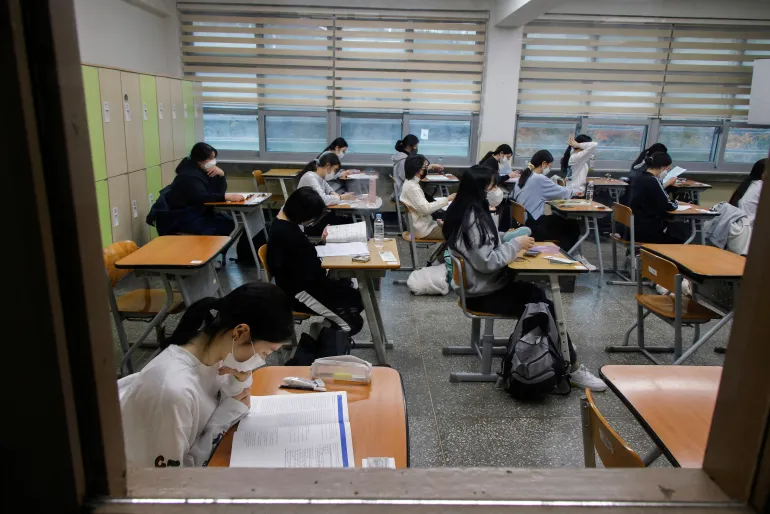
许多学生用掉大部分高中岁月来准备通过入学考试,尤其是长达近10个小时的“修能”(即大学修学能力考试,简称CSAT)。考试期间会暂停航班起降,以确保学生在英语听力环节能够全神贯注,司机也被要求在半小时的听力考试期间不要按喇叭。
Many spend much of their high school years preparing to pass entrance exams, particularly the Suneung, or the College Scholastic Ability Test (CSAT), which lasts for nearly 10 hours. Flights are suspended to allow total concentration during the exam’s English listening segment, and drivers are asked not to honk for the half-an-hour it takes.
周一,教育部长官崔教振表示,将实施新的举措,包括检查学生佩戴的眼镜。他还表示,利用智能设备作弊可能会面临刑事处罚。
On Monday, Minister of Education Choi Kyo-jin said new measures would be instituted, including the inspection of glasses worn by students. He also said cheating with smart devices could carry criminal punishment.
最近几周,教育部表示将对在年度高考期间作弊的行为追究刑事责任。该部还表示,正寻求将对被抓到使用智能设备的学生的禁考期限从一年延长至三年。
The ministry has in recent weeks said it would pursue criminal prosecution for cheating during the annual college entrance exam. It also said it was seeking to extend the one-year exam ban for those caught using smart devices to three years.
这位长官表示,将在“每场考试中对所有眼镜进行彻底检查,以确保公平和安全的考试环境”。
There will be “a thorough inspection of all glasses in each test session to ensure a fair and safe testing environment”, the minister said.
这起事件暴露出人工智能可能给考试带来的风险,因为智能小工具让作弊变得更容易,而且当局在应对这些新工具的应用时似乎还在疲于追赶。
The case has revealed the risks AI could pose to exams as smart gadgets make cheating easier, and as authorities appear to be playing catch-up on how the new tools are being deployed.
这可能会对韩国等亚洲国家产生特别的影响。这些国家以举行艰苦的考试、并采用旨在确保公平的严格防作弊规程而闻名。
It could especially affect Asian countries like South Korea, reputed for conducting arduous exams with strict anti-cheating protocols meant to ensure fairness.
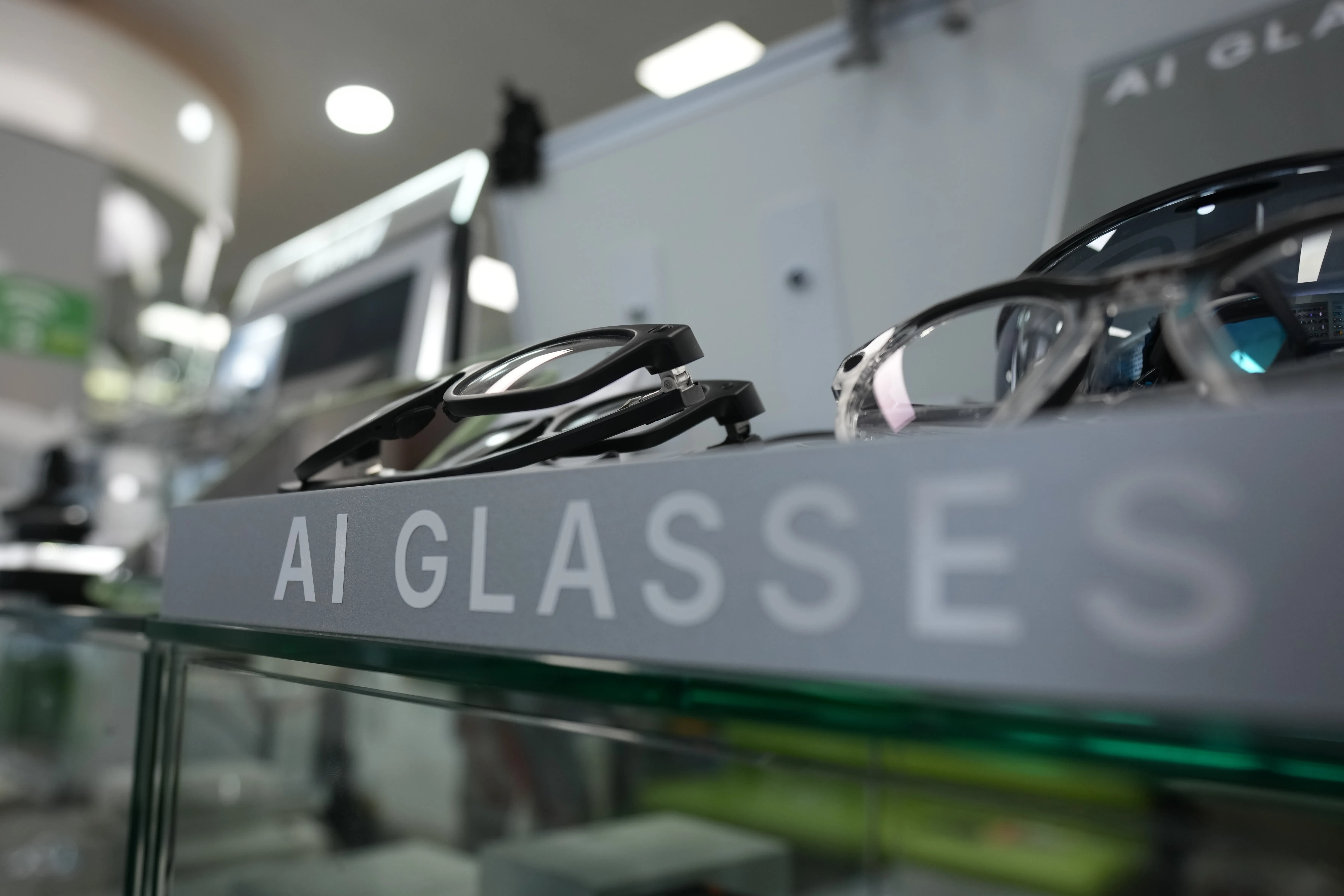
有关学生使用人工智能驱动的智能眼镜、从而能够查看考题并立即看到答案的报道正变得普遍。
Reports of students using AI-powered smart glasses that allow them to look at questions and see responses immediately are becoming common.
一名韩国教育官员表示,学生很可能事先输入了人工智能提示词,并在考试期间启动了眼镜。
A South Korean education official said students likely enter AI prompts beforehand and activate the glasses during tests.
早期版本的智能眼镜在其镜框上有可识别的摄像头,但这些设备越来越隐蔽,这使得它们很难被检测到。
Early iterations of smart glasses featured identifiable cameras in their frames, but the devices are increasingly inconspicuous, making them difficult to detect.
10月,韩国有三名学生在首尔各大学的考试中被抓到使用了智能眼镜。
In October, three students in South Korea were caught using smart glasses during tests at universities in Seoul.
台湾国立台湾大学6月取消一名学生的医学院入学考试资格,理由是该生涉嫌使用AI智能眼镜作弊。
In Taiwan, the National Taiwan University disqualified a student in June from medical school entrance exams for allegedly using AI smart glasses to cheat.
当局承诺将采取更严格措施。7月,韩国教育部门禁止在考试中使用智能眼镜,并表示将在1312个大学修学能力考试(CSAT)考点各派遣一名专人检查考生眼镜。
Authorities are promising stricter measures. In July, South Korea’s education authorities banned smart glasses from exams and said they will deploy one dedicated person per 1,312 CSAT test sites to inspect eyewear.
首尔方面还在考虑引入技术手段探测考生携带的先进设备,包括无线电频率探测器。官员称,考点的公共Wi-Fi也可能被关闭。
Seoul is also mulling introducing technology to detect advanced gadgets on students, including radio-frequency detectors. Public Wi-Fi, officials say, could be disabled at test sites too.
中国当局同样在针对竞争激烈的高考收紧措施,为考点配备智能安检门,以探测智能眼镜等电子设备。
Chinese authorities are likewise tightening measures for the competitive college entry, or Gaokao, exam by equipping testing sites with intelligent security gates to detect smart glasses and other gadgets.