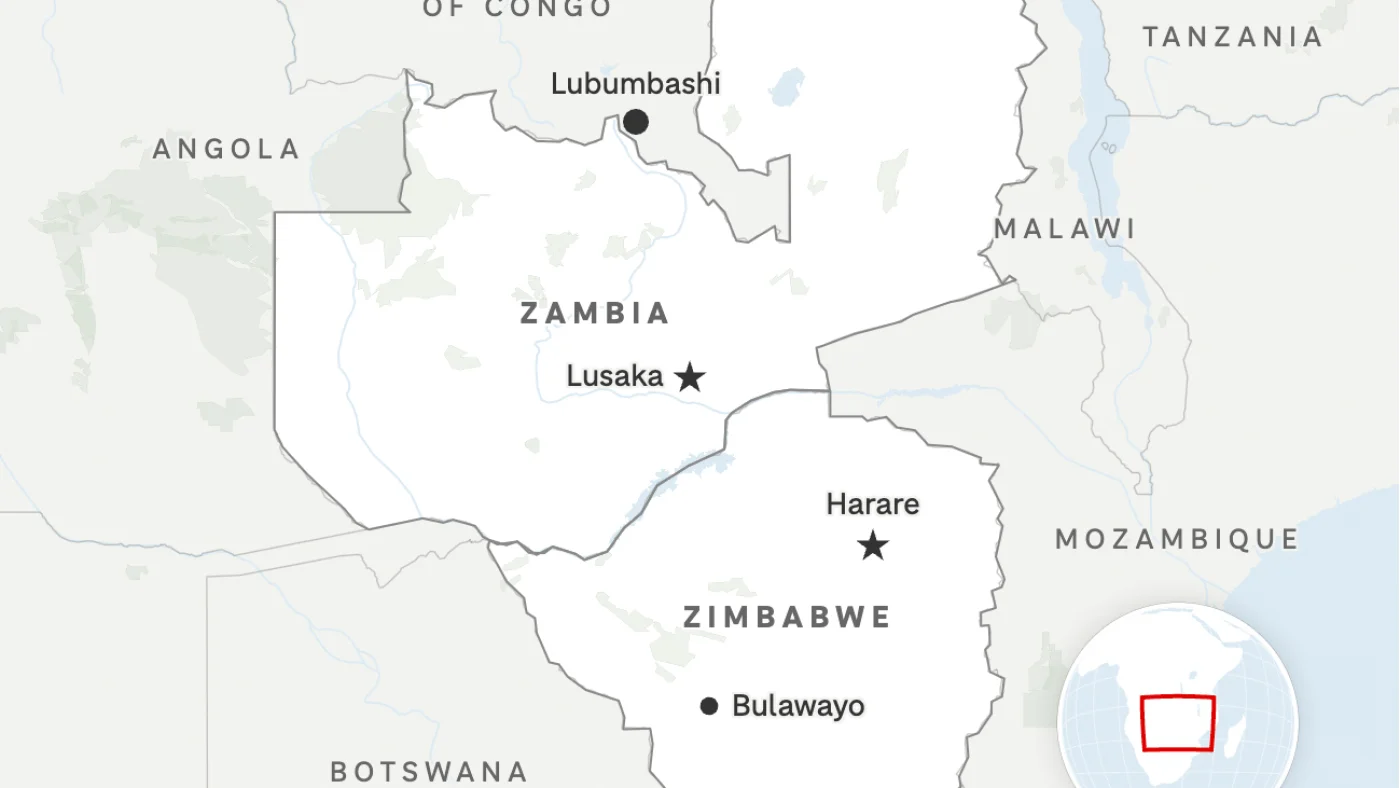
这是一个以显著成功故事开篇的报道,但结局却变成了悬念——且可能带来严重后果。
This is a story that starts with a remarkable success story. However, the ending has become a cliff hanger — with potentially grave consequences.
成功显而易见且令人瞩目:赞比亚和津巴布韦都在遏制毁灭性的艾滋病疫情。这两个南部非洲邻国正处于控制病毒的关键节点。
The success is clearcut and remarkable: Both Zambia and Zimbabwe are beating back devastating HIV/AIDS epidemics. These neighboring countries in southern Africa are on the cusp of controlling the virus.
根据联合国艾滋病规划署的数据,2000年至2025年间,赞比亚新增感染人数下降了76%,津巴布韦下降了80%。在两国,超过95%的感染者已被确诊,其中95%正在接受治疗。
Between 2000 and 2025, new infections dropped by 76% in Zambia and 80% in Zimbabwe. In both countries, more than 95% of infected individuals are identified and 95% of them are on treatment, according to data from the Joint United Nations Programme on HIV/AIDS.
这项进展在很大程度上得益于过去二十年美国提供的数十亿美元援助。
This progress is thanks, in large part, to billions of dollars in U.S. aid over the past two decades.
然而,特朗普总统的新全球卫生战略正在打乱局势。在2025年毫无预警地拆解美国国际开发署后,政府正在敲定政府间援助协议,作为提供援助的新框架。这一进程让这两个国家走上了截然不同的道路,并步入未知领域。
However, President Trump's new global health strategy is scrambling the landscape. After dismantling without warning the U.S. Agency for International Development in 2025, the administration is now hammering out government-to-government aid agreements as a new framework for how aid is provided. That process leaves these two countries on very different paths and heading toward uncharted territory.
就在上个月,赞比亚和美国官员签署了一项协议——尽管年度美国卫生援助金额远低于该国过去获得的数额。相比之下,津巴布韦在今秋谈判破裂后失去了所有美国卫生援助。为了实地评估发生了什么以及未来可能如何发展,美国国家公共电台采访了两国各一名在艾滋病领域有经验的卫生工作者。
Just last month Zambian and U.S. officials signed an agreement — albeit for far less annual U.S. health aid than the country received in the past. Zimbabwe, in contrast, lost all U.S. health aid this fall after negotiations collapsed. To get an on-the-ground assessment of what has happened and what the future may hold, NPR interviewed a health worker in each country with experience in the HIV/AIDS world.
赞比亚的援助协议当援助协议于10月8日在赞比亚国家广播公司宣布时,它被定性为“新篇章”,即美国援助资金主要通过政府渠道流动,旨在建设国家卫生体系。
Zambia's aid agreement When the aid agreement was announced on ZNBC— Zambia National Broadcasting Corporation on October 8 — it was branded as "a new chapter" in which the U.S. aid dollars flow primarily through the government and aims to build up the national health system.
Health GAP艾滋病倡导组织执行主任亚洲·拉塞尔解释说,这项援助协议背后的谈判保密,且变得充满争议。“因为活动人士能够证明,协议计划将[美国全球卫生]资金的获取与[赞比亚]铜和稀土矿产的获取挂钩,所以引发了一场大丑闻,”拉塞尔对NPR表示。她的组织帮助曝光了这一情况。最终,关于矿产权利的讨论与卫生协议分离开来。
The negotiations behind the aid agreement were secretive and became contentious, explains Asia Russell executive director of the HIV/AIDS advocacy organization Health GAP "There was a massive scandal because activists were able to show that the agreement was planning to condition access to [U.S. global health] funding on access to [Zambia's] copper and rare earth minerals," Russell told NPR Her organization helped expose this situation. Ultimately, the discussion about mineral rights was decoupled from the health agreement.
“我感到有点松了一口气,”这名赞比亚卫生工作者说。但随着援助协议最终签署,她说,“现在工作才刚刚开始。”这名卫生工作者要求NPR不要使用她的姓名,因为她帮助公开了矿产权利正在被讨论的事实,并担心遭到政府报复。她担心赞比亚政府缺乏应对艾滋病疫情障碍的能力。
"I felt a bit relieved," says the Zambian health worker. But, with the aid agreement finally signed, she says, "the work now begins." The health worker asked NPR not to use her name because she helped make public that mineral rights were in play and fears government retribution. She worries the Zambian government is ill equipped to face down the obstacles of the HIV/AIDS epidemic.
例如,同性恋在赞比亚是非法的。“因为[人们]害怕去公共卫生机构时被捕,他们宁愿待在家里,承受疾病的后果,”她说,并补充说,这样的决定不仅让他们得不到治疗,还会通过无保护性行为、毒品活动和其他途径让病毒进一步传播。
For example, homosexuality is illegal in Zambia. "Because [people are] scared of being arrested when they go to the public health facility, they would rather just stay home and face the consequences of their illness," she says, adding that such a decision not only leaves them without treatment it also lets the virus spread further via unprotected sexual relations, drug activity and other routes.
在以往的体系下,大量美国援助资金通过国际和本地非政府组织流向当地,这些组织拥有经过专门培训的员工,能够触达那些弱势群体。根据美国的战略,这项新协议将这些组织边缘化,转而致力于建设政府的卫生体系,而非平行体系。这位赞比亚卫生工作者还担心,该国可能会宣称在应对艾滋病方面取得成功,但却无法保存完善的外展和治疗记录,也可能没有建立起相应的基础设施。
Under the previous system, huge amounts of U.S. aid went through international and local non-governmental groups who have staff specially trained to reach those vulnerable populations. This new agreement sidelines those groups and instead aims to build up the government's health systems rather than a parallel system, according to the U.S. strategy The Zambian health worker is also concerned the country could trumpet success in addressing HIV/AIDS but that thorough outreach and treatment records won't be kept and the right infrastructure may not be in place.
例如,她说,政府可能会宣称:“ ‘我们雇佣了5000名社区卫生工作者!’ ”但她追问:“质量如何?他们具备什么能力?将为谁服务?覆盖哪个区?”这位卫生工作者表示,医疗界许多人尚未得到关于未来卫生体系将是什么样子的答复。
For instance, she says, the government may say: " 'We've employed 5,000 community health workers!' " But, she asks: "What is the quality? What capacity do they have? Who will they be serving?
“老实说,感觉像是一团糟。这很可怕,”她说,“感觉‘把事情做对’并非优先事项,但人们的生命正处于危险之中。”赞比亚卫生部未回应置评请求。但在宣布该协议的新闻发布会上,卫生部长罗马·奇伦吉表示,该部门计划招募多达4万名医疗卫生工作者,其中包括1.5万名前线工作人员,如医生、护士、助产士、科学家、药剂师以及社区卫生工作者。
Which district? " This health worker says many in the medical field have not received answers about what the future health systems will look like. "It feels like a big mess, honestly. It's scary," she says, "It feels like doing it right is not the priority, but people's lives are at risk." The Zambian Ministry of Health did not respond to requests for comment. But in the press conference announcing the agreement, Health minister Roma Chilengi said the department plans to recruit up to 40,000 health care workers, including 15,000 front line workers such as doctors, nurses, midwives, scientists, pharmacists, as well as community health workers.
尽管这位卫生工作者心存忧虑,但她表示,赞比亚发生的情况仍好于邻国津巴布韦。
However apprehensive this health worker is, she says that what's happening in Zambia is still better than the situation in neighboring Zimbabwe.
津巴布韦协议告吹 2月,美国和津巴布韦官员就卫生援助未来的谈判破裂。
Zimbabwe's agreement collapses In February, negotiations over the future of health aid between U.S. and Zimbabwean officials fell apart.
指责声不断。津巴布韦官员表示,拟议的协议不平衡。例如,津巴布韦将有义务提供病原体数据和生物样本用于研究,但无法保证能获得由此产生的任何治疗方法。美国驻津巴布韦大使馆在一份新闻稿中表示,谈判破裂令人遗憾。无论原因如何,结果都很清楚。该国每年从美国获得超过1亿美元的卫生援助,如今却一分未得。
There was plenty of fingerpointing. Zimbabwean officials said the proposed agreement was lopsided. For example, Zimbabwe would have been obligated to provide data and biological samples of pathogens for research but would not have been guaranteed access to any treatments that result from that information. The U.S. Embassy in Zimbabwe said in a press release that the breakdown was regrettable. Whatever the reason, the result was clear. The country went from receiving well over $100 million in U.S. health aid each year to having none.
津巴布韦的一名卫生工作者对此感到困惑:“美国提供了20年的支持——20年的支持!——这是一项巨大的投资,我认为你不能就这样扔掉吧?”但他说,他看到的正是如此。
The health worker in Zimbabwe is baffled by this: "The U.S. put [in] 20 years of support — 20 years of support! — that's a huge investment which I think you cannot just throw away?" But he says that's what he's seeing.
这名卫生工作者还要求NPR不要使用他的名字,因为他担心因发声而遭到政府报复。他说,在没有援助的情况下,他所在社区的人们的艾滋病药物正在减少。“大约六个月左右,你就会开始看到非常巨大的影响,”他预测道。
This health worker also asked NPR not to use his name because he fears government retribution for speaking out. Without aid, he says, in his community, people's HIV medications are dwindling. "Within a period of six months or so, you will start to see a very huge impact," he predicts.
但他担心,世界可能永远不会知道真实的影响。美国拥有追踪和理解艾滋病疫情及应对措施的最佳数据收集和监测系统。他说,今后从津巴布韦传出的数据将难以核实或信任。“我们甚至可能不知道……这是否属实。”
But he's concerned the world may never know the real impact. The U.S has had the best data collection and monitoring system for tracking and understanding the HIV epidemic and the response. Going forward the data coming out of Zimbabwe will be hard to verify or trust, he says. "We may not even know…if it's true or not."
津巴布韦卫生和儿童保健部未回应NPR的置评请求,但今年夏天早些时候,津巴布韦卫生部长道格拉斯·蒙贝绍拉博士承诺扩大卫生队伍和基础设施。美国国务院在一份关于两国援助状况的声明中,未回应卫生工作者的具体担忧,但表示致力于“与伙伴政府共同定义和推进共同的全球卫生优先事项”。
The Ministry of Health and Child Care in Zimbabwe did not respond to NPR's requests for comment but this past summer, Zimbabwe's health minister, Dr. Douglas Mombeshora, pledged to expand the health workforce and infrastructure In a statement to NPR about the status of aid to the two countries, the U.S. State Department did not address the specific concerns of the health workers but said it's committed to working "with partner governments to define and advance shared global health priorities."
国内反应平淡。至于两国的公众反应?卫生工作者表示,反应一直比较平淡。
A subdued domestic response As for public reaction in the two countries? It's been muted, the health workers say.
两人都表示,在他们的社区里,人们很愤怒,但公众的抗议声微弱,因为他们害怕政府报复。Health GAP 的拉塞尔也表达了同样的经历,她说,她合作的许多人不敢公开发言:“问题在于报复”,因为他们生活在威权政权下。
Both say that in their communities people are mad but that a public outcry has been muted because they fear reprisal from their governments. Russell, of Health GAP, echoed this experience saying many people who she works with are afraid to speak publicly: "The problem is retaliation" because they lived under authoritarian regimes.
赞比亚的一名卫生工作者说:“人们试图不再失去比他们已经失去的更多的东西。所以,即使愤怒存在,沮丧也存在,但你并不会在公开场合看到这些。”
"People are trying to not lose more than they've already lost," the health worker in Zambia says. "So even the anger is there, the frustrations are there, but you do not see this very publicly."
同样,津巴布韦的一名卫生工作者说:“你可以愤怒,你可以生气,你可以是什么都可以。但如果你说话,你知道会对你造成什么后果。”
Similarly, the health worker in Zimbabwe says, "you can be mad, you can be angry, you can be whatever. But if you talk, you know the consequences of what will happen to you."
无论是否有公众抗议,全球卫生界都将密切关注这两个国家下一阶段的发展。
Public outcry or not, the global health world will be carefully observing how the next stage unfolds for these two countries.
研究机构 KFF 的全球与公共卫生政策高级副总裁兼主任珍妮弗·凯茨表示,她的团队正在仔细审查能够获得的关于赞比亚援助协议及其实施的所有信息。她说,津巴布韦“是一个值得关注的国家”。“它取得了很大进展,严重依赖美国”——而现在,未来充满不确定性。
Jennifer Kates senior vice president and director of global and public health policy at the research organization KFF, says her team is scrutinizing all the information it can get about the agreement and implementation of the aid agreement in Zambia. And Zimbabwe "is an important one to watch," she says. "It's made a lot of progress, heavily relying on the U.S." — and now the future is uncertain.
如需了解我们变化世界中的生活故事,请订阅 NPR 全球卫生通讯。
For stories about life in our changing world, to NPR's Global Health newsletter. U.S. foreign aid Zambia Zimbabwe