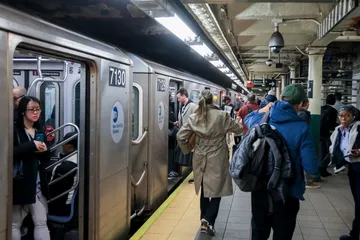
纽约市交通系统预计,随着医疗保健和燃料成本增速超过收入增长,2030年将出现近10亿美元的预算缺口。
Published: 2026-11-19T00:10:40+08:00 New York City’s transit system is projecting a nearly $1 billion budget gap in 2030 as increasing health care and fuel costs outpace its revenue growth.
作为美国最大的大众运输服务提供商,大都会交通管理局周三发布了一份2027年229亿美元运营预算草案。该财务计划详细列出了未来的赤字,因为支出持续超过收入。
The Metropolitan Transportation Authority, the nation’s biggest mass-transit provider, released on Wednesday a proposed $22.9 billion operating budget for 2027. The financial plan details future deficits as expenses continue to surpass revenue collections.
根据周三提交给该机构董事会的预算演示文稿,这些缺口包括每年的支出削减,大都会交通管理局计划在2030年削减8亿美元的支出。该机构还预计,2027年和2029年将上调4%的车费和过路费。
Those shortfalls include yearly spending reductions, with the MTA planning to slash expenditures by $800 million in 2030, according to a budget presentation given to the agency’s board on Wednesday. The MTA also anticipates 4% fare and toll hikes in 2027 and 2029.
“我们每年通过挤压、推动,并努力想办法用更少的钱做同样或更好的事情,节省6亿美元,”大都会交通管理局首席执行官贾诺·利伯在董事会会议上表示。“这个数字在财务计划期间将增长到8亿美元。”大都会交通管理局运营该市的地铁、公交和通勤铁路线路。它每个工作日提供大约六百万次乘车服务,是该地区经济的重要贡献者。但与美国许多家庭、企业以及州和地方政府一样,大都会交通管理局正面临通货膨胀的困扰。
“We save $600 million every year by squeezing and pushing and trying to figure out how to do the same or better with less money,” said Janno Lieber, the MTA’s chief executive officer, during the board meeting. “That number is going to grow to $800 million during the financial plan period.”The MTA runs the city’s subways, buses and commuter rail lines. It provides roughly six million weekday rides and is a major contributor to the region’s economy. But like many households, businesses, and state and local governments throughout the US, the MTA is grappling with inflation.
“赤字确实从2027年开始显现,因为我们感受到了中期选举中备受关注的那些问题的影响——燃料价格上涨、我们为员工提供的医疗保健成本、劳动力成本,”利伯补充道。
“The deficits do start to show up in 2027 as we feel the impact of the issues that had so much play in the midterms — the rising price of fuel, the cost of health care that we provide to our employees, labor costs,” Lieber added.
根据预算演示文稿,该机构的医疗保健成本预计将在2025年至2030年间增加13亿美元,增幅近50%。在此期间,燃料和电力开支预计将增长21%。
The agency’s health care costs are set to increase by $1.3 billion between 2025 and 2030, a nearly 50% jump, according to the budget presentation. Fuel and electricity expenses are expected to grow by 21% during that time.
大都会交通管理局为超过25万名员工、退休人员和受赡养人提供健康保险。每名在职员工的健康福利平均使该机构花费3万美元,这些开支每年增长7%。
The MTA provides health insurance to more than 250,000 employees, retirees and dependents. Health benefits for each active employee cost the MTA $30,000 on average, with those expenses increasing by 7% each year.
通过其Access-A-Ride无障碍辅助交通服务为残疾居民提供公共交通所涉及的法律索赔和成本也在推高开支。预算方案还削减了2亿美元的补贴款项,这笔资金原本由市政府提供,用于资助公交服务。
Legal claims and costs to provide public transportation to disabled residents through its Access-A-Ride Paratransit service are also pushing up expenses. The budget plan also cuts $200 million in subsidy payments from the city to help fund bus services.
另外,大都会运输署官员正寻求增加员工可工作的天数。今年员工平均工作了201天,而大都会运输署期望他们可出勤227天。虽然这比疫情期间2020年的193天有所增加,但低于十年前的206天。根据预算演示,可用性进一步下降可能使该机构每平均一天减少损失2000万美元。
Separately, MTA officials are looking to increase the number of available days an employee works. Employees worked an average of 201 days this year out of the 227 that the MTA expects them to be available for. While that’s up from 193 days in 2020 during the pandemic, it’s down from 206 a decade ago. Further drops in availability could cost the agency $20 million per average-day decline, according to the budget presentation.
一些请大量病假的员工也构成问题。今年该机构因没有可用的公交车司机而被迫取消了超过11.8万趟公交班次。据大都会运输署称,少数公交车司机病假使用量很高,9%的人一年请病假超过50天。
Some workers using a high number of sick days also pose a problem. The agency was forced to cancel more than 118,000 bus trips this year because there wasn’t a bus operator available. A small number of bus drivers have high sick leave usage, according to the MTA, as 9% use more than 50 sick days a year.
逃票也损害了大都会运输署的收入统计,约一半的公交车乘客不付车费。该机构将到2030年的票箱收入预测下调了2.57亿美元,与7月份所做的估计相比。根据预算演示,大都会运输署预计2030年将获得61.4亿美元的票箱收入。虽然这一数额自疫情以来逐年增加,但尚未达到2019年收取的63.5亿美元。
Fare evasion also hurts the MTA’s revenue tally, with about half of bus riders avoiding the fee. The agency lowered its farebox forecast by $257 million — compared to estimates made in July — through 2030. The MTA anticipates it will pull in $6.14 billion of farebox revenue in 2030, according to the budget presentation. While that amount has been increasing annually since the pandemic, it is yet to match the $6.35 billion collected in 2019.
MTA的运营预算面临额外风险。经济放缓可能使专项税收每年减少多达6亿美元。支出计划预计在初始3.8%的涨幅之后,每年薪资增长2%,但超过计划中2%涨幅的每多1%加薪,成本将增加1亿美元。如果分担费用的立法未能通过,无障碍交通费用每年可能增加3亿美元。利率上升也将影响MTA,每利率上升1%,借款成本每年可能增加1亿美元。
The MTA faces additional risks to its operating budget. A slower economy could reduce dedicated tax revenue by as much as $600 million each year. The spending plan anticipates annual salary increases of 2% after an initial 3.8% boost, but those costs go up by $100 million for every additional 1% raise above the planned 2% increase. Paratransit expenses could increase by $300 million each year if cost-sharing legislation fails to pass. Rising interest rates would also affect the MTA, with borrowing costs potentially going up by $100 million annually for every 1% increase.