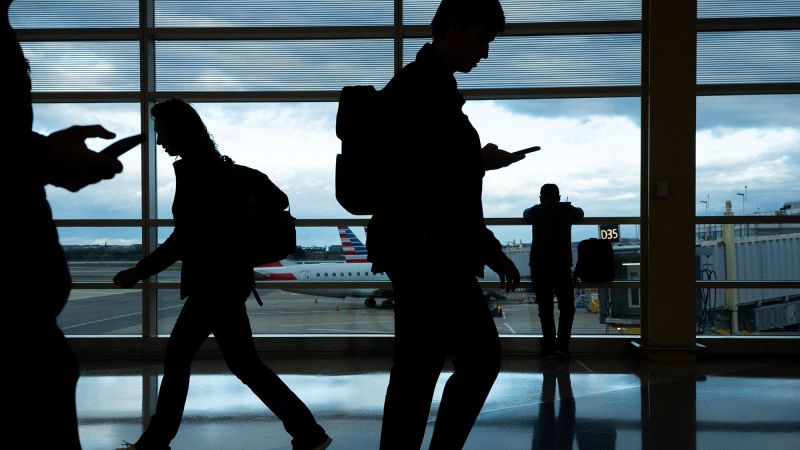
上周接连发生的三起大规模故障导致航班停飞、全球业务中断、国家安全系统受阻,暴露了我们在线系统的脆弱性。
The fragility of our online systems was on display this past week after back-to-back-to-back outages disrupted flights, global business and national security systems.
这不应令人震惊:互联网是一个松散连接的拼凑工程,依赖一些严重过时的系统,其中存在大量漏洞——其中许多我们才刚刚发现。
No one should be shocked: The internet is a loosely connected patchwork project reliant on some seriously outdated systems containing numerous vulnerabilities – many of which we are just discovering.
一幅恰如其分的 xkcd 漫画将“所有现代数字基础设施”形象化为一座巨大的积木塔(Jenga式),仅由一块细长的垂直积木支撑,积木上标注着:“内布拉斯加州某无名小卒自 2003 年起默默无闻地维护的一个项目。”人工智能让安全研究人员发现这些薄弱支撑并加固它们的能力大幅提升。但坏人拥有同样的工具,他们正在寻找攻击薄弱结构、加以利用的方法。
An apt xkcd cartoon visualizes “all modern digital infrastructure” as a giant Jenga-style tower supported by one, thin, vertical block with the label: “a project some random person in Nebraska has been thanklessly maintaining since 2003.”AI has given security researchers a vastly improved capability to find those weak supports and strengthen them. But bad actors have the same tools, and they’re scoping out ways to target weak structures and exploit them.
竞赛已经开始。人工智能促使企业和政府全力以赴阻止对手入侵。但在此过程中,一些公司似乎推出了尚未准备好正式上线的安全更新。
The race is on. AI is sending companies and the government into overdrive to keep adversaries out. But in the process, some companies appear to be pushing out security updates that weren’t ready for primetime.
上周每起超大规模故障似乎都有不同的根本原因。取证分析需要时间,每起中断的确切原因尚不清楚。早期迹象似乎排除了协同攻击的可能性。
Each of the mega-outages of the past week appears to have a different root cause. Forensics takes time, and the exact cause of each disruption isn’t yet known. Early indications seem to rule out a coordinated attack.
但它们似乎都共享一个共同漏洞:支撑互联网的技术根本不是为这样一个世界而构建的——在这个世界里,在线系统高度互联,计算机发现并利用弱点的速度快于人类。
But they all appear to share a common vulnerability: The technologies supporting the internet just weren’t built for a world in which online systems are so interconnected and computers can find and exploit weaknesses faster than humans can.

“这些事件让我对我们数字基础设施的韧性毫无信心,”约翰霍普金斯大学信息安全研究所成员马修·格林(Matthew Green)说。如果这些故障持续发生,不要感到震惊。
“These events do not fill me with confidence about the resilience of our digital infrastructure,” said Matthew Green, member of the Johns Hopkins Information Security Institute. Don’t be shocked if these outages keep happening.
其中一块“积木”是PHP,一种大多数人可能从未听说过的编程语言——尽管它支撑着全球70%的网站。今年夏天,使用AI智能体的研究人员发现了一种利用PHP漏洞的方法,攻击者可借此读取密码、窃取整个数据库或接管网站。
One of those Jenga blocks is PHP, a programming language most people have probably never heard of – even though it powers 70% of the world’s websites. Researchers using AI agents this summer discovered a method to exploit a PHP vulnerability that could allow an attacker to read passwords, steal entire databases or take over websites.
该漏洞已于上月修复。但一个支撑着近四分之三网站的几十年老工具竟存在重大缺陷,这一事实凸显了互联网面临的问题。
It was patched last month. But the fact that a decades-old tool supporting nearly three-quarters of the websites held a major flaw underscores the problem the internet faces.
“我们依赖于许多幕后我们从未听说过的东西来维持社会运转,”麻省理工学院IT安全教授斯图尔特·马德尼克说。“在这方面,我们已经变得极其脆弱,直到出了问题我们才会知道那些东西的存在。”正因如此,用另一个恰当的比喻来形容当今互联网的状况,那就是泰坦尼克号。
“We’re dependent on so many things we’ve never even heard of behind the scenes that keep society running,” said Stuart Madnick, an IT security professor at MIT. “In that regard, we’ve become tremendously vulnerable to things we don’t even know about until something goes wrong.”That’s why another decent analogy for the state of today’s internet is the Titanic.
这艘远洋客轮的防水舱壁无法承受超出船舶设计师最坏情况假设的故障。美国政府密码学供应商QuSecure的首席执行官兼联合创始人丽贝卡·克劳瑟默指出,即使是设计最好的系统,有时也会屈服于设计者在构建时无法想象的威胁和问题。如今,这些威胁包括AI。
The ocean liner’s watertight bulkheads were unable to withstand a failure that exceeded the ship’s architects’ worst-case-scenario assumptions. Even the best-designed systems sometimes succumb to threats and problems that the designers couldn’t have imagined when they built them, noted Rebecca Krauthamer, CEO and cofounder of QuSecure, a cryptography provider for the US government. Now those threats include AI.
智能体比人类工作得更快、更持久,这使得它们在通过试错技术寻找安全漏洞方面特别有用。安全专家对于近期一连串宕机原因提出一个尚未证实但广为接受的理论:各方争相打补丁、抢在恶意行为者之前行动。这些仓促的更新本身可能含有漏洞,从而导致系统宕机。
Agents can work faster and longer than humans, making them particularly useful at finding security holes by employing trial and error techniques. A yet-unproven but widely held theory from security experts about the reason for the recent string of outages is the rush to patch and beat bad actors to the punch. Those expedited updates may contain bugs themselves, causing system outages.

“有时你打个补丁,推送一次系统升级,系统表现异常,可以说是‘翻车’了,”前美国网络安全和基础设施安全局局长克里斯·克雷布斯周二在接受CNN记者帕梅拉·布朗采访时表示。“我认为微软可能遇到的情况,以及上周联邦航空管理局(FAA)遇到的情况,很大程度上都是这种情况。”与此同时,卡内基梅隆大学计算机科学教授克莱尔·勒·古埃指出,自主AI代理正以空前的流量需求淹没网络。
“Sometimes you do a patch, you push an upgrade in a system, it behaves abnormally, and it tips over, so to speak,” said Chris Krebs, former United States Director of the Cybersecurity and Infrastructure Security Agency, in an interview with CNN’s Pamela Brown on Tuesday. “I think that’s a lot of what we’ve seen with Microsoft, maybe, and with the FAA last week.”Meanwhile, autonomous AI agents are increasingly overwhelming networks with unprecedented traffic demands, noted Claire Le Goues, computer science professor at Carnegie Mellon University.
例如,微软表示,其系统因巨大的流量负载而瘫痪,并因更新期间部署的一个漏洞而无法自行恢复。联邦航空管理局对导致全国航班停飞的大规模故障的初步评估显示,一次路由器更新发送了错误流量,进而淹没了其网络。目前尚不清楚AI是否应为这两次故障负责,但这类状况在网络中日益普遍。
For example, Microsoft said its systems went down under the weight of a massive traffic load, and they failed to restore themselves because of a bug that was deployed during an update. The FAA’s initial assessment of a massive outage that led to a nationwide ground stop was that a router update sent out bad traffic, which then overwhelmed its networks. It’s not clear that AI was to blame for either outage, but those are the kinds of conditions that are increasingly prevalent across networks.
“AI可能会成为一种压力测试,暴露出我们几十年来一直共存的弱点,”克劳萨默说。
“AI may become the stress test that exposes weaknesses we’ve been living with for decades,” said Krauthamer.
好消息也许是,这些事件在主题上似乎有关联,但并非外国对手发动的协同网络攻击的一部分。正如我的同事约翰·米勒指出的,我们目前还不能完全排除这种可能,但这些事件不具备大规模系统入侵的大多数典型特征。
The good news, perhaps, is these incidents appear thematically related but not part of some coordinated cyberattack by a foreign adversary. As my colleague John Miller notes, we can’t rule that out just yet, but these incidents don’t carry most of the hallmarks of a massive system intrusion.
然而,坏消息是,缺乏网络攻击的证据不应让我们有任何安慰:如果我们的系统在没有网络入侵的情况下就如此脆弱,试想如果对手试图攻击我们,他们能做出什么。
The bad news, however, is that the lack of evidence of a cyberattack shouldn’t give us any comfort: If our systems are this vulnerable without a cyber intrusion, imagine what adversaries could do if they were trying to attack us.
美国前反恐事务负责人理查德·克拉克周六在接受CNN主持人迈克尔·斯默科尼什采访时说:“这意味着,即使敌人没有试图攻击我们,我们也可能自己攻击自己,因为这些系统如此复杂而脆弱。”克拉克曾在乔治·H·W·布什、克林顿和乔治·W·布什三届政府中任职。
“It means that even when our enemies are not trying to attack us, we can attack ourselves just because the systems are so complex and fragile,” said Richard Clarke, former US counterterrorism czar for the George H.W. Bush, Clinton and George W. Bush administrations, in an interview with CNN’s Michael Smerconish on Saturday.
因此,过去一周发生的事件或许并不令人意外,但它们应当敲响警钟。
So, while the events of the past week may not be surprising, they should be a wake-up call.
一些专家主张开展大规模协同行动,加固我们的数字关键基础设施。
Some experts advocate for a massive, coordinated effort to harden our digital critical infrastructure.
克劳萨默说:“我们一次又一次地认识到,对基础设施进行渐进式修补,已不足以维持我们所需的具备韧性的系统。我们的系统必须以过去从未面对过的方式提升韧性。”但一些人对这是否会发生持怀疑态度。这些问题一阵一阵地出现,在公众意识中升温,然后在系统恢复后又逐渐消退。
“We are learning again and again that incremental fixes to our infrastructure are no longer sufficient to maintain the resilient systems we need in place,” Krauthamer said. “Our systems must evolve resilience in a way we’ve never faced in the past.”But some are skeptical that will happen. These problems happen in spurts, rise in the public consciousness, then fade when the systems are restored.
马德尼克说:“我们在了解这些事情方面做得并不好。”他教授IT安全已有五十年。
“We’re not doing a good job learning about these things,” said Madnick, who has been teaching about IT security for five decades.
对根本问题——支撑现代威胁的古老系统——缺乏资源投入,这加剧了未来出现更严重问题的脆弱性。
The lack of resource dedication to the underlying problem – ancient systems supporting modern threats – raises the vulnerability of an even more serious problem in the future.
马德尼克说:“我一直说最糟糕的还在后头。到目前为止,还没有人被证明说错了。”
“I keep saying the worst is yet to come,” said Madnick. “So far, I haven’t been proven wrong.”