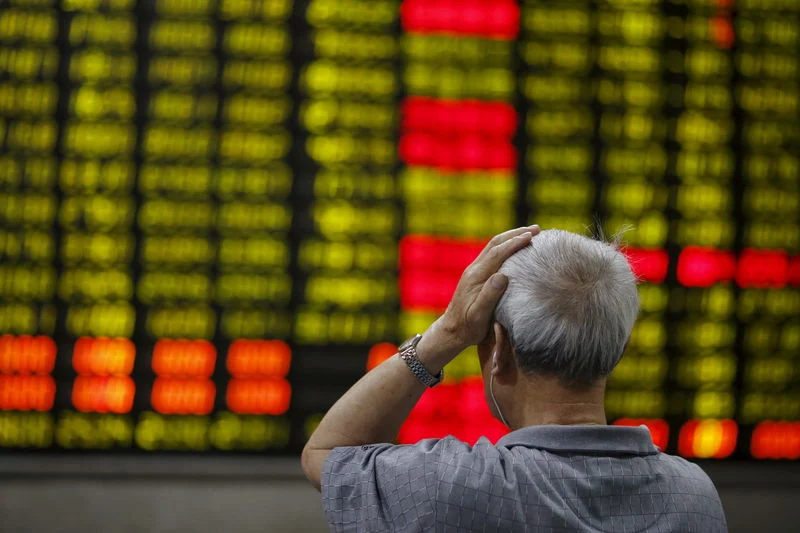
Investing.com—— 亚洲股市周五暴跌至七个月低点,韩国和台湾股市重挫,因人工智能和科技股估值持续深度回调。
Investing.com-- Asian stocks slumped to a seven-month low on Friday with South Korea and Taiwan logging heavy losses amid a continued, deep unwinding in artificial intelligence and technology valuations.
MSCI除日本外亚洲市场指数暴跌3.5%,至2024年4月初以来最低水平。该指数本周预计将下跌约8.6%,录得2020年初新冠疫情危机以来最差单周表现。
MSCI’s index of Asian markets excluding Japan tumbled 3.5% to its weakest level since early-April. The index was also set to lose about 8.6% this week, its worst performance since the COVID-19 crisis in early-2020.
亚洲市场追随隔夜美股暴跌,纳斯达克综合指数跌至七个月低点。AI初创公司Anthropic高达1.5万亿美元的首次公开募股(IPO)未能改善市场对该板块的情绪。
Regional markets tracked an overnight slump on Wall Street, where the NASDAQ Composite slumped to a seven-month low. AI startup Anthropic’s bumper $1.5 trillion initial public offering did little to improve sentiment towards the sector.
美股期货在亚洲时段进一步下跌,Anthropic(纳斯达克代码:ANT)盘后跌幅一度达6%。
Wall Street futures fell further in Asian trade, with Anthropic (NASDAQ:ANT) losing as much as 6% after-hours.
AI股抛售何时见底?立即以55%优惠价获取InvestingPro深度洞察!
When will the AI rout bottom out? Find out with insights from InvestingPro-- now at 55% off!
韩国、台湾重挫,AI抛售重创芯片股 韩国综合股价指数(KOSPI)和台湾加权指数周五成为亚洲表现最差的指数,分别下跌4.4%和5.6%。
S.Korea, Taiwan tumble as AI rout batters chipmakers South Korea’s KOSPI and the Taiwan Weighted were the worst performers in Asia on Friday, sliding 4.4% and 5.6%, respectively.
KOSPI跌至九个月低点,台湾加权指数跌至七个月低点。两大指数现已抹去今年大部分由AI行情推动的涨幅。
The KOSPI hit a nine-month low, while the Taiwan Weighted hit a seven-month low. Both indexes have now wiped out a lion’s share of their AI-fueled gains made this year.
主要芯片股深度且持续的下跌沉重拖累了两大指数。韩国存储芯片巨头三星电子(韩交所:005930)和SK海力士(韩交所:000660)分别下跌约6%。
Deep, sustained losses in major chipmaking stocks weighed heavily on both indexes. South Korean memory chip giants Samsung Electronics Co Ltd (KS:005930) and SK Hynix Inc (KS:000660) slid around 6% apiece.
台积电(台交所:2330)——全球最大晶圆代工厂、AI繁荣的主要受益者——暴跌近4%,至七个月低点。路透社报道称,该公司收紧了对中国芯片设计公司的规则,因美国对北京获取先进AI处理器的审查日益严格。
Taiwan’s TSMC (TW:2330)– the world’s biggest contract chipmaker and a major beneficiary of the AI boom– tumbled nearly 4% to a seven-month low. Reuters reported the company had tightened rules on Chinese chip designers, amid growing U.S. scrutiny towards Beijing’s access to advanced AI processors.
代工电子制造商鸿海精密工业(台交所:2317),即富士康,下跌4.5%。
Contract electronics manufacturer Hon Hai Precision Industry (TW:2317), also known as Foxconn, slid 4.5%.
Anthropic 的盛大市场首秀——这家 AI 实验室估值一度触及 2 万亿美元——几乎未能提振 AI 板块的市场情绪,因为市场普遍担心 2027 年数据中心支出将放缓,尤其是在美国监管审查日益严格的背景下。
Anthropic’s bumper market debut– where the AI lab briefly hit a $2 trillion valuation– did little to lift sentiment towards the AI trade, amid rampant fears of slowing data center spending in 2027, especially amid growing regulatory scrutiny in the United States.
一起涉及 NVIDIA Corporation(纳斯达克代码:NVDA)及其潜在向被禁中国公司销售芯片的丑闻,也动摇了 AI 板块,因为这家芯片制造商已承担起 AI 行业“事实上的央行”角色,为其多位客户的芯片采购提供担保。
A scandal involving NVIDIA Corporation (NASDAQ:NVDA) and potential chip sales to banned Chinese companies also rattled the AI trade, given that the chipmaker had taken on the role of a de-facto central bank for the AI industry by backstopping chip purchases for several of its customers.
这起 Nvidia 丑闻还促使美国收紧了中国获取先进 AI 处理器的监管,实际上堵住了一个漏洞,该漏洞曾允许北京在离岸数据中心远程访问 Nvidia 最先进的芯片。
The Nvidia scandal also saw the U.S. tighten regulations on Chinese access to advanced AI processors, effectively closing off a loophole that allowed Beijing to remotely access Nvidia’s most advanced chips in offshore data centers.
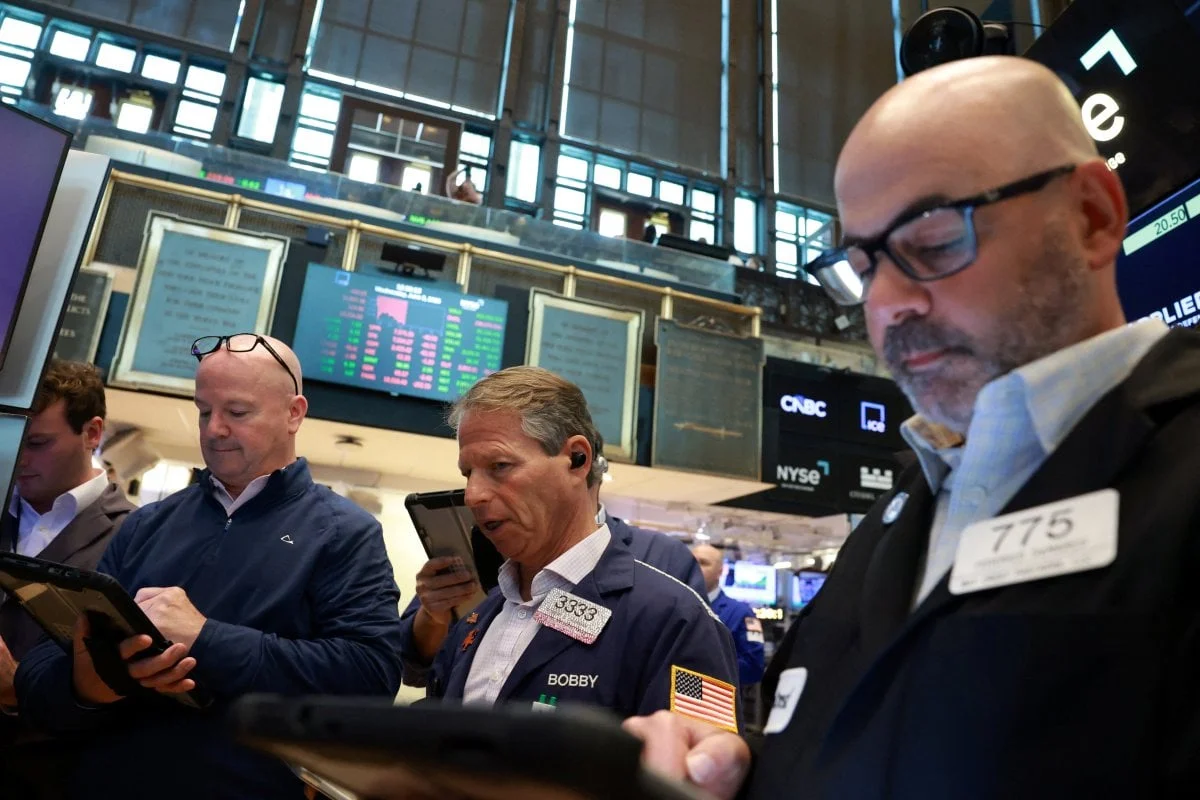
这一举措重创了中国科技股估值,该国顶尖 AI 实验室现在面临获取更多算力的严重限制。
This move battered Chinese tech valuations, with the country’s premier AI labs now facing drastic limitations on access to more computing power.



香港恒生指数周五下跌 2.1%,距离从 1 月高点回落超过 20% 进入熊市仅一步之遥。科技巨头百度集团(HK:9888)和腾讯控股(HK:0700)分别下跌 4.6% 和 1.7%,而阿里巴巴集团(HK:9988)是唯一亮点,因 9 月季度营收超预期而上涨逾 2%。
Hong Kong’s Hang Seng index slumped 2.1% on Friday and was now set to enter a bear market– losing over 20%-- from its January high. Tech majors Baidu Inc (HK:9888) and Tencent Holdings (HK:0700) lost 4.6% and 1.7%, respectively, while Alibaba Group (HK:9988) was a sole bright spot, rising over 2% on a stronger-than-expected September-quarter revenue.
科技股跌势蔓延至更广泛的亚洲市场,连带拖累了非科技板块。澳大利亚 ASX 200 指数——该指数重仓银行和矿业股——下滑 1.6%。
Losses in tech spilled over into broader Asian markets, dragging down even non-tech sectors. Australia’s ASX 200 index– which is heavily weighted to banking and mining stocks– slid 1.6%.
新加坡海峡时报指数下跌 1.8%,而中国内地沪深 300 指数和上证综合指数分别下滑 2.2% 和 1.7%。
Singapore’s Straits Times fell 1.8%, while China’s mainland Shanghai Shenzhen CSI 300 and Shanghai Composite indexes slid 2.2% and 1.7%, respectively.
印度 Nifty 50 指数期货下跌 0.6%。在 AI 路演式抛售中,印度股市表现强劲,该国被广泛视为 AI 交易的对冲力量。
Futures for India’s Nifty 50 index fell 0.6%. Indian stocks have flourished amid the AI rout, with the country widely viewed as a counterweight to the AI trade.
11 月份 Nifty 指数上涨 9.4%,与亚洲整体下跌形成对比。
The Nifty was trading up 9.4% in November, compared to broader losses in Asia.
日本股市因科技股暴跌、通胀粘性大而大幅下挫 日本日经225指数同样因科技板块深幅下跌而重挫,暴跌4.7%至七个月低点。科技权重相对较低的更广泛的TOPIX指数下跌3.1%。
Japanese stocks slump on tech rout, sticky inflation Japan’s Nikkei 225 was also battered by deep losses tech, tumbling 4.7% to a seven-month low. The broader TOPIX index, which has relatively less tech weightage, fell 3.1%.
软银集团(东证代码:9984)是日经指数中跌幅最突出的个股,暴跌15%,因人工智能板块的暴跌预示着这家科技巨头的持仓将面临更大压力。
SoftBank Group Corp. (TYO:9984) was a standout decliner on the Nikkei, sliding 15% as the AI rout pointed to more pressure on the tech conglomerate’s holdings.
软银创始人孙正义本周早些时候表示,他后悔未在Anthropic首次公开募股(IPO)前投资该公司。
Softbank founder Masayoshi Son said earlier this week that he regretted not investing in Anthropic ahead of its bumper IPO.
软银已向Anthropic竞争对手OpenAI投资近650亿美元,加上其在芯片设计商Arm的持股,使其深度暴露于人工智能交易之中。
Softbank has invested close to $65 billion in Anthropic rival OpenAI, and, along with its holdings in chip designer Arm, is heavily exposed to the AI trade.
数据显示10月消费者价格指数(CPI)通胀率仍高于日本央行2%的目标,这也给日本股市带来压力。
Japanese shares were also pressured by data showing consumer price index inflation remained above the Bank of Japan’s 2% target in October.
该数据进一步强化了市场预期,即日本央行将在12月加息——这一情景预示着日本股市将面临更多近期压力。
The print furthered expectations that the BOJ will hike interest rates in December– a scenario that bodes more near-term pressure on Japanese stocks.