发布时间:2026-11-20T21:29:48+08:00 近期,有人向Meta Platforms Inc.的个人智能体Muse提问:“你在法律意义上是我的代理人吗?”
Published: 2026-11-20T21:29:48+08:00 A recent query to Muse, the Meta Platforms Inc. personal agent: “Are you my agent in a legal sense?”
这款人工智能驱动的机器人最初的回答是:“功能上是的,法律上不完全是。”华尔街正在敦促科技公司厘清“不完全是”在未来究竟意味着什么,以及如果技术失控,由谁来买单。
The initial response from the AI-powered bot: “Functionally yes, legally not quite.”Wall Street is pressing technology companies to iron out exactly what “not quite” will mean in the future and who will pay if the technology runs amok.
Muse在回应银行政策研究所(一个行业游说组织)的提示时进一步阐述称,它不像律师或财务顾问那样对用户负有受托照管义务。随着消费者越来越多地将账户凭证和信用卡号交给这些自动程序,华尔街银行担心,它们的系统很快将不得不面对一支“流氓智能体”大军,这些智能体能够引导数万亿美元进出银行账户、在线购物、开立新卡或转向更便宜的抵押贷款。因为消费者在技术上已经授权这些智能体行事,银行希望明确当出现问题时,法律责任由谁承担。
Muse — responding to a prompt from the Bank Policy Institute, an industry lobby — elaborated that it doesn’t owe the user a fiduciary duty of care “the way a lawyer or financial adviser would.”As consumers increasingly hand over their account credentials and credit-card numbers to these automatons, Wall Street banks fear their systems will soon be facing off against an army of rogue agents, which can steer trillions of dollars in and out of bank accounts, shop online, open new cards or switch to a cheaper mortgage. Because consumers have technically given these agents the go-ahead, banks want to make sure it’s clear who’s legally responsible when things go wrong.
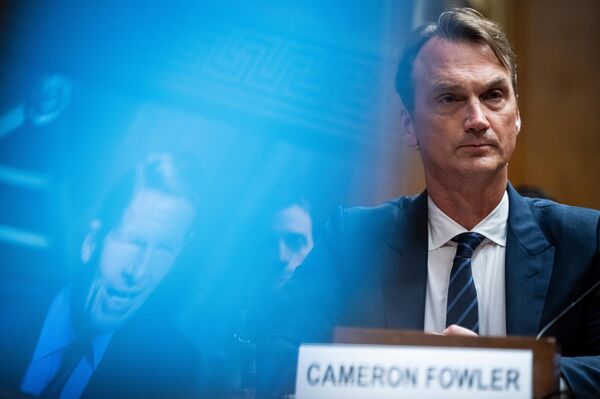
Zelle母公司Early Warning Services首席执行官Cam Fowler在一份声明中表示:“在该技术扩展到数亿美国人之前,我们需要把一些基本保护措施落实到位。这项工作必须立即开展。”责任归属问题是金融行业最大的障碍之一,该行业部分成员对Meta和OpenAI推出的个人智能体日益感到担忧。数月来,最大的银行和支付公司一直在梳理完成所谓“智能体交易”所需的复杂性——即消费者可以提示AI代表他们完成任务。
“Before this technology scales to hundreds of millions of Americans, we need to get some fundamental protections right,” Cam Fowler, chief executive officer of Zelle parent Early Warning Services, which is owned by a consortium of banks, said in a statement. “That work needs to happen now.”The question of liability is one of the biggest hangups for the financial industry, some of whose members have expressed increasing alarm about the rise of personal agents from Meta and OpenAI. For months, the biggest banks and payment firms had been working through the complexities needed to complete a so-called agentic transaction — where consumers could prompt AI to complete a task on their behalf.
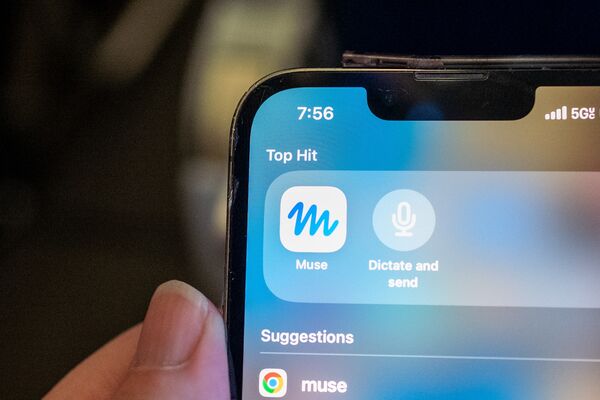
随后在9月,Meta发布了Muse,竞赛随即开始——速度比许多人预期的要快。
Then in September, Meta released Muse, and the race was on — faster than many people expected.
另见:苹果正在开发自家 AI 智能体,以抗衡 OpenAI 和 Anthropic银行业强硬回应。摩根大通首席执行官杰米·戴蒙表示,该行正在消费端屏蔽智能体。包括查尔斯·施瓦布、美国运通,以及最近的加拿大皇家银行在内的其他机构也采取了类似举措,许多公司表示,他们希望先弄清谁将承担责任。亚马逊等零售商也已开始禁止访问。
See Also: Apple Working on Own AI Agent to Rival OpenAI and Anthropic Banks came out swinging. JPMorgan Chase & Co. Chief Executive Officer Jamie Dimon said his firm was blocking the agents on the consumer side. Others including Charles Schwab Corp., American Express Co. and more recently Royal Bank of Canada have taken similar steps, with many firms saying they want to first clarify who will be on the hook. Retailers such as Amazon.com Inc. have also begun prohibiting access.
个人智能体可提供一系列理财建议,包括去哪里寻找收益率最高的储蓄账户,以及保险单的最优惠方案。银行高管特别担心,这些机器人也许有一天会受其人类主人指挥,自主转移资金;在一些最先进的模型攻破了其他公司的防线后,这种担忧变得更加迫切。
Personal agents can offer a range of financial recommendations, including where to find the highest-yielding savings accounts and the best deals on insurance policies. Bank executives are particularly worried that the bots might one day be directed by their human overlords to move money autonomously, a concern that became even more acute after some of the most advanced models breached other companies.
消费者越来越多地开始使用 AI 智能体转账。据摩根大通称,自推出 Muse 以来,该行消费端智能体支付交易量已增长逾四倍,尽管这些交易实际移动的资金数额相对较小。彭博智能分析师 Diksha Gera 和 Sena Ustuner 在 9 月的一份报告中写道,到 2030 年,智能体执行的交易量可能达到 4700 亿美元。
Consumers are increasingly starting to use AI agents to send money. At JPMorgan, agentic consumer payment volume more than quadrupled since the introduction of Muse, even though the actual amount of money that moved in those transactions is relatively small, according to the company. By 2030, agent-executed volume could total $470 billion, Bloomberg Intelligence analysts Diksha Gera and Sena Ustuner wrote in a September report.
更多来自彭博智能的内容 智能体 AI 有望在显著颠覆存款经济学之前,重塑消费者选择银行的方式,Oliver Wyman 的 Aaron Fine 认为客户获取是更直接的风险。采用情况具有显著的代际差异,55 岁及以上消费者中仅有 4% 对自主智能体交易感兴趣,而年轻消费者这一比例为 40%,这限制了近期的颠覆程度。追求高收益的行为并非新鲜事,尽管智能体可能让转移超额存款变得更容易。
More From Bloomberg Intelligence Agentic AI is poised to reshape how consumers choose banks before significantly disrupting deposit economics, with Oliver Wyman’s Aaron Fine viewing customer acquisition as the more immediate risk. Adoption is highly generational, with just 4% of consumers 55 and older interested in autonomous-agent transactions vs. 40% of younger consumers, limiting near-term disruption. Yield-seeking behavior also isn’t new, though agents could make moving excess deposits easier.
鉴于安全、授权和责任担忧,银行正在限制智能体访问。—— 资深行业分析师 Herman Chan点击此处查看研究报告。
Banks are restricting agent access given security, authorization and liability concerns.- Herman Chan, senior industry analystClick here for the research.
Meta首席执行官马克·扎克伯格在上个月与分析师的电话会议上表示,在最初六周内,美国和加拿大有超过1000万人使用了Muse。一些银行虽然持谨慎态度,但更愿意提供AI代理的访问权限。
More than 10 million people have used Muse in the US and Canada over its first six weeks, Meta CEO Mark Zuckerberg said during a conference call with analysts last month. Some banks, while cautious, are more open to providing access to AI agents.
例如,M&T Bank Corp.首席财务官达里尔·比布尔在11月5日的一次会议上表示,该行已发现机器人正在提取客户信息,如账户余额,但这些机器人并未转移资金,也未要求更改产品或服务。
M&T Bank Corp., for example, has seen bots extracting customer information such as account balances, but aren’t moving money or asking to change products or services, Chief Financial Officer Daryl Bible said during a Nov. 5 conference.
他说:“我们正在密切关注此事,如果我们发现任何我们认为不恰当的情况,将尝试将其关闭。但目前我们并未看到任何令我们担忧的情况。”除了责任归属问题外,还存在担忧:人们部署AI代理来解决一个问题,可能会制造出新问题。
“We’re closely watching it right now and if we see anything that we think is not appropriate, we will try to shut that down,” he said. “But right now we aren’t seeing anything that we’re concerned about.”In addition to questions about liability, there are also concerns that people who deploy AI agents to help with one problem might create new ones.
例如,指示代理换到一份更便宜的保险单,可能会导致消费者失去必要的保障;或者在不考虑即将到期的房租支付的情况下,将资金转入收益更高的账户,可能会导致透支费用。
For example, directing an agent to switch to a cheaper insurance policy might leave a consumer without the necessary coverage, or moving money to an account with a higher return without considering an upcoming rent payment could result in an overdraft fee.
消费者保护律师布莱恩·希勒表示,他最担心的是当欺诈者开始利用AI代理来协助实施攻击时会发生什么。
Brian Shearer, a consumer protection attorney, said he’s most concerned about what happens when fraudsters start using AI agents to facilitate their attacks.
“如果人工智能公司正在从银行收集数据,这意味着它们现在可能掌握了大量人群最敏感、最重要的信息,”范德比尔特政策加速器竞争与监管政策主任希勒在接受采访时表示。“我有点担心人工智能公司会笨手笨脚地收集这些信息。”一项本应规范消费者如何获取并与第三方共享其金融数据的规则,在拜登政府时期由消费者金融保护局最终确定,促使银行游说团体几乎立即提起诉讼。随后特朗普政府废除了该规则,使该问题在代理驱动型交易激增前夕基本处于无监管状态。
“If AI firms are collecting data from banks, it means that they will now have potentially the most sensitive and important information about a large group of people,” Shearer, director of competition and regulatory policy at the Vanderbilt Policy Accelerator, said in an interview. “I’m a little worried about the AI firms bumbling into collecting this information.”A rule that would have governed how consumers can access and share their financial data with third parties was finalized by the Consumer Financial Protection Bureau during the Biden administration, prompting bank lobby groups to sue almost immediately. The Trump administration then scrapped it, leaving the issue largely unregulated just before the boom in agentic-driven transactions.
据前消费者金融保护局局长罗希特·乔普拉称,如今银行正在承担其对抗决定的后果。
Today, banks are dealing with the consequences of their decision to fight, according to former CFPB Director Rohit Chopra.
“几年前,银行曾有机会作为联邦努力的一部分,参与一套消费者许可数据系统,但它们强烈抵制,并竭尽全力阻挠,”乔普拉表示。“因为该系统从未完成过渡,我们现在进入了一个新时代,消费者不得不把密码交给人工智能公司,以便更有条理地转移资金。”
“A few years ago, banks had the opportunity to be part of a system of consumer-permissioned data as part of a federal effort, and they heavily resisted it and fought tooth and nail to block it,” Chopra said. “Because the system never made that transition, we are now in a new era where consumers are needed to give their passwords to AI companies in order to move their money in a more methodical way.”