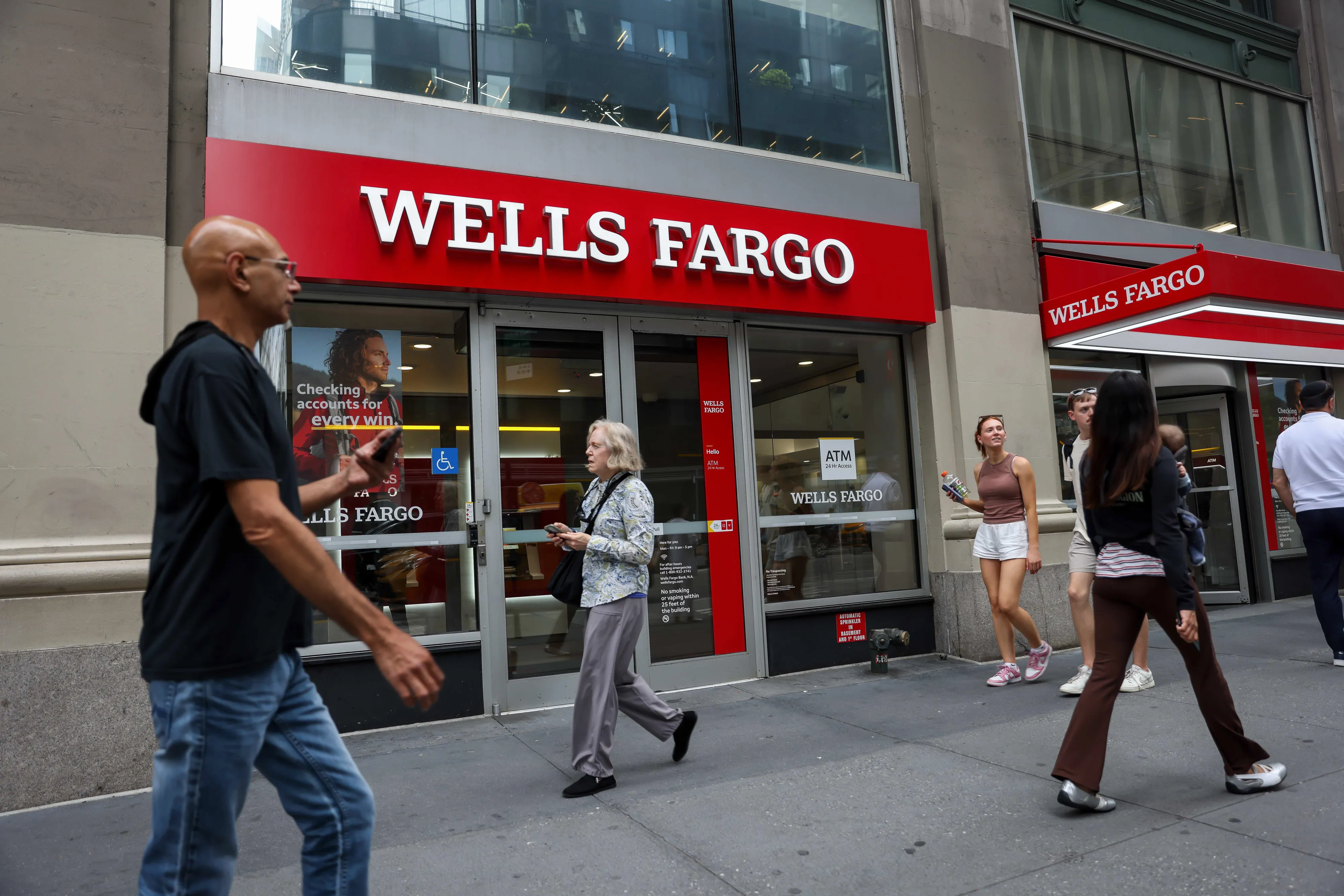
富国银行将从周二起对数百万客户实施一项更新后的协议,内容专门针对人工智能代理。该银行对早期采用者的警告再清楚不过了。富国银行的新条款写道:“您对任何人工智能代理的使用均需自担风险。”
Wells Fargo is set to enact an updated agreement with millions of customers, specifically about AI agents, starting on Tuesday. The bank’s warning to early adopters could not be clearer. “Your use of any AI Agent is AT YOUR OWN RISK,” read Wells Fargo’s new terms.
人工智能代理能够自动执行在线任务并代表用户点击,在2026年走得磕磕绊绊。它们仍然是新兴技术,但今年有一部分不断增加的高级用户开始使用这些个人机器人。有时这些早期采用者享受到了自动化带来的高效帮助,而另一些时候,当人工智能代理犯下重大错误时,他们当众出了丑,比如把银行账户明细发给单位里的所有人看。
AI agents, which automate online tasks and click on your behalf, have stumbled through 2026. They remain nascent technology, but a growing subset of power users latched onto the personal bots this year. Sometimes these early adopters enjoyed the efficient help of automation, and other times they publicly embarrassed themselves when the AI agents made major mistakes, like posting bank details for everyone at work to see.
这些人工智能工具的构建者通常将代理营销为购物决策的终极工具,无论是拼凑杂货订单、寻找度假住宿,还是为父母寻找特定的节日礼物。我曾使用过一个代理来帮忙选购新沙发,在特定预算内比较各种选择并追踪降价情况。
Builders of these AI tools often market agents as the ultimate tool for shopping decisions, whether that’s putting together a grocery order, finding accommodations for a vacation, or discovering specific holiday gifts for your parents. I’ve used an agent to help shop for a new couch, comparing options within a specific budget and tracking price drops.
一些用户非常看重这些代理,以至于对压倒性的安全隐患浑然不觉,他们将账户凭证进行绑定,并授权代理在没有深思熟虑的情况下采取广泛的行动。尽管这些自主工具完成的在线交易比例仍然微乎其微,但美国本土的银行机构已经对第三方人工智能代理感到厌烦。
Some users value these agents so much that they are oblivious to the overarching security concerns, pairing account credentials and granting permissions for the agents to take sweeping actions without forethought. Although the segment of online transactions completed by these autonomous tools remains minuscule, US-based banking institutions are already sick of third-party AI agents.
不只是银行,人工智能代理正在网络上引发地盘争夺战。作为最大的在线零售商之一,亚马逊阻止了最广泛使用的人工智能代理之一——Meta的Muse在其平台上进行购买。旅游公司也在进行抵制——美联航最近宣布,将禁止个人机器人代表用户购买机票。
It’s not just banks; AI agents are igniting turf wars around the web. Amazon, one of the largest online retailers, blocked Meta’s Muse, one of the most widely used AI agents, from making purchases on its platform. Travel companies are also pushing back—United recently announced that personal bots would be blocked from purchasing flights on your behalf.
随着年底临近,多家银行围绕代理程序颁布了新政策或发出警告。10月下旬,摩根大通修改了条款,禁止使用凭据登录的第三方代理。同一天,美国银行警告客户不要与代理分享信息。除了富国银行宣布的政策变动外,花旗银行和PNC银行也修改了条款,加入了关于代理的警告。
As the end of the year approaches, multiple banks have enacted new policies around agents or sent warnings. In late October, JPMorgan Chase changed its terms to ban third-party agents that with your credentials. That same day, Bank of America warned its customers not to share info with agents. Along with the announced change coming from Wells Fargo, Citibank and PNC have also changed their terms to include warnings about agents.
自动化一直是全天候代理的核心卖点,而这恰恰可能给用户带来麻烦。“消费者授权的是目标,而不是每一次点击,”布莱恩特大学市场营销副教授凯茜·金表示,她专门研究消费者行为和新兴科技。虽然金预计部分消费者会觉得为代理的错误承担责任不公平,但她并不认为金融机构的这些政策调整会吓退那些已经深入其中、将这些工具作为日常生活一部分的早期尝鲜者。
The automation, which remains a central selling point of always-on agents, is exactly what may get users in trouble. “Consumers authorize goals, not every click,” says Kacy Kim, an associate professor of marketing at Bryant University who studies consumer behavior and emerging tech. While Kim expects some consumers to feel like it's unfair to be held accountable for their agent’s mistakes, she doesn’t expect these policy moves by financial institutions to scare off the early-adopter crowd already in deep and using the tools as part of everyday life.
如果代理工具能够留存下来、而不只是沦为又一个科技风潮,银行似乎正试图在此类重大问题出现之前防患于未然。“我们所有的数据显示,大多数人甚至不知道什么是代理,更谈不上使用了,”专注于电子商务和消费者行为的福雷斯特研究公司分析师苏恰里塔·科达利表示。在她看来,银行本质上是规避风险的,因此现在采取主动措施合情合理,即便大多数与代理相关的问题仍然属于极端情况。
Banks appear to be trying to get ahead of major issues, in case agentic tools stick around and don’t just disappear as another tech fad. “All of our data shows that most people don't even know what agents are, much less use them,” says Sucharita Kodali, a Forrester analyst who focuses on ecommerce and consumer behavior. She sees banks as fundamentally risk-averse, so taking proactive measures now makes sense, even if most agentic issues remain edge cases.
“银行认为凡事都有风险,”她说。“从交易的安全性,到可能损害账户持有人利益的自动提现。”尽管存在少数特例,但许多用户意识到了风险,并且只愿意将有限的控制权交给人工智能代理,且仅限于某些购物任务。“人们非常乐意让人工智能代买卫生纸,”弗吉尼亚大学研究消费者心理学和人工智能的教授卢卡·钱表示。
“The banks see risks with everything,” she says. “From the security of transactions to automated withdrawals that could happen to the detriment of account holders.”Even though outliers exist, many users are aware of the risks and are only comfortable handing over so much control to an AI agent, and only for certain shopping tasks. “People are very comfortable with AI buying toilet paper,” says Luca Cian, a professor at the University of Virginia who studies consumer psychology and AI.
他认为,消费者越来越习惯于转向人工智能工具来寻求购物建议,但通常只是将购买无聊商品的流程自动化,比如家居用品。对于需要额外谨慎和权衡的动态大宗采购,购物者不太愿意将其交给自动化处理。
He sees consumers as increasingly comfortable turning to AI tools for shopping advice but often only automating boring buys, like household supplies. Shoppers are less comfortable automating away dynamic, big-ticket purchases that require additional care and discretion.
西安(Cian)给出了一个假设场景:顾客的人工智能代理不小心从超市买了10只烤鸡。该怪谁?零售商可能会辩称,他们完成了一笔你下达的有效订单。人工智能开发商可能会声称,他们只是提供了软件,甚至还包含关于潜在错误的免责声明。现在,你的银行也明确表示,它们不希望承担责任。希望你需要这些蛋白质,因为看起来你刚刚买了10只热腾腾的鸡。
Cian gives a hypothetical scenario where a customer’s AI agent accidentally buys 10 roasted chickens from the supermarket. Who’s to blame? The retailer would likely argue that they completed a valid order that you placed. The AI builder may claim that they just provided the software, and even included disclaimers about potential mistakes. And now your bank is making it clear they don’t want to be held responsible either. Hope you need the protein, because it looks like you just bought 10 hot chickens.
不过,某些信用卡正在研究针对购物者的有限保障措施。主要是美国运通(American Express)宣布,如果无法从原零售商处退款,未来某些代理错误(例如订购了过多某种商品)或许可以通过发卡机构获得赔偿。
Certain credit cards, though, are looking into limited protections for shoppers. Mainly, American Express announced that some agentic mistakes, like ordering too many of a certain item, may be eligible for reimbursement in the future through the card provider if you can't get your money back from the original retailer.
银行正在就第三方代理发出合理的警告,但不要搞错了。这些银行对第一方工具可是全力投入。“银行在同时做两件事,”西安说,“它们一方面把大门对外部代理锁上,另一方面在构建自己的代理。”用户与富国银行(Wells Fargo)使用生成式人工智能回答问题的工具的互动次数已超过10亿次。美国银行(Bank of America)今年对其新的EricaAssist代理进行了升级,以帮助员工。花旗集团(Citigroup)甚至专门推出了一个以代理为核心的内部开发平台。
Banks are pumping out reasonable warnings about third-party agents, but don’t get it twisted. These banks are all-in on first-party tools. “Banks are doing two things at once,” Cian says. “They're locking the door to outside agents and building their own.”Users have interacted with Wells Fargo’s tool that answers questions using generative AI over a billion times. Bank of America revamped its new EricaAssist agent this year to help employees. Citigroup even launched an internal development platform specifically centered on agents.
尽管炒作不断,Kodali 对这一切喧嚣是否真的必要仍持怀疑态度。她说:“代理与购物的问题在于,首先,在亚马逊、沃尔玛或其他任何地方购物并不难。在大多数此类交易中,你并不需要代理。” 代理式购物往往看起来像是一个寻找问题的解决方案。或者至少是 AI 构建者试图寻找一种方式,最终通过其软件工具赚取联盟佣金。
Despite all the hype, Kodali remains skeptical about whether all of this hoopla is even necessary. “The issue with agents and shopping is that, first of all, it is not difficult to buy on Amazon or Walmart or anywhere else,” she says. “In most of those transactions, you don't need an agent.”Agentic shopping often seems to be a solution in search of a problem. Or at least an attempt by AI builders to find a way to earn affiliate revenue, eventually, from their software tools.
无论 AI 代理在购物自动化方面是变得流行,还是慢慢沉入数字坟场,银行对此事的态度已经非常坚决。这是你的机器人,也是你的问题。
Whether AI agents grow in popularity for shopping automation or slowly fade into the digital graveyard, banks are already resolute on the matter. It’s your bot, and your problem.