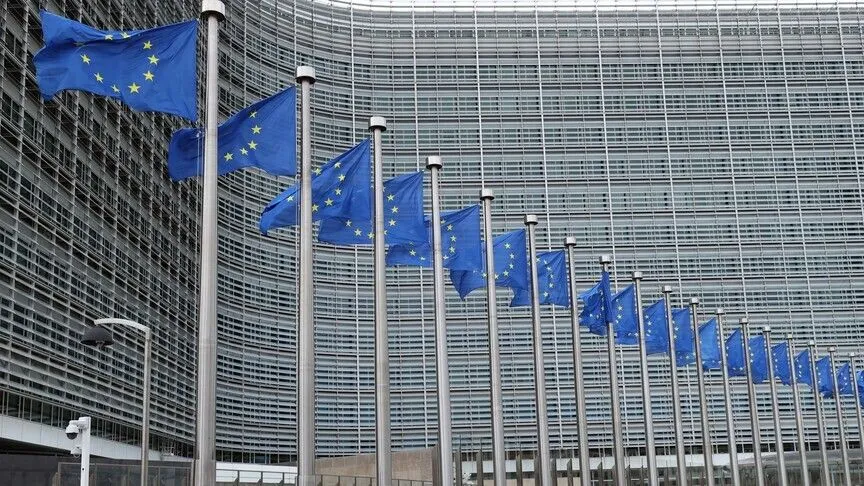
欧盟领导人在该集团未来七年预算问题上依然存在深刻分歧,在总体规模、国家分摊额、资金优先事项以及对乌克兰的支持等问题上的分歧阻碍了谈判取得突破。
EU leaders remain deeply divided over the bloc's next seven-year budget, with disagreements over its overall size, national contributions, funding priorities, and support for Ukraine preventing a breakthrough in negotiations.
这一争端反映了相互竞争的国家利益,较富裕的成员国寻求限制其分摊额,而依赖欧盟资金的国家则反对削减支持区域发展和农业的项目。
The dispute reflects competing national interests, as wealthier member states seek to limit their contributions, while countries relying on EU funding oppose reductions to programs supporting regional development and agriculture.
谈判还具有地缘政治影响,因为2028-2034年多年度财政框架(MFF)将决定该集团在加强国防、支持乌克兰、提升竞争力以及为进一步扩大(特别是在西巴尔干地区)做准备方面的财政能力。
The negotiations also carry geopolitical implications, as the 2028-2034 Multiannual Financial Framework (MFF) will determine the bloc's financial capacity to strengthen its defense, support Ukraine, improve its competitiveness, and prepare for further enlargement, particularly in the Western Balkans.
欧盟委员会于2025年7月提议,欧盟2028-2034年长期预算按现行价格计算达到1.985万亿欧元(约合2.177万亿美元)。然而,以德国为首的几个富裕成员国反对这一拟议支出水平。
The European Commission proposed in July 2025 that the EU's long-term budget for 2028-2034 amount to €1.985 trillion ($2.177 trillion) at current prices. However, several wealthy member states, led by Germany, opposed the proposed spending level.
欧洲理事会主席安东尼奥·科斯塔随后于11月21日提出折中方案,将委员会的数字削减约2040亿欧元(约合2237亿美元),即削减10%,降至1.781万亿欧元(约合1.953万亿欧元)。
European Council President Antonio Costa subsequently presented a compromise proposal on Nov. 21, reducing the commission's figure by approximately €204 billion ($223.7 billion), or 10%, to €1.781 trillion ($1.953 trillion).
尽管有所削减,拟议框架仍比当前2021-2027年预算大近50%。
Despite the reduction, the proposed framework would remain nearly 50% larger than the current 2021-2027 budget.
与此同时,欧洲议会寻求约2.01万亿欧元,相当于该集团国民总收入的1.27%,不包括与疫后复苏基金相关的债务偿还。
The European Parliament, meanwhile, is seeking approximately €2.01 trillion, equivalent to 1.27% of the bloc's gross national income, excluding repayments of debt linked to the post-pandemic recovery fund.
议长罗伯塔·梅措拉警告称,议会不会自动批准成员国达成的协议,并表示其优先事项必须体现在最终框架中。
President Roberta Metsola has warned that the parliament will not automatically approve an agreement reached by member states, saying its priorities must be reflected in the final framework.
这三个立场说明了分歧所在:委员会最初提议的1.985万亿欧元、科斯塔修订后的1.781万亿欧元折中方案,以及议会要求的约2.01万亿欧元。
The three positions illustrate the divisions: the Commission's original €1.985 trillion proposal, Costa's revised €1.781 trillion compromise and parliament's demand for approximately €2.01 trillion.
谈判围绕欧盟应支出多少、资金应如何分配,以及集团如何在不给各国政府带来过重负担的情况下为其优先事项提供资金展开。核心分歧在于集团最大净缴款国的缴款问题。
The negotiations revolve around how much the EU should spend, how the money should be distributed and how the bloc should finance its priorities without placing an excessive burden on national governments. A central disagreement involves the contributions of the bloc's largest net contributors.
七个国家——奥地利、比利时、德国、丹麦、芬兰、荷兰和瑞典——被称为“理智七国”或“节俭派”。他们呼吁缩减总体预算、保留退款机制,并实行更严格的支出纪律,包括限制分配给欠发达地区的资金。
Seven countries – Austria, Belgium, Germany, Denmark, Finland, the Netherlands, and Sweden – have been described as the "Sensible Seven" or the "frugal" group. They are calling for a smaller overall budget, the preservation of rebates, and stricter spending discipline, including limits on funding allocated to less-developed regions.
柏林及志同道合国家呼吁进一步削减开支,排除新的共同借贷,并要求预算优先用于国防能力和对乌克兰的持续支持。
Berlin and like-minded countries have called for deeper spending reductions, ruled out new common borrowing, and demanded that the budget prioritize defense capabilities and sustained support for Ukraine.
德国总理弗里德里希·默茨辩称,柏林缴纳了欧盟预算约四分之一的资金,但直接获得的资金仅占其总额的8%左右。
German Chancellor Friedrich Merz argued that Berlin pays approximately a quarter of the EU budget but receives only around 8% of its funds directly.
默茨表示:“欧洲在制定自身预算时需要保持比例感。预算不能无限增长,为其提供资金的负担必须公平分担。”
"Europe needs to exercise a sense of proportion when shaping its own budget. The budget cannot grow indefinitely, and the burden of financing it must be distributed fairly," Merz said.
德国媒体报道称,柏林倾向于在欧盟委员会原提案基础上削减约4000亿欧元,使总额更接近1.59万亿欧元。
German media reports indicated that Berlin would prefer reductions of around €400 billion from the commission's original proposal, bringing the total closer to €1.59 trillion.
另一方面,属于“凝聚力之友”集团的国家呼吁制定一项雄心勃勃、公平且平衡的欧盟预算,在保留传统政策资金的同时应对新出现的优先事项。
On the other side, countries belonging to the Friends of Cohesion group are calling for an ambitious, fair, and balanced EU budget that preserves funding for traditional policies while addressing emerging priorities.
该集团包括保加利亚、捷克、爱沙尼亚、希腊、西班牙、克罗地亚、匈牙利、意大利、立陶宛、拉脱维亚、马耳他、波兰、葡萄牙、罗马尼亚、斯洛文尼亚和斯洛伐克。
The group includes Bulgaria, Czechia, Estonia, Greece, Spain, Croatia, Hungary, Italy, Lithuania, Latvia, Malta, Poland, Portugal, Romania, Slovenia, and Slovakia.
在意大利和罗马尼亚组织的一次协调会议之后,在谈判前夕,领导人通过了一份联合声明,称在连续两次削减后,拟议预算已缩减至欧盟国民总收入的 1.02%,不包括与疫后复苏基金挂钩的偿还款项。
Following a coordination meeting organized by Italy and Romania ahead of the negotiations, leaders adopted a joint statement saying the proposed budget had shrunk to 1.02% of the EU's gross national income, excluding repayments linked to the post-pandemic recovery fund, after two successive reductions.
他们呼吁保护国家和区域伙伴关系计划下的国家和区域分配,包括凝聚力和农业资金,认为充足的资源必须伴随保障这些政策具体目标的规则。
They called for the protection of national and regional allocations under the National and Regional Partnership Plans, including funding for cohesion and agriculture, arguing that sufficient resources must be accompanied by rules safeguarding the specific objectives of these policies.
领导人还呼吁在成员国之间更公平地分担财政负担,包括通过任何新的欧盟收入来源,并拒绝优惠退款,称基于 GNI(国民总收入)的修正在现代化和公平的欧盟预算中没有立足之地。另一个分歧在于欧盟应如何为其下一份预算提供资金。
The leaders also called for a fairer distribution of the financial burden among member states, including through any new EU revenue sources, and rejected preferential rebates, saying GNI (gross national income)-based corrections had no place in a modernized and fair EU budget. Another disagreement concerns how the EU should finance its next budget.
科斯塔的提案包括新的收入来源,包括针对大公司的数字税,旨在帮助为欧盟支出提供资金并限制成员国的直接缴款。
Costa's proposal includes new revenue sources, including a digital tax targeting large companies, intended to help finance EU spending and limit direct contributions from member states.
法国主张引入新的欧盟层面收入来源,包括数字服务税,而匈牙利则对拟议的财政安排提出质疑,认为其缴款应与其经济能力成比例。
France has advocated introducing new EU-wide revenue sources, including a digital services tax, while Hungary has questioned the proposed financial arrangements, arguing that its contributions should be proportionate to its economic capacity.
尽管分歧常被描述为富裕缴款国与受益于欧盟资金国家之间的对抗,但各国立场更为复杂。
Although the divisions are often described as a confrontation between wealthy contributors and countries benefiting from EU funding, national positions are more complicated.
法国总统埃马纽埃尔·马克龙将拟议的 2040 亿欧元削减描述为“战略错误”,警告称削减将使欧洲公共投资落后于美国和中国。
French President Emmanuel Macron has described the proposed €204 billion reduction as a "strategic mistake," warning that cuts would leave European public investment trailing behind the US and China.
巴黎还希望保护共同农业政策下的农业资金,并呼吁新的欧盟收入来源以帮助为集团的优先事项提供资金。
Paris also wants to protect agricultural funding under the Common Agricultural Policy and has called for new EU revenue sources to help finance the bloc's priorities.
法国也面临国内政治期限。马克龙警告称,如果在12月31日前未达成协议,正式谈判只能在2027年下半年恢复,理由是该国2027年春季总统大选临近。
France is also facing a domestic political deadline. Macron warned that if an agreement is not reached by Dec. 31, formal discussions could resume only in the second half of 2027, citing the proximity of the country's spring 2027 presidential election.
意大利也拒绝了目前的妥协方案。总理梅洛尼表示,在现有条件下罗马不会签署该提案,形容欧盟“距离解决方案还差十万八千里”。意大利反对那些会增加其缴款、同时减少其获得资金的安排,特别是在凝聚力政策和农业政策方面。
Italy has also rejected the current compromise. Prime Minister Giorgia Meloni said Rome would not sign the proposal under the current conditions, describing the EU as "light years away from a solution." Italy objects to arrangements that would increase its contributions while reducing the funding it receives, particularly under cohesion and agricultural policies.
据意大利《晚邮报》报道,拟议变更可能在七年期内给意大利造成约30亿欧元的缺口。
According to Italian daily Corriere della Sera, the proposed changes could create an estimated €3 billion gap for Italy over the seven-year period.
维谢格拉德集团国家——波兰、捷克、斯洛伐克和匈牙利——连同奥地利,也拒绝了修订后的提案。不过,它们在乌克兰问题上的立场有所不同。
The Visegrad countries – Poland, Czechia, Slovakia, and Hungary – together with Austria, have also rejected the revised proposal. Their positions, however, differ on Ukraine.
波兰希望加强北约东翼的安全投资并继续支持基辅,而斯洛伐克反对欧盟进一步提供军事融资支持。
Poland wants stronger security investment along NATO's eastern flank and continued support for Kyiv, while Slovakia opposes further EU-backed military financing.
匈牙利拒绝在七年预算下将对乌克兰的财政援助设为强制性,捷克则对拟议融资安排的某些要素提出异议。
Hungary rejects making financial assistance for Ukraine mandatory under the seven-year budget, and Czechia has raised objections to elements of the proposed financing arrangements.
匈牙利单独主张,拟议预算将使其成为欧盟人均最大净缴款国之一,尽管它依赖区域资金。
Hungary has separately argued that the proposed budget would make it one of the bloc's largest net contributors per capita, despite its reliance on regional funding.
多年财政框架决定了欧盟实施政策、追求政治、经济和地缘政治优先事项的可用资源,为期七年。
The MFF determines the resources available to the EU to implement its policies and pursue its political, economic, and geopolitical priorities over seven years.
下一份预算尤为重要,因为欧盟寻求在日益激烈的国际竞争、安全挑战和俄罗斯对乌克兰战争中增强自身地位。
The next budget is particularly important as the bloc seeks to strengthen its position amid growing international competition, security challenges, and Russia's war against Ukraine.
科斯塔的提案设想,与现行框架相比,国防资金增加232%,竞争力支出增加120%。
Costa's proposal envisages a 232% increase in defense funding and a 120% increase in competitiveness spending compared with the current framework.
欧盟还预计将增加移民管理和边境管控的资金,同时强化欧盟的国际角色。与此同时,凝聚力基金和农业资金仍将是最大的支出领域之一。
It also foresees increased funding for migration management and border control, while strengthening the EU's international role. At the same time, cohesion and agricultural funding would remain among the largest spending areas.
下一份预算对欧盟的扩大雄心也至关重要,特别是随着黑山和阿尔巴尼亚在入盟进程中取得进展。
The next budget is also crucial for the EU's enlargement ambitions, particularly as Montenegro and Albania advance in their accession processes.
在11月25日的欧盟-西巴尔干峰会后,欧盟委员会主席乌尔苏拉·冯德莱恩将扩大描述为“战略当务之急”,表示欧盟已审视进一步扩大对其机构、政策和预算的影响。
European Commission President Ursula von der Leyen described enlargement as a "strategic imperative" following the Nov. 25 EU-Western Balkans summit, saying the bloc had reviewed what further expansion would mean for its institutions, policies, and budget.
欧盟领导人周四在布鲁塞尔的特别峰会上经过14小时讨论,未能达成协议。科斯塔呼吁成员国展现灵活性,而默茨承认双方立场仍相距甚远。
EU leaders failed to reach an agreement after 14 hours of discussion during the special summit in Brussels on Thursday. Costa called on member states to demonstrate flexibility, while Merz acknowledged that their positions remained far apart.
领导人预计将于12月17日至18日的为期两天的欧洲理事会峰会上恢复谈判。
Leaders are expected to resume negotiations at a two-day European Council summit on Dec. 17-18.
多年财政框架需要所有27个成员国一致批准,随后还需经欧洲议会同意。
The MFF requires unanimous approval from all 27 member states, followed by the consent of the European Parliament.
随着法国示意以12月为最后期限、意大利拒绝在现行条件下签署,以及其他多国要求大幅修改,谈判依然艰难。
With France signaling a December deadline, Italy refusing to sign under the current conditions, and several other countries demanding substantial changes, negotiations remain difficult.
核心问题是,欧盟能否就一项足够雄心勃勃的财政框架达成一致,以支持其地缘政治、经济和扩大目标,同时确保负担在成员国间以可接受的方式分担。
The central question is whether the bloc can agree on a financial framework ambitious enough to support its geopolitical, economic, and enlargement objectives while ensuring that the burden is distributed acceptably among its member states.