伊朗战争远不是美国政策制定者首次未能认识到美国力量的局限。但特朗普政府自2月28日起对伊斯兰共和国使用武力,提供了一个特别明显的例子,说明这一错误常常塑造了美国在近几十年的战略。这场战争在没有明确理由的情况下发动,目标不断变化——从改变德黑兰政权、遏制其核野心,到最近重新开放霍尔木兹海峡(该海峡直到战争爆发前才被封锁)。结果正如所料,既损害了美国的利益,也损害了中东。
The war in Iran is far from the first time that U.S. policymakers have failed to appreciate the limits of American power. But the Trump administration’s use of military force against the Islamic Republic since February 28 offers a particularly glaring example of a mistake that has often characterized American strategy in recent decades. The war was launched without a clear rationale and with a constantly shifting set of objectives—from changing Tehran’s regime and squelching its nuclear ambitions to, more recently, reopening the Strait of Hormuz, which wasn’t closed until the war started. The results, not surprisingly, have been bad both for U.S. interests and for the Middle East.
然而,仅仅关注伊朗的失误,就会忽视美国外交政策中一个更深层的问题——这一问题早于特朗普总统的任期,也将超越其任期。尽管伊朗的特定失误可能源于这位总统及其团队的不足,但对军事力量潜力的过度估计自至少二战结束以来一直是美国战略日益增长的特征。希望忽视力量局限的倾向导致了冷战期间美国外交政策的一些最大错误,其中越南战争是最明显、后果最严重的例子。
Still, to focus only on the blunders in Iran is to miss a deeper problem in U.S. foreign policy—one that preceded and will outlast Donald Trump’s presidency. Although the particular missteps in Iran may stem from the shortcomings of this president and the team around him, the overestimation of the potential of military force has been a growing feature of American strategy since at least the end of World War II. A tendency to wish away the limits of power accounted for some of the greatest mistakes of U.S. statecraft during the Cold War, with Vietnam the clearest and most consequential example.
尽管表面上致力于吸收这种过度扩张的教训,但这种美国式的幻觉——即过度相信军事力量能够取得胜利,从而实现根本的政治目标——反而变得更糟而不是更好,尤其是在过去的二十五年里。
Yet despite an apparent commitment to internalizing the lessons of that overreach, this American delusion—our excessive faith in the capacity of military power to achieve victory and thereby fundamentally political ends—has gotten worse rather than better, especially in the past quarter century.
遗憾的是,我们有充分理由担忧:这种错觉在未来几年还会进一步加深。随着对总统权力的制约不断减弱,权力日益呈现出个人化的特征。军队(以及外交部门与情报机构)的政治化倾向则使得决策者更难获得最客观的建议,包括关于潜在风险与代价的坦诚警示。与此同时,人工智能与新型武器技术的兴起进一步强化了“对战场局势完全掌控”的错觉,助长了超级大国的傲慢心态。如今,过度用兵的风险已达历史最高点,而一旦发生这种情况,所造成的损害也将愈发难以弥补。
And unfortunately, there is good reason to worry that the delusion will deepen in the years ahead. Presidential power is becoming increasingly personalized as the constraints on it continue to erode. The politicization of the military (along with the diplomatic corps and intelligence communities) is making it less likely that policymakers will receive the best advice, including frank warnings about risks and costs. And the rise of artificial intelligence and new weapons technologies reinforces a sense of complete battlefield awareness and mastery, feeding superpower hubris. The risk of overreach has never been higher, at a time when the damage from overreach is becoming more difficult to repair.
无往不胜 1975年4月,负责处理越南战后事务的美国代表团成员哈里·萨默斯上校在河内与北越方面的图上校会面。萨默斯说道:“要知道,你们从未在战场上击败过我们。”图回答道:“或许如此,但这已无关紧要。”后来,萨默斯撰写了一本关于越战的经典著作。他的核心观点十分简单:美国的力量存在诸多局限,若忽视这些局限则必将付出惨重代价。
WIN EVERY BATTLE In April 1975, Colonel Harry Summers, a member of the U.S. delegation dealing with postwar issues in Vietnam, was meeting in Hanoi with a North Vietnamese counterpart, Colonel Tu. “You know, you never defeated us on the battlefield,” Summers observed. To which Tu replied, “That may be so, but it is also irrelevant.”Summers went on to write a seminal book about the war, . His key takeaway was simple: there are limits to American power that are neglected at immense cost.
战争历来都是人类意志的较量,受勇气与怯懦、恐惧与兴奋、偶然性与不确定性等因素影响;无论军事力量多么强大,也未必能确保取得战略上的胜利。
War is, and always has been, a contest of human will, shaped by heroism and cowardice, fear and elation, chance and uncertainty; no matter how superior a military force, it is not guaranteed strategic victory.
这本书成为许多军官的必读书籍,包括我本人。我在萨默斯与杜相遇两年前,加入了德克萨斯大学的海军预备役军官训练团。征兵制刚刚结束,西贡陷落尚未到来,但关于越南的讨论在我们中间此起彼伏。在研究美国的失败时,我逐渐认识到,一项巨大的优势已变成致命的负担:我们根深蒂固地相信,作为美利坚合众国,我们必须获胜,因此也必将获胜。
The book became required reading for many military officers, including me. I had joined the Naval ROTC unit at the University of Texas two years before the encounter between Summers and Tu. The draft had just ended, and the fall of Saigon was still to come, but discussion of Vietnam consumed our ranks. As I studied the American failure, I came to see that a great strength had become a fatal liability: our fundamental faith that we, the United States of America, had to win and thus would.
我们赢得了第一次世界大战,赢得了第二次世界大战,在朝鲜至少战平,阻挡了朝鲜和中国军队。无论如何,不惜一切代价,我们必须在越南获胜。
We had won World War I, we had won World War II, and we had at least fought to a draw, holding off the North Koreans and Chinese, in Korea. And somehow, at all costs, we would win in Vietnam.
相信自己能够获胜很重要。它能鼓舞士气,保持公众的参与度。但当对获胜的承诺没有与健全的政策判断相结合,当战争原则在错误地认为技术或火力可以克服战斗固有摩擦的信念下被忽视,当战术上的成功被视为通往战略胜利的保证之路,当鲜血和财富的代价不断攀升,而任何正义性的主张都土崩瓦解时,重新评估就至关重要。
To believe you can win is important. It inspires troops and keeps the public engaged. But when the commitment to winning is not coupled with sound policy judgment, when the principles of war are disregarded in the false belief that technology or firepower can overcome the inherent frictions of combat, when tactical successes are viewed as a guaranteed path to a strategic win, when the cost in blood and treasure rises inexorably while any claim to righteousness collapses, it is essential to reassess.
在越南,面对不断增加的损失,答案简单就是“更多”——更多的军队、更多的炸弹、更多的资金。输掉战斗被视为对我们所坚持的一切的亵渎;尽管我们力量的局限性越来越明显,我们仍将继续战斗。当1975年美军仓促撤离西贡,战争最终结束时,许多军事和政治领导人仍无法理解,美国几乎赢得了每一次小规模冲突、战役和战斗,却输掉了战争。过度扩张造成的损害正变得越来越难以修复。
In Vietnam the answer to mounting losses was simply “more”—more troops, more bombs, more money. To lose the fight was seen as anathema to all we stood for; we would keep fighting in spite of the increasingly evident limits to our power. When the end finally came with the rushed U.S. withdrawal from Saigon in 1975, many military and political leaders could still not understand how the United States had won nearly every skirmish, battle, and fight but lost the war. The damage from overreach is becoming more difficult to repair.
我于1977年入伍的军队,正处于越战后的困境之中。“和平红利”意味着兵力和经费的大幅削减。各军种的战备状态跌至历史最低点——陆军入伍人数减少了6万,海军舰艇数量从约650艘降至仅略多于500艘。与此同时,向全志愿役军队的过渡证明颇具挑战:药物滥用和种族紧张局势严重,高级将领和年轻官兵的士气都普遍低落,新兵缺乏基本技能。
The military I entered in 1977 was struggling in the aftermath of Vietnam. The “peace dividend” meant a dramatic drawdown in manpower and money. Readiness was at an all-time low across the services—army enlistment had fallen by 60,000 and the number of navy ships from around 650 to barely more than 500. Meanwhile, the transition to an all-volunteer military had proved challenging: drug abuse and racial tensions were high, morale among senior leaders and young troops alike was low, and new recruits lacked basic skills.
1981年罗纳德·里根总统就职后,开启了自朝鲜战争以来美国军队最大规模的和平时期扩张。在八年时间里,他将国防开支提高了35%。采购项目众多:M-1艾布拉姆斯主战坦克、布拉德利步兵战车、阿帕奇和黑鹰直升机、F-15和F-16战斗机、B-1轰炸机、E-3预警机。海军舰艇数量重新向600艘迈进,包括15艘航空母舰、100艘攻击潜艇,以及装备革命性“宙斯盾”作战系统的巡洋舰和驱逐舰。
When President Ronald Reagan took office in 1981, he began the largest peacetime expansion of the U.S. military since the Korean War. Over the course of eight years, he increased defense spending by 35 percent. There was a slew of major procurements: the M-1 Abrams tank, the Bradley Fighting Vehicle, the Apache and Black Hawk helicopters, the F-15 and F-16 fighters, the B-1 bomber, the E-3 Sentry. The navy built back toward 600 ships, including 15 aircraft carriers, 100 attack submarines, and cruisers and destroyers equipped with the revolutionary Aegis Combat System.
官兵待遇提高,招募目标得以实现,标准也得以恢复。同样重要的是,国会于1986年通过了《戈德华特-尼科尔斯法案》。该法案通过加强参谋长联席会议主席的作用,设立区域作战司令官为作战指挥者,确保联合部队一体化,改进联合规划和采购,并促成美国特种作战司令部的成立,从根本上改变了军队。到1990年,我于70年代入伍的军队已发生了蜕变。我们的部队训练有素,装备精良,士气高昂,最重要的是,指挥得当。
For troops, pay rose, recruiting goals were met, and standards were restored. Just as important, Congress passed the Goldwater-Nichols Act in 1986. It fundamentally changed the military by strengthening the role of the chairman of the Joint Chiefs of Staff, establishing the regional combatant commanders as the warfighters, ensuring joint force integration, improving joint planning and procurement, and leading to the establishment of the U.S. Special Operations Command. By 1990, the military I entered in the 1970s had been transformed. Our troops were well trained, well equipped, highly motivated, and, most important, well led.
1990年7月,我离开圣地亚哥,前往西太平洋进行常规六个月的部署。我是隶属于两栖作战第五中队和第13海军陆战队远征队的海豹突击队特遣队指挥官。我当时并不知道,这个焕发活力的军队及其民用领导人即将接受考验,这也引发了一个问题:美国是否从越南战争和近期其他失败的任务中吸取了教训。这是否值得?
In July 1990, I left San Diego on a routine six-month deployment to the western Pacific. I was a SEAL task unit commander assigned to Amphibious Squadron Five and the 13th Marine Expeditionary Unit. Little did I know that this reinvigorated military and our civilian leaders were about to be tested, raising the question of whether the United States had learned anything from Vietnam and the other failed missions of the recent past. IS IT WORTH IT?
1990年8月2日,伊拉克总统萨达姆·侯赛因下令伊拉克军队进攻科威特。入侵发生几小时后,国家安全委员会召开会议,并向总统提出了美国的行动方案。“这是战后体系的首次考验——随着两极世界的缓和,它允许这种情况发生,”国务卿副手劳伦斯·伊格尔伯格强调。“如果[萨达姆]成功,其他人可能会效仿。”幸运的是,美国领导层从未如此强大或经验丰富——尤其是在战争时期,领导力尤为重要。
On August 2, 1990, Iraqi President Saddam Hussein ordered the Iraqi army into Kuwait. Within hours of the invasion, the National Security Council convened and options for U.S. action were presented to the president. “This is the first test of the postwar system—as the bipolar world is relaxed, it permits this,” Deputy Secretary of State Lawrence Eagleburger emphasized. “If [Saddam] succeeds, others may try the same.”Fortunately, American leadership had never been stronger or more experienced—and in wartime especially, leadership matters.
乔治·H·W·布什在年轻时曾是海军飞行员,他在硫磺岛附近被击落,最终被一艘美国潜艇救起。布什了解战争。后来,他曾担任美国驻联合国大使、事实上的驻华大使、中央情报局局长以及副总统。在美国历史上,没有哪位总统上任时拥有比布什更多的国家安全经验。尽管如此,布什身边仍围绕着当时最杰出的外交官、军官、情报专业人士和战略思想家:国家安全顾问布伦特·斯考克罗夫特、国务卿詹姆斯·贝克、国防部长迪克·切尼、参谋长联席会议主席科林·鲍威尔,以及许多人。
President George H. W. Bush was a young navy pilot when he was shot down near Iwo Jima and eventually rescued by an American submarine. Bush understood war. Later in life, he had served as U.S. ambassador to the United Nations, de facto ambassador to China, director of the Central Intelligence Agency, and vice president. No president in American history had come into office with more national security experience. Nevertheless, Bush surrounded himself with some of the most remarkable diplomats, military officers, intelligence professionals, and strategic thinkers of their time: Brent Scowcroft, the national security adviser; Secretary of State James Baker; Secretary of Defense Dick Cheney; Colin Powell, chairman of the Joint Chiefs of Staff; and many more.
美国中央司令部将主导对萨达姆的军事行动,由诺曼·施瓦茨科普夫将军指挥。施瓦茨科普夫是越战老兵,曾因英勇行为获颁三枚银星勋章,因战斗受伤获颁两枚紫心勋章。他从越南返回后曾反思:“没有人比一个经历过战争的聪明人更反战……当他们准备再次派我出征时,我将不得不停下来问自己:‘这是否值得?’当自己的军队将停下来质疑时,这对国家来说是一个非常危险的地方。”
U.S. Central Command, which would spearhead the military effort against Saddam, was led by General Norman Schwarzkopf. Schwarzkopf was a Vietnam veteran who had been awarded three Silver Stars for heroism and two Purple Hearts for combat injuries. Upon his return from Vietnam, Schwarzkopf had reflected: “Nobody is more antiwar than an intelligent person who’s been to war. . . . And when they get ready to send me again, I’m going to have to stop and ask myself, ‘Is it worth it?’ That’s a very dangerous place for the nation to be when your own army is going to stop and question.”
诚实地面对这个问题——“这是否值得?”——是良好领导力的必然要求。布什仔细权衡了面对萨达姆所涉及的成本和风险,并认为战争是值得的。于是,美国的政治和军事领导人共同制定了一项具有明确目标和宗旨的战略,并为即将到来的行动争取了国内和国际的支持。这将证明是近期美国历史上政治和军事力量运用的最佳范例——其成功因此值得深思。
Grappling honestly with that question—Is it worth it?—is the imperative of good leadership. Bush carefully weighed the costs and risks associated with confronting Saddam and decided the war was worth it. Together, the United States’ political and military leaders developed a strategy with clear goals and objectives and built both popular and international support for the operations to come. It would prove to be the finest application of political and military power in recent American history—and its success is thus worth lingering on.
海湾战争的成功建立在几项基本原则之上,这些原则正是美国战略的核心。首先,美国应首先占据道德制高点。占据制高点意味着在面对敌人时处于主导地位。道德制高点表明这场斗争是值得的。有了它,领导人可以激励部队,凝聚公众,并团结盟友。
The success of the Gulf War rested on several fundamental principles that were at the heart of American strategy. First, that the United States should begin by taking the moral high ground. The high ground implies that you hold a dominant position when facing an enemy. The moral high ground shows that the fight is worth it. With it, leaders can inspire troops, galvanize publics, and rally allies.
萨达姆入侵伊拉克后不久,布什下令向该地区部署军队,并与沙特阿拉伯合作,在必要时在该王国建立军事存在。布什仍希望避免冲突,但他看到“波斯湾与1930年代莱茵兰地区的情况之间存在相似之处,当时希特勒只是公然违背《凡尔赛条约》并发动了进军。”然而,他知道必须说服国际社会和美国人民,他可能采取的任何行动都是道德的、合法的,并且符合美国及其盟友的利益。
Immediately after Saddam’s invasion, Bush ordered the deployment of military forces into the region and worked with Saudi Arabia to establish a footprint in the kingdom in the event military action was necessary. Bush was still hoping to avoid a conflict, but he saw a similarity “between the Persian Gulf and the situation in the Rhineland in the 1930s, when Hitler simply defied the Treaty of Versailles and marched in.”Yet he knew that he had to convince the international community and the American people that any actions he might take would be moral, legitimate, and in the interests of the United States and its allies.
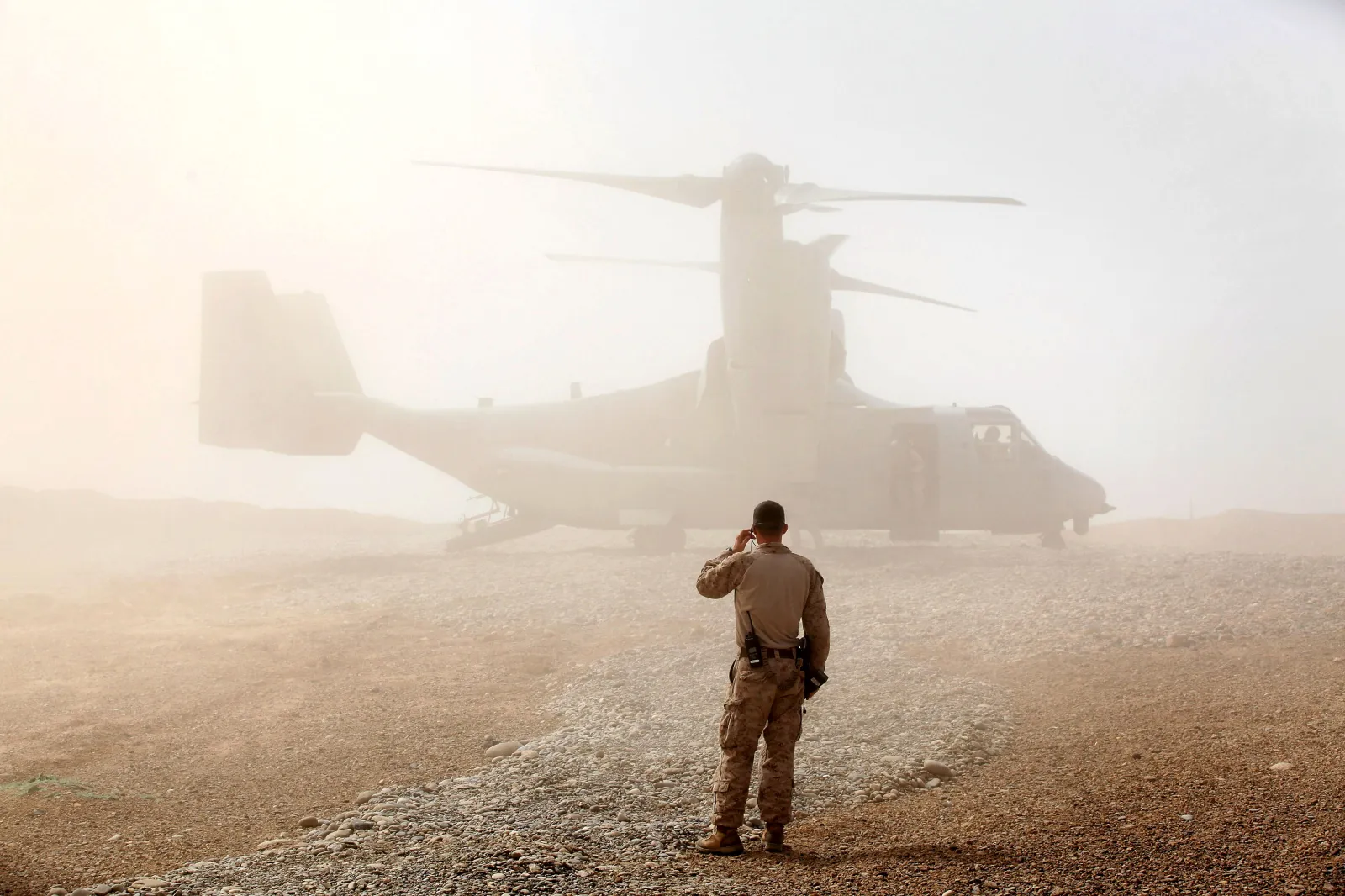
布什及其团队开展了全方位的外交努力,以争取该地区阿拉伯国家、欧洲盟友以及莫斯科和北京的支持。尽管布什对联合国持怀疑态度,但他仍寻求多项联合国决议,谴责伊拉克的入侵,实施广泛的经济制裁,并在必要时授权使用武力。与此同时,他向美国人民阐述了立场,最终大多数美国人批准了他对危机的处理方式。尽管布什认为作为总司令他有权在未获国会批准的情况下动用军队,但他仍寻求并获得了国会山的支持。
Bush and his team engaged in a full-court diplomatic effort to build support from Arab states in the region, from European allies, and from Moscow and Beijing. Although skeptical of the United Nations, Bush nonetheless sought a variety of UN resolutions that condemned Iraq’s invasion, imposed sweeping economic sanctions, and authorized the use of force if necessary. Simultaneously, he built the case with the American people, a large majority of whom ultimately approved of his handling of the crisis. And although Bush believed he had the authority as commander in chief to commit military forces without congressional approval, he sought and received Capitol Hill’s support.
其次,尽管从纯军事层面来看美国完全有能力单独行动,但布什及其政府仍意识到组建国际联盟的重要性。这一举措既是为了获取行动的合法性,也是为了传递某种信号。萨达姆的入侵为美国提供了一个契机,去塑造政府内部部分人士所设想的“新世界秩序”——即侵略行为将遭到国际社会的集体抵制;各大国能够超越意识形态差异携手合作;联合国与国际法也能发挥关键作用而非被漠视。
Second, Bush and his administration recognized the value of building an international coalition, even if the United States had the firepower to go it alone in strictly military terms. This was partly about legitimacy, partly about the chance to send a message. Saddam’s invasion presented an opportunity to shape what some in the administration thought of as a “new world order,” one in which aggression would be met with collective action; major powers would come together despite their ideological differences; and the United Nations and international law would play a critical role rather than be ignored.
布什凭借自己长期从政所积累的良好人际关系,赢得了众多国家领导人的支持:从德国总理赫尔穆特·科尔、法国总统弗朗索瓦·密特朗,到沙特阿拉伯国王法赫德、埃及总统胡斯尼·穆巴拉克,乃至苏联领导人米哈伊尔·戈尔巴乔夫。作为国务卿,詹姆斯·贝克也积极开展穿梭外交,足迹遍布全球,为联盟的组建作出了贡献。
Bush leveraged the strong personal relationships he had developed over his long career in public service, gaining the support of everyone from Germany’s Chancellor Helmut Kohl and France’s President François Mitterrand, to Saudi Arabia’s King Fahd and Egypt’s President Hosni Mubarak, to Soviet leader Mikhail Gorbachev. As secretary of state, Baker also embarked on a campaign of shuttle diplomacy that took him across the globe, adding to the coalition.
最终,美国不仅获得了国际社会的广泛支持,这场战争的大部分开支也由其他国家承担。最终集结起来的联军规模堪称二战以来之最——共有来自36个国家的75万名士兵,其中54万为美军。尤为关键的是,这支联军中还包括由沙特阿拉伯、科威特、埃及、叙利亚、卡塔尔、阿联酋、阿曼和巴林等国军队组成的阿拉伯联军。
In the end, the United States did not simply get the support of the international community. Much of the costs of the conflict were borne by others. The allied force ultimately assembled—750,000 troops from 36 countries, including 540,000 Americans—was the largest since World War II. It included, critically, an Arab coalition with forces from Saudi Arabia, Kuwait, Egypt, Syria, Qatar, the United Arab Emirates, Oman, and Bahrain.
虽然协调如此庞大的联盟实属不易,英国首相温斯顿·丘吉尔曾戏言:“比与盟友并肩作战更糟糕的事,就是没有盟友可依靠。”但布什深知,国际社会的支持不仅能赋予军事行动合法性,还能维护地区稳定。这一举措也向萨达姆及全世界传递了明确信号。
The coalition was challenging to manage; British Prime Minister Winston Churchill once quipped that “there is only one thing worse than fighting with allies, and that is fighting without them.”But Bush understood that international support brought operational legitimacy and regional stability. It sent a message to Saddam and to the world.
第三,布什及其顾问们致力于设定明确的目标与任务,并确保政治与军事层面保持协调一致。在政治上,目的是维护国际法并恢复地区和平;军事目标则服务于这些政治目的。联军的任务是将伊拉克军队赶出科威特。在此过程中,他们力求尽量减少己方伤亡、维系联盟关系并缩短战争持续时间。美国领导人从一开始就态度明确:不会向巴格达进军,也不会与伊拉克军队陷入长期对峙。要击败敌人,就必须占领其视若珍宝的阵地并牢牢掌控它。
Third, Bush and his advisers were intent on establishing clear goals and objectives, with political and military dimensions aligned. Politically, the purpose was to uphold international law and restore peace in the region. The military objectives supported those political objectives. The coalition would drive Iraqi forces out of Kuwait. But in doing so, it would attempt to minimize friendly casualties, maintain the alliance, and limit the duration of the war. U.S. leaders were clear from the beginning: there would be no push to Baghdad or protracted engagement with the Iraqi army. To defeat the enemy, you must stand on the ground he holds dear and own it.
即便目标如此有限,无论是文职领导层还是军方高层都深知:取得成功绝非易事,也必然要付出代价。要将占据有利地形的顽强敌人驱逐出去,就需要动用压倒性的火力并坚决实施地面作战。正如克劳塞维茨所言,防御方往往比进攻方更具优势——防御方只需固守阵地即可,而进攻方则必须迫使敌人屈服。他认为,唯有依靠压倒性的火力才能克服防御方的天然优势。
Yet even with these limited objectives, neither civilian nor military leaders were under the illusion that success would be easy or cost-free. Driving out a determined enemy that owns the terrain requires overwhelming firepower and a willingness to commit to ground operations. As Carl von Clausewitz stressed in , the defense is stronger than the offense, since the defense has only to preserve and protect, while the offense must impose its will on the enemy. He argues that the only way to overcome the inherent strength of the defense is through overwhelming firepower.
伊拉克军队早已做好保卫科威特阵地的准备:他们熟悉地形、地理条件对他们有利,而且经过八年对伊战争的历练,他们已是一支经验丰富的作战力量。不过,切尼、鲍威尔和施瓦茨科普夫深谙战争规律。他们设定了清晰的目标,在关键区域集中部署美军火力,对次要区域则甘愿承担一定风险,并随时准备灵活应对敌军。更重要的是,他们决心在达成目标后即刻撤军,绝不让战争无休止地拖延下去。
The Iraqis were prepared to defend the ground they had taken in Kuwait; they owned the terrain, the geography was in their favor, and they had an experienced fighting force after eight years in combat against the Iranians. But Cheney, Powell, and Schwarzkopf understood the principles of war. They had a clearly defined objective. They massed U.S. firepower in the most important areas, accepted risk in less important ones, and were prepared to maneuver against the enemy. And they were committed to leaving when the objectives were reached, not allowing the war to go on too long.
要实现这些目标,就必须派遣大量地面部队。美国军方及文职领导人都清楚,仅靠空中力量是无法击败伊拉克军队的。切尼早先曾指出:“从历史经验来看,单纯依靠空袭很难取得显著成效。”鲍威尔也持相同观点:“要想进一步遏制伊拉克对沙特阿拉伯的威胁,就必须派遣美军进驻地面……这将引发一场大规模冲突,而且绝大多数美军都将长期投入战斗,绝非一两天就能结束。”
To accomplish these goals meant putting troops on the ground—a lot of troops. U.S. military and civilian leaders understood that defeating the Iraqis would take more than just airpower. Early on, Cheney observed, “The history of air campaigns suggests they are not terribly successful.”Powell agreed: “To further deter Iraqi action with Saudi Arabia would require U.S. forces on the ground. . . . It would mean a major confrontation. Most U.S. forces would be committed to sustain not just for one or two days.”
在四十余年的军旅生涯中,我深刻体会到一个道理:要想战胜敌人,就必须占领其视为生命线的领土并牢牢掌控它。正因如此,亚历山大大帝才挥师入侵波斯,征服者威廉才渡海攻占英格兰,成吉思汗率军挺进中国,谢尔曼将军一路进军至亚特兰大,盟军才得以在诺曼底登陆,美国也才能顺利进驻科威特。(也正因如此,如今以色列军队才会进驻加沙和黎巴嫩;而俄罗斯人除非占领基辅,否则永远无法取得胜利。)
If I have learned one important lesson in over four decades of military service, it’s that to defeat the enemy, you must stand on the ground he holds dear and own it. It is why Alexander invaded Persia, William the Conqueror crossed the channel to England, Genghis Khan rode into China, Sherman marched to Atlanta, the Allies landed at Normandy, and the United States rolled into Kuwait. (It is why today the Israelis are in Gaza and Lebanon and why the Russians will never be victorious until they hold Kyiv.)
不过正如切尼所警告的那样:“只有做好坚持到底的准备,我们才应发动这场战争……问题在于美国民众对战争的容忍度可能相当有限。”1991年1月17日凌晨2点38分,以军方空袭拉开了“沙漠风暴行动”的序幕。经过43天的空中打击以及100小时的地面作战后,华盛顿设定的政治与军事目标终于实现:伊拉克军队被逐出科威特,绝大多数美军也随即踏上归途。
But as Cheney cautioned, “We should start this only if we are prepared to see it through. . . . The problem is the American people might have a short tolerance for war.”Operation Desert Storm began with air attacks at 2:38 AM Baghdad time on January 17, 1991. After 43 days of air operations and 100 hours of ground operations, Washington’s political and military objectives had been achieved. The Iraqi army was ousted from Kuwait, and most American forces were soon on their way home.
“我们在做一件正当且有益的事,”布什在日记中写道,“越南问题很快就会成为过去。”教训未被汲取“沙漠风暴”行动本应成为一次重要的转折点,但结果却并非如此。这次行动本是汲取经验教训的良机——让我们明白如何有效运用武力,以及军事力量能实现什么、无法实现什么。然而,它反而引发了一种胜利狂热。当我从“沙漠风暴”行动归来时——我曾指挥一支特种作战特遣队——那种喜悦之情溢于言表:我们再次成为胜利者。
“We’re doing something decent and we’re doing something good,” Bush wrote in his diary. “Vietnam will soon be behind us.”LESSONS UNLEARNED Desert Storm was a reset, but not in the way it should have been. It presented an opportunity to internalize lessons about how to use force effectively and about what military power could and could not achieve. Instead, it spurred a wave of triumphalism. When I returned from Desert Storm, where I’d led a special operations task force, the euphoria was palpable: we were winners again.
这场胜利令人陶醉,也让我们重新陷入一种错误认知:我们的军事实力几乎可以随心所欲地塑造世界格局。
The victory proved intoxicating, drawing us back into the false belief that our power could do almost anything to shape the world to our liking.
更助长这种狂喜情绪的,是当时在伊拉克战场上大显身威的各项技术。精确制导武器能从两万英尺的高空将500磅重的炸弹精准投送到移动目标上;战斧巡航导弹可从数百英里外的舰船或潜艇上发射。GPS卫星能引导步兵部队在夜间穿越平坦的沙漠并抵达指定地点;联合监视目标攻击雷达系统则能实时追踪伊拉克军队的动向。
Adding to this euphoria was the technology that had been on display against Iraq. Precision-guided munitions could put a 500-pound bomb on a moving target from 20,000 feet in the air. Tomahawk cruise missiles could be launched from ships and submarines hundreds of miles away. A GPS satellite could guide an infantry battalion across a flat desert at night and get it to exactly the right destination, and the joint surveillance target attack radar system could see the Iraqi army as it maneuvered.
数字化指挥控制系统则能提供计算机化的空中任务指令、安全的卫星通信以及数字化规划工具。历史上从未有任何军队能像我们在“沙漠风暴”行动中那样精准掌控战场。基于这一成功经验推动军事变革、提升美军的作战能力本是顺理成章之举。然而,这次经历也催生了一种普遍观点:技术能够克服战争中固有的阻力、成本与风险。
Digital command and control systems could provide computerized air-tasking orders, secure satellite communications, and digital planning tools. No military in history had ever commanded the battlespace as precisely as we did during Desert Storm. It made sense to build on this success to spur a revolution in military affairs that would improve the way the United States fought. But the experience also fueled a widespread belief that technology could overcome the inherent frictions, costs, and risk of war.
20世纪90年代,受“沙漠风暴行动”带来的信心以及冷战后世界的美好愿景驱使,美国军事行动的主要目标在于维护国际规范并减少人道主义灾难——其中有些行动取得了成功(如波斯尼亚和科索沃行动),有些则收效甚微(如索马里行动)。然而,9·11事件之后,美国未能从海湾战争中汲取正确教训的问题便愈发凸显:人们始终未能认清美国军事实力的局限性,也不清楚军队究竟能实现什么、不能实现什么。
In the 1990s, U.S. military missions, in line with the confidence that followed Desert Storm and the hopes of the post–Cold War world, were focused on supporting norms and containing humanitarian harms—some successful (Bosnia and Kosovo), some less so (Somalia). But it was after 9/11 that the failure to learn the right lessons from the Gulf War became especially clear, with a persistent misunderstanding of the limits of American power and what the military could and couldn’t achieve.
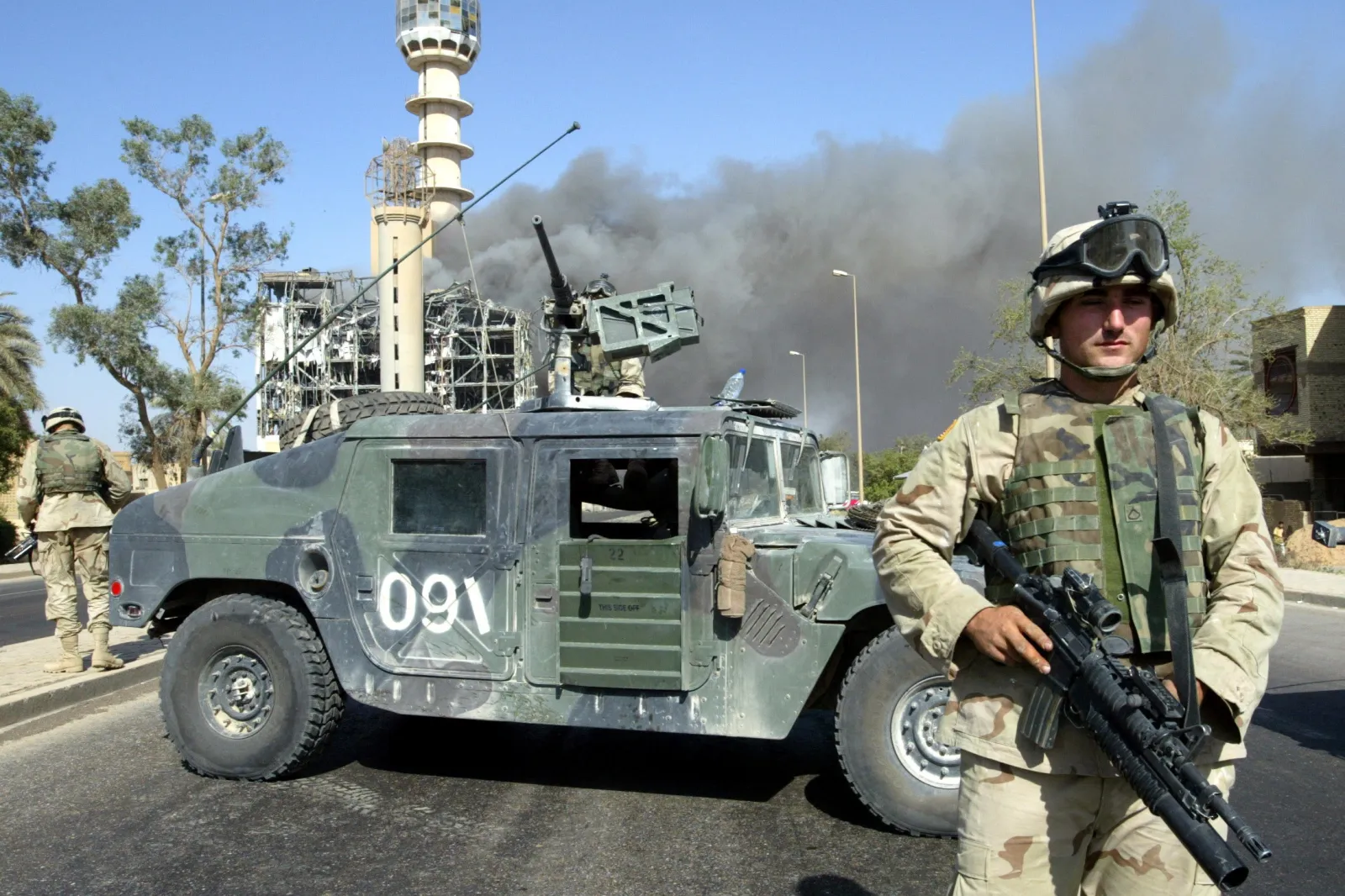
阿富汗战争起初的出发点无可厚非,但后来却演变为一场目标不断变动、军事与政治目标相互脱节、且塔利班武装凭借本土优势顽强抵抗的持久战。即便后来通过特种作战行动成功击毙“基地”组织头目奥萨马·本·拉登,美国在阿富汗的目标与任务依然反复变动。一如既往,美军的强大之处就在于其士兵:他们勇敢无畏、纪律严明且精通现代技术。
The war in Afghanistan began with the right intentions but devolved into a protracted fight with shifting goals, misaligned military and political objectives, and a determined Taliban force fighting on its home ground. Even after the special operations mission that killed the al-Qaeda leader Osama bin Laden, the goals and objectives in Afghanistan kept shifting. As always, the strength of the military was our troops: they were courageous, disciplined, technologically savvy.
我们固然犯过错误,但绝不缺乏战斗意志与战术上的成功。在战争的大部分时期,民众对战争的支持率也一直居高不下。然而我们却错误地以为,能够迅速取胜的战术同样适用于打击叛乱、开展反恐行动以及重建国家这些复杂任务。为避免给人留下我批评美国战略时过于自命清高的印象,在此必须说明:作为曾在阿富汗作战的指挥官,我也曾陷入同样的误区——以为增加兵力、武器与资金就能解决诸多棘手难题。事实并非如此。
We made mistakes, but there was no lack of fighting spirit or tactical successes. Even public support remained strong throughout most of the war. But we faltered by assuming that the quick victory could extend to the complex task of fighting an insurgency, conducting counterterrorism operations, and building a nation. Lest I appear too righteous in my critique of American strategy, make no mistake: as a combat leader in Afghanistan, I fell into the same trap of believing that more troops, more weapons, and more money could solve some of the most intractable problems. They could not.
伊拉克战争起初的出兵理由就站不住脚,后来也演变成了一次兵力不足、联盟规模狭小且行动时间表不断变动的反叛乱与反恐行动。我们的士兵们再次不负众望,表现卓越,但我们的领导人却屡次无视战争的基本原则。我们所谓的道义制高点建立在不可靠的情报基础之上,国际社会的支持也极为有限;我们的目标也从推翻萨达姆转变为试图在伊拉克建立西式民主制度。
The Iraq war, based on a far shakier case at the outset, also degenerated into a counterinsurgency and counterterrorism mission with insufficient forces, a small coalition, and an evolving timeline. Once again, our troops were everything the American people could have hoped for, but our leaders repeatedly disregarded the fundamental principles of war. Our claim to the moral high ground was based on flawed intelligence, our international support was limited, and our goals shifted from removing Saddam to trying to build a Western-style democracy.
我们或许是怀着崇高的意图进入伊拉克和阿富汗的,从长远来看,我们试图播下的自由种子或许终会生根发芽。但迄今为止,我们付出的代价极其惨重——军队、士兵、国内民众以及我国的国际信誉都遭受了巨大损失。
We may have entered Iraq and Afghanistan with noble intentions, and perhaps in the long term the seeds of freedom we tried to plant will take root. But so far, minimal gains have come at immense cost to our military and our troops, our home front, and our international legitimacy.
几乎不可战胜——然而,即便有过上述种种教训——特朗普政府中不少核心成员都曾亲身经历过这些战争——今年初在对待伊朗问题上,这些教训也未能起到警示作用。必须明确指出:伊朗政权极其可恶。它造成了数百名美军士兵丧生;它威胁周边国家,利用代理人攻击我们的盟友,还杀害了数以万计本国民众。
VIRTUALLY INVINCIBLE Yet even these recent experiences—which several key members of the Trump administration witnessed firsthand in their own military service—did little to instill caution when it came to Iran earlier this year. To be clear, the Iranian regime is despicable. It is responsible for the death of hundreds of American troops. It threatens its neighbors, uses proxies to attack our allies, and has killed tens of thousands of its own people.
鉴于阿萨德政权在叙利亚的垮台、哈马斯在加沙的势力被摧毁、真主党在黎巴嫩被削弱,以及伊朗最高领袖本身的权力被削弱,人们很容易理解试图改变伊朗政权的诱惑所在。更何况,在美国军方以惊人的速度、致命性和勇气克服极其复杂的防御,成功捕获委内瑞拉总统尼古拉斯·马杜罗之后,美国政策制定者再次轻易地认为,我们的技术实力以及士兵的勇气和经验使我们几乎不可战胜。
Given the fall of the Assad government in Syria, the destruction of Hamas’s power in Gaza, the crippling of Hezbollah in Lebanon, and a weakened supreme leader in Iran itself, it is easy to appreciate the allure of trying to change the Iranian regime. What’s more, coming off the dramatic capture of President Nicolás Maduro in Venezuela, where the U.S. military exercised remarkable speed, lethality, and courage to overcome a very sophisticated defense, it was all too easy for U.S. policymakers to assume once again that the power of our technology and the courage and experience of our soldiers made us virtually invincible.
但自1979年以来,没有哪位美国总统尝试改变伊朗政权,这背后有原因,且与决心或政治意愿关系不大。合法性、联盟建设和地理环境的挑战;敌方的意志;以及必须在地面部署美军才能实现如此宏大目标的现实,都对其形成了制约。
But there is a reason no U.S. president has attempted to change the regime in Iran since 1979, and it has little to do with determination or political will. The challenges of legitimacy, coalition building, and geography; the will of the enemy; and the reality that it would be necessary to put American boots on the ground to achieve such an ambitious end all argued against it.
从伊朗战争伊始,就没有尝试争取国际合法性。战争于2月28日以美以联手的空袭拉开序幕。更糟的是,一次早期空袭失误,击中了伊朗一所小学,导致120名学生死亡。战争中会有错误,但不承认我们的失误加剧了非法性和报复性的感受,失去了我们可能拥有的任何道德制高点。特朗普政府未通知任何美国盟友即将发动空袭,尤其是邻近的阿拉伯国家,导致从一开始就缺乏地区信任。
From the start of the Iran war, there was no attempt to build international legitimacy. It began on February 28 with a U.S.-Israeli strike. To make matters worse, an early airstrike went awry and hit an Iranian elementary school, resulting in the deaths of 120 students. Mistakes happen in war, but not acknowledging our error added to the sense of illegitimacy and vindictiveness, losing whatever moral high ground we might have had. The Trump administration failed to notify any U.S. allies of the impending strike, most notably neighboring Arab states, which resulted in a lack of regional trust from the outset.
随后,当总统寻求盟友支持打开霍尔木兹海峡时,却遭到国际冷遇。这一拒绝并不令人惊讶:特朗普对欧洲领导人一向尖刻。永远不要低估敌人的作战意志。
Later, when the president sought allied support to open the Strait of Hormuz, he was met with an international cold shoulder. This refusal came as no surprise: Trump had been notoriously caustic with European leaders. Never underestimate the enemy’s will to fight.
目标从来没有清晰的共识。政府起初表示希望实现政权更迭,但特朗普后来对记者说,他从未在乎过政权更迭。政府声称必须抢先阻止伊朗迫在眉睫的核武器,但当被追问时,特朗普后来又将此类担忧视为无足轻重,称伊朗所剩无几,只剩下“核尘埃”。在伊朗封锁海峡、重新开放航运成为军事战略和外交首要焦点之后,特朗普告诉世界,这无关紧要,因为美国不需要那里的石油。
There was never a clear understanding of the goals. The administration at first said it wanted regime change. But later Trump told reporters that he never cared about regime change. The administration claimed the urgency of preempting an imminent Iranian nuclear weapon. But when pressed, Trump later dismissed such concerns as inconsequential, since there was little left in Iran but “nuclear dust.”After Iran closed the strait, and reopening it to shipping became the primary focus of both military strategy and diplomacy, Trump told the world that it mattered little since the United States didn’t need the oil.
目标似乎每天都在变化。我毫不怀疑,美国军事规划者深知空中力量在实现美国对伊朗目标方面的局限性;这本应向白宫发出信号:除非军队计划入侵伊朗,否则胜利不太可能。
The objectives seemed to change by the day. I have no doubt that American military planners understood the limits of airpower when it came to achieving U.S. aims in Iran; this should have been a signal to the White House that unless the military planned to invade Iran, victory was unlikely.
地理始终是一个限制因素。在我近40年的军事生涯中,其中大部分时间在中东度过,我遇到的每一位将军或海军上将在谈到伊朗时都会提到霍尔木兹海峡。那是伊朗人的大规模杀伤性武器,是他们抵御入侵的堡垒,无论什么局面都是他们的王牌。此外,伊朗领导层处于防守方的位置:他们只需保护自己就能获胜。而他们确实这样做了。到这个地步,美国军队极有可能永远不会站在他们珍视的土地上,并将其据为己有。
Geography was always going to be a limiting factor. In my almost 40 years of military service, much of that time in the Middle East, no general or admiral I ever met talked about Iran without talking about the Strait of Hormuz. It was the Iranians’ weapon of mass destruction, their bulwark against invasion, their ace in the hole no matter the game. Additionally, the Iranian leadership was in the position of the defenders: they only had to preserve and protect themselves to win. And protect they have. At this point, it is highly unlikely the U.S. military will ever stand on the ground they hold dear and call it our own.
美国的战争还受到敌方意志的限制。从1980年到1988年,伊朗和伊拉克进行了一场惨烈的战争,导致数十万伊朗人丧生。从这场战争一开始就应当清楚,伊朗人会战斗,而且会奋力战斗。伊朗的狂热分子控制着叙事,他们正为生存而战。
The U.S. war was also limited by the will of the enemy. From 1980 to 1988, Iran and Iraq fought a vicious war claiming the lives of hundreds of thousands of Iranians. It should have been clear from the beginning of this war that the Iranians would fight and fight hard. The zealots in Iran control the narrative, and they are battling for their survival.
权力的局限 如此严重地未能认识和欣赏权力的局限,并非美国历史或更广泛的军事史上的新现象。随着每一次军事技术革命,从骑兵到机械化部队,从单发步枪到加特林机枪,从螺旋桨飞机到喷气式飞机,领导人都急于相信自己可以消除战争的基本性质。随着我们在全球投射力量的能力变得更加强大,我们都急于相信地理不再重要。
THE LIMITS OF POWER Such a grave failure to recognize and appreciate the limits of power is not a new phenomenon in American history, or in military history more broadly. With every revolution in military technology, from mounted cavalry to motorized units, from the single-shot musket to the Gatling gun, from propeller-driven aircraft to jets, leaders desperately want to believe that they can wish away the basic nature of war. As our ability to project power around the globe becomes more formidable, we desperately want to believe that geography is no longer important.
随着新媒体让我们看到对手民众中的全国性愤怒,我们都急于相信可以以很少的风险或承诺推动变革。随着人工智能加快战术决策,我们都急于相信军事经验的教训可以被忽视。这些信念都是幻觉。
As new media allows us to see national outrage among an adversary’s population, we desperately want to believe that we can spur change with little risk or commitment. And as AI speeds up tactical decision-making, we desperately want to believe that the lessons of military experience can be disregarded. These beliefs are illusions.
更令人担忧的是,美国目前存在若干结构性趋势,这些趋势表明无论当下伊朗战争的教训多么深刻,问题只会愈演愈烈而非有所改善。首先便是总统领导方式日益个人化的趋势——在这种模式下,对领导人的忠诚远比对制度的忠诚更为重要。那些本应为总统提供最佳军事、外交、经济或情报建议的机构,若由对领导人唯命是从的人掌控,那么这些建议便有可能在有意或无意间被扭曲,以迎合总统的意愿。
More concerning, however, is that there are several structural trends in the United States that suggest the problem will get worse rather than better, no matter how vivid the lessons of the Iran war may seem at the moment. The first is the trend toward more personalistic presidential leadership, in which loyalty to the leader becomes more important than loyalty to institutions. When institutions designed to provide a president with the best military, diplomatic, economic, or intelligence advice are led by loyalists, there is a risk that advice will be shaded, inadvertently or intentionally, to reflect the president’s desires.
这无疑是灾难的温床。无论总统个人对某一问题的立场如何,他都需要听到毫无修饰的真相以及最优质的建议。权力日益向行政部门集中的现象已持续多届政府,尽管国会偶尔会发出反对声音,但几乎没有迹象表明这一趋势会有所改变。在这方面,特朗普或许是个极为典型的例子,但他不太可能是最后一位受到此类诱惑且几乎不受任何约束的总统。
This is a recipe for disaster. A leader needs the unvarnished truth, the best advice possible, regardless of his or her personal position on the issue. The growing concentration of power in the executive branch has unfolded over several administrations, and despite occasional noise from Congress, there is little sign this will change. Here, too, Trump may be a particularly flagrant example, but he’s unlikely to be the last president susceptible to such temptations and operating with few constraints.
个人主义式的总统领导方式所带来的危险,因军队领导层日益政治化而进一步加剧。国防部长皮特·赫格塞斯(Pete Hegseth)对军队高层的持续清洗,将在未来多年内破坏文职部门与军方之间的合作关系。特朗普和赫格塞斯几乎驱逐了所有军种的高级军官,其中包括参谋长联席会议主席、海军作战部长以及陆军参谋长。
The dangers of personalistic presidential leadership are severely exacerbated by more politicized leadership in the military. Defense Secretary Pete Hegseth’s ongoing purge of military leadership will undermine the civil-military dynamic for years to come. Trump and Hegseth have forced out senior officers across nearly every service, including the chairman of the Joint Chiefs of Staff, the chief of naval operations, and the army chief of staff.
赫格塞斯以前所未有的方式干预军官的晋升过程,亲自将数十名军官从晋升名单中剔除,且往往不给出任何解释(尽管被清除的军官中,有很大一部分曾支持那些被视为特朗普国内政治障碍的领导人)。虽然留下来的军官们仍会致力于忠诚地履行职责,并为五角大楼和白宫的文职领导层提供最佳建议,但这种清洗行为必然会削弱高级军官们提出坦率意见的意愿和能力,尤其是在涉及军事力量的使用范围及局限性等问题上。
Hegseth has intervened to block career advancement in unprecedented ways, personally removing dozens of officers from promotion lists, often with no explanation (although a disproportionate number seem to have worked for leaders who were viewed as obstacles to Trump’s domestic political goals). While remaining military leaders will largely stay committed to serving honorably and providing their best advice to civilian leaders in the Pentagon and the White House, this purge is bound to have a chilling effect on the willingness and ability of senior officers to give frank counsel, especially when it comes to the costs and limits of what force can achieve.
此外,从人工智能、无人驾驶武器到机器人技术,再到网络和太空系统等新技术的迅速发展,使得人们更容易忽视战争的基本规律。技术无疑是战争形态的重要影响因素,所有军队都应追求更高的杀伤力、更强的生存能力以及更强的战场感知能力。然而,这些技术虽然必不可少,却不足以弥补那些导致我们卷入冲突的错误政策所带来的负面影响。领导者必须认清技术的本质:它只是一种工具,可以提升军事力量的运用效率,但无法弥补那些错误政策的危害。
And finally, the rapid introduction of new technologies, from AI and unmanned vehicles to robotics, cyber- and space-based systems, will once again make it all too easy to wish away the fundamentals of war. Technology will always be an important factor in how wars are fought, and every military must seek greater lethality, survivability, and situational awareness. But although these capabilities are necessary, they are not sufficient to overcome the basic principles of war. Leaders must understand technology for what it is—an enabler. It can improve the application of military power, but it cannot compensate for misguided policies that draw us into conflict in the first place.
天下之力 当今美国军队是世界历史上最精良、最专业的武装力量——是的,世界历史上最精良、最专业的武装力量。但这并不意味着我们可以无视自身力量的局限。
ALL THE POWER IN THE WORLD Today’s U.S. military is the finest, most professional armed force in the history of the world—yes, the history of the world. But that doesn’t mean we can disregard the limits of our power.
我们将受到道德不确定性的限制。如果一场冲突的理由存疑,甚至更糟,那么建立联盟、激励部队、维持民众支持以及削弱敌方意志都将面临挑战。此类失败解释了为何希腊人在萨拉米斯击败波斯人,英国人在格拉维林斯击败西班牙人,乔治·华盛顿击败英国人,俄罗斯人在斯大林格勒击败德国人,越南人击败法国人和美国人,以及乌克兰人今天正在击败俄罗斯人。虽然道德高地不能保证军事胜利,但它是成功赖以建立的基础。
We will be limited by moral uncertainty. If the reasons for a conflict are dubious or worse, it will prove challenging to build a coalition, motivate troops, maintain civilian support, and undermine the will of the enemy. Such failures explain why the Greeks defeated the Persians at Salamis, the English defeated the Spanish at Gravelines, George Washington defeated the British, the Russians defeated the Germans at Stalingrad, the Vietnamese defeated the French and the Americans, and the Ukrainians are defeating the Russians today. Although the moral high ground does not guarantee military victory, it is a foundation on which success rests.
我们将受到地理的限制。无论技术多么先进,地理始终是决定任何交战结果的关键因素。每一位军事领导人都知道,地形决定敌人将如何作战、将部队部署在何处、如何为部队补给。正是海洋和河流为推进的部队提供了天然屏障,而地形和水道将限制进攻部队的机动、占领阵地、补给和投射力量的能力。霍尔木兹海峡和曼德海峡所面临的挑战,与英吉利海峡、莱茵河或伏尔加河所面临的挑战相同。
We will be limited by geography. No matter the advances in technology, geography will always be a critical factor in determining the outcome of any engagement. Every military leader knows that the terrain dictates how the enemy will fight, where he will position his forces, how he will supply his troops. It is the oceans and the rivers that provide natural barriers to an advancing force, and the terrain and the waterways that will limit the ability of the attacking force to maneuver, hold ground, resupply, and project power. The Strait of Hormuz and the Bab el Mandeb Strait present the same challenges as the English Channel, the Rhine, or the Volga.
我们将受到敌方意志的限制。每个群体中都有一个“沉睡的巨人”,它将从沉睡中醒来,出于正义感、生存欲望或两者兼而有之,奋力抵抗。入侵者、侵略者和先发制人者都会引起他们试图安抚的群体的本能反应。永远不要低估敌人的战斗意志——这是我们一次又一次犯下的错误。
We will be limited by the will of the enemy. There is a “sleeping giant” in every population that will rise from its slumber and fight hard, driven by a sense of righteousness, a desire for survival, or both. Invaders, aggressors, and first strikers all elicit a visceral response from the population they seek to mollify. Never underestimate the enemy’s will to fight—a mistake we have made again and again.
我们将受制于不愿派遣地面部队的犹豫。没有美国人愿意在异国战场上失去我们的年轻男女,但有时为实现更大的善,这是必要的。第一次世界大战期间,超过两百万名“步兵”部署到欧洲。第二次世界大战期间,超过五百万名“吉”们与纳粹作战,并逐岛推进至日本。在这两种情况下,人类因他们的牺牲而受益。当然,如果对我们是否占据道德高地存在任何疑问,领导人将不敢全力投入。在这种犹豫中,就有了失败。
We will be limited by our hesitancy to put troops on the ground. No American wants to lose our young men and women on a foreign battlefield, but sometimes it is necessary to achieve the greater good. During World War I, over two million young doughboys deployed to Europe. During World War II, over five million GIs fought the Nazis and island-hopped to Japan. In both cases, mankind was better for their sacrifice. Of course, if there is any doubt about whether we own the moral high ground, leaders will be hesitant to fully commit. In that hesitation comes defeat.
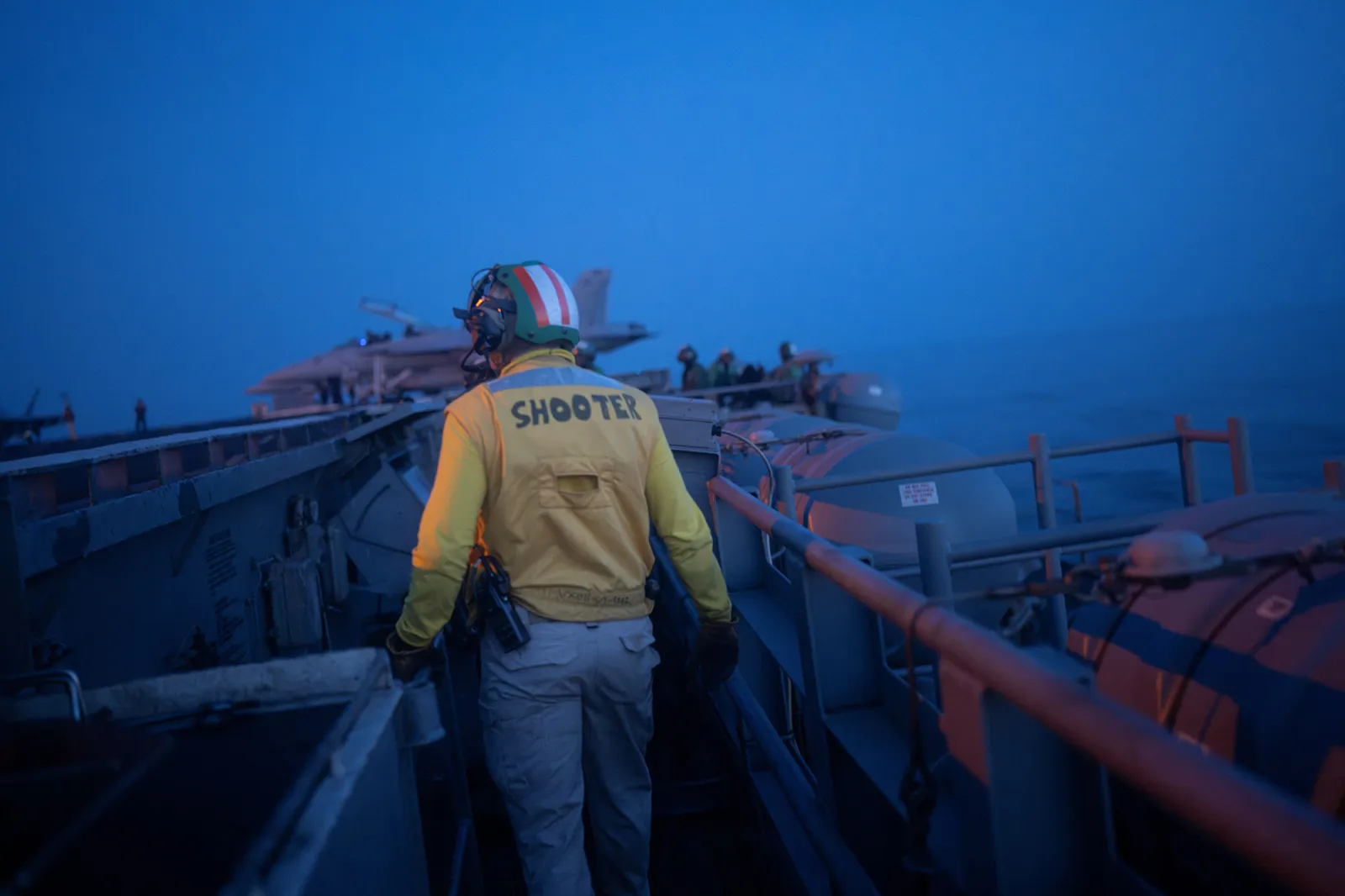
我们将受制于时间。这并非美国独有的局限,但我们似乎比大多数国家更深受其害。有人说,俄罗斯人宁可吃草也不投降。美国的名声是,迟早我们会对战斗感到厌倦并离开。这种名声很大程度上源于这样一个现实:我们的民主制度需要公众支持才能维持长期的参与。即使有充分理由派遣我们的年轻男女参战,流血和花费的代价也可能很快超过我们对战斗必要性的集体认同。
We will be limited by time. This is not a uniquely American limitation, but we seem to suffer from it more than most countries. It has been said that the Russians will eat grass before they capitulate. The United States’ reputation is that sooner rather than later, we will tire of the fight and leave. Much of this reputation stems from the reality that our democracy demands public support to sustain a long engagement. Even with a compelling reason to send our young men and women into battle, the cost in blood and treasure can soon outweigh our collective sense of the necessity of the fight.
最后,我们将受制于政治和军事领导层的质量。没有经验丰富的领导人——那些理解建立合法性、建立联盟、制定明确且可实现的目标、全力投入任务、将战斗持续时间限制在必要范围内的领导人——世界上所有的力量都将无关紧要。
Finally, we will be limited by the quality of our leadership, political and military. Without experienced leaders—leaders who understand the need to establish legitimacy, to build coalitions, to have clear and attainable goals, to commit to the task, to limit the duration of the fight to only what is necessary—all the power in the world will be irrelevant.