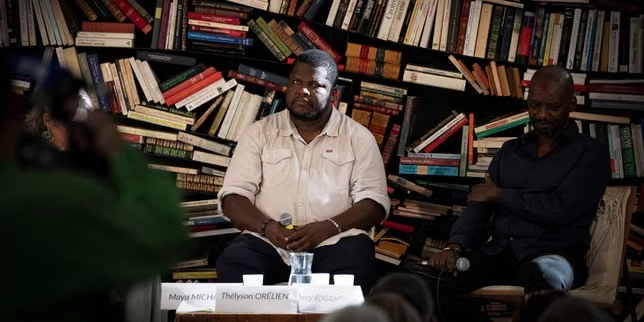
畅销海裔加拿大作家泰利松·奥雷利安的出版商周三表示,已确认他使用人工智能辅助创作了小说《要么这样,要么去死》。
The publisher of top-selling Haitian-Canadian writer Thélyson Orélien said Wednesday it had confirmed that he used artificial intelligence to help write his novel C'était ça ou mourir (It Was Either That or Die).
奥雷利安此前否认了他在成名作中使用AI的指控,上周加拿大出版商博雷亚尔出版社曾表示支持这位38岁的作家。但周三,博雷亚尔出版社称已对指控进行了进一步调查。
Orélien has denied allegations that he used AI on his breakthrough novel and, last week, Canadian publisher Boréal said it was standing by the 38-year-old writer. But on Wednesday, Boréal said it had conducted a further investigation into the allegations.
博雷亚尔出版社在一份声明中说:“过去几天确认的新信息表明,人工智能被用于该小说的写作过程。”出版商宣布将“终止与奥雷利安的专业合作关系”。博雷亚尔出版社表示,不知道AI在写作过程中被使用的程度,“我们很可能永远无法得到确切答案。”声明称,出版社收集了小说的所有工作版本,并聘请第三方分析各个草稿。“本周获得的结果显示,某些文档的元数据中发现了AI标记的痕迹,”博雷亚尔出版社补充道。
"New information, confirmed over the past few days, indicates that artificial intelligence was used in the writing process" of the novel, a Boréal statement said. The publisher announced it was "ending its professional relationship" with Orélien. Boréal said it did not know the extent of AI's use in the writing process "and we will likely never have a definitive answer." It said it gathered all the working versions of the novel and hired an outside party to analyze the various drafts. "The results obtained this week revealed traces of AI tags in the metadata of certain documents," Boréal added.
出版社表示,在进行此项分析前,曾试图与奥雷利安合作收集证据以证明其清白。该努力未能得出结论,随后奥雷利安“宣布不再提供任何进一步信息”。这部关于移民的小说原定在20多个国家翻译出版。“诽谤与异端邪说”在AI检测工具Pangram的测试显示该书包含计算机生成文本的概率为100%后,这部笼罩在嫌疑中的书被从法国最高文学奖——龚古尔奖的入围名单中撤下。
Before conducting this analysis, the publisher said it had tried to work with Orélien to gather the evidence necessary to prove his innocence. That effort was inconclusive, and Orélien "subsequently announced that he would not provide any further information," the publisher said. The novel about migration had been scheduled for translation in more than 20 countries. 'Slander and heresy' The book was shrouded in suspicion and withdrawn from the shortlist for France's top book prize, the Goncourt, after tests with AI detector Pangram indicated a 100-percent probability it contained computer-generated text.
在本月早些时候接受法新社(Agence France-Presse)采访时,奥莱利安(Orélien)将这些指控称为“诽谤和亵渎”。他在专门发给法新社的声明中表示:“在写作过程中,我确实使用了一些研究工具,尤其是用于理解外来习语的工具;但这本书中的每一句话都不是由机器生成的,每个故事的内容和结构也都是我根据自己的理解和感受来创作的。”
In a statement to Agence France-Presse earlier this month, Orélien called the allegations "slander and heresy." "Here and there I did use tools for research, particularly for foreign idioms," he said in a statement sent exclusively to AFP. "But not a single sentence in this book was created by a machine, nor the meaning or the structure of a story that comes from my gut."
周三,他再次明确了自己的立场,对法国《解放报》(Liberation)表示,自己在写作过程中确实使用了人工智能技术来进行“历史研究”。他说:“我已经向身边的人解释了一切,但目前我认为我的话没有任何说服力。”他还表示,目前所遭遇的情况“已经太过分了”。奥莱利安回忆称,自己是在2017年底开始撰写这本书的,最初是在一张桌子旁完成的初稿,总页数超过了300页——这比ChatGPT等人工智能工具的出现早了几年。
He stood firm on Wednesday, telling the French newspaper Liberation he used AI "in the creative process" for "historical research." "I've explained everything to those close to me, but at the moment I don't think my words count for anything," he said, adding that what he is currently experiencing has "gone way too far." Orélien said he started writing the book in late 2017 "on the corner of a table" and completed a first draft in 2019 of more than 300 pages, several years before the advent of AI services such as ChatGPT.
2010年,海地发生了地震,这个本就饱受贫困和动荡困扰的加勒比岛国再次遭受重创。针对其他关于抄袭的指控,奥莱利安承认自己过去在写作中确实犯过“不可接受的错误”,但并未具体说明哪些内容属于抄袭。他写道:“当时我刚满20岁,可能有些急躁,也没有充分意识到自己还有很多东西需要学习。我渴望写作,也阅读了很多作品;但仅仅因为欣赏某位作者,并不意味着我可以擅自挪用他们的作品并将其据为己有。”
The author fled his native Haiti following a 2010 earthquake that struck the Caribbean island, already ravaged by poverty and unrest. In response to separate allegations of plagiarism, Orélien admitted to making "unacceptable mistakes" in the past in his writing, without mentioning specifics. "I was just over 20, I was probably a little too impatient, without really understanding how much I still had to learn. I wanted to write, I was reading a lot," he wrote. "But admiring someone does not give you the right to take, to claim as mine texts that are not my own."