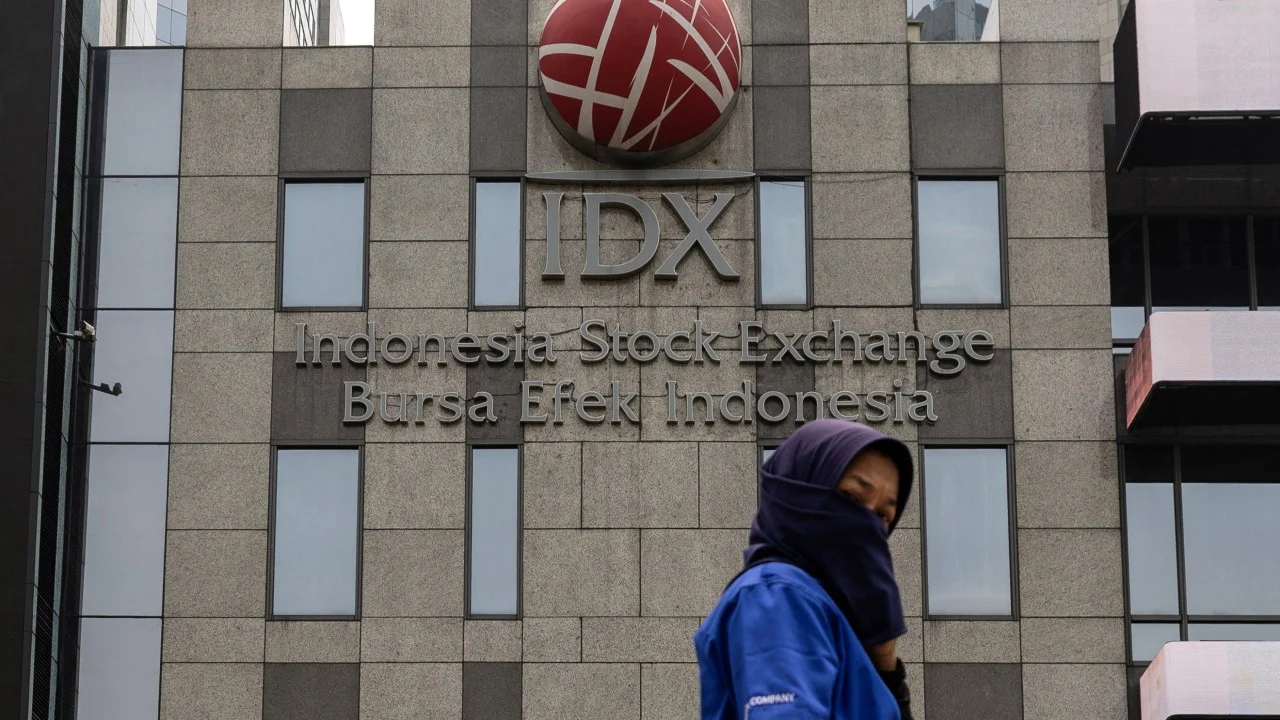
印尼股市遭遇1998年亚洲金融危机以来最严重暴跌后,总统普拉博沃·苏比安托政府转而诉诸经济民族主义以提振信心,呼吁国民团结支持遭受重创的本国股市。
In the wake of Indonesia’s worst stock-market rout since the 1998 Asian financial crisis, President Prabowo Subianto’s administration has turned to appeals to economic nationalism to shore up confidence, urging citizens to rally behind the country’s battered stock market.
政府承诺推行改革,以回应全球指数编制机构MSCI(明晟)的警告,后者称印尼可能从新兴市场降级为独立市场。
The government has promised reforms in response to warnings from global index provider MSCI that Indonesia could be downgraded from emerging-market to stand-alone-market status.
但分析人士表示,若不采取切实措施提升市场透明度和治理水平,爱国呼吁难以恢复投资者信心,反而可能让散户投资者面临更大损失。
But analysts say its patriotic appeals will do little to restore investor confidence without concrete steps to improve market transparency and governance, while potentially exposing retail investors to further losses.
雅加达综合指数(JCI)周五暴跌11%后,随后几天抛售潮延续,迫使普拉博沃在五天后的内阁会议上强硬回应市场动荡。
After the Jakarta Composite Index (JCI) plunged 11 per cent on Friday, further sell-offs followed in the ensuing days, prompting a defiant Prabowo to address the market turmoil at a cabinet meeting five days later.
“MSCI想吓唬我们,但我要对他们说:印尼不怕任何人,不会被恐吓!”
“MSCI wants to scare us, but I say to them: Indonesia fears no one and will not be intimidated!”
普拉博沃还声称,与MSCI的争端是继续困扰其政府的“障碍和阻挠”之一。“但国家拥有力量、勇气和意愿,做出必要的牺牲。”总统的强硬姿态伴随着其政府高层官员及商界盟友的呼吁,号召印尼民众支持国内股市。
Prabowo also claimed Indonesia’s dispute with MSCI was among the “hurdles and obstructions” continuing to harry his administration. “But the nation has the strength, courage and willingness to make the necessary sacrifices.”The president’s defiance was accompanied by calls from senior figures in his administration and allies in the business community for Indonesians to support the domestic stock market.
印尼众议院副议长、执政党格林德拉党高层苏夫米·达斯科·艾哈迈德周二发起“买入印尼”运动,敦促国民购买本国股票以阻止进一步下跌。
Sufmi Dasco Ahmad, deputy speaker of the House of Representatives and a senior leader in the ruling Gerindra party, launched a Buy Indonesia campaign on Tuesday, urging citizens to buy domestic shares to prevent further declines.
“通过全印尼的集体努力,我们能扭转证券交易所颓势。买入印尼!”达斯科在社交媒体上表示,重申对本地经济韧性的信心。
“Through collective pan-Indonesia efforts, we can turn our bourse around. Buy Indonesia!”Dasco said on social media, reaffirming his confidence in the resilience of the local economy.
他是10月16日股市暴跌当天最早前往雅加达证券交易所视察的官员之一。
He was among the first officials to visit the Jakarta Stock Exchange on the day of the October 16 crash.
日惹加查马达大学传播科学系讲师穆夫蒂·努尔拉蒂法(Mufti Nurlatifah)表示,虽然达斯科(Dasco)的公开呼吁试图维持对印度尼西亚经济未来的乐观态度,“但在没有向公众提供必须保持乐观的具体理由和可衡量指标的情况下,这远远不够”。
Mufti Nurlatifah, a lecturer in the Department of Communication Science at Yogyakarta’s University of Gadjah Mada, said while Dasco’s public appeal attempted to maintain optimism about Indonesia’s economic future, “it’s hardly enough without giving the public concrete reasons and measurable indicators why they should remain upbeat”.
她表示,将公民的爱国主义与盲目投资印尼股市混为一谈,将是一个严重的错误。
She said it would be a grave error to conflate citizens’ patriotism with indiscriminate investment in Indonesian stocks.
印度尼西亚富豪优素福·哈姆卡(Jusuf Hamka)最近被任命为普拉博瓦的总统顾问之一,他也于周日宣布成立一个财团,向股市注入5万亿印尼盾(合2.77亿美元),以此试图支撑市场。
Indonesian tycoon Jusuf Hamka, recently made one of Prabowo’s presidential advisers, also tried to support the market by announcing on Sunday that he was setting up a consortium to inject 5 trillion rupiah (US$277 million) into the bourse.
他声称:“我们的蓝筹股每年可以产生8%至9%的收益,高于定期存款。”
“Our blue chips can yield between 8 and 9 per cent annually, higher than term deposits,” he claimed.
哈姆卡将明晟公司(MSCI)的降级威胁形容为企图破坏印尼稳定的外国势力的“敲诈勒索”,并敦促当地企业家“挺身而出,通过购买我们的国内股票来捍卫我们的主权”。
Hamka described MSCI’s downgrade threat as a “shakedown” by a foreign force seeking to destabilise Indonesia, and urged local entrepreneurs to “step up and defend our sovereignty by buying up our domestic stocks”.
总部位于雅加达的智库经济与法律研究中心(Centre of Economic and Law Studies)执行董事比马·尤迪斯特拉·阿迪内加拉(Bhima Yudhistira Adhinegara)称,达斯科和哈姆卡发出的爱国呼吁是“具有危险误导性的”。
Bhima Yudhistira Adhinegara, executive director of Jakarta-based think tank the Centre of Economic and Law Studies, called the patriotic appeals made by Dasco and Hamka “dangerously misleading”.
他说:“如果机构投资者撤资,股价可能会进一步暴跌,这可能会让散户投资者陷入危险之中。”
“They could put retail investors in jeopardy as stock prices could tank further if and when institutional investors take a hike,” he said.
明晟公司的降级可能会将印尼股票从追踪新兴市场的全球指数中剔除,并可能促使遵循这些基准的基金减少对该国的敞口。
An MSCI downgrade could remove Indonesian stocks from global indexes tracking emerging markets, potentially prompting funds that follow those benchmarks to reduce their exposure to the country.
为了平息市场情绪,印尼证券交易所于周一会见了明晟公司,并概述了提高透明度的进一步措施,包括识别关联股东以及将高度集中的股票从雅加达综合指数(JCI)的计算中剔除。当局还承诺进行更广泛的资本市场改革。
To calm market nerves, the Indonesia Stock Exchange met MSCI on Monday and outlined further measures to improve transparency, including identifying affiliated shareholders and excluding highly concentrated stocks from the JCI’s calculation. Authorities have also pledged broader capital-market reforms.
不过,明晟公司表示,投资者希望看到这些措施得到持续实施并产生实质性影响的证据。
MSCI has said, however, that investors want evidence of the measures being consistently implemented and having a meaningful impact.
明晟就印度尼西亚拟议重新分类的咨询工作将持续开放至2027年4月30日,最终决定预计将于当年6月底前做出,这为政府提供了时间来展示改革进展。
MSCI’s consultation on Indonesia’s proposed reclassification remains open until April 30, 2027, with a final decision expected by the end of June that year, giving the government time to demonstrate progress on the reforms.
比玛辩称,核心问题在于印尼股市的管理方式,而不是缺乏对国内股票的爱国支持。
Bhima argued that the central issue was how the Indonesian stock market was administered, rather than a lack of patriotic support for domestic shares.
“政府及其同僚没有在资本市场实施必要的改革,而是选择了一种充满经济民族主义色彩的叙事。”在墨尔本大学政治社会学家韦迪·哈迪兹看来,市场动荡也反映了普拉博沃努力重新集中政治和经济权力所带来的紧张局势。
“Instead of enacting the necessary reforms in the capital market, the government and its cohorts have opted for a narrative steeped in economic nationalism.”For Vedi Hadiz, a political sociologist at the University of Melbourne, the market turmoil also reflected tensions arising from Prabowo’s efforts to recentralise political and economic power.
这些努力包括创建旨在巩固国有企业管理的国家主权财富基金达纳塔拉,以及计划通过一家国有公司输送煤炭和棕榈油等关键大宗商品的出口,从而让政府对资源和资本的流动拥有更大的控制权。
These include the creation of Danantara, a sovereign wealth fund designed to consolidate management of state-owned enterprises, and plans to channel exports of key commodities such as coal and palm oil through a single state-owned company, giving the government greater control over the movement of resources and capital.
哈迪兹表示:“他试图改变游戏规则以适应其自身的政治和经济议程,这将不可避免地给必须适应其议程的既得利益商业集团带来问题。”
“His efforts to change the rules of the game to suit his own political and economic agenda will inevitably cause problems for established business groups who have to adapt to his agenda,” Hadiz said.
哈迪兹说,达斯科的“买入印尼”呼吁也暴露出普拉博沃力图将大企业置于更严密政治控制之下所产生的紧张局势。“但基于经济民族主义的呼吁暗示每个人都有着相同的利益,从而掩盖了这些紧张局势。”哈迪兹观察到,爱国主义呼吁在历届政府应对经济动荡的反应中都曾出现过,但通常收效甚微。
Dasco’s Buy Indonesia plea also exposed the tensions emerging from Prabowo’s bid to bring big businesses under tighter political control, Hadiz said. “But an appeal based on economic nationalism glosses over these tensions by suggesting that everyone shares the same interests.”Hadiz observed that patriotic appeals have featured in previous administrations’ responses to economic turmoil, often with limited results.
他列举了前总统佐科·维多多在2015年呼吁印尼人购买本土产品以应对卢比贬值的事例。
He cited former president Joko Widodo’s 2015 appeal to Indonesians to buy local products to counter rupiah depreciation.
1998年1月,在卢比崩溃之际,总统女儿西蒂·哈迪扬蒂·鲁克马纳发起了“热爱卢比运动”,并试图通过公开出售自己拥有的5万美元来树立榜样。
In January 1998, amid the rupiah’s collapse, presidential daughter Siti Hardijanti Rukmana launched the Love the Rupiah Movement and tried to set an example by publicly selling US$50,000 of her own money.
比马指出,她的倡议未能阻止该货币的下跌,到1998年6月,印尼盾兑美元汇率接近17,000比1。“这种情况之所以发生,是因为这一呼吁是在政府已经完全失去公众公信力和信任时发出的。”对于投资者而言,担忧已不仅限于眼前的MSCI争端。
Her initiative failed to arrest the currency’s slide, with the rupiah reaching almost 17,000 to the US dollar in June 1998, Bhima noted. “It happened because the appeal was made when the government had lost all public credibility and trust.”For investors, the concerns extend beyond the immediate MSCI dispute.
总部位于雅加达的家族办公室“四方资本”(Four Capital)首席投资官兼投资组合经理里奇·何(Ricky Ho)表示,他依然“看空印尼”。
Ricky Ho, chief investment officer and portfolio manager at Jakarta-based family office Four Capital, said he remained “bearish on Indonesia”.
在他看来,印尼股市正面临一系列令人望而生畏的逆风叠加,包括更高的全球贴现率、走强的美元、昂贵的石油、中产阶层购买力减弱、银行资产质量持续承压、不确定的商品利润率以及未得到解决的MSCI问题。里奇·何说:“这根本不是我想承担巨大风险的环境。”
In his assessment, the Indonesian equity market faces a daunting combination of headwinds, including higher global discount rates, a stronger US dollar, expensive oil, weaker purchasing power among the middle class, continued pressure on banks’ asset quality, uncertain commodity margins and the unresolved MSCI issue. “That is simply not the environment in which I’d want to take large risks,” Ho said.
然而,在哈迪兹看来,股市动荡本身并不表明大企业正在抵制普拉博沃通常被称为“普拉博沃经济学”(Prabowonomics)的经济议程。
For Hadiz, however, the stock-market turmoil did not in itself demonstrate that big businesses were resisting Prabowo’s economic agenda, often referred to as Prabowonomics.
“抵制可以采取游说、扣留投资、要求特许权或推动政策变革的形式。”尽管如此,这场剧变仍然给总统带来了一个两难境地。
“Resistance can take the form of lobbying, holding back investment, demanding concessions or pushing for changes in policy.”The upheaval nevertheless presents a dilemma for the president.
哈迪兹表示:“普拉博沃希望对财阀施加更大的控制,但仍然需要他们的投资和合作来推进他的经济和政治议程。”
“Prabowo wants to exercise greater control over the conglomerates, yet still needs their investment and cooperation to make his economic and political agenda work,” Hadiz said.