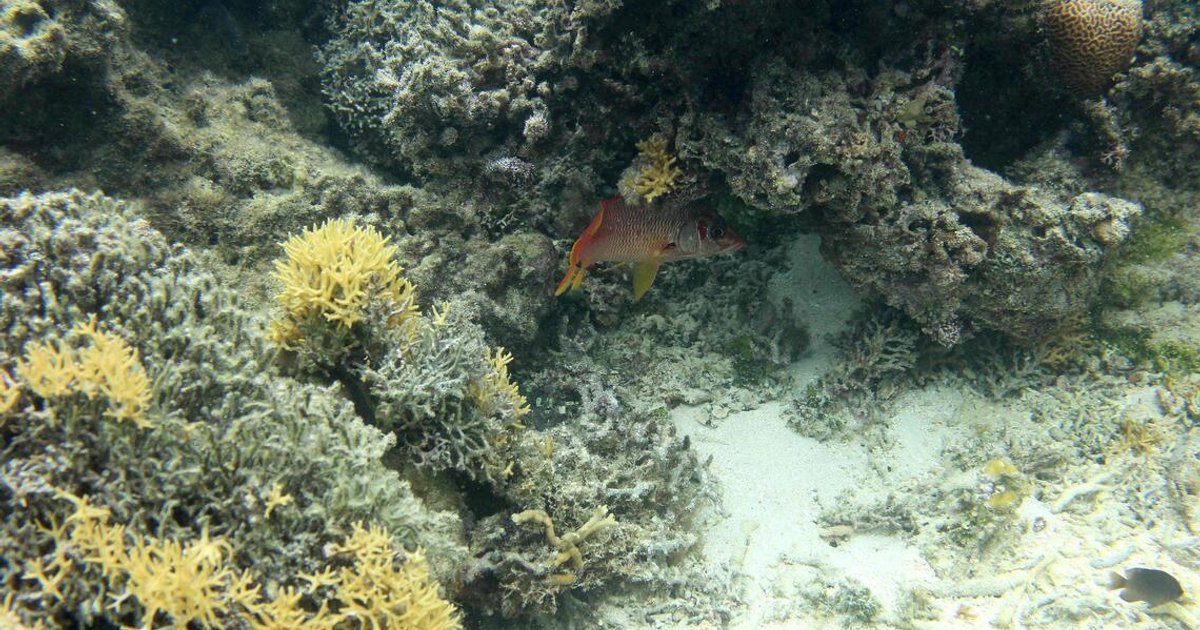
国际自然保护联盟(IUCN)表示,全球96%的珊瑚礁系统正处于“极度濒危”状态,几乎所有浅水珊瑚礁都面临着在2075年前崩溃的“极高风险”。
The IUCN says 96% of coral reef systems are “critically endangered”, with nearly all shallow-water reefs facing an “extremely high risk” of collapse by 2075.
气候变化是主要威胁:海水温度的升高导致了珊瑚白化现象。过度捕捞、污染、沿海开发以及风暴也会对珊瑚礁造成破坏。
Climate change is the main threat, as warming seas drive bleaching. Overfishing, pollution, coastal development and storms also damage reefs.
IUCN强调,珊瑚礁“尚未完全消失”,仍有恢复的可能。该组织呼吁大幅削减温室气体排放、加强珊瑚礁的保护与恢复工作,并增加相关投资。
The IUCN says reefs are “not yet lost” and can recover. It calls for sharp emissions cuts, stronger protection and restoration, and more investment.
耶路撒冷(YEREVAN)消息: 国际自然保护联盟于10月22日警告称,由于气候变化的影响,全球几乎所有浅水珊瑚礁都面临着在2075年前崩溃的“极高风险”。
AI generated YEREVAN – Nearly all of the world’s shallow-water coral reefs face an “extremely high risk” of collapse by 2075 due to climate change, the International Union for Conservation of Nature (IUCN) warned on Oct 22.
在这项首次进行的全球性评估中,该全球野生动物保护机构将全球96%的珊瑚礁系统列为“极度濒危”类别——这是最严重的风险等级。
In the first global assessment of its kind, the world authority on threatened wildlife classified 96% of the planet’s coral reef systems as “critically endangered” – its highest risk category.
珊瑚对高温非常敏感,尤其容易受到人为引起的气候变化的影响;气候变化导致全球海洋温度上升,从而加剧了珊瑚白化的频率和强度。
Corals are heat sensitive and particularly vulnerable to human-driven climate change, which is warming the world’s oceans and increasing the frequency and intensity of damaging bleaching events.
“珊瑚礁面临崩溃的风险正在加剧,但这应该成为我们警醒自己的信号,而不是绝望的理由,”IUCN珊瑚礁生态系统红色名录评估项目的科学负责人米沙尔·古德卡(Mishal Gudka)表示。
“The risk of coral reef collapse is escalating, but this must be a wake-up call rather than a cause for despair,” said Mishal Gudka, scientific lead of the IUCN Red List of Coral Reef Ecosystems assessment.
“珊瑚礁展现出惊人的恢复能力,能够在遭受严重破坏后重新生长,”古德卡补充道。她同时也是位于东非的印度洋沿海海洋研究与发展组织(CORDIO)的研究主任。
“Coral reefs have shown a remarkable ability to bounce back from devastating bleaching events,” said Gudka, who is also research director at Coastal Oceans Research and Development in the Indian Ocean (CORDIO) East Africa, a conservation organisation.
在进行评估时,研究人员采用了联合国气候专家小组提出的“中等预测情景”:即到2100年全球气温将比工业化前水平上升2.7摄氏度。
For their assessment, researchers used the “middle-of-the-road” scenario from the UN’s panel of climate experts that projects global temperatures rising 2.7 deg C above pre-industrial levels by 2100.
联合国于10月21日警告称,按照目前各国减少温室气体排放的承诺,本世纪全球气温仍有可能上升2.6摄氏度。
The world is on track for 2.6 deg C warming this century under current global commitments to cut planet-heating emissions, the United Nations warned on Oct 21.
“气候变化导致的热应激是全球珊瑚礁衰退的单一最持续威胁,”国际自然保护联盟(IUCN)在一份声明中说。
“Heat stress from climate change is the single most consistent threat driving coral reef decline worldwide,” the IUCN said in a statement.
该组织表示,过度捕捞也在损害珊瑚,因为某些食草动物和捕食者有助于控制藻类并维持生态平衡。
Overfishing is also hurting corals as certain herbivores and predators help control algae and maintain an ecological balance, the organisation said.
对鹦嘴鱼和其他石斑鱼的过度开发威胁着63%的珊瑚礁生态系统。沿海开发、污染、旅游业以及更频繁的风暴是其他威胁之一。
The overexploitation of parrotfish and other groupers threatens 63% of coral reef ecosystems. Coastal development, pollution, tourism and more frequent storms are among other threats.
极危珊瑚 国际自然保护联盟的分析考察了127个热带和亚热带珊瑚系统,覆盖面积达188,362平方公里。
Critically endangered coral The IUCN’s analysis examined 127 tropical and subtropical coral systems covering 188,362 sq km.
世界上最大、生物多样性最丰富的珊瑚礁均被列为极危——澳大利亚的大堡礁、东南亚和西太平洋的珊瑚三角区、加勒比海的中美洲堡礁系统,以及红海珊瑚礁。
The world’s largest and most biodiverse coral reefs are among those classified as critically endangered – Australia’s Great Barrier Reef, the Coral Triangle in South-east Asia and the western Pacific, the Caribbean’s Mesoamerican Barrier Reef System, and the Red Sea coral reefs.
当造礁石珊瑚——构建其生命基础的物种——大量消失并被藻类、碎石和海绵取代时,珊瑚礁生态系统就会崩溃。
A reef ecosystem collapses when hard corals – which build its living foundation – largely disappear and are replaced by algae, rubble and sponges.
该报告是在亚美尼亚埃里温举行的联合国COP17生物多样性峰会期间发布的,各国政府面临压力,需在一项旨在到2030年遏制并扭转生物多样性丧失的里程碑式协议上取得进展。
The report was released during the UN’s COP17 biodiversity summit in Yerevan, Armenia, where governments are under pressure to make progress on a landmark pact to halt and reverse biodiversity loss by 2030.
尽管发出了警告,国际自然保护联盟表示,世界上大部分地区的珊瑚礁“尚未失去”。
Despite its warning, the IUCN said coral reefs in most parts of the world “are not yet lost”.
国际自然保护联盟称,如果科学家仅考察过去50年发生的情况,排除未来的气候预测,24%的珊瑚礁生态系统将被判定为极危,而非96%。
If scientists look only at what has happened over the past 50 years, excluding future climate projections, 24% of coral reef ecosystems would be deemed critically endangered instead of 96%, the IUCN said.
“给珊瑚礁一个恢复的机会还不算太晚,但这需要采取果断行动应对气候变化,遏制海洋进一步变暖,”国际自然保护联盟总干事格雷特尔·阿吉拉尔说。
“It is not too late to give coral reefs a chance to recover, but it requires decisive action to tackle climate change and halt further ocean warming,” said IUCN director-general Grethel Aguilar.
“我们知道需要什么:雄心勃勃的减排、更有力的保护和恢复行动,以及对恢复力强的沿海生态系统及依赖这些生态系统的社区进行持续投资。”
“We know what is needed: ambitious emissions reductions, stronger protection and restoration efforts, and sustained investment in resilient coastal ecosystems and the communities that depend on them.”
上周发表在《自然》杂志上的一项研究发现,到2020年,近一半的珊瑚物种面临“较高的相对灭绝风险”,气候变化是导致这一衰退的主要驱动因素。
A study published in the journal Nature last week found that, by 2020, nearly half of coral species were at “elevated relative risk of extinction”, with climate change the main driver of this decline.