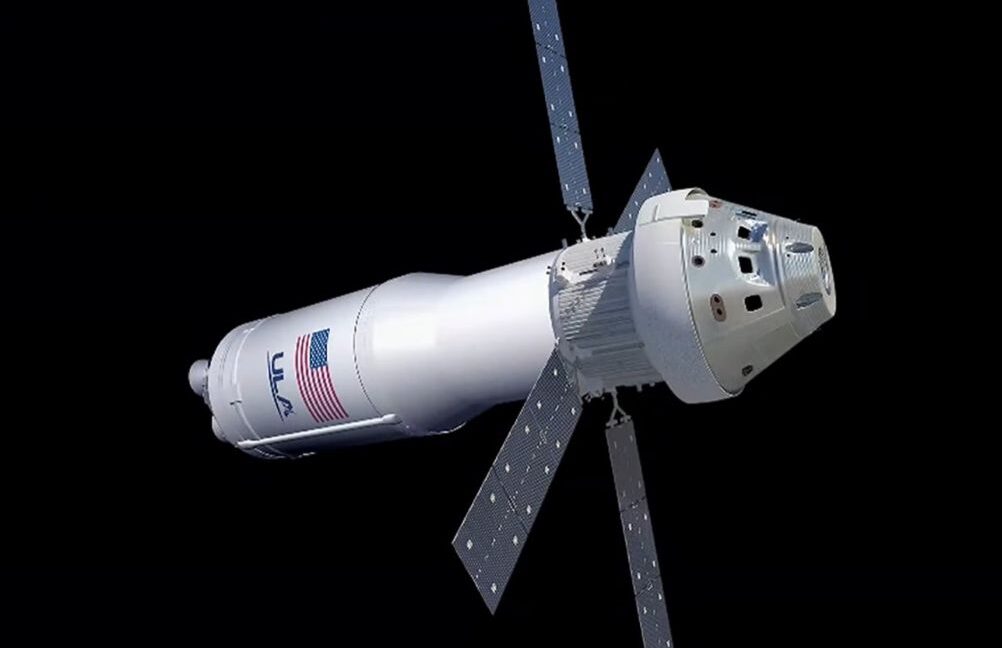
美国国家航空航天局(NASA)周五在一场漫长的新闻发布会上,详细概述了其作为“阿尔忒弥斯计划”一部分、最早于2028年将宇航员送回月球表面的计划。
During a lengthy news conference NASA on Friday provided a detailed overview of how it plans to return astronauts to the lunar surface, as soon as 2028, as part of its Artemis Program.
尽管这些计划背后的大量信息此前已在《Ars Technica》等媒体上披露,但这标志着NASA首次详细公布这些方案,并承认架构发生了一些重大变化。
Although much of the information behind these plans has been previously reported in Ars Technica and elsewhere, this marked the first time NASA has laid them out in detail and acknowledged some substantial changes in the architecture.
最引人注目的是,针对SpaceX的“星舰”飞船,修订后的计划要求“猎户座”飞船在地球高轨道与“星舰”月球着陆器对接,然后再前往月球。而对于蓝色起源,任务架构包括四次“新格伦”火箭发射,但不涉及飞船间加注推进剂。此外,蓝色起源的方案允许其“蓝月”着陆器在近月轨道与“猎户座”飞船会合。
Most notably, for SpaceX's Starship vehicle, the revised plan calls for the Orion spacecraft to dock with the Starship lunar lander in high-Earth orbit before transiting to the Moon. And for Blue Origin, the mission architecture includes four launches of the New Glenn rocket, but no spacecraft-to-spacecraft refuelings. Additionally, the Blue Origin plans allows for the possibility of its Blue Moon lander rendezvousing with Orion in low-Lunar orbit.