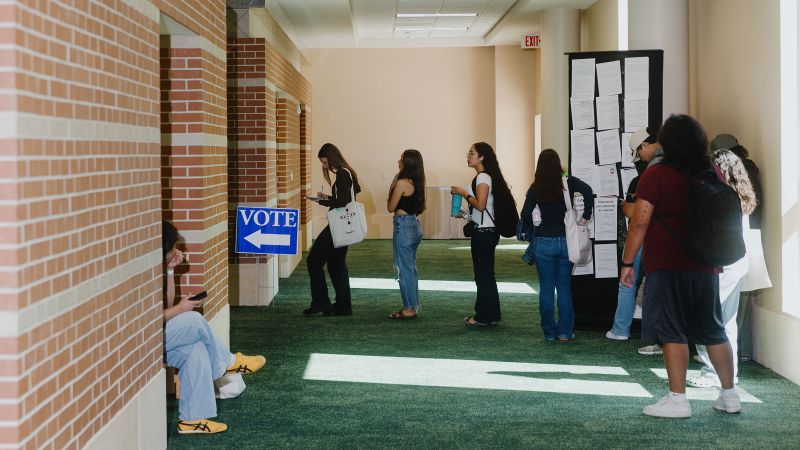
共和党在没有大学学历的选民中表现往往优于有大学学历的选民,这一现象在最近几届总统大选中重创了民主党。但同样的模式可能在下个月的中期选举中给民主党带来潜在的决定性提振。
Republicans tend to run better among voters without a college degree than those with one, which has battered Democrats in recent presidential elections. But that same pattern could give Democrats a potentially decisive boost in next month’s midterms.
即使唐纳德·特朗普总统在拥有大学学历的美国人中的支持率暴跌,历史表明,这些受过良好教育的选民几乎可以肯定将比2024年占选民比例略大。这相当于经济学家所说的工资“大学溢价”在政治上的对应现象。
Even as President Donald Trump’s approval rating craters among Americans with a college degree, history suggests those well-educated voters are virtually certain to constitute a slightly larger share of the electorate this year than in 2024. It’s the political equivalent of what economists call the “college premium” in wages.
仅凭中期选举倾向于更受教育选民这一典型特征,其幅度本身可能不足以扭转多场竞争激烈的选战。但这一变化可能为民主党提供关键的天平砝码,特别是在共和党占优的参议院选战和众议院选区中,民主党看到了克服长年挫败的机会。
By itself, the typical midterm tilt toward a more educated electorate may not be large enough to swing many competitive races. But the change could provide a crucial thumb on the scale for Democrats, particularly in red-leaning Senate races and House districts where the party sees opportunities to overcome long years of futility.
大学毕业生在中期选举中占选民比例长期以来大于总统大选。但考虑到证据显示,对特朗普第二任期表现的不满已蔓延至其部分核心群体——包括缺乏大学学历的农村和蓝领白人选民——今年这一差距可能比往常更大。
College graduates have long made up a larger share of the vote in midterm than presidential elections. But the gap could be wider than usual this year, given the evidence that disapproval of Trump’s second-term performance has spread into some of his core groups — including rural and working-class White voters who lack a college degree.
特朗普正拼命试图动员这些选民。如果他能动员足够多的人,将有助于共和党在不满情绪不断高涨的浪潮中生存下来——特别是在密歇根、俄亥俄、爱荷华、堪萨斯和内布拉斯加等腹地州,没有大学学历的白人占选民比例过高。但如果这些选民投票率低于往常,选民结构将进一步向受过良好教育的人倾斜——考虑到他们对特朗普的疏离感,这可能为民主党取得巨大胜利创造条件。
Trump is now desperately trying to rally those voters. If he can mobilize enough of them, it will help Republicans survive the mounting tide of discontent — particularly in heartland states such as Michigan, Ohio, Iowa, Kansas and Nebraska, where White people without a college degree represent a disproportionate share of the vote. But if fewer of those turn out than usual, the electorate will tilt even further toward the well-educated — and, given their alienation from Trump, that could create the conditions for big Democratic gains.
民主党民调专家兼数据分析师布赖恩·贝内特表示:“从现在到选举期间,令人痛苦的问题将是,没有大学学历的共和党人——尤其是没有大学学历的白人——是会捏着鼻子、以能让政治环境维持在‘蓝色浪潮’水平的投票率支持共和党人,还是会留在家里,从而由于投票率差异导致选举结果跨入‘蓝色海啸’级。”
“The agonizing question from now until the election will be whether non-college-educated Republicans — particularly White non-college — hold their nose and turn out at rates for Republicans that keep the environment more at a ‘blue wave’ level, or whether they stay home and the differential causes a crossover into a ‘blue tsunami’ level,” says Bryan Bennett, a Democratic pollster and data analyst.
由于当前对两党支持度存在着持续的学历极化现象,大学学历选民与非大学学历选民在群体构成上的微小差异,也将影响2026年的选举结果。
Even small differences in the breakdown between college and non-college voters will affect the 2026 outcome because of the now-consistent educational polarization in support for the parties.
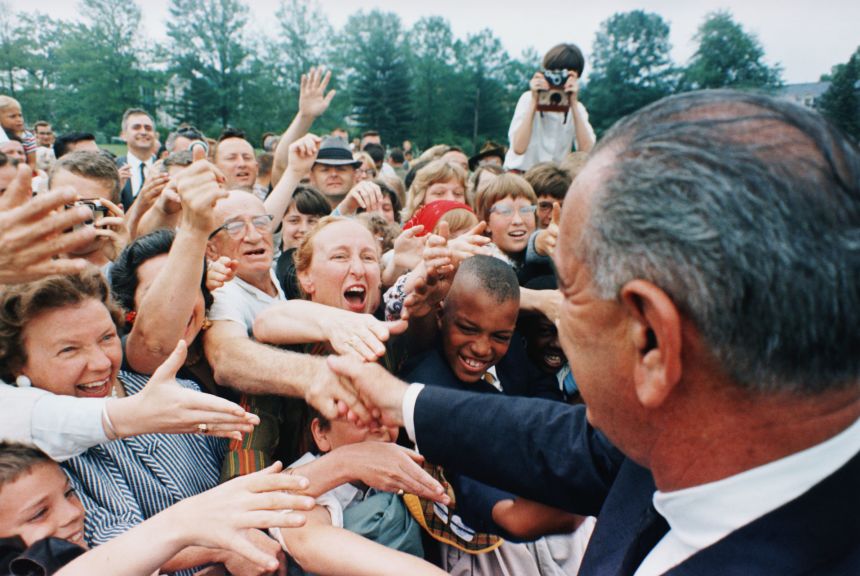
在整个20世纪的中叶,从富兰克林·罗斯福在20世纪30年代推出的“新政”到林登·约翰逊在20世纪60年代推出的“伟大社会”计划,民主党在没有四年制学位的美籍人群中的支持率一直高于受过高等教育的人群。在那些年里,民主党有时被形容为下班后洗澡的人的政党,而共和党则被形容为上班前洗澡的人的政党。
Through the heart of the 20th century, from Franklin Roosevelt’s New Deal in the 1930s through Lyndon Johnson’s Great Society in the 1960s, Democrats consistently ran better among Americans without a four-year degree than those with advanced education. In those years, Democrats were sometimes described as the party of people who showered after work, and Republicans as the party of those who showered before.
这种政治联盟在20世纪60年代破裂,当时民主党为促进少数族裔民权所做的努力摧毁了他们在北方和南方白人工人阶级选民中的牢固阵营。在随后的几十年里,共和党围绕犯罪、枪支管控、堕胎、移民以及后来的LGBTQ权益等具有文化极化色彩的议题,扩大了其蓝领阵地。政治学者阿兰·阿布拉莫维茨通过对“美国国家选举研究”的数据计算显示,自约翰逊在1964年压倒性胜选以来,没有一位民主党总统候选人在没有四年制大学学历的白人选民中获得过多数支持。
That alignment cracked in the 1960s, as Democratic efforts to promote civil rights for racial minorities shattered their hold on White working-class voters in both the North and the South. Over the succeeding decades, Republicans expanded their blue-collar beachheads around culturally polarizing issues such as crime, gun control, abortion, immigration and later, LGBTQ rights. No Democratic presidential nominee has carried a majority of White voters without a four-year college degree since Johnson in his 1964 landslide, according to calculations from the American National Election Study by political scientist Alan Abramowitz.
相比之下,在20世纪90年代比尔·克林顿总统任内,民主党开始提高其在受过大学教育的选民中的支持率,这些选民在吸引非大学学历选民倒向共和党的相同社会议题上,往往持自由派立场。
Under President Bill Clinton in the 1990s, Democrats, conversely, began improving their performance among college-educated voters, who often took liberal positions on the same social issues that drew non-college voters toward the GOP.
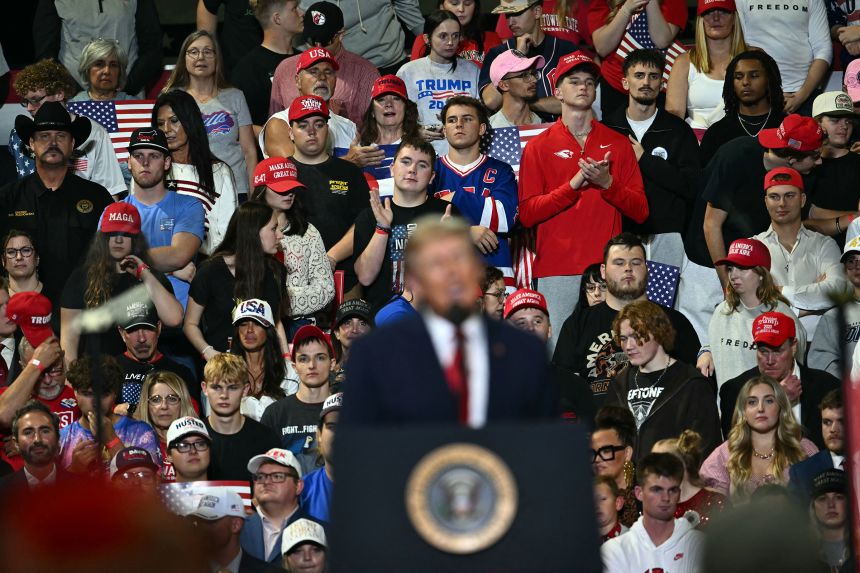
这一长期酝酿的重组——我称之为“阶级倒置”——在特朗普极具两极分化的总统任期内达到了顶峰。出口民调显示,在他的三次总统竞选中,他赢得了约三分之二没有大学学历的白人选民的支持,这是自1984年里根以来,两党任何候选人获得的最高比例。根据出口民调和皮尤研究中心的“经验证选民”研究,2024年,特朗普在没有四年制大学学历的黑人、拉美裔和亚裔美国人中也取得了显著进展,赢得了他们三分之一到五分之二的选票。
This long-developing reconfiguration — what I’ve called the class inversion — has reached a towering peak in Trump’s polarizing presidency. Exit polls found that he won about two-thirds of White voters without a college degree in all three of his presidential campaigns, the highest share for any candidate in either party since Ronald Reagan in 1984. In 2024, Trump also made significant gains among Black, Latino and Asian Americans without a four-year-degree, carrying between one-third and two-fifths of them, according to the exit polls and the Pew Validated Voters study.
与此同时,特朗普始终面临受过良好教育选民的更大抵制。出口民调发现,2020年和2024年,约55%拥有大学学历的选民投了反对票。2018年,在特朗普首个中期选举中共和党失去的众议院席位里,白人大学毕业生占人口比例超过其全国平均水平的席位超过五分之四。郊区大学毕业生的支持帮助缓和了民主党在2022年中期选举中的失利。
Meanwhile, Trump has consistently faced more resistance from well-educated voters. About 55% of all those with college degrees voted against him in 2020 and 2024, exit polls have found. In 2018, White college graduates constituted more than their national share of the population in over four-fifths of the House seats Republicans lost during Trump’s first midterm election. Support from suburban college grads helped blunt the Democrats’ midterm losses in 2022.
正如我所写,在特朗普的第二个任期里,由于对通胀、关税和伊朗战争的广泛不满,他在没有四年制大学学历的白人和非白人选民中的支持率显著下滑。这种下滑是民主党得以将版图扩展到此前倾向共和党、且拥有大量白人工薪阶层人口地区的核心因素,包括腹地地区的参议院竞选和宾夕法尼亚、俄亥俄、密歇根、威斯康星、爱荷华等地的众议院选区。
In Trump’s second term, as I’ve written, his support among both White and nonwhite voters without a four-year degree has significantly eroded amid widespread discontent with inflation, his tariffs and the Iran war. That decline has been the central factor enabling Democrats to expand the map into previously Republican-leaning areas with large populations of working-class White people, including the heartland Senate races and House districts in Pennsylvania, Ohio, Michigan, Wisconsin, Iowa and elsewhere.
但拥有学位选民对特朗普的抵制,依然远大于无学位选民。上周发布的《纽约时报》/锡耶纳学院可能选民民调显示,特朗普在大学毕业生中的净支持率为负近40个百分点(29%支持,68%不支持)。这几乎是他在无大学学历选民中支持率赤字(42%支持,53%不支持)的四倍。
But resistance to Trump remains considerably greater among voters with a degree than those without one. In a New York Times/Siena College poll of likely voters released last week, Trump’s approval rating among college graduates was nearly 40 points net negative (29% positive to 68% negative). That was almost four times larger than his approval deficit among voters without a college degree (42% to 53%).
这种对特朗普态度的分歧,正转化为中期选举偏好中显著的教育程度分化。《纽约时报》/锡耶纳学院的民调发现,支持民主党众议员候选人的大学毕业生比例(59%)比非大学毕业生(46%)高出13个百分点。上周休斯顿大学关于得克萨斯州参议员竞选的民调显示,民主党人詹姆斯·塔拉里科在有学位选民中的支持率(56%)同样比无学位选民(42%)高出14个百分点。
This divergence in attitudes toward Trump is translating into a stark educational split in preferences for the midterm elections. The NYT/Siena survey found that the share of college graduates backing Democrats for the House (59%) was 13 points higher than the share of those without degrees (46%). Last week’s University of Houston poll on the Texas Senate race found Democrat James Talarico likewise running 14 points better among voters with a degree (56%) than those without (42%).
最新的CNN民调发现,俄亥俄州民主党参议员候选人谢罗德·布朗在受过大学教育的选民中比在无学位选民中高出15个百分点;在爱荷华州,CNN发现民主党参议员候选人乔什·图雷克高出22个百分点。
The latest CNN poll found Ohio Democratic Senate candidate Sherrod Brown running 15 points better among college-plus voters than those without degrees; in Iowa, CNN found Democratic Senate candidate Josh Turek ran 22 points better.
并非今年所有全国性和州级民调都发现民主党支持率存在这么大的教育程度差异,但部分民调测得的更大差距,将与其他近期选举的结果一致。出口民调显示,在2022年和2018年两次中期选举中,民主党众议员候选人在所有种族的大学毕业生选民中比在非大学毕业生选民中高出14至15个百分点。
Not all national and state surveys this year are finding such large educational disparities in Democratic support, but the bigger difference measured in some polls would be consistent with the results of other recent elections. Exit polls found that Democratic House candidates ran 14 to 15 points better among college than non-college voters of all races in both the 2022 and 2018 midterms.
这种持续存在的差距表明,即使选民教育构成发生微小变化,也可能在势均力敌的竞选中产生重大影响。
This persistent gap suggests that even small shifts in the educational composition of the electorate can have big impacts in close races.
双方策略师一致认为,当无大学学位选民占选民总数的比例更大时,共和党受益,而这种情况在总统大选中总是会出现。
Strategists on both sides agree that Republicans now benefit when voters without a college degree make up a larger share of the vote, as they always do in presidential campaigns.
但总体而言,在公众关注度和投票率较低的选举中,大学毕业生在选民中的比例会上升。“当进入那些低投票率选举时,教育程度差异将会更大,”研究选举参与的佛罗里达大学政治学家迈克尔·麦克唐纳说。
But generally, the college share of voters rises in elections that attract less attention and turnout from the public. “The educational differences are going to be even greater when you get into those low-turnout elections,” says Michael McDonald, a University of Florida political scientist who studies electoral participation.
正如麦克纳特所指出的,这种动态部分解释了为什么民主党人在特朗普两个任期内的投票率相对较低的特别选举中一直表现如此出色。它还塑造了中期选举期间投票群体的构成。
As McDonald notes, that dynamic partly explains why Democrats have consistently performed so well in relatively lower-turnout special elections during both of Trump’s terms. It also shapes the composition of the voting pool during midterms.
在每场总统大选和两年后的中期选举之间,所有群体的投票率都会下降。但教育程度较低的选民的投票率往往比教育程度较高的选民下降得更多。“总统大选是一件大事;每个人都知道这一点,无论在哪里,”布鲁金斯学会大都市研究中心的民主统计学家威廉·弗雷表示。“中期选举,也许就没那么重要了。”弗雷为美国有线电视新闻网对人口普查数据进行的分析量化了这种参与度差距如何在总统竞选和随后的中期选举之间持续重塑投票群体。
Turnout for all groups falls between each presidential race and the midterm two years later. But it tends to fall even further for voters with less education than those with more. “The presidential election is a big deal; everybody knows that, everywhere,” says William Frey, a demographer at the Brookings Metro think tank. “The midterms, maybe not so much.” alysis of census data that Frey conducted for CNN quantifies how that engagement gap consistently reshapes the voting pool between presidential campaigns and the subsequent midterm.
在总统选举和中期选举中,没有大学学历的选民仍然投出了全部选票中的大多数。但根据弗雷的分析,与2012年相比,拥有至少四年制大学学历的选民在2014年投票中所占的比例高出了大约4到5个百分点;2018年比2016年高出这一比例,2022年也比2020年高出这一比例。
Voters without a college degree still cast a majority of all ballots in presidential and midterm elections alike. But voters who held at least a four-year college degree represented about 4 to 5 percentage points more of the vote in 2014 than in 2012, 2018 than 2016 and 2022 than 2020, according to Frey’s analysis.
加剧这种中期选举差异效应的,还有历次总统选举中受过大学教育的选民比例的稳步上升。人口普查局发现,2024年受过大学教育的选民投出了所有选票的45%,高于2012年的不到37%。这意味着,每一次中期选举中大学毕业生比例的增长,都是在一个更高的基数上发生的。(大学毕业生在选民中所占比例不断增长,是因为他们在整个社会中所占比例不断增长:在1992年至2024年间,拥有四年制大学学位的美国人比例几乎翻了一番,其中女性的增幅远大于男性。)
Compounding the effect of this midterm differential has been a steady increase in the share of college-educated voters in each presidential election. The census found that college-educated voters cast 45% of all votes in 2024, up from less than 37% in 2012. That means each midterm increase in college grads is occurring off a higher base. (College grads are growing in the electorate because they are growing in the society: The share of all Americans with a four-year degree nearly doubled between 1992 and 2024, with women making much larger gains than men.)
其他关于美国人投票情况的主要数据来源,对选民中大学毕业生的比例持不同看法。皮尤验证选民研究(Pew Validated Voters study)、民主党目标定位公司Catalist的预测以及庞大的合作选举研究(Cooperative Election Study)民调均发现,大学毕业生在2024年投票中占了40%至41%,略低于人口普查局的数据。
The other major sources of data on how Americans vote disagree on the level of college graduates in the electorate. The Pew Validated Voters study, the projections by the Democratic targeting firm Catalist, and the massive Cooperative Election Study poll all found that college grads cast 40 to 41% of the 2024 vote, slightly less than the Census number.
但至关重要的是,几乎无一例外,这些数据来源与人口普查局得出了相同的变化轨迹:受过大学教育的选民比例在历次总统选举中都在稳步上升,并且在随后的每一次中期选举中,这一比例都会再上升几个百分点。例如,与人口普查局类似,Catalist发现,大学毕业生投出的总统选票比例从2012年到2024年增加了7个百分点。同样,该公司发现,大学毕业生投出的选票比例从2020年到随后的2022年中期选举激增了6个百分点。
But critically, almost without exception, those data sources agree on the same trajectory as the census: The share of college-educated voters is steadily rising across each presidential election, and the share bumps up a few points more in each subsequent midterm. Similar to the census, for instance, Catalist found that the share of the presidential vote cast by college graduates increased by 7 points from 2012 to 2024. Likewise, it found that the share of the vote cast by college graduates soared by 6 points from 2020 to the succeeding 2022 midterm.
民主党民调专家贝内特认为,今年教育背景的变化将再次十分显著。他表示,在大多数民调中,“正如在中期选举中对投票的热情存在有利于民主党的党派差异一样,大学毕业生与非大学毕业生之间也存在着升高的差异”。以Catalist和皮尤的数据为基准,贝内特预计大学毕业生将在下个月投出大约45%的选票。以人口普查局的数据作为基准,弗雷给出的估计更高,接近48%。
Bennett, the Democratic pollster, believes the education shift again will be substantial this year. In most polls, he says, “just as there is a partisan differential in … enthusiasm about voting in the midterms favoring Democrats, there is also (an) elevated differential between college and non-college.”Using the baseline from Catalist and Pew, Bennett expects college graduates will cast about 45% of the vote next month. Using the census as his baseline, Frey puts his estimate even higher, at nearly 48%.
正如弗雷的数据(见表格)所显示的那样,今年所有竞争激烈的参议院选举州,几乎都能感受到所有这些变化的影响。即便在密歇根州、俄亥俄州和缅因州等无学位选民占整体选民比例极高的州,这一比例也一直在下降,尤其是在中期选举中。弗雷估计,在这三个州,今年大学毕业生投出的选票将高达45%,高于2014年中期选举时的30%多。
As Frey’s figures (see table) show, all these changes have been felt in virtually every state with a competitive Senate race this year. Even in states such as Michigan, Ohio and Maine, where voters without a degree constitute an outsize proportion of the overall electorate, their share has been declining, particularly in midterms. In all three of those states, Frey estimates that college graduates will cast as much as 45% of votes this year, up from the mid-30s in the 2014 midterms.
这些变化之所以重要,主要是因为相比于无学位选民,更多的大学学历选民对特朗普保持怀疑态度——尽管特朗普在后者中的支持率在第二个任期内出现了下滑。但也有迹象表明,无学位选民——尤其是没有大学学历的白人选民——对投票给民主党依然更加抵触,哪怕他们对特朗普感到失望。
These changes matter largely because more college voters remain dubious of Trump than those without degrees — despite Trump’s second-term slippage among the latter. But there’s also evidence that voters without degrees — especially White non-college voters —remain more resistant to voting for Democrats, even when they are disappointed in Trump.
例如,在《纽约时报》与锡耶纳学院联合开展的新民调中,根据民调机构提供的详细结果,在对特朗普执政表现表示不满的受过大学教育的白人中,有84%的人表示他们打算在众议院选举中投票给民主党;而在对特朗普不满的没有大学学历的白人中,只有77%的人打算支持民主党。
In the new NYT/Siena College poll, for instance, 84% of college-educated Whites who disapproved of Trump’s performance said they intend to vote Democratic for the House; only 77% of Whites without a degree who disapproved of Trump intended to back Democrats, according to detailed results provided by the pollster.
同样,在最近的CNN民调中,对特朗普持负面看法的受过大学教育的白人中,有80%的人表示他们将支持俄亥俄州和艾奥瓦州的民主党参议院候选人。但在艾奥瓦州,图雷克仅吸引了62%对此类表现不满的无学位白人,而布朗在俄亥俄州也只吸引了其中72%的人。皮尤研究中心在其最新全国调查中提供的数据显示,对特朗普不满的无学位少数族裔,其表示支持民主党的可能性也低于受过高等教育的少数族裔。
Likewise, in the most recent CNN polling, 80% of college-educated Whites down on Trump said they would support the Democratic Senate candidates in Ohio and Iowa. But Turek was attracting just 62% of non-college Whites who disapproved in Iowa, and Brown only 72% of them in Ohio. Data provided by the Pew Research Center from its latest national survey show that minorities without a degree who disapprove of Trump are also less likely to say they’re supporting Democrats than minorities with advanced education.
特朗普的最后竞选行程似乎旨在激发核心共和党选民的活力,主要是那些没有大学学历的选民,其方式是强调那些将他们与民主党人区分开来的文化和种族议题,即便他们对他的经济表现感到不满。与贝内特一样,两党的许多战略家都认为,最后几周的关键变量将是,有多少受到双重压力(cross-pressured)的蓝领共和党人会出来投票并坚定支持他们的党派,特别是在将决定参议院控制权的偏红州。
Trump’s final campaign swing seems designed to energize core Republican voters, primarily those without college degrees, by stressing the cultural and racial issues that divide them from Democrats, even if they are unhappy about his economic record. Like Bennett, many strategists on both sides agree the critical variable in these last weeks will be how many of those cross-pressured blue-collar Republicans turn out and stick with their party, especially in the red-leaning states that will decide Senate control.
得克萨斯大学奥斯汀分校的共和党民调专家兼政治学家达龙·肖表示:“民主党这一边已经箭在弦上、严阵以待。我认为所有的动向都在共和党这一边。问题是:共和党人会露面吗,而那些露面的人真的会背离党派吗?”如果特朗普动员了足够多的蓝领共和党人,这将限制选民结构向拥有大学学历选民的倾斜,并很可能使共和党人控制损失。
“The Democratic side is locked and loaded,” says Daron Shaw, a Republican pollster and political scientist at the University of Texas at Austin. “I think all the action is on the Republican side. The question is: Are Republicans going to show, and are those who show actually going to defect?”If Trump mobilizes enough blue-collar Republicans, that will limit the electorate’s tilt toward voters with degrees and likely allow Republicans to contain their losses.
但如果有太多这样的工薪阶层保守派选择留在家中,中期选举中大学学历选民带来的优势可能会让共和党人对他们的期中成绩追悔莫及——甚至在那些该党多年来未经历严峻考验的州也是如此。
But if too many of those working-class conservatives stay home, the midterm college premium could leave Republicans lamenting their final grade — even in states where the party has not been seriously tested in years.