中国和巴西有望在路易斯·伊纳西奥·卢拉·达席尔瓦连任总统后保持紧密的经济联系,尽管他推动加强国内工业和生产的举措可能会使中国企业在拉美最大经济体的经营前景变得复杂,分析人士表示。
China and Brazil are expected to sustain close economic ties following the re-election of Luiz Inacio Lula da Silva as president, though his push to strengthen domestic industry and production could complicate the outlook for Chinese companies operating in Latin America’s largest economy, analysts said.
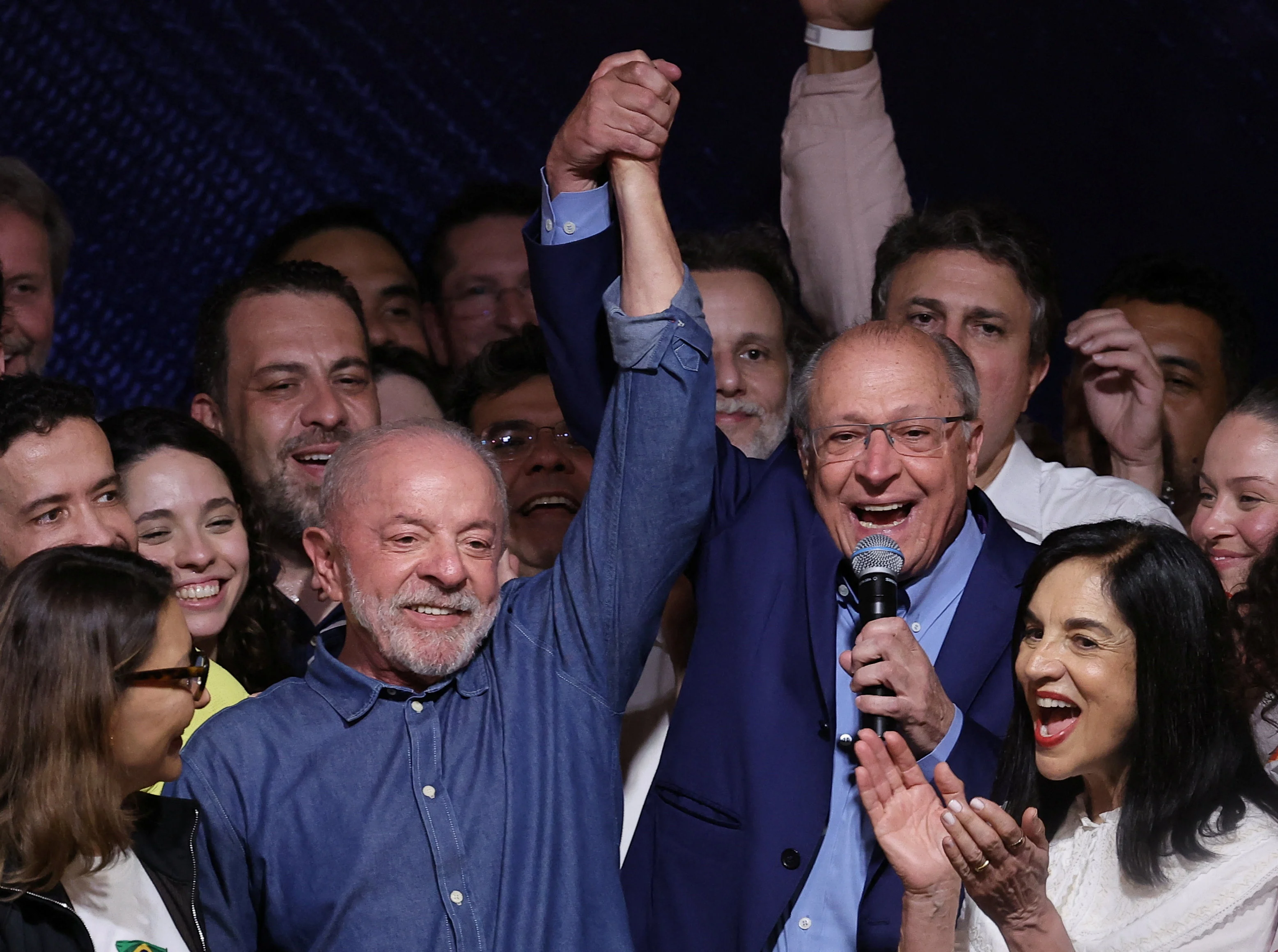
卢拉在周日的决选中击败右翼挑战者弗拉维奥·博尔索纳罗,赢得第四个非连续任期。获胜后,卢拉在圣保罗一家酒店对记者和盟友表示,“巴西拒绝成为任何人的后院”,这番言论被广泛视为向华盛顿发出的明确信号。
Lula defeated right-wing challenger Flavio Bolsonaro in Sunday’s run-off election, securing a fourth, non-consecutive term. Following his victory, Lula told reporters and allies at a hotel in Sao Paulo that “Brazil refuses to be anyone’s backyard” – a remark widely seen as a pointed message to Washington.
北京中国现代国际关系研究院研究员陈凤英表示,卢拉计划使巴西的国际伙伴关系多元化,并保持相对于美国的战略自主,这可能为北京创造机遇。她补充说,中国投资也有助于巴西升级经济。
Chen Fengying, a researcher at the Beijing-based China Institutes of Contemporary International Relations, said Lula’s plans to diversify Brazil’s international partnerships and maintain strategic autonomy from the United States could create opportunities for Beijing. Chinese investment, she added, could also help Brazil upgrade its economy.
陈凤英说:“[卢拉获胜] 是个好消息。巴西的政治变动与经济和贸易政策紧密交织。考虑到卢拉对中国总体友好的立场,中巴双边经贸关系至少有望保持稳定。”她还预期两国将深化技术合作,认为中国“是唯一能在科技领域与美国抗衡的国家”。她预计双边贸易将进一步增长,称巴西丰富的自然资源与中国巨大的制造能力互补。
“[Lula’s win] is good news,” Chen said. “Political shifts in Brazil are closely intertwined with economic and trade policies. Given Lula’s generally friendly stance towards China, bilateral economic and trade ties between China and Brazil are likely to remain stable at the very least.”Chen said she also expected the two countries to deepen technological cooperation, arguing that China “is the only country that can rival the US in the tech field”. She projected further growth in bilateral trade, saying Brazil’s rich natural resources complemented China’s vast manufacturing capacity.
自卢拉2023年重返总统职位以来,其政府一直寻求深化与中国的经济联系,同时吸引中国投资以支持巴西工业并提升其技术能力。
Since Lula’s return to the presidency in 2023, his government has sought to deepen economic ties with China while attracting Chinese investment to support Brazilian industries and improve its technological capabilities.
据巴西-中国企业家委员会称,去年中国企业投向巴西的资金超过其在任何其他国家的投资,共承诺投入创纪录的61亿美元,涉及52个项目。此前,卢拉于2025年5月访问北京,出席了一场与拉美领导人举行的峰会,并带回长城汽车和美团等企业270亿雷亚尔(47亿美元)的投资承诺。
Chinese companies invested more money in Brazil than in any other country last year, committing a record US$6.1 billion spread across 52 projects, according to the Brazil-China Business Council. That followed Lula’s visit to Beijing in May 2025, when he attended a summit with Latin American leaders and returned with 27 billion reais (US$4.7 billion) in investment pledges from companies such as Great Wall Motor and Meituan.
根据巴西政府数据,2025年巴西与中国之间的贸易额达到1710亿美元,同比增长8.2%。自2009年以来,中国一直是巴西最大的贸易伙伴,对石油、大豆和其他大宗商品的需求支撑着这一关系。
Trade between China and Brazil hit US$171 billion in 2025, an increase of 8.2 per cent year on year, according to Brazilian government data. China has been Brazil’s largest trading partner since 2009, with demand for oil, soybeans and other commodities underpinning the relationship.
但巴西在吸引中国资本的同时,还有另一个目标:将更多经济利益留在国内。对卢拉而言,与中国加强联系被视为增强本国工业能力的机会,而不是继续依赖进口技术和成品。
But Brazil’s efforts to attract Chinese capital are joined by another goal: keeping more of the economic benefits at home. For Lula, closer ties with China are seen as an opportunity to build his country’s industrial capabilities, rather than remain dependent on imported technology and finished goods.
在10月接受巴西一档播客节目采访时,卢拉表示,巴西应该研发自己的电池,而不是“依赖中国”。他还呼吁巴西自行生产芯片和手机。
In an October interview with a Brazilian podcast, Lula said Brazil should develop its own electric batteries rather than “depend on the Chinese”. He also called for Brazil to produce its own chips and mobile phones.
在同一采访中,卢拉表示,中国可以为巴西的稀土产业带来技术,同时坚称关键矿产应在国内加工。他形容中国投资者“大胆”,并称巴西正在“利用”这一机会。
In the same interview, Lula said China could bring technology to Brazil’s rare earth industry, while insisting that critical minerals should be processed domestically. He described Chinese investors as “bold” and said Brazil was “taking advantage” of the opportunity.
经济学人智库高级分析师李钦表示,这些雄心壮志可能使巴西成为中国企业面临的一个更加复杂的市场,尽管双边关系依然牢固。
Chim Lee, a senior analyst at the Economist Intelligence Unit, said these ambitions could make Brazil a more complex market for Chinese companies, even as bilateral relations remained strong.
“我们可能会看到,政府间合作支持的项目将保持持续势头,例如港口和铁路等基础设施投资,以及能源和资源领域,”李钦表示,他将选举结果称为巴中关系的“加分项”。
“We’re likely to see sustained momentum behind projects backed by intergovernmental cooperation, such as infrastructure investments in ports and railways, as well as energy and resources,” Lee said, describing the election result as a “plus” for China-Brazil relations.
不过,李明江表示,政治关系加强未必会让中国企业在巴西的经营变得更加容易,他提到卢拉政府推动本地生产、保护国内就业的努力。
However, stronger political ties would not necessarily make it easier for Chinese businesses to operate in Brazil, Lee said, citing the Lula government’s efforts to promote local production and protect domestic employment.
“中国企业在当地面临的现实情况更为微妙。”李明江说,“卢拉政府已对中国商品加征关税,并出台相关规定,实际上促使汽车制造商将生产本地化。”
“The reality on the ground for Chinese enterprises is a bit more nuanced,” Lee said. “Lula’s government has implemented tariffs on Chinese goods and rolled out rules that effectively push carmakers to localise production.”
“鼓励采矿业在国内进行加工的类似政策已经在制定中,预计后续还会有更多此类政策出台。”
“Similar policies encouraging domestic processing in the mining sector are already being developed, and we can expect more down the line.”