
我在贝尔格莱德看到一场非凡的实验正在成形。其他正因动荡而苦苦挣扎的欧洲国家应当研究它的经验。十多年前,维基解密创始人朱利安·阿桑奇在贝尔格莱德接受采访时说,塞尔维亚是“未来最先发生的地方”。这句话在周日选举前的几周里在塞尔维亚社交媒体上广泛流传,但其流传的方式在10年前看来根本不可能。那时谁会想到,今天的塞尔维亚能够站在全球民主变革的最前沿?
I saw a remarkable experiment take shape in Belgrade. Its lessons should be studied by other European countries struggling with unrest More than a decade ago, the WikiLeaks founder Julian Assange told an interviewer in Belgrade that Serbia was “a country where the future happens first”. The phrase circulated widely on Serbian social media in the weeks before Sunday’s election, but in a way that could not have seemed possible 10 years ago. Who would then have imagined that Serbia today could be at the forefront of global democratic change?
周日夜晚贝尔格莱德的画面——人们在街头跳舞、哭泣,而在点燃学生运动的诺维萨德,一面印有被定罪的战犯沃伊斯拉夫·舍舍利画像的旗帜被扯下,这面旗帜自20世纪90年代以来一直悬挂在一栋建筑上——强化了那种未来确实已经到来的感觉。
The images from Belgrade on Sunday night – people dancing and crying in the streets, while in Novi Sad, the city that sparked the student movement, a flag bearing the image of the convicted war criminal Vojislav Šešelj, which had hung from a building since the 1990s, was torn down – reinforced the feeling that the future had truly arrived.
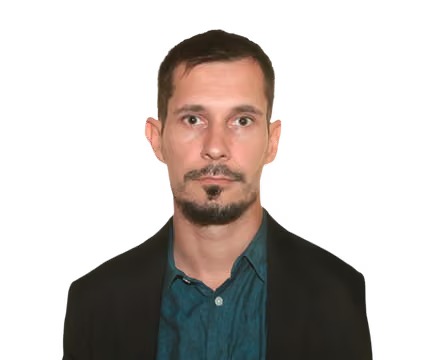
亚历山大·马特科维奇是巴塞罗那环境科学与技术研究所的博士后研究员,也是阿姆斯特丹跨国研究所的研究员。他从事环境史、政治经济学和南斯拉夫历史的研究。
Aleksandar Matković is a postdoctoral researcher at the Institute of Environmental Science and Technology in Barcelona and a fellow at the Transnational Institute in Amsterdam. He works on environmental history, political economy and the history of Yugoslavia