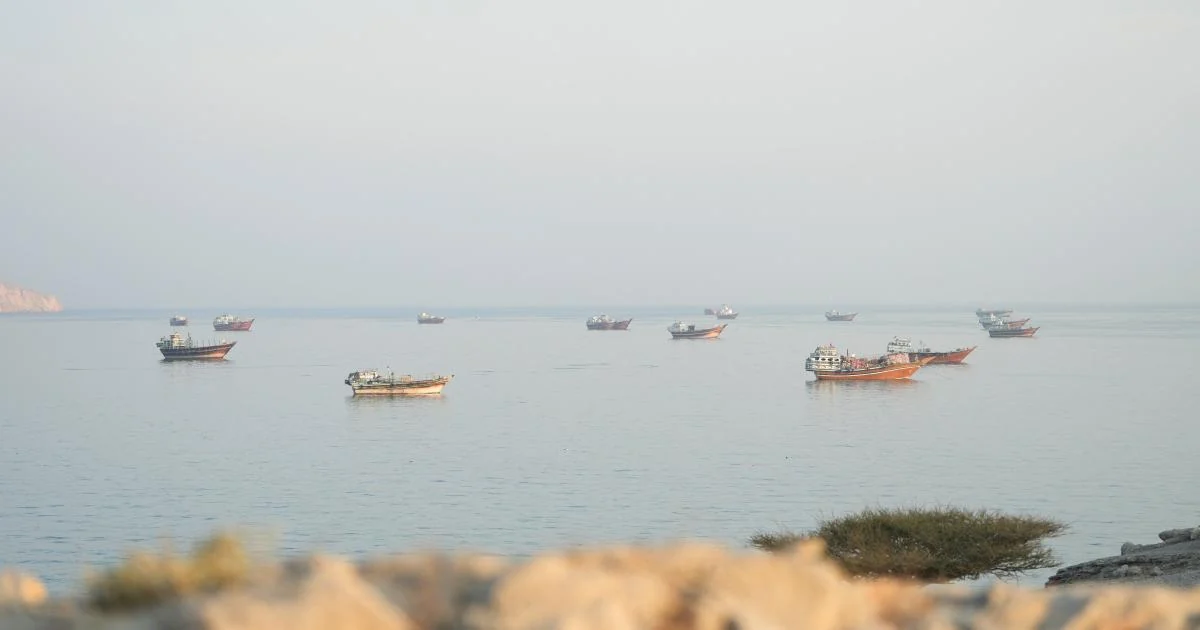
过去一个月里,自美国和以色列于二月宣战以来,伊朗对霍尔木兹海峡航运发动了最猛烈的攻击。自战争爆发以来,已记录到向该海峡发射无人机和导弹超过100次;仅十月份,一艘集装箱船和一艘散货船就在该水道沉没。与此同时,在红海,也门伊朗支持的胡塞武装持续开展行动以扼杀海上贸易,他们更直接地以沙特阿拉伯为目标,在曼德海峡夺取了新领土。
Over the past month, Iran has made its most intense attacks on shipping in the Strait of Hormuz since the United States and Israel declared war, in February. More than 100 drone and missile launches into the strait have been recorded since the war began; in October alone, a container ship and a bulk vessel sank in the waterway. Meanwhile, in the Red Sea, Yemen’s Iran-backed Houthis have sustained their campaign to throttle seaborne trade as they target Saudi Arabia more directly, seizing new territory along the Bab el Mandeb Strait.
这两场海上危机构成同一战略问题的一部分——尽管强度有所升级,但该问题已存在多年。2019年,作为对特朗普首届政府“极限施压”制裁行动的回应,伊朗袭击了海湾各地的航运;2023年,在哈马斯10月7日在以色列实施大屠杀后,胡塞武装在红海发动袭击。每一次此类行动后,美国及其伙伴都建立了海上联盟以保护这些至关重要的海上贸易路线。
These dual maritime crises form part of the same strategic problem—one that, despite its new intensity, has existed for years. In 2019, Iran attacked shipping across the Gulf in response to the first Trump administration’s maximum-pressure sanctions campaign; in 2023, the Houthis launched assaults in the Red Sea following Hamas’s October 7 massacre in Israel. After each of these campaigns, the United States and its partners established maritime coalitions to protect these vital seaborne trade routes.
这些努力有助于维护水道安全,但从未从根本上说服伊朗及其代理人,不对称袭击航运是投射力量的无效手段。相反,此类战术对德黑兰的吸引力只增不减。
The efforts helped secure the waterways, but they never fundamentally persuaded Iran and its proxies that asymmetric attacks on shipping were an ineffective way to project power. On the contrary, such tactics have only become more appealing to Tehran.
即便在现在,仍有一些货轮坚持通过这两条水域。10月15日,《劳氏日报情报》报道称,通过曼德海峡的航运量比8月有了小幅增长。美国海军的巡逻,以及海湾国家采取的船对船转运等富有创意的后勤调整,使得部分石油得以通过霍尔木兹海峡。但航运业依然受到扼制,国际各方尚未找到更新其威慑策略的方法。在2019年以及2023至2024年期间,美国、欧洲和中东的海军组成了各自独立的、相互重叠的防御性海上联盟,以护送船只、搜集不断演变威胁的情报,并拦截导弹和无人机袭击。
Even now, some shipping persists through both waterways. On October 15, Lloyd’s List Intelligence reported that transit through the Bab el Mandeb Strait was up modestly from August. U.S. naval patrols—as well as creative logistical adaptation by Gulf states, including ship-to-ship transfers, have allowed some oil to move through Hormuz. But shipping still remains throttled, and international actors have not yet found a way to update their deterrence playbook. In 2019 and 2023–24, U.S., European, and Middle Eastern navies formed separate, overlapping defensive maritime coalitions to escort vessels, collect intelligence on evolving threats, and intercept missile and drone attacks.
就美国在2024年的情况而言,一个由多国组成的独立联盟还在也门实施了进攻性打击,以削弱胡塞武装的海上能力。如今,各国政府又退回到相同的本能——联合起来,但并非动用其全部兵力。英国和法国已提议组建一个多国海上防御联盟,以便在战争结束后确保霍尔木兹海峡的安全;与此同时,沙特阿拉伯正计划组建一个保护红海的自身联盟,但尚未部署。
In the United States’ case in 2024, a separate multinational coalition also conducted offensive strikes in Yemen to undermine Houthi maritime capabilities. Today, governments are falling back on the same instinct—to join forces, but not all their forces. The British and the French have proposed a multinational maritime defense coalition to secure the Strait of Hormuz once the war ends, while Saudi Arabia is planning, but has not yet deployed, its own alliance to protect the Red Sea.
这两个项目都不包括美国,美国已将近三分之一的海军舰艇部署到中东,企图恢复航行自由、对伊朗实施海上封锁,并支持美国对伊朗的打击。
Neither project includes the United States, which has deployed nearly one-third of its naval warships to the Middle East in an attempt to reestablish freedom of navigation, enforce a naval blockade against Iran, and support U.S. attacks on Iran.
围绕自愿贡献组织的多个短期、协调不足的防御任务,可以在短期内为航运商降低边际风险,但无法提供长期威慑。各自为政的任务会壮了伊朗和胡塞领导人的胆,他们会将其解读为半吊子措施,这些措施很容易因资源匮乏、无法快速适应不断演变的威胁以及两个咽喉要道之间缺乏实时情报共享而捉襟见肘。随着地区战争不断扩大,霍尔木兹海峡和红海的危机日益相互关联,此时照搬那套从未真正奏效的拼凑式海上战略将是一个严重错误。
Multiple short-term, insufficiently coordinated defensive missions organized around voluntary contributions can buy down marginal risk for shippers in the near-term but they cannot deliver long-term deterrence. Separate missions embolden Iranian and Houthi leaders, who will interpret them as half-measures that are easily strained by resource scarcity, an inability to adapt quickly to evolving threats, and the absence of real-time intelligence sharing across the two chokepoints. As crises in the Strait of Hormuz and the Red Sea become more linked amid an expanding regional war, replicating the patchwork maritime strategy that never fully worked would be a serious mistake.
真正需要的是由美国军事能力与亚洲、欧洲和中东国家组成的统一联盟的背书相结合,为这两条水道提供保障的单一、持续的多国努力。否则,伊朗和胡塞武装将再次认识到,在海上咽喉要道威胁全球贸易是一种值得反复使用的策略。
What is needed instead is a single, sustained multinational effort to secure both waterways that combines American military capabilities with the imprimatur of a unified coalition of Asian, European, and Middle Eastern countries. Otherwise, Iran and the Houthis will again learn that threatening global commerce in maritime chokepoints is a strategy worth repeating.
重叠、绩效不佳 目前正在形成的海上联盟有一个令人担忧的先例。此前,国际行为体曾两次发起类似行动,其参差不齐的结果表明,即使是有效的防御行动,也未能阻止中东水域再次遭到袭击。2019年中期,在特朗普第一任政府对伊朗发动“最大压力”制裁运动后,德黑兰袭击了阿拉伯联合酋长国(阿联酋)海岸和阿曼湾的油轮,并在霍尔木兹海峡的国际水域扣押了一艘英国旗帜的油轮。
OVERLAPPING, UNDERPERFORMING The maritime coalitions now taking shape share a troubling precedent. Twice before, international actors have mounted similar efforts, and their mixed results show why even effective defensive operations fail to prevent renewed attacks in Middle Eastern waterways. In mid-2019, after the first Trump administration launched its “maximum pressure” sanctions campaign against Iran, Tehran attacked tankers off the coast of the United Arab Emirates (UAE) and in the Gulf of Oman and seized a British-flagged oil tanker from international waters in the Strait of Hormuz.
保险费用飙升十倍,运载原油油轮的运费上涨近40%。作为回应,华盛顿成立了国际海事安全结构(IMSC),总部设在巴林;该任务旨在在中东关键水道维持海军舰艇,以威慑伊朗,并收集伊朗海上活动的情报与商业船舶共享。
Insurance premiums spiked tenfold, and freight rates for crude-oil-carrying tankers jumped nearly 40 percent. In response, Washington established the International Maritime Security Construct (IMSC), headquartered in Bahrain; the mission sought to maintain naval vessels across key waterways in the Middle East to deter Iran and collect intelligence on Iranian maritime activities to share with commercial shippers.
到2019年底,阿尔巴尼亚、澳大利亚、巴林、沙特阿拉伯、阿联酋和英国已加入IMSC。但尽管华盛顿努力进一步扩大联盟,大多数欧洲国家却未加入。他们对特朗普政府退出2015年与德黑兰的核协议感到沮丧,并担心加入IMSC——该结构专注于对抗伊朗——会被德黑兰视为具有侵略性,或是对华盛顿“最大压力”运动的背书。相反,八个欧洲国家加入了由法国领导的名为“霍尔木兹海峡欧洲海事感知”(EMASoH)的任务,该任务强调缓和紧张、监视以及鼓励与伊朗进行地区对话。
By the end of 2019, Albania, Australia, Bahrain, Saudi Arabia, the UAE, and the United Kingdom had joined the IMSC. But despite Washington’s efforts to expand the coalition further, most European countries abstained from joining. They were frustrated with the Trump administration’s withdrawal from the 2015 nuclear deal with Tehran and wary that joining the IMSC—with its focus on confronting Iran—would be seen by Tehran as aggressive or an endorsement of Washington’s maximum pressure campaign. Instead, eight European countries joined a French-led mission called European Maritime Awareness in the Strait of Hormuz (EMASoH), which emphasized de-escalation, surveillance, and encouraging regional dialogue with Iran.
四年后,当胡塞武装开始威胁红海航运——导致海运保险费飙升,并迫使船只绕道好望角时——美国和欧洲再次分别组织了应对行动。2023年12月,美国启动了“繁荣卫士行动”(Operation Prosperity Guardian),这是一项很快有20多个国家加入的海军联盟。该任务在红海地区随时保持4到8艘军舰,并成功击落了胡塞武装的无人机和导弹;其领导人表示,在行动的第一个月内,它已为1000多艘商船的安全通行提供了便利。
Four years later, when the Houthis began to threaten shipping in the Red Sea—spiking maritime insurance rates and forcing vessels to detour around the Cape of Good Hope—the United States and Europe once again organized separate responses. In December 2023, the United States launched Operational Prosperity Guardian (OPG), a naval coalition soon joined by more than 20 countries. The mission maintained four to eight warships in the Red Sea area at any given time and successfully shot down Houthi drones and missiles; within its first month, its leaders said it had facilitated safe transit for more than a thousand commercial vessels.
欧洲联盟组建了属于自己的、规模小得多的防御性海上行动,为通过红海南部地区的欧洲商船护航,并拦截了胡塞武装的无人机和导弹袭击。
The European Union formed its own, substantially smaller defensive maritime operation that escorted European commercial vessels through the southern Red Sea and also intercepted Houthi drone and missile attacks.
在这两次危机中,美国、欧洲和海湾国家普遍认为,伊朗和胡塞武装对航行自由的威胁需要作出回应。由于航行自由被视为全球秩序的基本原则,因此组建致力于维护这一支柱的大型集团,旨在展示国际决心并孤立不良行为者。然而,对于如何应对这一挑战的分歧削弱了这些任务的成效。许多政府拒绝加入针对某个国家的进攻性打击或联盟。政治分歧进一步分裂了应对行动,因为欧洲试图拉开自身与美国伊朗战略之间的距离。
In both crises, the United States, Europe, and the Gulf states broadly agreed that Iranian and Houthi threats to freedom of navigation required a response. Because freedom of navigation was viewed as a fundamental principle of the global order, assembling large groups committed to upholding this pillar was intended to demonstrate international resolve and isolate the bad actor. But disagreement over how to confront the challenge diluted the missions. Many governments declined to join offensive strikes or coalitions explicitly directed at a state. Political divides further splintered the response, as Europe sought to put distance between itself and the United States’ Iran strategy.
2019至2024年的各项任务取得了重要的战术成果:提升了海上态势感知能力,拦截了部分袭击,并阻止了航运的全面停摆。但缺乏结束伊朗侵略的长期协调战略,削弱了应对效果。这些任务始终未能让航运业者完全相信这些水道是安全的——尤其是红海——也未能阻止伊朗和胡塞武装最终重新着手利用这些咽喉要道。根据荷兰政府2021年的一项评估,荷兰方面假定伊朗能够区分欧洲海上任务与美国主导的任务,并会对欧洲船只采取较不激进的姿态,这凸显出德黑兰有能力利用相互重叠的行动之间的空隙,也凸显出建立统一阵线的必要性。
The 2019–24 missions achieved important tactical successes by improving maritime awareness, intercepting some attacks, and stopping a complete shutdown of shipping. But the lack of a long-term, coordinated strategy for ending Iran’s aggression weakened the response. The missions never fully persuaded shippers that these waterways were safe—especially the Red Sea—or prevented Iran and the Houthis from eventually returning to their efforts to exploit the chokepoints. According to a 2021 assessment by the Dutch government, the Netherlands assumed that Iran could differentiate between the European maritime mission and the American-led one and would be less aggressive toward European vessels, underscoring Tehran’s ability to exploit the gaps between overlapping operations and the need for a unified front.
整体大于部分之和 这些任务的教训在今天意义极其重大。经过多年的影子战争,美国和以色列如今已与伊朗直接交战。2025年,美国和以色列还分别对也门的胡塞武装发动了为期数月的军事行动,此前沙特领导了长达十年的努力,试图驱逐这一反叛组织。这些行动重创了伊朗和胡塞武装。但它们也让伊朗和胡塞武装有机会磨炼其非对称战术。
GREATER THAN THE SUM OF ITS PARTS The lessons from these missions matter enormously today. After years of shadow warfare, the United States and Israel have now fought Iran directly. In 2025, the United States and Israel also launched separate months-long campaigns against the Houthis in Yemen, following a decadelong Saudi-led effort to dislodge the rebel group. These campaigns badly battered Iran and the Houthis. But they also gave them a chance to hone their asymmetric tactics.
在挺过了旨在推翻其政权的战争之后,伊朗和胡塞武装变得更加愿意让全球商业面临风险,并让那些未直接参与对它们作战的行为体付出代价。两者都认识到,它们无需完全封锁海上咽喉要道。仅仅是对其发出威胁,就足以改变权力殿堂中的决策。
Having survived wars intended to collapse their regimes, Iran and the Houthis have emerged more willing to hold global commerce at risk and impose costs on actors not directly involved in the wars against them. Both have learned that they do not need to fully close maritime chokepoints. Simply threatening them can change decision-making in the halls of power.
没有人希望在这些水道上有通行费或单方面强加的服务费,而这些正是伊朗提出的方案。相反,为了应对这些危机,各种各自为政的海上联盟规划努力层出不穷。英法方案与欧洲此前的海上行动类似,提议开展防御性多国任务为船只护航。该方案将美国排除在外,并且要等到美以对伊朗的战争彻底结束后才会启动——这一条件基本上注定了它在短期内毫无用处。
Nobody wants tolls or unilaterally imposed service payments on these waterways, proposals that Iran has tabled. Instead, to try to deal with the crises, there has been a flowering of disjointed maritime coalition planning efforts. The British-French plan resembles previous European maritime efforts, proposing a defensive multinational mission to escort vessels. It excludes the United States and will not activate until the U.S.-Israeli war with Iran ends for good—a condition that essentially guarantees its uselessness in the near term.
与此同时,胡塞武装的侵略行径促使沙特阿拉伯紧急设法保障红海过境通行,鉴于霍尔木兹海峡的通行受阻,红海航道正变得越来越至关重要。7月下旬,利雅得宣布组建自己的防御性海上联盟,成员包括来自非洲和中东各地的14个国家,以及孟加拉国和巴基斯坦,该联盟将既不同于欧洲在霍尔木兹的行动,也不同于美国的任务。
Houthi aggression, meanwhile, has sent Saudi Arabia scrambling to secure Red Sea transit, which is increasingly vital given disruptions in the Strait of Hormuz. In late July, Riyadh announced the formation of its own defensive maritime coalition with 14 countries from across Africa and the Middle East, as well as Bangladesh and Pakistan, which will be distinct from both European efforts on Hormuz and the U.S. mission.
美国则自行开展了军事行动以保障海湾水道安全,重点是在阿曼水域为船只护航,并积极保护商业船运方免受伊朗的日常袭击。与此同时,美国海军正在对伊朗港口实施海上封锁,并使无视其警告的油轮失去航行能力。
The United States has put up its own military effort to secure Gulf waterways focused on escorting vessels through Omani waters and actively defending commercial shippers from daily Iranian attacks. Concurrently, the U.S. Navy is enforcing a naval blockade against Iranian ports and disabling tankers that ignore its warnings.
欧洲和沙特的计划已经落后于事态发展。欧洲和中东各国领导人希望将其防御性海上任务与美国和以色列针对伊朗的进攻性行动区分开来,以防止局势升级并保护本国部队。但欧洲和沙特的努力尚未超出规划阶段。美国的任务则活跃在中东战时水道中,目前已在伊朗袭击的背景下成功恢复了该地区战前的大部分原油出口流量。
The European and Saudi plans are already behind the curve of events. Leaders across Europe and the Middle East want to differentiate their defensive maritime missions from U.S. and Israeli offensive campaigns against Iran in order to prevent escalation and protect their own forces. But the European and Saudi efforts have not moved beyond planning. The U.S. mission, for its part, is active in the wartime waterways of the Middle East and has for now successfully restored much of the prewar crude oil flows out of the region amid Iranian attacks.
但鉴于竞争性优先事项和持续部署造成的磨损,美国海军最终将难以维持其在中东的大规模存在。伊朗领导人正在押注,他们能在意愿和能力上比美国更持久,同时在华盛顿与其在亚洲、欧洲和中东的长期伙伴之间制造裂痕,而这些伙伴尚未切实维护海上通航。如果这些联盟不相互协调,它们都将无法长久遏制伊朗和胡塞武装。正在形成的海上联盟有一个令人担忧的先例。
But eventually, the U.S. Navy will struggle to maintain its large presence in the Middle East given competing priorities and the wear and tear of continuous deployment. Iranian leaders are gambling that they can outlast the United States in will and capability, while driving wedges between Washington and its long-standing partners in Asia, Europe, and the Middle East, who have yet to meaningfully defend maritime transit. These coalitions will all fail to deter Iran and the Houthis for good if they do not coordinate with each other. The maritime coalitions now taking shape share a troubling precedent.
鉴于威胁的范围和规模,如果没有美国的海军能力和情报,保障这些水道安全的海上任务根本无法成功。(2019年,欧洲任务最多只能派出三艘军舰和一架巡逻机,而美国则部署了十几艘舰艇;美国2023-2024年的“繁荣卫士”行动之所以能做出反应,是因为其在巴林拥有附近的海军基地。)然而,美国的海军优势本身是不够的。
Without American naval capabilities and intelligence, maritime missions to secure these waterways simply cannot succeed given the scope and scale of the threat. (In 2019, the European mission was only able to field a maximum of three warships and a single patrol aircraft, compared with the United States’ dozen ships; the United States’ 2023–24 OPG mission was able to respond thanks to its naval bases nearby in Bahrain.) Yet U.S. naval superiority itself is insufficient.
伊朗和胡塞武装以前见过这种仓促组建、缺乏协调的海上联盟,他们知道如何利用政治和作战上的缺口。真正孤立伊朗是迫使其领导人做出让步的最佳途径。如果各国政府无法就如何应对达成一致,伊朗和胡塞武装就没有理由放弃其战术。
Iran and the Houthis have seen this rush to uncoordinated maritime coalitions before, and they know how to exploit the political and operational gaps. Truly isolating Iran is the best way to win concessions from its leaders. Both it and the Houthis have little reason to abandon their tactics if governments cannot agree on how to confront them.
欧洲和沙特领导人需要将其海上规划努力合并起来,并邀请美国加入。无论他们与华盛顿在其针对伊朗的军事行动上存在多么严重的意见分歧,在面对国际水道遭掐断的问题时,都必须将其搁置一旁。一个由阿拉伯和欧洲主导、并得到美国军事能力支持的指挥结构,将展现出国际社会对海上侵略的广泛反对,同时将该任务与美以针对伊朗领土的战争区分开来。
European and Saudi leaders need to merge their maritime planning efforts and invite the United States to join. Whatever serious disagreements they have with Washington about its military actions in Iran must be set aside when it comes to confronting the throttling of international waterways. An Arab- and European-led command structure, supported by American military capabilities, would demonstrate broad international opposition to maritime aggression while distinguishing the mission from the U.S.-Israeli war on Iranian territory.
目前,鉴于美国在中东已经进行了广泛的部署,美国应做好准备,贡献强大的军事能力和作战支持。其在亚洲、欧洲和中东的伙伴,应当将在欧洲和沙特任务中承诺的资源重新投入到一个包括美国在内的更广泛的联盟中。华盛顿必须发挥好军事整合者的作用,为那些不习惯多方动态联合任务的海军理顺海上的通信和协调。特别是,美国和以色列必须实时共享有关伊朗和胡塞武装目标锁定能力及武器不断演变性质的情报,以便海上联盟成员能够走在创新曲线的前面。
For now, the United States should be prepared to contribute significant military capacity and operational support, given the extensive deployments it already has in the Middle East. Its partners across Asia, Europe, and the Middle East should redirect the resources they pledged to the European and Saudi missions to a broader coalition that includes the United States. And Washington must lean into a role as military integrator, smoothing out communication and coordination at sea for navies not used to dynamic multimember missions. In particular, the United States and Israel must share real-time intelligence about the evolving nature of Iranian and Houthi targeting capabilities and weapons, so that maritime coalition members can get ahead of the innovation curve.
面对由数十国海军组成的行动任务,伊朗在发动袭击前会三思而后行。
Iran would think twice before attacking a mission made up of dozens of navies.
在短期内,美国应承诺作战灵活性,将任何进攻性打击置于单独的指挥链之下。德黑兰的领导人将注意到国际社会对伊朗和胡塞武装海上侵略行为作出的统一回应,并在攻击由数十个海军共同协作执行的任务前三思而后行。作为回报,华盛顿必须接受其伙伴将加入一项防御性海上任务——而非执行海上封锁或卷入对伊朗的战争。2024年,华盛顿曾谨慎区分其在“繁荣卫士”防御性红海任务中的角色,以及其单独开展的针对胡塞武装的多国进攻性打击行动。美国政府今天应复制这一模式。
In the near term, the United States should commit to operational flexibility, seconding any offensive strikes to a separate chain of command. Leaders in Tehran will take notice of a unified international response to Iranian and Houthi maritime aggression and will think twice before attacking a mission made up of dozens of navies all working together. In return, Washington must accept that its partners would be joining a defensive maritime mission—not enforcing the naval blockade or entering the war against Iran. In 2024, Washington took care to differentiate its role in the OPG defensive Red Sea mission from the separate multinational offensive strikes it undertook against the Houthis. The U.S. government should replicate that model today.
包括以色列在内的其他军队,应提供情报、海上无人机及其他无人能力、维护和后勤保障以及人员。作为美国担任任务骨干的回报,欧洲、中东和亚洲伙伴应承诺逐步扩充自身海军能力和资产,使联盟成为一项长期投资,并实现负担的公平分担。联合信息传递——定期发布协调声明并向商业航运公司进行宣传,以反制伊朗和胡塞武装的虚假信息——至关重要,协同创新同样关键。伊朗和胡塞武装适应迅速;如果联盟国家的国防工业共同合作,将更容易保持领先优势。
Other militaries, including Israel’s, should contribute intelligence, sea drones and other unmanned capabilities,maintenance and logistical support, and personnel. In return for the United States serving as the mission’s backbone, European, Middle Eastern, and Asian partners should commit to gradually expanding their own naval capabilities and assets so the coalition becomes a long-term investment with equitably shared burdens. Joint messaging—regular coordinated statements and outreach to commercial shippers to counter Iranian and Houthi disinformation—will be vital, as well as collaborative innovation. Iran and the Houthis adapt rapidly; it will be easier for coalition countries’ defense industries to stay ahead of them if they work together.
迄今为止的军事努力未能迫使伊朗或胡塞武装在海上改变方针。事实上,伊朗和胡塞武装领导人认为,升级局势能让他们获得更多利益,其声明和持续的袭击就是证明。世界各地的国家都在因此遭受苦难。10月,世界银行预测,由于霍尔木兹海峡关闭以及伊朗对能源基础设施的袭击(这在很大程度上是其原因),海湾经济体在2026年将收缩百分之4.3。6月,国际货币基金组织估计,伊朗的战争可能会使欧元区在2026年的经济增长减少0.5个百分点。
Military efforts to date have failed to compel either Iran or the Houthis to change course at sea. In fact, Iranian and Houthi leaders believe that they have more to gain from escalation, as evidenced by their statements and continued attacks. Countries everywhere are suffering for it. In October, the World Bank projected that Gulf economies would contract by 4.3 percent in 2026, thanks in no small part to the closure of the Strait of Hormuz and Iranian attacks on energy infrastructure. In June, the International Monetary Fund estimated that the war in Iran could reduce growth in the euro area by 0.5 percentage points in 2026.
仅凭一个统一的中东海上联盟既无法扭转这些趋势,也无法全面恢复航行自由。但这将是挫败德黑兰挑拨长期盟友和伙伴关系之机的重要第一步。相反,如果政治分歧、零散任务以及商业货船的短期适应这一现状继续下去,伊朗和胡塞武装将认识到,他们可以利用外国政府之间的分歧,选择性地升级海上威胁以攫取妥协。美国的其他对手也将吸取同样的教训——当世界缺乏捍卫公共利益的意志时,经济破坏是一种极其有效的武器。
A unified Middle East maritime coalition on its own would neither reverse these trends nor fully restore freedom of navigation. But it would be an important first step in denying Tehran opportunities to drive wedges between long-standing allies and partners. If, instead, the current trajectory of political discord, piecemeal missions, and short-term adaptation by commercial shippers continues, Iran and the Houthis will learn that they can exploit divisions among foreign governments, selectively escalating maritime threats to extract concessions. And other U.S. adversaries will learn the same lesson—that economic disruption is an extraordinarily effective weapon when the world lacks the will to defend its commons.